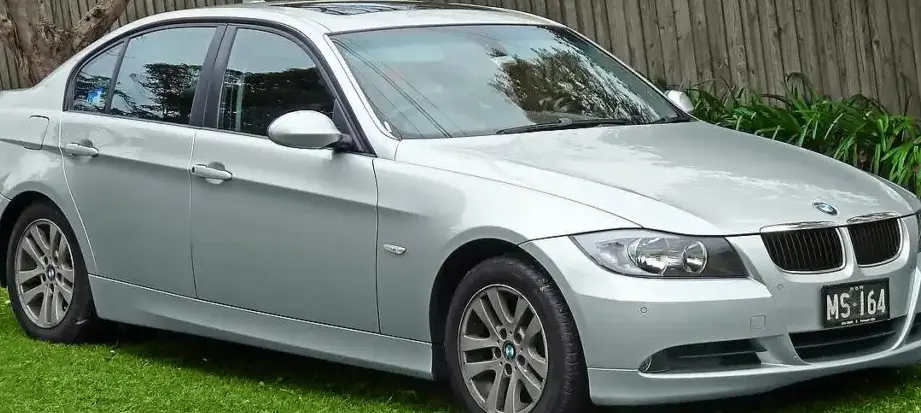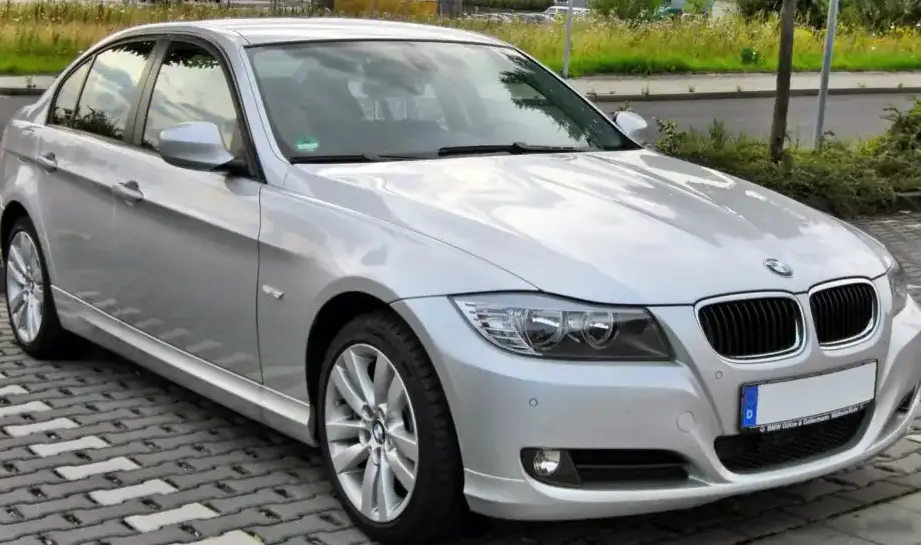
The BMW 320i Sedan (E90 LCI), specifically the variant produced from 2009 to 2012 featuring the N43B20A 2.0-liter engine and Steptronic automatic transmission, represented a key entry point into the BMW 3 Series lineup during the facelifted E90 generation. The LCI (Life Cycle Impulse) brought revised styling, updated technology, and refined engine options to the popular executive sedan. This 320i model was positioned as a balance between affordability, fuel efficiency, and the BMW driving experience, appealing to a broad customer base seeking a premium compact car. It served as a stepping stone for buyers considering the more powerful 325i, 330i, or diesel-powered 320d and 330d models.
Technical Specifications
| Brand | BMW |
| Model | 3 Series |
| Generation | 3 Series Sedan (E90 LCI, facelift 2008) |
| Type (Engine) | 320i (170 Hp) Steptronic |
| Start of production | 2009 |
| End of production | 2012 |
| Powertrain Architecture | Internal Combustion engine |
| Body type | Sedan |
| Seats | 5 |
| Doors | 4 |
| Fuel consumption (economy) – urban (NEDC) | 9.3 l/100 km (25.3 US mpg, 30.4 UK mpg, 10.8 km/l) |
| Fuel consumption (economy) – extra urban (NEDC) | 5.3 l/100 km (44.4 US mpg, 53.3 UK mpg, 18.9 km/l) |
| Fuel consumption (economy) – combined (NEDC) | 6.8 l/100 km (34.6 US mpg, 41.5 UK mpg, 14.7 km/l) |
| CO2 emissions (NEDC) | 159 g/km |
| Fuel Type | Petrol (Gasoline) |
| Acceleration 0 – 100 km/h | 8.9 sec |
| Acceleration 0 – 62 mph | 8.9 sec |
| Acceleration 0 – 60 mph | 8.5 sec |
| Maximum speed | 226 km/h (140.43 mph) |
| Emission standard | Euro 5 |
| Weight-to-power ratio | 8.2 kg/Hp, 121.4 Hp/tonne |
| Weight-to-torque ratio | 6.7 kg/Nm, 150 Nm/tonne |
| Power | 170 Hp @ 6700 rpm |
| Power per litre | 85.2 Hp/l |
| Torque | 210 Nm @ 4250 rpm (154.89 lb.-ft. @ 4250 rpm) |
| Engine layout | Front, Longitudinal |
| Engine Model/Code | N43B20A |
| Engine displacement | 1995 cm3 (121.74 cu. in.) |
| Number of cylinders | 4 |
| Engine configuration | Inline |
| Cylinder Bore | 84 mm (3.31 in.) |
| Piston Stroke | 90 mm (3.54 in.) |
| Compression ratio | 12:1 |
| Number of valves per cylinder | 4 |
| Fuel injection system | Direct injection |
| Engine aspiration | Naturally aspirated engine |
| Valvetrain | DOHC, Double-VANOS |
| Engine oil capacity | 4.25 l (4.49 US qt | 3.74 UK qt) |
| Coolant | 9.2 l (9.72 US qt | 8.09 UK qt) |
| Kerb Weight | 1400 kg (3086.47 lbs.) |
| Max. weight | 1920 kg (4232.88 lbs.) |
| Max load | 520 kg (1146.4 lbs.) |
| Trunk (boot) space – minimum | 460 l (16.24 cu. ft.) |
| Fuel tank capacity | 63 l (16.64 US gal | 13.86 UK gal) |
| Max. roof load | 75 kg (165.35 lbs.) |
| Permitted trailer load with brakes (8%) | 1600 kg (3527.4 lbs.) |
| Permitted trailer load with brakes (12%) | 1500 kg (3306.93 lbs.) |
| Permitted trailer load without brakes | 695 kg (1532.21 lbs.) |
| Permitted towbar download | 75 kg (165.35 lbs.) |
| Length | 4531 mm (178.39 in.) |
| Width | 1817 mm (71.54 in.) |
| Width including mirrors | 1989 mm (78.31 in.) |
| Height | 1421 mm (55.94 in.) |
| Wheelbase | 2760 mm (108.66 in.) |
| Front track | 1506 mm (59.29 in.) |
| Rear (Back) track | 1535 mm (60.43 in.) |
| Front overhang | 757 mm (29.8 in.) |
| Rear overhang | 1014 mm (39.92 in.) |
| Ride height (ground clearance) | 144 mm (5.67 in.) |
| Drag coefficient (Cd) | 0.26 |
| Minimum turning circle (turning diameter) | 11 m (36.09 ft.) |
| Drivetrain Architecture | The Internal combustion engine (ICE) drives the rear wheels of the vehicle. |
| Drive wheel | Rear wheel drive |
| Number of gears and type of gearbox | 6 gears, automatic transmission Steptronic |
| Front suspension | Spring Strut, Transverse stabilizer |
| Rear suspension | Independent multi-link spring suspension with stabilizer |
| Front brakes | Ventilated discs, 300×24 mm |
| Rear brakes | Ventilated discs, 300×20 mm |
| Assisting systems | ABS (Anti-lock braking system) |
| Steering type | Steering rack and pinion |
| Power steering | Electric Steering |
| Tires size | Front wheel tires: 205/55 R16; 225/50 R16; 225/45 R17; 225/40 R18Rear wheel tires: 205/55 R16; 225/50 R16; 225/45 R17; 255/40 R17; 255/35 R18 |
| Wheel rims size | Front wheel rims: 7J x 16; 8J x 17; 8J x 18Rear wheel rims: 7J x 16; 8J x 17; 8.5J x 17; 8.5J x 18 |
Powertrain & Engine Architecture
The heart of the 320i was the N43B20A 2.0-liter inline-four cylinder engine. This engine featured direct fuel injection, a technology BMW termed “High Precision Injection,” which allowed for precise fuel delivery and improved combustion efficiency. The N43 also incorporated Double-VANOS, BMW’s variable valve timing system for both intake and exhaust valves, optimizing engine performance across the rev range. The engine produced 170 horsepower at 6700 rpm and 210 Nm (154.89 lb-ft) of torque at 4250 rpm. The Steptronic automatic transmission was a six-speed unit, offering smooth shifts and the option for manual gear selection. This transmission was known for its responsiveness and contribution to the overall driving experience.
Driving Characteristics
The 320i Steptronic offered a comfortable and refined driving experience. While not as overtly sporty as the 325i or 330i, it provided adequate performance for everyday driving. Acceleration from 0 to 60 mph took approximately 8.5 seconds, and the top speed was 140.43 mph. The automatic transmission, while smooth, did slightly diminish acceleration compared to the six-speed manual version. The gear ratios were tuned for fuel efficiency and comfortable cruising, rather than outright performance. The engine felt responsive in the mid-range, making it suitable for overtaking maneuvers, but lacked the high-end punch of larger displacement engines.
Equipment & Trim Levels
The 320i typically came standard with features such as automatic climate control, power windows and locks, a multi-function steering wheel, and a basic audio system. Upholstery was generally cloth, although leather options were available. Common optional extras included a sunroof, upgraded audio systems (often from Harman Kardon), navigation, and sport seats. The LCI update brought subtle interior revisions, including updated trim materials and improved infotainment options. Packages like the Sport Package added features like sport suspension, unique alloy wheels, and sport seats.
Chassis & Braking
The E90 3 Series utilized a MacPherson strut front suspension and a multi-link rear suspension. The 320i typically featured a slightly softer suspension setup compared to the more powerful models, prioritizing ride comfort. Brakes were ventilated discs all around, providing adequate stopping power. ABS (Anti-lock Braking System) was standard. The rear brakes were slightly smaller in diameter (300x20mm) compared to the front (300x24mm), reflecting the lower weight distribution and performance demands of the 320i.
Market Reception & Comparison
The 320i Steptronic was generally well-received by automotive critics as a sensible and well-rounded option in the compact executive segment. It was praised for its fuel efficiency, comfortable ride, and the inherent qualities of the BMW chassis. However, some reviewers noted that the engine lacked the excitement of its larger counterparts. Compared to the 325i or 330i, the 320i offered a more affordable entry point into the 3 Series range, but at the expense of performance. The 320d diesel variant offered comparable fuel economy with more torque, appealing to drivers prioritizing fuel savings and low-end grunt.
Legacy
The N43 engine, while generally reliable, has been known to exhibit some issues with fuel injector deposits and oil leaks over time. The Steptronic transmission is also generally durable, but requires regular fluid changes to maintain optimal performance. Today, the E90 320i represents an affordable entry point into BMW ownership. Well-maintained examples are still relatively common on the used car market, offering a blend of German engineering, comfort, and reasonable running costs. Its status as a practical and relatively reliable BMW has ensured its continued presence on roads today, making it a popular choice for those seeking a premium sedan without the higher price tag of more powerful or newer models.