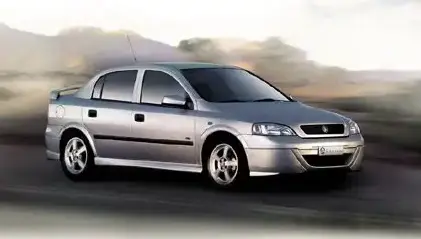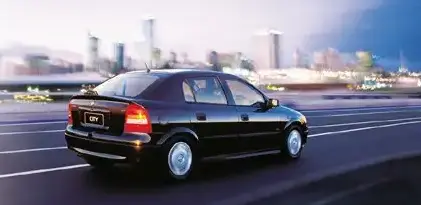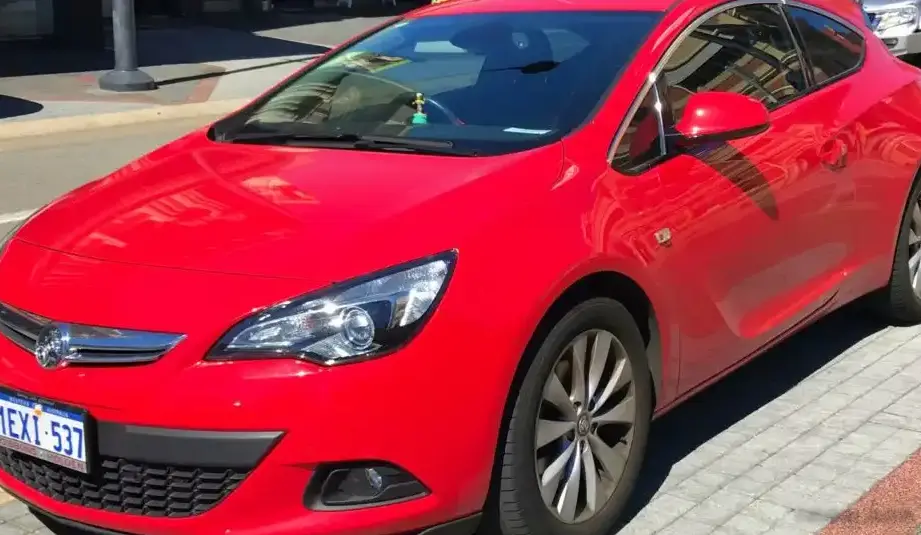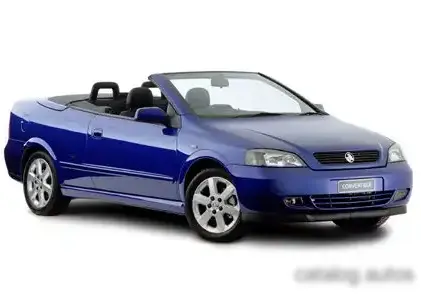
The Holden Astra Cabrio 2.0 i 16V Turbo, produced between 2002 and 2005, represented the performance-oriented variant of the Astra Cabriolet range offered in Australia and New Zealand. Based on the Opel Astra Cabriolet (H code), it was positioned as the flagship model, offering a significant power upgrade over the naturally aspirated engines available in lower trims. This model occupied a niche market, appealing to buyers seeking an open-top driving experience with a sporty edge. It was part of the broader Astra range (H-series) which aimed to provide a European-flavored driving experience to the Australasian market.
Technical Specifications
| Brand | Holden |
| Model | Astra |
| Generation | Astra Cabrio |
| Type (Engine) | 2.0 i 16V Turbo (200 Hp) |
| Start of production | 2002 |
| End of production | 2005 |
| Powertrain Architecture | Internal Combustion engine |
| Body type | Cabriolet |
| Seats | 2 |
| Doors | 2 |
| Fuel Type | Petrol (Gasoline) |
| Weight-to-power ratio | 7.1 kg/Hp, 140 Hp/tonne |
| Weight-to-torque ratio | 5.7 kg/Nm, 174.9 Nm/tonne |
| Power | 200 Hp @ 5600 rpm |
| Power per litre | 100.1 Hp/l |
| Torque | 250 Nm @ 1950 rpm (184.39 lb.-ft. @ 1950 rpm) |
| Engine layout | Front, Transverse |
| Engine displacement | 1998 cm3 (121.93 cu. in.) |
| Number of cylinders | 4 |
| Engine configuration | Inline |
| Cylinder Bore | 86 mm (3.39 in.) |
| Piston Stroke | 86 mm (3.39 in.) |
| Compression ratio | 8.8:1 |
| Number of valves per cylinder | 4 |
| Fuel injection system | Multi-port manifold injection |
| Engine aspiration | Turbocharger, Intercooler |
| Valvetrain | DOHC |
| Kerb Weight | 1429 kg (3150.41 lbs.) |
| Trunk (boot) space – minimum | 330 l (11.65 cu. ft.) |
| Fuel tank capacity | 52 l (13.74 US gal | 11.44 UK gal) |
| Length | 4266 mm (167.95 in.) |
| Width | 1709 mm (67.28 in.) |
| Height | 1390 mm (54.72 in.) |
| Wheelbase | 2606 mm (102.6 in.) |
| Front track | 1464 mm (57.64 in.) |
| Rear (Back) track | 1452 mm (57.17 in.) |
| Drivetrain Architecture | The Internal combustion engine (ICE) drives the front wheels of the vehicle. |
| Drive wheel | Front wheel drive |
| Number of gears and type of gearbox | 5 gears, manual transmission |
| Front suspension | Coil spring |
| Rear suspension | Coil spring |
| Front brakes | Ventilated discs |
| Rear brakes | Disc |
| Assisting systems | ABS (Anti-lock braking system) |
| Steering type | Steering rack and pinion |
| Power steering | Hydraulic Steering |
Powertrain & Engine Architecture
The heart of the Astra Cabrio 2.0 i 16V Turbo was the X20XER engine, a 1998cc inline-four cylinder powerplant. This engine was a derivative of the Opel/Vauxhall Ecotec family, known for its lightweight construction and efficient design. The key feature was the addition of a Garrett GT17 turbocharger with an intercooler, boosting power output to 200 horsepower at 5600 rpm and 250 Nm (184 lb-ft) of torque available from a low 1950 rpm. Fuel delivery was managed by a multi-port fuel injection system. The engine utilized a double overhead camshaft (DOHC) valvetrain with four valves per cylinder, optimizing gas flow for improved performance. The five-speed manual transmission was the only gearbox option offered with this variant, prioritizing driver engagement and performance. The engine code X20XER was known for its relative reliability, though regular maintenance was crucial for optimal turbocharger life.
Driving Characteristics
The 200 hp output, coupled with the relatively light weight of the Cabriolet body style (1429 kg), provided brisk acceleration. While not a dedicated sports car, the Astra Cabrio 2.0 i 16V Turbo offered a noticeably more engaging driving experience than the lower-powered variants. The turbocharger provided a surge of power in the mid-range, making overtaking maneuvers effortless. The five-speed manual transmission allowed for precise control over the engine’s powerband. Compared to the naturally aspirated 1.8L models, the turbo variant felt significantly more responsive and capable. The gear ratios were well-suited for both city driving and highway cruising, although the turbo lag was noticeable at lower engine speeds.
Equipment & Trim Levels
The 2.0 i 16V Turbo was typically equipped with a higher level of standard features than the base Astra Cabriolet models. This included features like alloy wheels, sports suspension, air conditioning, power windows, and a decent audio system. Interior upholstery was generally cloth, but leather options were available. Optional extras included a sunroof, upgraded audio systems, and various cosmetic enhancements. The dashboard layout was typical of the Astra H, with a functional and straightforward design. The focus was on providing a comfortable and well-equipped driving environment, complementing the car’s sporty performance.
Chassis & Braking
The Astra Cabriolet utilized a MacPherson strut front suspension and a multi-link rear suspension, providing a good balance between ride comfort and handling. The sports suspension fitted to the 2.0 i 16V Turbo lowered the ride height and stiffened the dampers, improving body control and reducing roll during cornering. Braking duties were handled by ventilated discs at the front and solid discs at the rear, assisted by an Anti-lock Braking System (ABS). The braking system was adequate for the car’s performance, providing sufficient stopping power in most driving situations. The steering was a hydraulic power-assisted rack and pinion system, offering precise and responsive steering feel.
Market Reception & Comparison
The Holden Astra Cabrio 2.0 i 16V Turbo was generally well-received by automotive critics in Australia and New Zealand. It was praised for its strong performance, engaging driving dynamics, and relatively affordable price point. However, some reviewers noted the presence of turbo lag and the slightly compromised ride quality due to the sports suspension. Compared to the naturally aspirated Astra Cabriolet variants, the 2.0 i 16V Turbo offered a significant performance upgrade, but at the cost of slightly higher fuel consumption. It competed with other small convertibles available in the market, such as the Mazda MX-5 and the BMW Z3, offering a more practical and affordable alternative.
Legacy
The Holden Astra Cabrio 2.0 i 16V Turbo remains a relatively sought-after model in the used car market today, particularly among enthusiasts. The X20XER engine, when properly maintained, has proven to be reasonably reliable. Common issues include turbocharger wear and tear, and potential problems with the cooling system. Finding well-maintained examples can be challenging, as many have been subjected to hard use or neglected maintenance. However, for those seeking an affordable and enjoyable open-top driving experience, the Astra Cabrio 2.0 i 16V Turbo represents a compelling option, offering a unique blend of performance, style, and practicality.