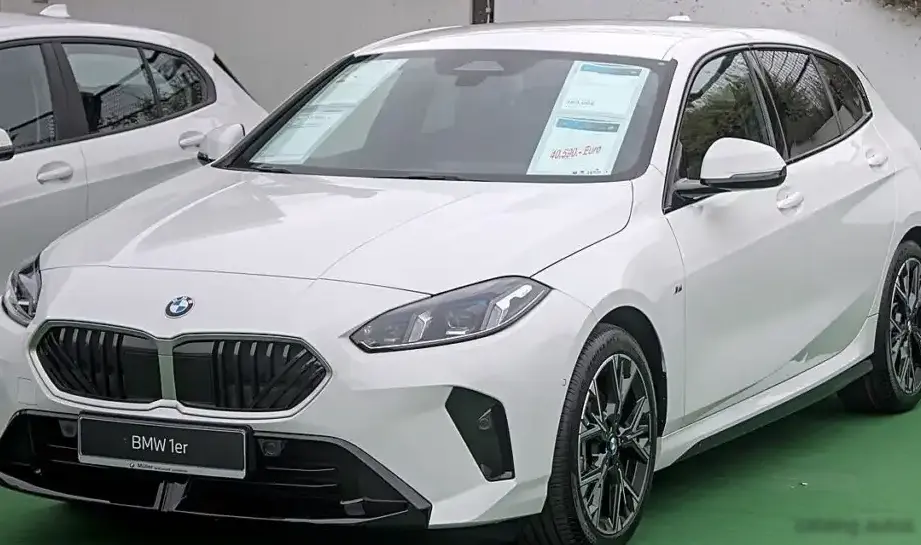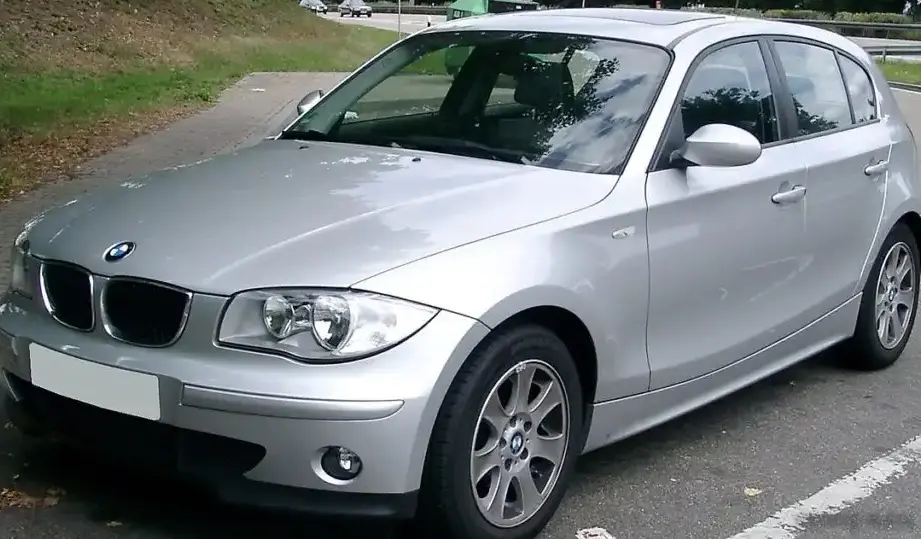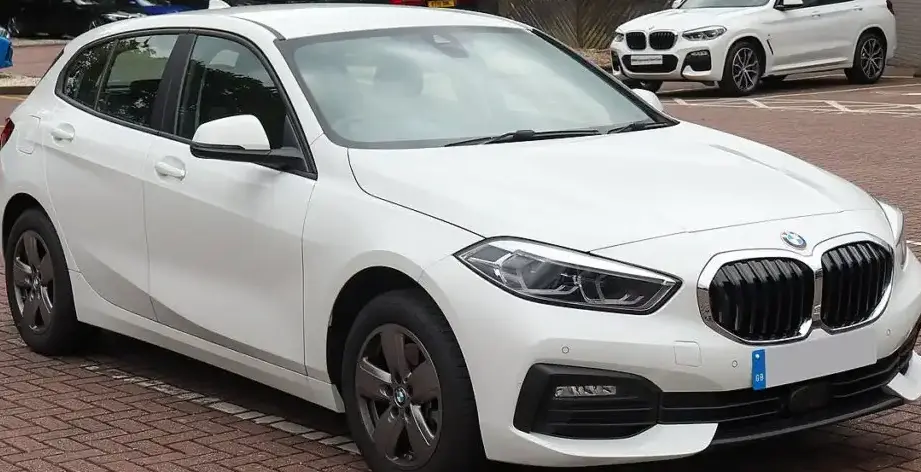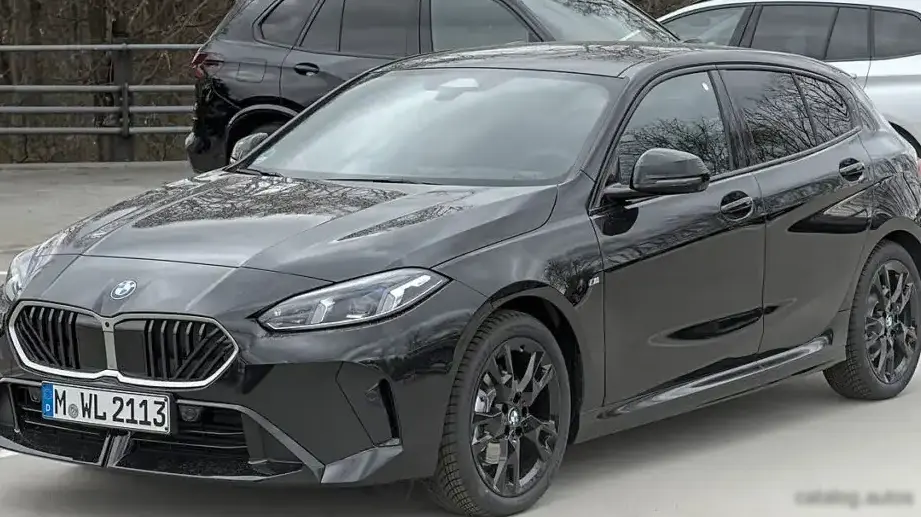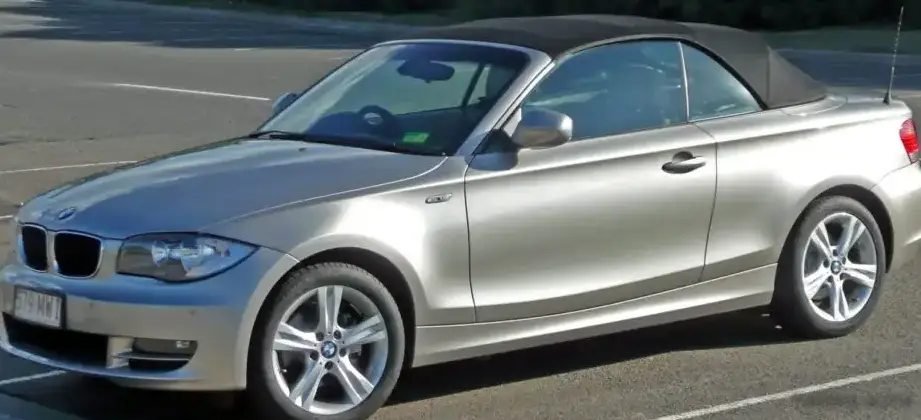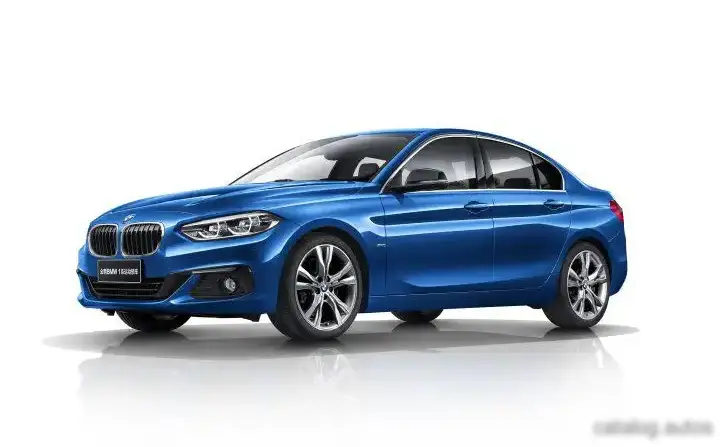
The BMW 1 Series Sedan (F52) 120i, powered by a 1.5-liter turbocharged three-cylinder engine producing 140 horsepower, was a key variant in BMW’s entry-level sedan lineup. Introduced in October 2019 and continuing through the 2024 model year, this version primarily served markets outside of North America, particularly China, where the 1 Series Sedan was specifically designed and manufactured. It represented BMW’s attempt to cater to the growing demand for compact, premium sedans in that region, leveraging the UKL2 platform shared with the MINI family. The 120i, equipped with a 7-speed dual-clutch transmission (DCT), occupied a mid-range position within the F52 1 Series Sedan family, offering a balance between performance, efficiency, and affordability.
Technical Specifications
| Brand | BMW |
| Model | 1 Series |
| Generation | 1 Series Sedan (F52) |
| Type (Engine) | 120i (140 Hp) DCT |
| Start of production | October, 2019 |
| End of production | 2024 |
| Powertrain Architecture | Internal Combustion engine |
| Body type | Sedan |
| Seats | 5 |
| Doors | 4 |
| Fuel consumption (combined) | 5.4 l/100 km |
| Fuel consumption (US mpg) | 43.6 US mpg |
| Fuel consumption (UK mpg) | 52.3 UK mpg |
| Fuel consumption (km/l) | 18.5 km/l |
| Fuel Type | Petrol (Gasoline) |
| Acceleration 0 – 100 km/h | 9.4 sec |
| Acceleration 0 – 62 mph | 9.4 sec |
| Acceleration 0 – 60 mph | 8.9 sec |
| Maximum speed | 212 km/h (131.73 mph) |
| Power | 140 Hp @ 4600-6500 rpm |
| Power per litre | 93.4 Hp/l |
| Torque | 220 Nm @ 1480-4200 rpm (162.26 lb.-ft. @ 1480-4200 rpm) |
| Engine layout | Front, Transverse |
| Engine Model/Code | B38A15M0 |
| Engine displacement | 1499 cm3 (91.47 cu. in.) |
| Number of cylinders | 3 |
| Engine configuration | Inline |
| Cylinder Bore | 82 mm (3.23 in.) |
| Piston Stroke | 94.6 mm (3.72 in.) |
| Compression ratio | 11:1 |
| Number of valves per cylinder | 4 |
| Fuel injection system | Direct injection |
| Engine aspiration | Twin-power turbo, Intercooler |
| Engine oil capacity | 4.3 l (4.54 US qt | 3.78 UK qt) |
| Fuel tank capacity | 50 l (13.21 US gal | 11 UK gal) |
| Length | 4462 mm (175.67 in.) |
| Width | 1803 mm (70.98 in.) |
| Height | 1446 mm (56.93 in.) |
| Wheelbase | 2670 mm (105.12 in.) |
| Drivetrain Architecture | The Internal combustion engine (ICE) drives the front wheels of the vehicle. |
| Drive wheel | Front wheel drive |
| Number of gears and type of gearbox | 7 gears, automatic transmission DCT |
| Front brakes | Ventilated discs |
| Rear brakes | Disc |
| Assisting systems | ABS (Anti-lock braking system) |
| Steering type | Steering rack and pinion |
| Power steering | Electric Steering |
Powertrain & Engine Architecture
The heart of the 120i Sedan is BMW’s B38A15M0 engine, a 1.5-liter inline three-cylinder gasoline engine. This engine is a member of BMW’s modular engine family, known for its compact size and efficiency. It utilizes direct fuel injection, a single twin-scroll turbocharger, and an intercooler to deliver a respectable 140 horsepower and 220 Nm (162 lb-ft) of torque. The turbocharger is crucial for mitigating the inherent power limitations of a small-displacement three-cylinder engine. The engine also features variable valve timing (Valvetronic) and variable camshaft timing (Double VANOS) to optimize performance and fuel economy across the rev range. The engine’s relatively high compression ratio of 11:1 contributes to its thermal efficiency. The 7-speed dual-clutch transmission (DCT) is a key component of the powertrain, offering quick and smooth gear changes. This DCT, unlike traditional automatics, provides a more engaging driving experience and contributes to improved fuel efficiency.
Driving Characteristics
The 120i DCT delivers a competent, if not exhilarating, driving experience. Acceleration from 0 to 60 mph takes approximately 8.9 seconds, and the car reaches a top speed of 131.73 mph. The DCT transmission provides responsive shifts, particularly in Sport mode. However, the three-cylinder engine, while refined, lacks the outright punch of BMW’s larger four-cylinder or six-cylinder engines. The power delivery is relatively linear, with peak torque available from 1480 rpm, making it reasonably drivable in everyday traffic. Compared to the 125i variant (with a more powerful four-cylinder engine), the 120i feels noticeably less potent, especially during overtaking maneuvers. The DCT’s gear ratios are tuned for a balance between acceleration and fuel economy, and the transmission generally selects the appropriate gear for the driving conditions. The front-wheel-drive configuration provides adequate traction in most situations, but can exhibit some torque steer under hard acceleration.
Equipment & Trim Levels
The 1 Series Sedan 120i typically came equipped with a respectable level of standard features. These included automatic climate control, a BMW iDrive infotainment system with a central display screen, power windows and locks, and a basic audio system. Upholstery was generally cloth, although leather options were available. Optional extras included a sunroof, upgraded audio systems (Harman Kardon), navigation, parking sensors, and various driver-assistance features like lane departure warning and automatic emergency braking. Trim levels varied depending on the specific market, but generally offered packages that bundled together popular options. The interior design was typical BMW, with a focus on functionality and a relatively minimalist aesthetic.
Chassis & Braking
The F52 1 Series Sedan utilizes a front-wheel-drive platform with a MacPherson strut front suspension and a multi-link rear suspension. The suspension is tuned for a balance between comfort and handling. The 120i variant typically featured smaller diameter wheels and tires compared to higher-performance models, contributing to a slightly softer ride. Braking duties are handled by ventilated discs at the front and solid discs at the rear. Anti-lock braking system (ABS) is standard, along with electronic brake-force distribution (EBD). The steering system is an electric power steering (EPS) system, providing light and precise steering feel.
Market Reception & Comparison
The 1 Series Sedan 120i was generally well-received in markets where it was sold, particularly in China. Critics praised its fuel efficiency, comfortable ride, and relatively affordable price point. However, some reviewers noted that the three-cylinder engine lacked the refinement and performance of BMW’s larger engines. Compared to the 125i variant, the 120i offered a more economical option, but at the expense of performance. Fuel economy was a strong point, with combined fuel consumption figures around 5.4 l/100 km (43.6 US mpg). Reliability reports have been generally positive, with the B38 engine proving to be a relatively robust unit.
Legacy
The BMW 1 Series Sedan 120i DCT represents an interesting chapter in BMW’s history, showcasing the company’s willingness to adapt to changing market demands. While not a performance icon, it provided a comfortable, efficient, and relatively affordable entry point into the BMW brand. On the used car market, these models are becoming increasingly popular due to their lower price and reasonable running costs. The B38 engine, while requiring regular maintenance, has proven to be generally reliable. The DCT transmission, if properly maintained, is also a durable component. As with any used vehicle, a thorough inspection is recommended before purchase, paying particular attention to the condition of the turbocharger and the transmission.