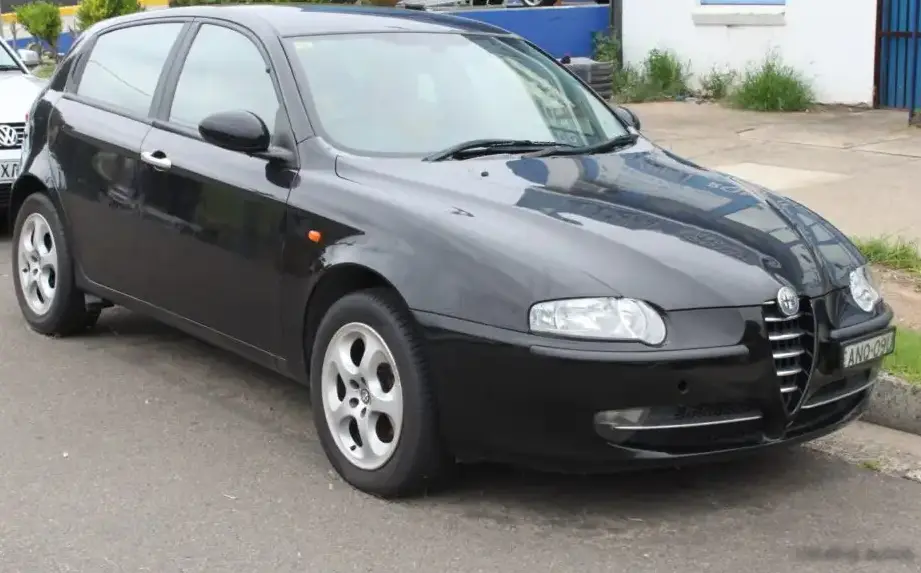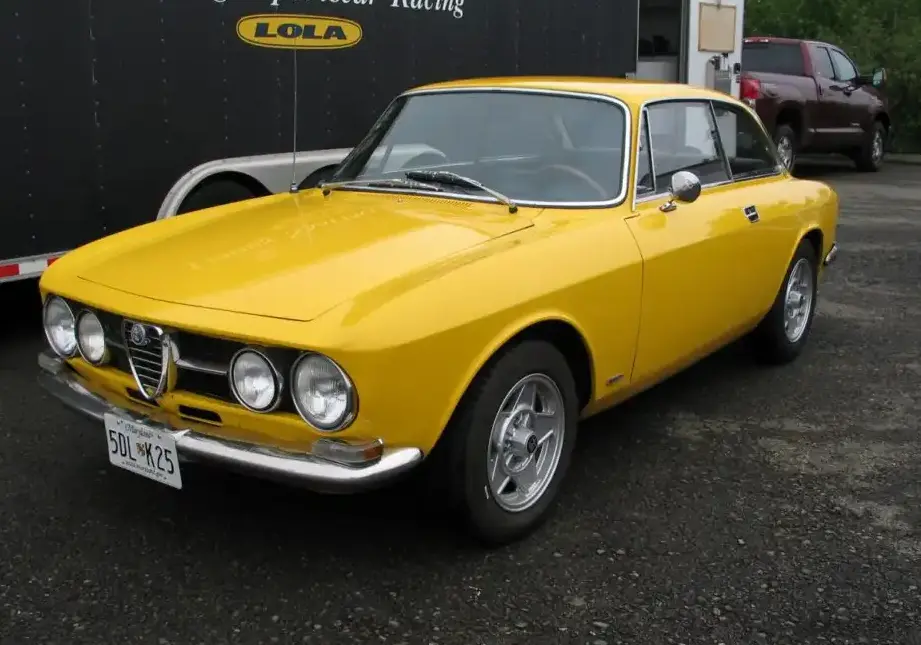
The Alfa Romeo GT 1600, produced between 1972 and 1977, represents a pivotal point in the evolution of the classic Alfa Romeo GT series. This variant, powered by a 1.6-liter engine producing 103 horsepower, occupied a significant middle ground within the GT lineup, offering a balance between performance and affordability. It built upon the foundation laid by the earlier 1300 and 1750 models, refining the design and engineering while maintaining the sporty character that defined the GT. The GT itself, designed by Giorgetto Giugiaro, was a 2+2 coupe intended to be a more accessible and practical alternative to the more expensive and focused Giulia models.
Technical Specifications
| Brand | Alfa Romeo |
| Model | GT |
| Generation | GT |
| Type (Engine) | 1600 (103 Hp) |
| Start of Production | 1972 |
| End of Production | 1977 |
| Powertrain Architecture | Internal Combustion Engine |
| Body Type | Coupe |
| Fuel Type | Petrol (Gasoline) |
| Power | 103 Hp |
| Engine Aspiration | Naturally Aspirated |
| Engine Oil Capacity | 6.5 l (6.87 US qt | 5.72 UK qt) |
Powertrain & Engine Architecture
The heart of the GT 1600 is its 1570cc, inline-four cylinder engine. This engine, internally designated as the 105.40, is a naturally aspirated unit featuring a cast iron block and an aluminum cylinder head. It utilizes a belt-driven, single overhead camshaft (SOHC) valvetrain operating two valves per cylinder. Fuel delivery is managed by a Weber 32 DCOF carburetor, a common setup for Alfa Romeo engines of this era. The carburetor’s tuning was crucial for achieving optimal performance and driveability. The engine’s design emphasized a relatively high compression ratio (typically around 9.0:1) for the time, contributing to its spirited performance. The GT 1600 was typically paired with a four-speed manual transmission, although a five-speed manual and a three-speed automatic were available as options, though less common. The automatic transmission, while offering convenience, noticeably impacted the car’s acceleration and overall driving experience.
Driving Characteristics
The GT 1600, with its 103 horsepower and approximately 106 lb-ft of torque, offered a respectable level of performance for the early 1970s. Acceleration from 0 to 60 mph was typically achieved in around 10-11 seconds, depending on the transmission and final drive ratio. The four-speed manual transmission provided a direct and engaging driving experience, allowing the driver to fully exploit the engine’s powerband. The automatic transmission, while smoother, resulted in slower acceleration and a less connected feel. The car’s relatively light weight (around 2,200 lbs) contributed to its nimble handling. The GT 1600’s suspension, featuring independent front suspension with double wishbones and a live axle with trailing arms at the rear, provided a comfortable yet sporty ride. The steering, while not power-assisted in most cases, was direct and communicative, enhancing the driver’s confidence. Compared to the 1750 GT, the 1600 offered less outright power, but it was generally considered more tractable and easier to drive in everyday conditions. The 1300 GT, on the other hand, was even more economical but lacked the 1600’s punch.
Equipment & Trim Levels
The GT 1600 was generally well-equipped for its price point. Standard features included comfortable cloth seats, a wood-rimmed steering wheel, and a comprehensive instrument panel with gauges for speed, tachometer, oil pressure, water temperature, and fuel level. Interior trim was typically executed in a combination of vinyl and cloth, with a focus on durability and comfort. Optional extras included leather upholstery, a sunroof, and upgraded audio systems. The exterior trim was relatively understated, with chrome bumpers and brightwork adding a touch of elegance. The GT 1600 was available in a range of colors, including classic Alfa Romeo shades like Rosso Corsa (red) and Bianco (white). The trim level was largely consistent across the 1600 models, with options being the primary differentiator.
Chassis & Braking
The Alfa Romeo GT 1600 utilized a monocoque steel chassis, providing a strong and rigid platform. The suspension system, as mentioned previously, consisted of independent front suspension with double wishbones, coil springs, and anti-roll bar, and a live axle with trailing arms, coil springs, and a limited-slip differential at the rear. Braking was initially accomplished with Dunlop disc brakes on all four wheels, providing excellent stopping power for the time. Later models sometimes featured rear drum brakes to reduce production costs. The braking system was hydraulic, with dual-circuit master cylinder for added safety. The car’s wheels were typically steel rims with chrome hubcaps, although alloy wheels were available as an option.
Market Reception & Comparison
The Alfa Romeo GT 1600 was generally well-received by automotive critics and enthusiasts. It was praised for its stylish design, engaging driving dynamics, and relatively affordable price. Compared to its siblings, the 1600 offered a compelling balance between performance and practicality. The 1750 GT, while more powerful, was also more expensive and less fuel-efficient. The 1300 GT was more economical but lacked the 1600’s performance. Fuel economy for the GT 1600 was typically around 22-25 mpg, which was reasonable for a sports coupe of its era. Reliability was generally good, although Alfa Romeos of this period were known for requiring regular maintenance. The GT 1600’s relatively simple mechanical design made it easier to maintain than some of its more complex competitors.
Legacy
The Alfa Romeo GT 1600 remains a highly sought-after classic car today. Its timeless design, engaging driving dynamics, and relative rarity have contributed to its enduring appeal. The 105.40 engine, while not the most powerful engine in the Alfa Romeo lineup, is known for its durability and responsiveness. Well-maintained examples of the GT 1600 can command significant prices in the used car market. The car’s legacy extends beyond its aesthetic and performance qualities; it represents a golden age of Italian automotive design and engineering. Finding parts can sometimes be a challenge, but a dedicated network of Alfa Romeo enthusiasts and specialists ensures that these cars can be kept on the road for years to come. The GT 1600 stands as a testament to Alfa Romeo’s commitment to building passionate, driver-focused automobiles.