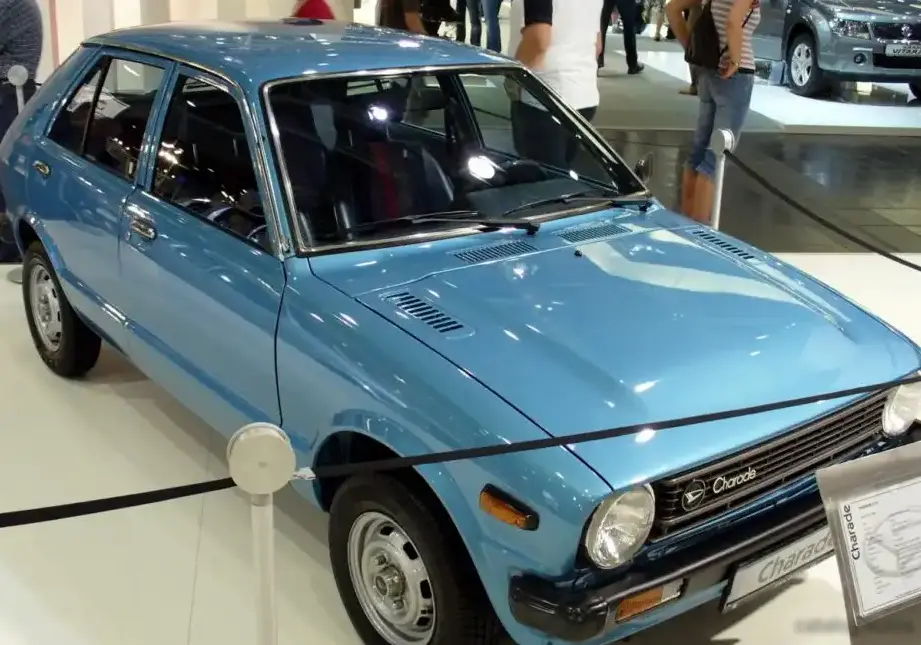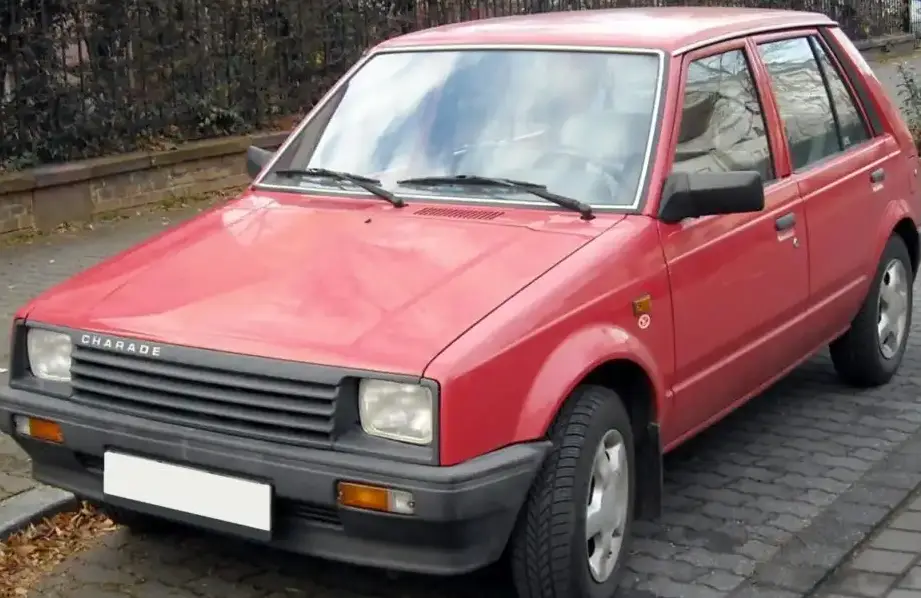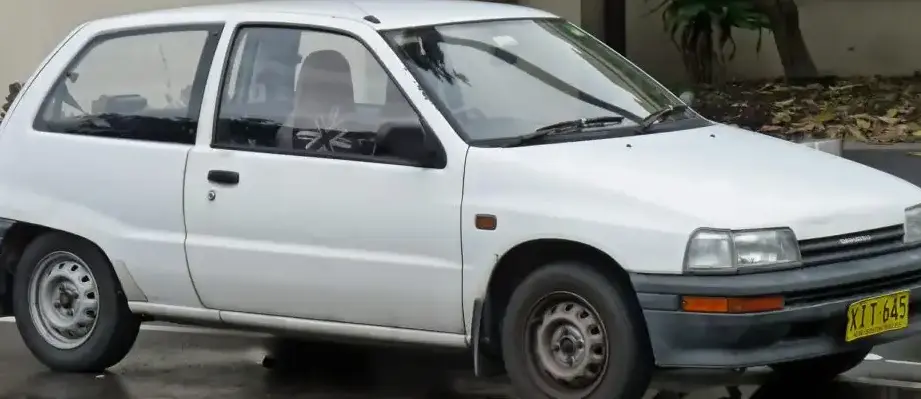
The Daihatsu Charade III 1.0 GTi (G100), produced between 1987 and 1992, represents a spirited and relatively rare variant of the third-generation Charade. Positioned as the performance-oriented model within the Charade lineup, the GTi aimed to offer a fun-to-drive experience in a compact and economical package. This generation of Charade, known internally as the G100 series, was a significant step forward for Daihatsu, offering improved styling, interior space, and mechanical refinement compared to its predecessors. The GTi, with its 101 horsepower engine, was intended to appeal to buyers seeking a small car with a bit more zest than the standard models.
Technical Specifications
| Brand | Daihatsu |
| Model | Charade |
| Generation | Charade III |
| Type (Engine) | 1.0 GTi (G100) (101 Hp) |
| Start of production | 1987 |
| End of production | 1992 |
| Powertrain Architecture | Internal Combustion engine |
| Body type | Hatchback |
| Fuel Type | Petrol (Gasoline) |
| Power | 101 Hp |
| Engine aspiration | Naturally aspirated engine |
Powertrain & Engine Architecture
The heart of the Charade 1.0 GTi is its 998cc (60.8 cubic inch) three-cylinder engine, designated as the HB10. This engine, while small in displacement, was notable for its relatively high output of 101 horsepower at 6,000 rpm, and 68 lb-ft of torque at 4,800 rpm. This was achieved through a combination of factors, including a high compression ratio (9.5:1), a multi-point fuel injection system, and a carefully tuned exhaust system. The HB10 engine featured a single overhead camshaft (SOHC) operating four valves per cylinder. The engine block was constructed from cast iron, while the cylinder head was aluminum, contributing to a relatively lightweight design.
The GTi was typically paired with a five-speed manual transmission, although a three-speed automatic transmission was also available, albeit less common. The automatic transmission, while offering convenience, noticeably impacted the car’s acceleration and overall driving experience. The manual transmission featured a relatively short throw, contributing to a more engaging driving feel. The drivetrain was front-wheel drive, a standard configuration for cars in this class.
Driving Characteristics
The Charade 1.0 GTi, particularly in manual form, offered surprisingly nimble handling. Its lightweight construction – typically around 1,650 lbs (750 kg) – and relatively short wheelbase contributed to a responsive and agile feel. The 101 horsepower engine, while not overwhelming, provided sufficient power for spirited driving on winding roads. Acceleration from 0 to 60 mph was estimated to be around 9.5 seconds, which was competitive for a car of its size and price point in the late 1980s and early 1990s. The three-speed automatic transmission, however, dulled the performance somewhat, increasing the 0-60 mph time to around 11-12 seconds. The automatic also resulted in higher engine speeds during highway cruising, impacting fuel economy and refinement.
The suspension consisted of MacPherson struts at the front and a torsion beam axle at the rear. This setup provided a reasonable balance between ride comfort and handling, although it wasn’t as sophisticated as the independent suspension systems found on some of its rivals. Steering was rack-and-pinion, offering precise and direct feel.
Equipment & Trim Levels
The Charade 1.0 GTi was generally better equipped than the base models. Standard features typically included power steering, a tachometer, upgraded interior trim, and alloy wheels. The interior featured cloth upholstery, and the dashboard layout was functional and straightforward. Optional extras could include a sunroof, upgraded audio system, and central locking. The GTi trim also featured subtle exterior styling enhancements, such as a rear spoiler and unique badging. The interior, while basic by modern standards, was well-built and durable.
Chassis & Braking
The Charade III utilized a monocoque chassis construction, providing a good level of structural rigidity for its size. The front brakes were disc brakes, while the rear brakes were typically drum brakes. This configuration was common for cars in this price range at the time. The GTi models often featured slightly larger diameter tires than the standard Charades, improving grip and handling. The suspension was tuned to provide a balance between comfort and handling, with slightly stiffer springs and dampers compared to the base models. A stabilizer bar was fitted to the front suspension to reduce body roll during cornering.
Market Reception & Comparison
The Daihatsu Charade 1.0 GTi was generally well-received by automotive critics, who praised its lively performance, nimble handling, and affordability. It was often compared to other small, sporty hatchbacks of the era, such as the Suzuki Swift GTi and the Nissan Micra. The Charade GTi offered a compelling combination of performance and economy, making it an attractive option for buyers seeking a fun-to-drive car that wouldn’t break the bank. However, some critics noted that the interior was somewhat basic and that the engine could be a bit noisy at high speeds. The automatic transmission version was often criticized for its sluggish performance and reduced fuel economy compared to the manual.
Compared to the standard Charade models, the GTi offered a significant performance upgrade. The base models typically featured a 1.0-liter engine with around 50-60 horsepower, making them considerably slower and less engaging to drive. The GTi’s higher output and sport-tuned suspension made it a much more enjoyable car for enthusiasts.
Legacy
The Daihatsu Charade III 1.0 GTi has developed a cult following among enthusiasts, particularly those who appreciate its lightweight design, lively engine, and affordable price. The HB10 engine, while not known for its longevity, is relatively simple to maintain and repair. Parts availability can be a challenge in some markets, but a dedicated community of Charade owners helps to keep these cars on the road. Today, well-maintained examples of the Charade 1.0 GTi are becoming increasingly collectible, and prices have been steadily rising. The car represents a unique and enjoyable piece of automotive history, offering a glimpse into a time when small, lightweight cars were prioritized for fun and agility. The manual transmission versions are generally more sought after due to their superior performance and driving experience.