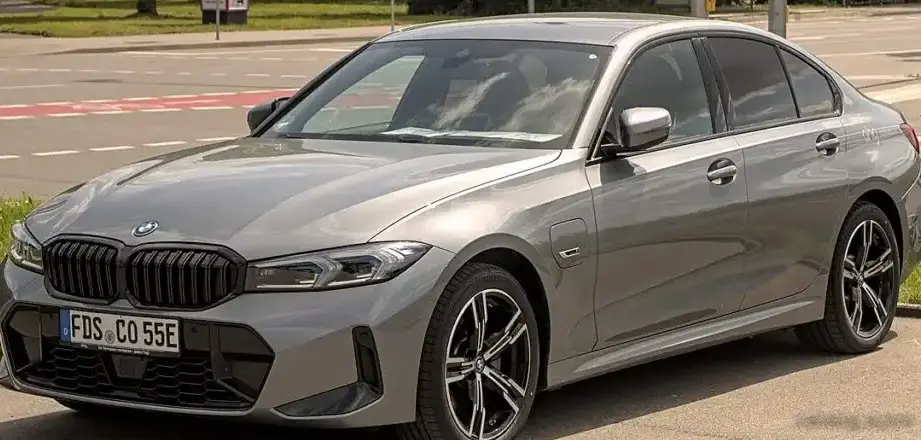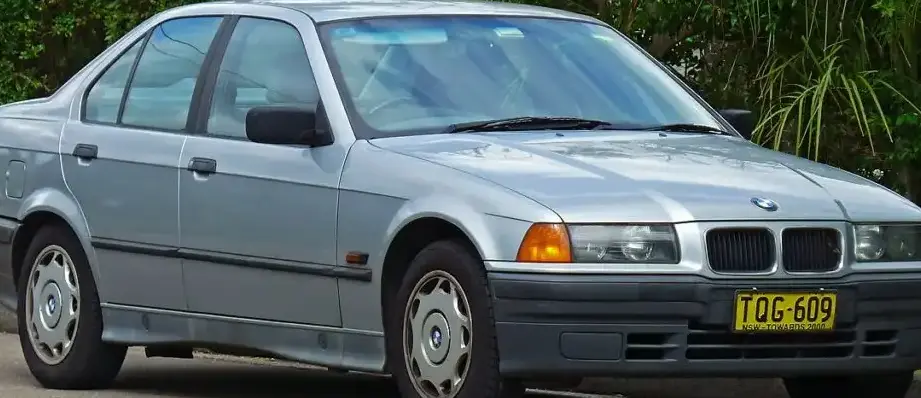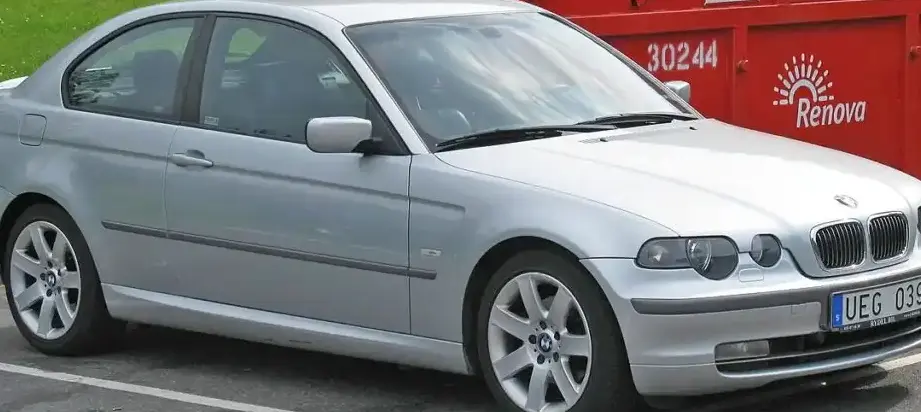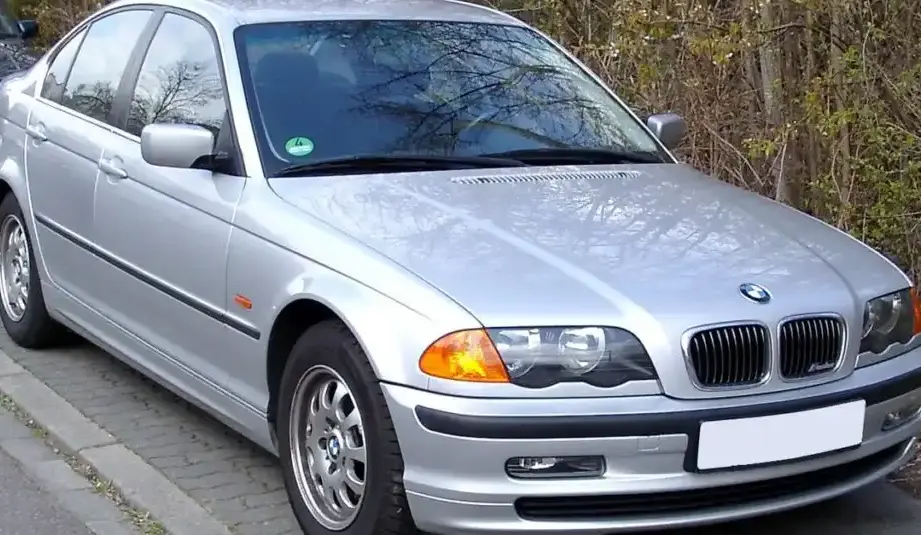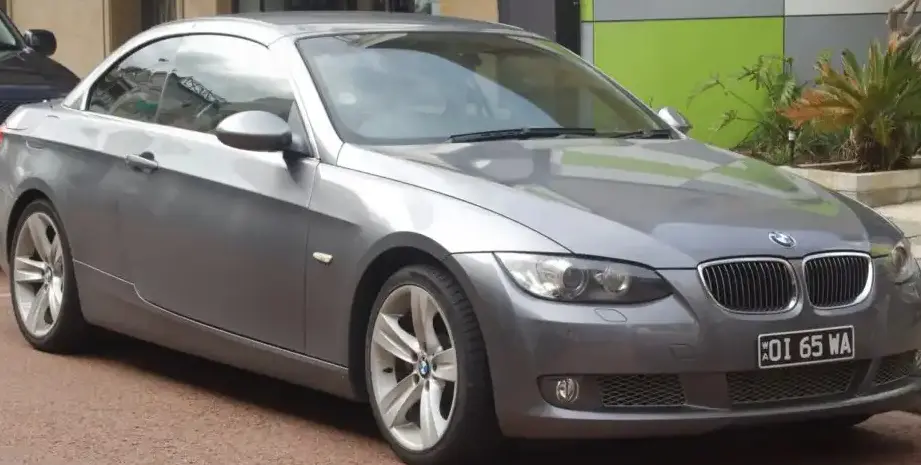
The BMW 3 Series Convertible (E93) 320d Steptronic, produced from 2007 to 2010, represented a compelling entry point into the premium open-top market. Positioned as the diesel-powered variant within the E93 range, it offered a blend of fuel efficiency, respectable performance, and the cachet of the BMW brand. This model occupied the lower-mid range of the E93 lineup, sitting below the more powerful 335d and gasoline-powered 320i, 325i, and 335i models. It was primarily aimed at buyers seeking a stylish convertible with lower running costs than its petrol counterparts, particularly in European markets where diesel fuel was more prevalent and economically advantageous.
Technical Specifications
| Brand | BMW |
| Model | 3 Series |
| Generation | 3 Series Convertible (E93) |
| Type (Engine) | 320d (177 Hp) Steptronic |
| Start of production | 2007 |
| End of production | 2010 |
| Powertrain Architecture | Internal Combustion engine |
| Body type | Cabriolet |
| Seats | 4 |
| Doors | 2 |
| Fuel consumption (urban) | 7.7 l/100 km (30.5 US mpg) |
| Fuel consumption (extra urban) | 5 l/100 km (47 US mpg) |
| Fuel consumption (combined) | 6 l/100 km (39.2 US mpg) |
| CO2 emissions | 157 g/km |
| Fuel Type | Diesel |
| Emission standard | Euro 4 |
| Power | 177 Hp @ 4000 rpm |
| Torque | 350 Nm @ 1750 rpm (258.15 lb.-ft. @ 1750 rpm) |
| Engine layout | Front, Longitudinal |
| Engine Model/Code | N47D20C |
| Engine displacement | 1995 cm3 (121.74 cu. in.) |
| Number of cylinders | 4 |
| Engine configuration | Inline |
| Cylinder Bore | 84 mm (3.31 in.) |
| Piston Stroke | 90 mm (3.54 in.) |
| Compression ratio | 17:1 |
| Number of valves per cylinder | 4 |
| Fuel injection system | Diesel Commonrail |
| Engine aspiration | Turbocharger, Intercooler |
| Engine oil capacity | 5.2 l (5.49 US qt | 4.58 UK qt) |
| Coolant | 7.9 l (8.35 US qt | 6.95 UK qt) |
| Trunk (boot) space (minimum) | 210 l (7.42 cu. ft.) |
| Trunk (boot) space (maximum) | 350 l (12.36 cu. ft.) |
| Fuel tank capacity | 63 l (16.64 US gal | 13.86 UK gal) |
| Length | 4580 mm (180.31 in.) |
| Width | 1782 mm (70.16 in.) |
| Width including mirrors | 1985 mm (78.15 in.) |
| Height | 1384 mm (54.49 in.) |
| Wheelbase | 2760 mm (108.66 in.) |
| Front track | 1500 mm (59.06 in.) |
| Rear track | 1513 mm (59.57 in.) |
| Front overhang | 771 mm (30.35 in.) |
| Rear overhang | 1049 mm (41.3 in.) |
| Ride height (ground clearance) | 143 mm (5.63 in.) |
| Drag coefficient (Cd) | 0.28 |
| Drivetrain Architecture | Rear wheel drive |
| Number of gears and type of gearbox | 6 gears, automatic transmission |
| Front brakes | Ventilated discs |
| Rear brakes | Disc |
| Tires size | 225/45 R17 |
| Wheel rims size | 17 |
Powertrain & Engine Architecture
The heart of the E93 320d Steptronic is the N47D20C, a 2.0-liter inline-four cylinder diesel engine. This engine was a significant step forward for BMW, incorporating common-rail direct injection, a variable geometry turbocharger, and four valves per cylinder. The common-rail system, operating at extremely high pressures, allowed for precise fuel metering and optimized combustion. The turbocharger, with its variable geometry vanes, provided a broad torque curve and minimized turbo lag. The N47 engine family was known for its efficiency and relatively quiet operation for a diesel. The Steptronic transmission is a 6-speed automatic gearbox, offering smooth shifts and a torque converter for enhanced drivability. It was programmed to prioritize fuel economy and comfort, rather than outright performance.
Driving Characteristics
The 177 horsepower and 350 Nm (258 lb-ft) of torque delivered by the 320d Steptronic provided adequate, though not exhilarating, performance. Acceleration from 0 to 60 mph took around 8.2 seconds. The automatic transmission, while smooth, did slightly diminish the engine’s responsiveness compared to the available manual gearbox. The gear ratios were tuned for fuel efficiency, meaning the engine often operated at lower RPMs during cruising. This contributed to a relaxed driving experience, but could sometimes feel strained when needing to accelerate quickly. Compared to the 325i or 335i, the 320d lacked the punch and responsiveness of the gasoline engines, but it offered significantly better fuel economy.
Equipment & Trim Levels
The 320d Steptronic typically came standard with features such as automatic climate control, power windows and mirrors, a multi-function steering wheel, and a basic audio system. Upholstery was usually cloth, though leather options were available. Optional extras included a premium sound system, navigation system, sport seats, and parking sensors. The convertible top was a fully automatic retractable hardtop, offering good insulation and security when raised. Trim levels were relatively simple, with options packages allowing buyers to customize their vehicle. The Sport package added aesthetic enhancements like sport seats and unique alloy wheels.
Chassis & Braking
The E93 320d utilized a MacPherson strut front suspension and a multi-link rear suspension. The suspension was tuned for a balance of comfort and handling. Brakes consisted of ventilated discs at the front and solid discs at the rear. ABS (Anti-lock Braking System) was standard. The 320d, being a diesel variant, was slightly heavier than its gasoline counterparts, which influenced the suspension setup to provide adequate control and stability. Stabilizer bars were fitted front and rear to reduce body roll during cornering.
Market Reception & Comparison
The E93 320d Steptronic was generally well-received by automotive critics, particularly for its fuel efficiency and comfortable ride. It was often praised as a practical and stylish convertible option. However, some reviewers noted that the performance was not as engaging as that of the gasoline-powered models. Compared to the 320d with a manual transmission, the Steptronic version offered greater convenience but slightly reduced fuel economy and a less direct driving experience. Against competitors like the Audi A3 Cabriolet and Mercedes-Benz CLC, the 320d offered a compelling combination of performance, luxury, and fuel efficiency.
Legacy
The N47 engine family, including the N47D20C found in the 320d, proved to be generally reliable, although early versions were known for potential timing chain issues. Proper maintenance, including regular oil changes and timing chain inspections, is crucial for long-term reliability. Today, the E93 320d Steptronic represents an affordable entry point into BMW convertible ownership. Well-maintained examples are still relatively common on the used car market, offering a stylish and economical open-top driving experience. The combination of a diesel engine and automatic transmission makes it a practical choice for those seeking a comfortable and fuel-efficient convertible for everyday use.