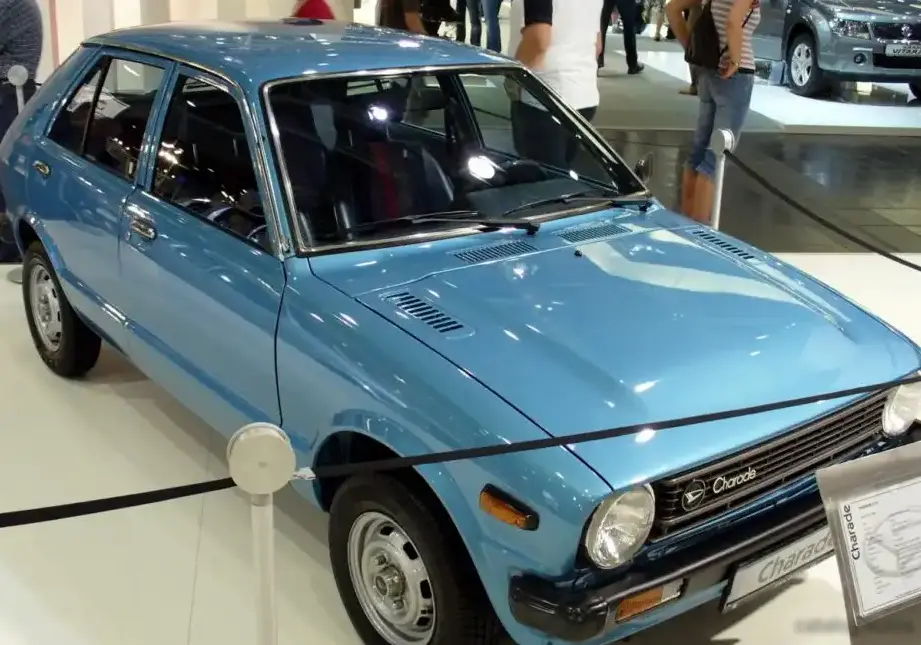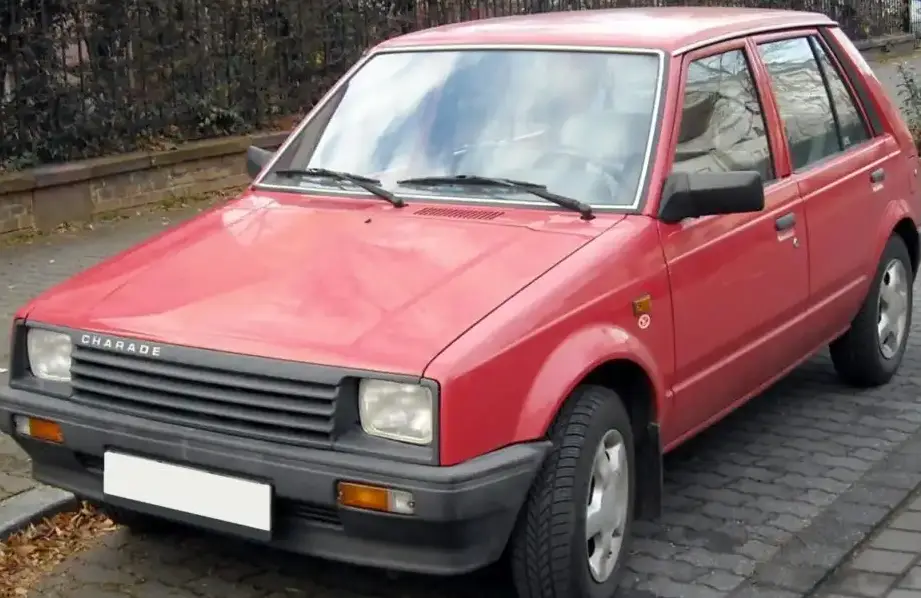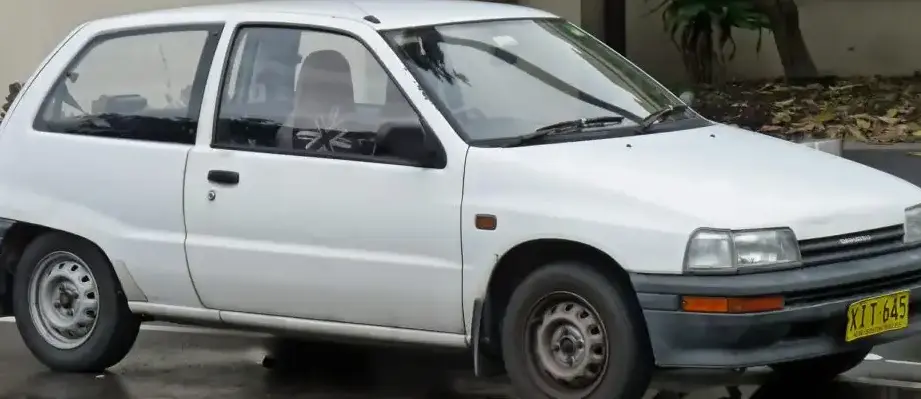
The Daihatsu Charade III 1.0 TD (G101), produced between 1987 and 1992, represents a unique offering within the third generation of the Charade. This variant, powered by a turbocharged diesel engine, was primarily aimed at European markets where fuel efficiency and low running costs were highly valued. While the Charade was generally known as an affordable and compact city car, the 1.0 TD distinguished itself with its surprising torque and economy, albeit with modest power output. It occupied a niche position in the Charade lineup, offering a diesel alternative to the more common petrol-powered models.
Technical Specifications
| Brand | Daihatsu |
| Model | Charade |
| Generation | Charade III |
| Type (Engine) | 1.0 TD (G101) (48 Hp) |
| Start of Production | 1987 |
| End of Production | 1992 |
| Powertrain Architecture | Internal Combustion Engine |
| Body Type | Hatchback |
| Fuel Type | Diesel |
| Power | 48 Hp |
| Engine Model/Code | CL 61 |
| Engine Aspiration | Turbocharger |
Powertrain & Engine Architecture
The heart of the Charade III 1.0 TD is the CL61 engine, a 998cc inline-three cylinder diesel engine. What sets this engine apart is its use of a turbocharger, a relatively uncommon feature for engines of this size and displacement in the late 1980s. The turbocharger significantly boosts torque output, compensating for the engine’s limited horsepower. The CL61 utilizes indirect fuel injection, a common practice for diesel engines of the era, employing a Bosch rotary injection pump. This system delivers fuel into the pre-chamber, where it is partially combusted before entering the main combustion chamber. This design aids in smoother combustion and reduced engine noise, although it’s less efficient than direct injection systems found in later diesel engines. The engine features a single overhead camshaft operating two valves per cylinder. The turbocharger itself is a small unit, designed to provide boost across a relatively narrow RPM range, prioritizing low-end torque for everyday driving. The transmission paired with the CL61 engine is typically a four-speed automatic, chosen to enhance ease of use and appeal to drivers prioritizing comfort over sporty performance.
Driving Characteristics
The driving experience in the Charade III 1.0 TD is defined by its practicality and fuel economy rather than outright speed. With only 48 horsepower, acceleration is modest, and overtaking requires careful planning. However, the turbocharged diesel engine delivers a surprisingly strong amount of torque for its size, particularly in the lower and mid-range RPMs. This makes it well-suited for navigating city streets and tackling gentle inclines. The four-speed automatic transmission, while providing convenience, isn’t particularly quick-shifting, and its gear ratios are optimized for fuel efficiency rather than performance. Compared to the petrol-powered Charades, the 1.0 TD offers significantly better fuel economy, but at the expense of responsiveness. The manual transmission versions of the 1.0 TD, when available, offered a more engaging driving experience, allowing drivers to better utilize the engine’s torque band. The suspension is tuned for comfort, providing a reasonably smooth ride on most road surfaces, but it’s not particularly sporty or engaging.
Equipment & Trim Levels
The Charade III 1.0 TD typically came with a fairly basic level of equipment, reflecting its position as an affordable economy car. Standard features generally included cloth upholstery, a basic instrument cluster, and manual windows and door locks. Power steering was often an optional extra, as were features like a radio/cassette player. The interior design is functional and straightforward, prioritizing practicality over luxury. Trim levels varied depending on the market, but generally, the 1.0 TD was offered in a single, relatively well-equipped trim. Optional extras could include upgraded seat fabrics, a sunroof, and central locking. The exterior styling remained consistent across the Charade III range, with the 1.0 TD distinguished only by subtle badging indicating its diesel engine.
Chassis & Braking
The Charade III utilizes a front-engine, front-wheel-drive layout. The suspension consists of MacPherson struts at the front and a torsion beam axle at the rear. This setup provides a reasonable balance between ride comfort and handling. The braking system on most Charade III 1.0 TD models features disc brakes at the front and drum brakes at the rear. This configuration was common for cars in this price range during the late 1980s and early 1990s. The brakes are adequate for normal driving conditions, but they lack the stopping power of more modern braking systems. The steering is typically unassisted or features hydraulic power assistance, depending on the trim level. The chassis is relatively lightweight, contributing to the car’s fuel efficiency and nimble handling.
Market Reception & Comparison
The Daihatsu Charade III 1.0 TD was generally well-received in European markets as a practical and economical city car. Critics praised its fuel efficiency and low running costs, but noted its modest performance. Compared to the petrol-powered Charades, the 1.0 TD offered significantly better fuel economy, making it an attractive option for drivers who covered high mileage. However, the petrol versions were generally considered more enjoyable to drive due to their quicker acceleration and more responsive engines. Compared to other small diesel cars of the era, such as the Fiat Uno Diesel, the Charade 1.0 TD offered a similar level of practicality and economy, but with a slightly more refined driving experience. Reliability was generally good, although the turbocharger could be a potential source of maintenance issues if not properly maintained.
Legacy
The Daihatsu Charade III 1.0 TD, while not a high-performance vehicle, holds a unique place in the Charade lineage. It demonstrated Daihatsu’s willingness to experiment with diesel technology and offer fuel-efficient alternatives to petrol-powered cars. Today, the Charade III 1.0 TD is a relatively rare sight on the roads, and well-maintained examples are becoming increasingly sought after by collectors and enthusiasts. The CL61 engine, while simple in design, is known for its durability and relatively straightforward maintenance. However, finding spare parts can be challenging due to the car’s age and limited production numbers. The 1.0 TD remains a testament to the era of small, economical cars that prioritized fuel efficiency and practicality over outright performance, and it continues to appeal to those seeking a unique and affordable classic car.