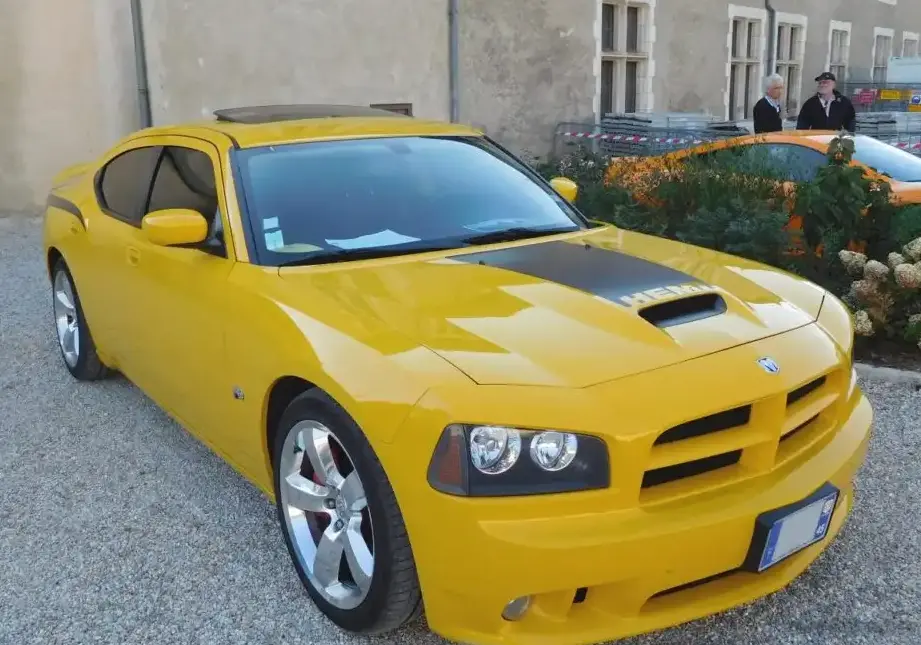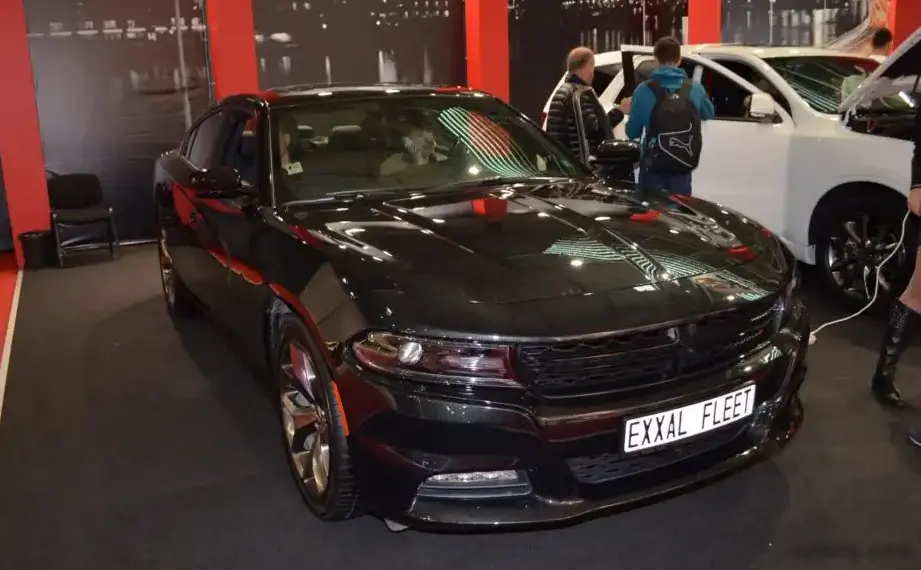
The Dodge Charger VII (LD), specifically the SE 3.6 Pentastar V6 Automatic variant produced from 2015 to 2017, represented a key entry point into the full-size American sedan market. This iteration of the Charger, a facelift of the LD generation introduced in 2011, aimed to blend performance, space, and modern technology. Positioned as the base model, the SE 3.6 offered a compelling package for buyers seeking a powerful, rear-wheel-drive sedan without the premium price tag of higher trims like the R/T or Scat Pack. It was built on the Chrysler LX platform, shared with other Chrysler, Dodge, and Jeep vehicles, and played a significant role in reviving the Charger nameplate as a four-door muscle car.
Technical Specifications
| Brand | Dodge |
| Model | Charger |
| Generation | Charger VII (LD, facelift 2015) |
| Type (Engine) | SE 3.6 Pentastar V6 (292 Hp) Automatic |
| Start of production | 2015 |
| End of production | 2017 |
| Powertrain Architecture | Internal Combustion engine |
| Body type | Sedan |
| Seats | 5 |
| Doors | 4 |
| Fuel consumption (urban) | 12.4 l/100 km (19 US mpg, 22.8 UK mpg, 8.1 km/l) |
| Fuel consumption (extra urban) | 7.6 l/100 km (30.9 US mpg, 37.2 UK mpg, 13.2 km/l) |
| Fuel consumption (combined) | 10.2 l/100 km (23.1 US mpg, 27.7 UK mpg, 9.8 km/l) |
| Fuel Type | Petrol (Gasoline) |
| Weight-to-power ratio | 6.1 kg/Hp, 163.6 Hp/tonne |
| Weight-to-torque ratio | 5.1 kg/Nm, 197.8 Nm/tonne |
| Power | 292 Hp @ 6350 rpm |
| Power per litre | 81 Hp/l |
| Torque | 353 Nm @ 4800 rpm (260.36 lb.-ft. @ 4800 rpm) |
| Engine layout | Front, Longitudinal |
| Engine Model/Code | ERB |
| Engine displacement | 3604 cm3 (219.93 cu. in.) |
| Number of cylinders | 6 |
| Engine configuration | V-engine |
| Cylinder Bore | 96 mm (3.78 in.) |
| Piston Stroke | 83 mm (3.27 in.) |
| Compression ratio | 10.2:1 |
| Number of valves per cylinder | 4 |
| Fuel injection system | Multi-port manifold injection |
| Engine aspiration | Naturally aspirated engine |
| Valvetrain | DOHC |
| Engine oil capacity | 5.6 l (5.92 US qt | 4.93 UK qt) |
| Coolant | 9.5 l (10.04 US qt | 8.36 UK qt) |
| Kerb Weight | 1785-1795 kg (3935.25 – 3957.3 lbs.) |
| Trunk (boot) space | 467 l (16.49 cu. ft.) |
| Fuel tank capacity | 70 l (18.49 US gal | 15.4 UK gal) |
| Permitted trailer load without brakes | 454 kg (1000.9 lbs.) |
| Length | 5040 mm (198.43 in.) |
| Width | 1905 mm (75 in.) |
| Height | 1479 mm (58.23 in.) |
| Wheelbase | 3052 mm (120.16 in.) |
| Front track | 1610 mm (63.39 in.) |
| Rear track | 1620 mm (63.78 in.) |
| Ride height (ground clearance) | 124 mm (4.88 in.) |
| Drag coefficient (Cd) | 0.30 |
| Minimum turning circle | 11.5 m (37.73 ft.) |
| Drivetrain Architecture | Rear wheel drive |
| Number of gears | 8 |
| Gearbox type | Automatic transmission |
| Front suspension | Wishbone |
| Rear suspension | Independent multi-link suspension |
| Front brakes | Ventilated discs |
| Rear brakes | Disc |
| Assisting systems | ABS (Anti-lock braking system) |
| Steering type | Steering rack and pinion |
| Tires size | 215/65 R17 |
| Wheel rims size | 7J x 17 |
Powertrain & Engine Architecture
The heart of the Charger SE was the 3.6-liter Pentastar V6 engine, designated as the ERB code. This engine was a staple of Chrysler’s lineup, known for its relatively smooth operation and decent power output. The Pentastar featured a 60-degree V-angle, dual overhead camshafts (DOHC) with four valves per cylinder, and a multi-port fuel injection system. This configuration allowed for good volumetric efficiency and a broad torque curve. The 10.2:1 compression ratio further contributed to its performance. The engine’s output of 292 horsepower and 260 lb-ft of torque was respectable for a naturally aspirated V6 of this displacement. The eight-speed automatic transmission, sourced from ZF, was a key component of the powertrain. It provided smooth shifts and helped optimize fuel economy by keeping the engine in its optimal power band. The transmission’s gear ratios were tuned for a balance between acceleration and highway cruising.
Driving Characteristics
The Charger SE 3.6 Automatic offered a comfortable and capable driving experience. While not as exhilarating as the V8-powered R/T or Scat Pack models, it provided ample power for everyday driving and even some spirited acceleration. The eight-speed automatic transmission contributed to a relatively smooth and refined driving experience. The rear-wheel-drive layout provided a balanced feel, although it wasn’t as sporty as some competitors with all-wheel-drive systems. The gear ratios were optimized for both city and highway driving, with quick downshifts for passing maneuvers. Compared to the manual transmission option (available on other Charger trims), the automatic prioritized convenience and ease of use over outright performance. The 0-60 mph time was typically in the mid-6 second range, making it a competitive performer in its class.
Equipment & Trim Levels
The Charger SE served as the entry-level trim, and as such, came standard with a respectable array of features. Standard equipment typically included keyless entry, a touchscreen infotainment system with Bluetooth connectivity, a rearview camera, and basic cloth upholstery. Optional extras included upgraded audio systems, leather seats, a sunroof, and various driver-assistance features like blind-spot monitoring and rear cross-traffic alert. The interior design was functional and straightforward, with a focus on providing a comfortable and spacious cabin. The dashboard layout was relatively simple, with easy-to-use controls.
Chassis & Braking
The Charger SE utilized a robust chassis with a front wishbone suspension and an independent multi-link rear suspension. This setup provided a comfortable ride and decent handling characteristics. The SE trim typically came equipped with ventilated front discs and solid rear discs. The anti-lock braking system (ABS) was standard, providing enhanced stopping power and control. The suspension tuning was geared towards comfort, with a focus on absorbing bumps and providing a smooth ride. Stabilizer bars were included to reduce body roll during cornering, but they were typically smaller in diameter compared to those found on the higher-performance trims.
Market Reception & Comparison
The Charger SE 3.6 Automatic was generally well-received by critics as a solid value proposition. It offered a compelling combination of power, space, and features at a competitive price point. Fuel economy was considered adequate for a full-size sedan, although it wasn’t class-leading. Compared to the V6-powered Toyota Avalon or Nissan Maxima, the Charger offered a more muscular aesthetic and a rear-wheel-drive platform. However, it typically didn’t achieve the same level of fuel efficiency as its front-wheel-drive competitors. Reliability was generally good, although some owners reported minor issues with the infotainment system and electrical components.
Legacy
The 3.6-liter Pentastar V6 and eight-speed automatic transmission combination proved to be a reliable and durable powertrain. Used Charger SE models from this era remain relatively affordable and are often sought after by buyers looking for a spacious, comfortable, and reasonably powerful sedan. While not a collector’s item, the Charger SE 3.6 Automatic represents a significant chapter in the Charger’s revival, offering a modern take on the classic American muscle car formula. The powertrain, with proper maintenance, is known to exceed 150,000 miles without major issues, making it a practical choice in the used car market.