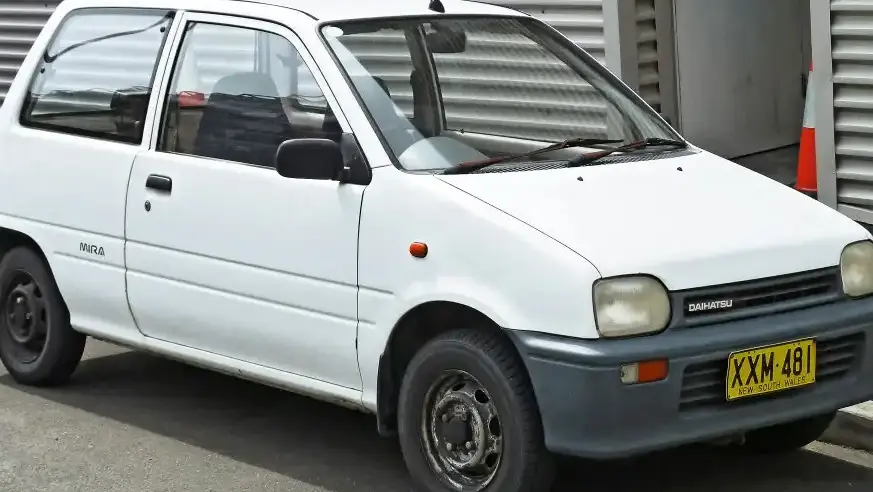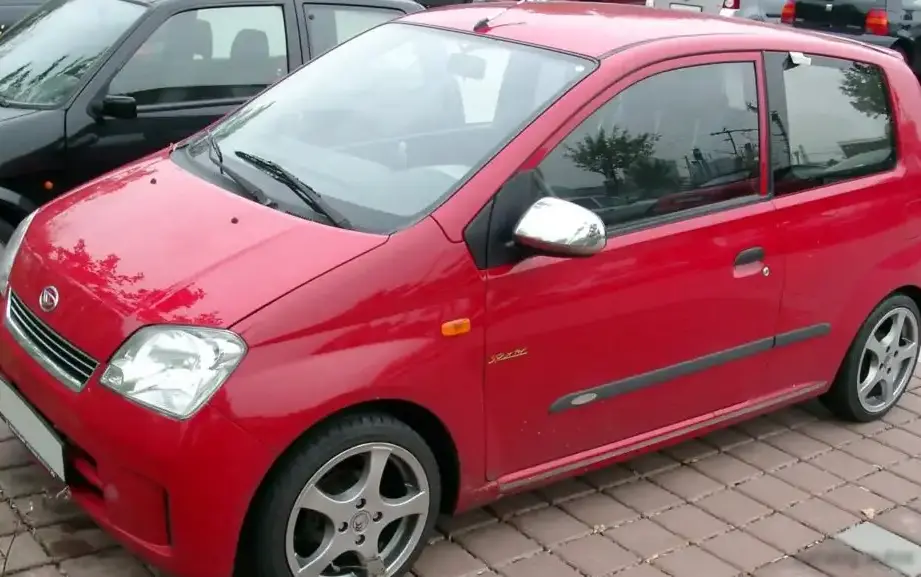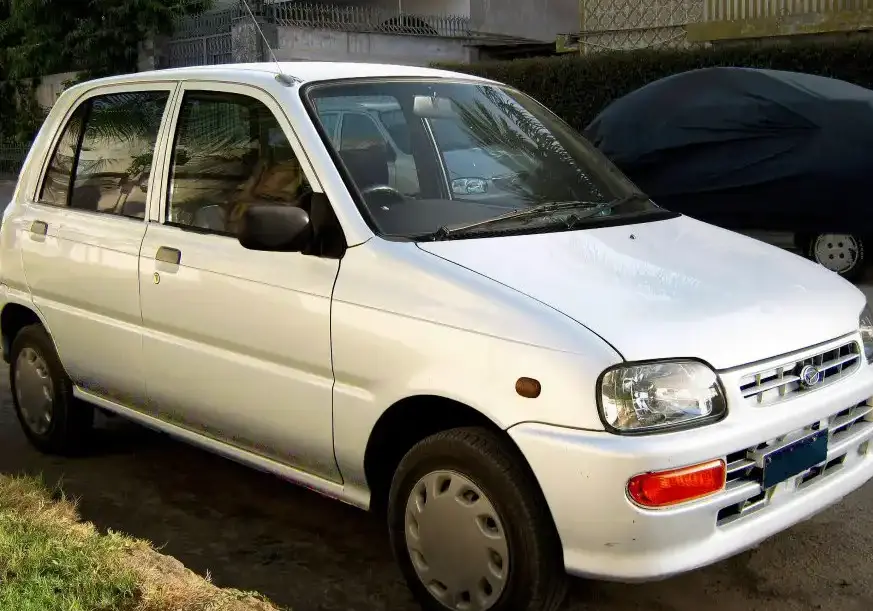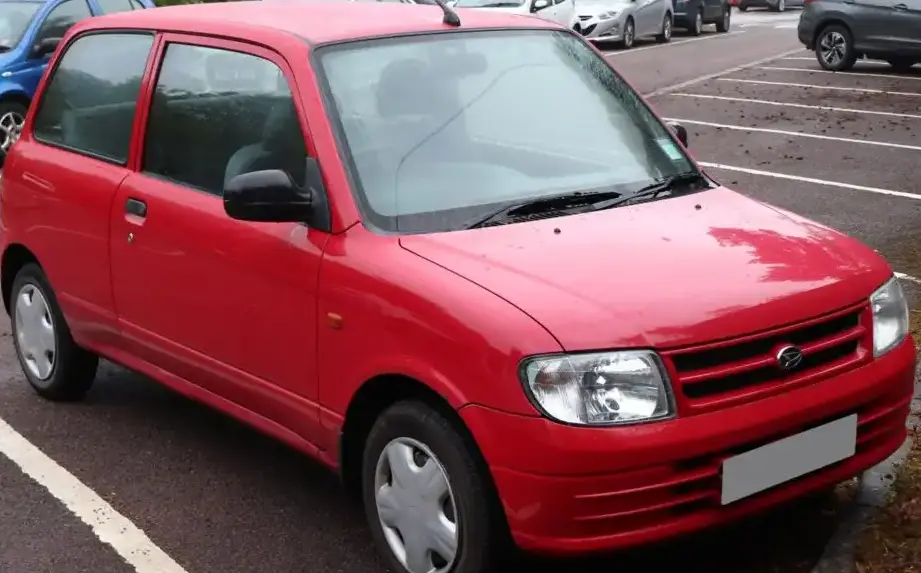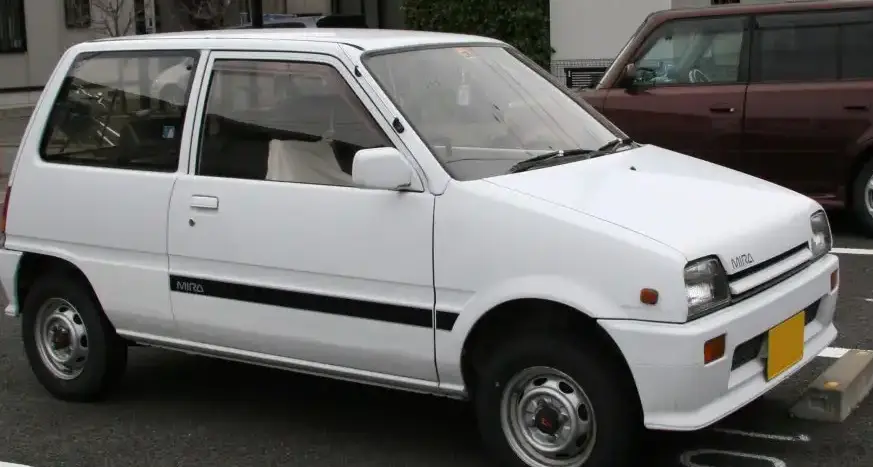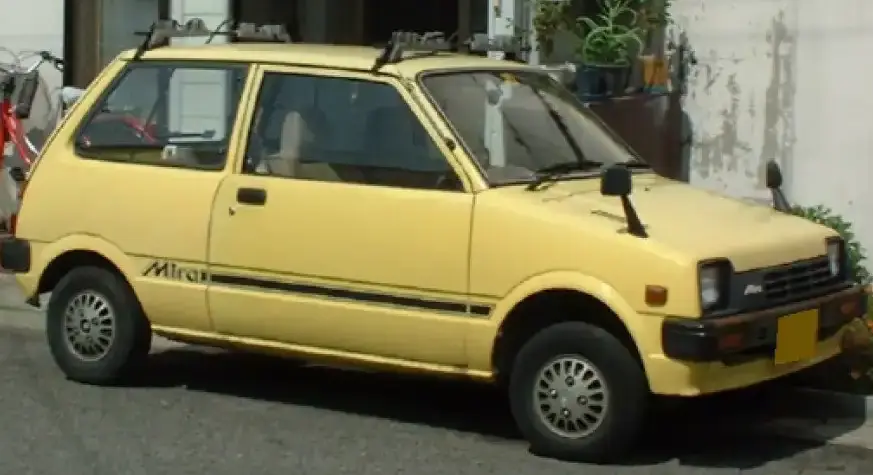
The Daihatsu Cuore, specifically the L60 variant equipped with the 0.6-liter engine producing 30 horsepower, represents an early example of the kei car class’s expansion beyond the Japanese domestic market. Produced between 1982 and 1985, this iteration of the Cuore (part of the L55/L60 generation) was aimed at providing affordable and efficient transportation, particularly in Europe where it was sold under various names including the Daihatsu Mira. It occupied the very entry-level position within the Cuore lineup, focusing on maximizing fuel economy and minimizing purchase price rather than performance.
Technical Specifications
| Brand | Daihatsu |
| Model | Cuore |
| Generation | Cuore (L55, L60) |
| Type (Engine) | 0.6 (L60) (30 Hp) |
| Start of Production | 1982 |
| End of Production | 1985 |
| Powertrain Architecture | Internal Combustion Engine |
| Body Type | Hatchback |
| Fuel Type | Petrol (Gasoline) |
| Power | 30 Hp |
| Engine Aspiration | Naturally Aspirated |
Introduction
The Daihatsu Cuore, launched in 1983, was Daihatsu’s response to the growing demand for small, fuel-efficient city cars. The L55 and L60 series represented the first generation of the Cuore, and were designed to be compact and lightweight. The L60, specifically, featured a slightly larger body and engine compared to the initial L55 models. This particular 0.6-liter variant was primarily targeted at markets outside Japan, where regulations weren’t as strict regarding kei car dimensions and engine displacement. It was a key model in establishing Daihatsu’s presence in Europe, offering a low-cost alternative to established European city cars.
Powertrain & Engine Architecture
The heart of the L60 Cuore was the Daihatsu EB01 0.6-liter three-cylinder, naturally aspirated gasoline engine. This engine, while incredibly small, was designed for durability and simplicity. It featured a single overhead camshaft (SOHC) valvetrain operating two valves per cylinder. Fuel delivery was managed by a carburetor, a common feature for vehicles of this era and price point. The carburetor system, while less precise than fuel injection, contributed to the engine’s simplicity and ease of maintenance. The engine’s modest 30 horsepower output was achieved at a relatively high engine speed, emphasizing fuel efficiency over outright acceleration. The engine was typically paired with a four-speed manual transmission, but a three-speed automatic transmission was also offered, albeit at a slight cost to performance and fuel economy. The automatic transmission was a simple, hydraulically controlled unit, designed for smooth but unhurried gear changes.
Driving Characteristics
The 0.6-liter Cuore with the automatic transmission was not designed for spirited driving. Acceleration was slow, and overtaking required careful planning. The three-speed automatic transmission had relatively wide gear ratios, prioritizing fuel economy over responsiveness. The car felt most comfortable at lower speeds, making it ideal for navigating congested city streets. The steering was light and easy, contributing to its maneuverability in tight spaces. The suspension, consisting of MacPherson struts at the front and a torsion beam axle at the rear, provided a reasonably comfortable ride, although it could become unsettled on rougher road surfaces. Compared to the manual transmission version, the automatic suffered a noticeable performance penalty, with slower acceleration and a slightly lower top speed. However, the convenience of the automatic made it a popular choice for drivers prioritizing ease of use.
Equipment & Trim Levels
The L60 Cuore 0.6 was a very basic vehicle, reflecting its low price point. Standard equipment typically included cloth upholstery, vinyl floor covering, and a simple dashboard with basic instrumentation – speedometer, fuel gauge, and temperature gauge. Power steering and air conditioning were not typically offered on this base model. Optional extras were limited, but could include a radio, upgraded seat upholstery, and occasionally, a sunroof. The interior was functional and utilitarian, designed for durability rather than luxury. The exterior trim was equally basic, with steel wheels, black plastic bumpers, and minimal chrome detailing. The focus was on providing a practical and affordable mode of transportation.
Chassis & Braking
The Cuore L60 featured a lightweight monocoque chassis, contributing to its overall fuel efficiency. The front suspension utilized MacPherson struts, providing a reasonable level of ride comfort and handling. The rear suspension employed a simple torsion beam axle, which was cost-effective and space-efficient. Braking was typically accomplished with drum brakes on all four wheels, a common feature for vehicles in this price range during the 1980s. The braking system was adequate for the car’s weight and performance, but lacked the stopping power of more modern disc brake systems. The steering was a recirculating ball system, providing light and easy steering feel, but lacking the precision of rack-and-pinion steering.
Market Reception & Comparison
The Daihatsu Cuore 0.6 was generally well-received as an affordable and economical city car. Critics praised its fuel efficiency and maneuverability, but noted its lack of performance and basic interior. Compared to other city cars of the time, such as the Fiat Panda and the Citroën 2CV, the Cuore offered a more modern design and slightly better refinement. However, it lacked the character and established reputation of its European rivals. The automatic transmission version was often criticized for its sluggish performance, with reviewers recommending the manual transmission for drivers who prioritized responsiveness. Fuel economy was a strong point, consistently achieving impressive figures for its time. Reliability was generally good, although the carburetor system required periodic maintenance.
Legacy
The Daihatsu Cuore L60 0.6, while not a performance icon, played a significant role in establishing Daihatsu as a viable player in the European small car market. The EB01 engine proved to be remarkably durable, and many examples are still on the road today, albeit often as classic or enthusiast vehicles. The car’s simplicity and ease of maintenance make it a relatively affordable classic to own and operate. In the used car market, these Cuores are often sought after by collectors and enthusiasts looking for a unique and affordable piece of automotive history. While not particularly valuable, well-maintained examples command a modest premium. The Cuore’s legacy lies in its contribution to the development of the kei car class and its demonstration that affordable, fuel-efficient transportation could be both practical and reliable.