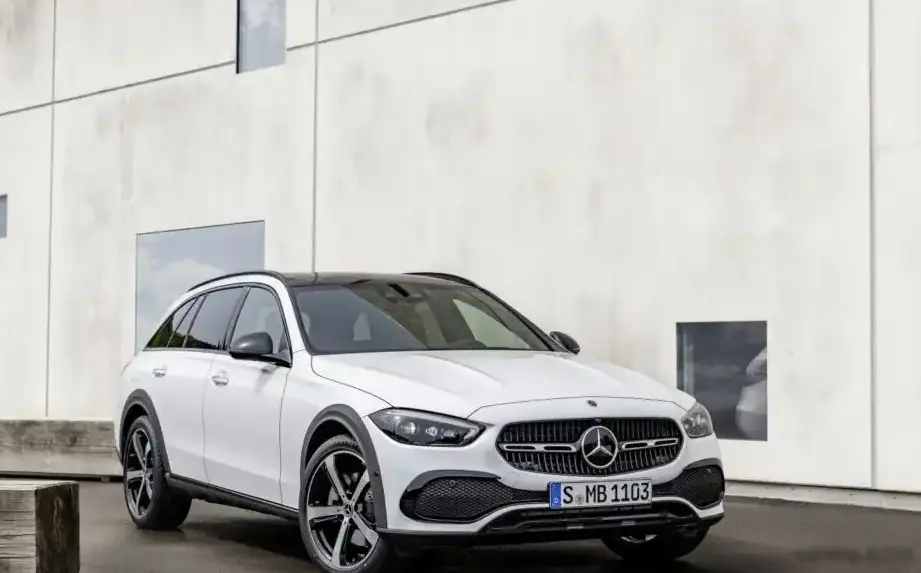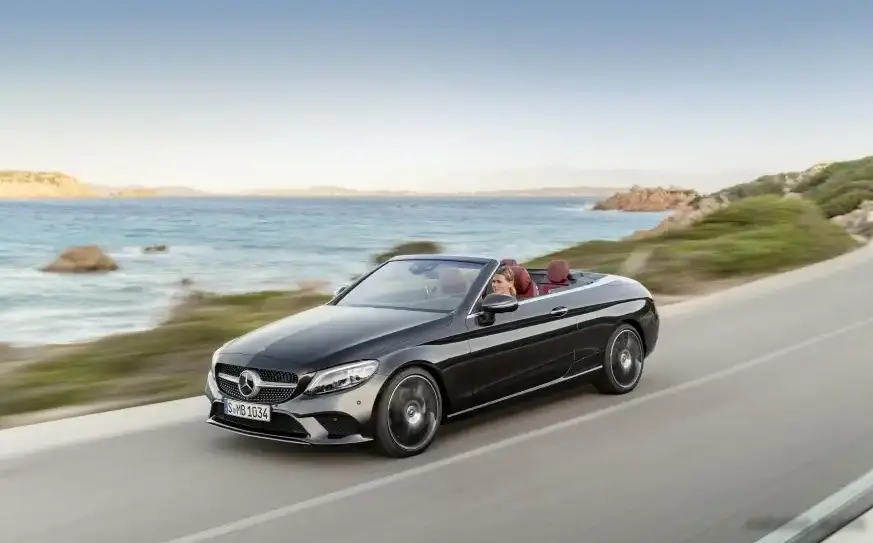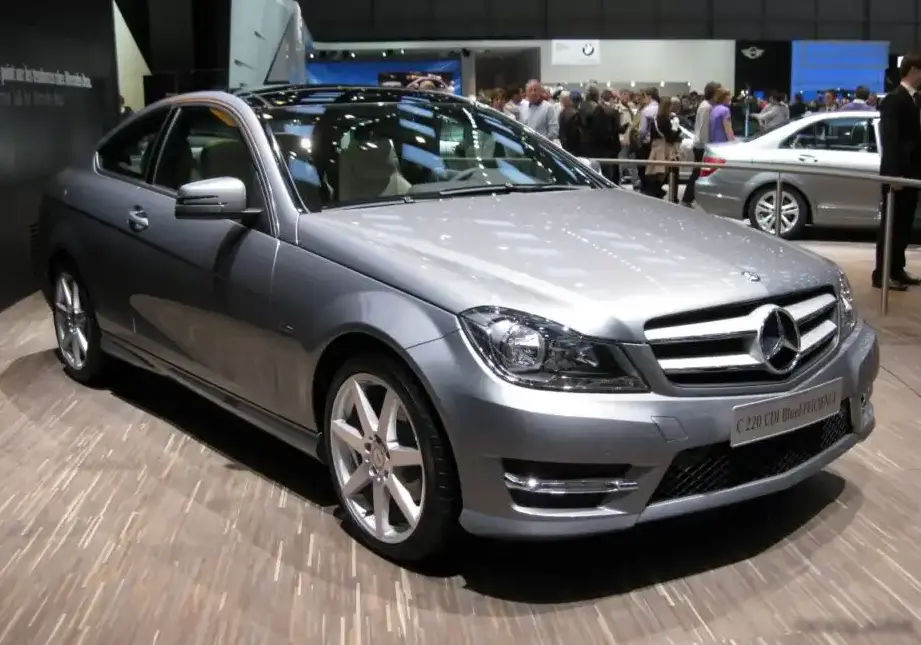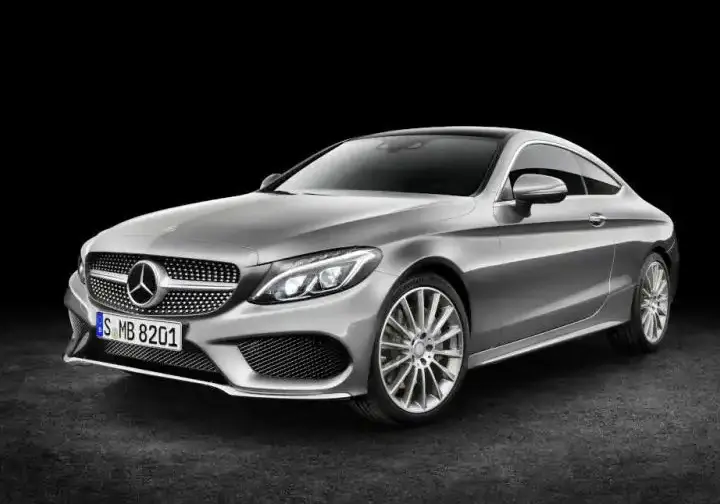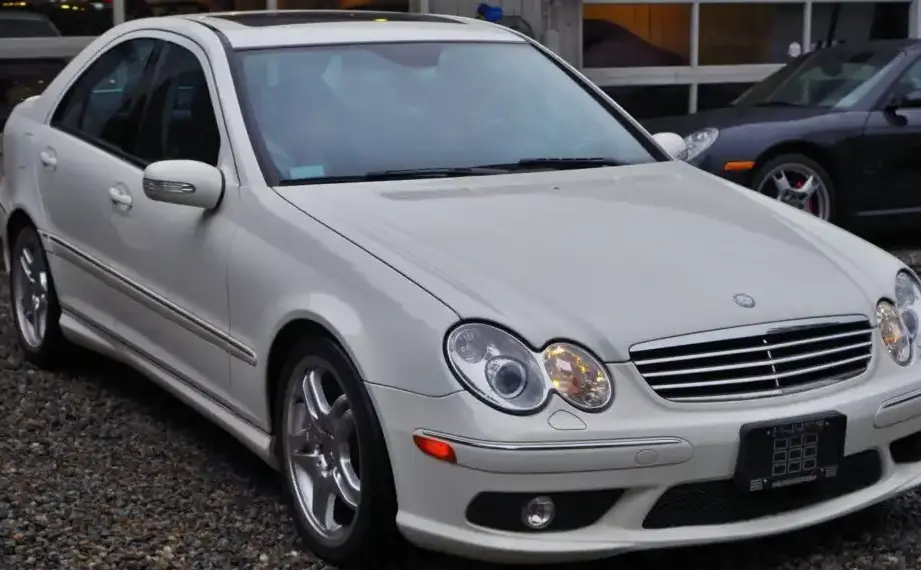
The Mercedes-Benz C 230 Kompressor, produced from 2004 to 2007 as part of the W203 facelift generation, represented a significant offering in the entry-level luxury sports sedan segment within the United States market. Positioned as a step up from the C220, but below the more potent C320 and C350 models, the C230 Kompressor aimed to deliver a balance of performance, refinement, and fuel efficiency. This variant was particularly notable for its supercharged engine and the smooth-shifting 5G-TRONIC automatic transmission, a combination designed to appeal to buyers seeking a comfortable yet engaging driving experience. The W203 facelift brought with it revised styling, improved interior materials, and updated technology, solidifying the C-Class’s position as a competitor to the BMW 3 Series and Audi A4.
Technical Specifications
| Brand | Mercedes-Benz |
| Model | C-class |
| Generation | C-class (W203, facelift 2004) |
| Type (Engine) | C 230 Kompressor (189 Hp) 5G-TRONIC (USA) |
| Start of production | 2004 |
| End of production | 2007 |
| Powertrain Architecture | Internal Combustion engine |
| Body type | Sedan |
| Seats | 5 |
| Doors | 4 |
| Fuel consumption (urban) | 10.2 l/100 km (23.1 US mpg) |
| Fuel consumption (extra urban) | 7.8 l/100 km (30.2 US mpg) |
| Fuel Type | Petrol (Gasoline) |
| Acceleration 0 – 60 mph | 7.8 sec |
| Weight-to-power ratio | 7.9 kg/Hp |
| Weight-to-torque ratio | 5.7 kg/Nm |
| Power | 189 Hp @ 5800 rpm |
| Power per litre | 105.2 Hp/l |
| Torque | 260 Nm @ 3500-4000 rpm (191.77 lb.-ft. @ 3500-4000 rpm) |
| Engine layout | Front, Longitudinal |
| Engine Model/Code | M 271 |
| Engine displacement | 1796 cm3 (109.6 cu. in.) |
| Number of cylinders | 4 |
| Engine configuration | Inline |
| Compression ratio | 8.7:1 |
| Number of valves per cylinder | 4 |
| Fuel injection system | Multi-port manifold injection |
| Engine aspiration | Supercharger, Intercooler |
| Valvetrain | DOHC |
| Engine oil capacity | 5.5 l (5.81 US qt | 4.84 UK qt) |
| Coolant | 8 l (8.45 US qt | 7.04 UK qt) |
| Kerb Weight | 1490 kg (3284.89 lbs.) |
| Trunk (boot) space – minimum | 345 l (12.18 cu. ft.) |
| Length | 4526 mm (178.19 in.) |
| Width | 1728 mm (68.03 in.) |
| Height | 1400 mm (55.12 in.) |
| Wheelbase | 2715 mm (106.89 in.) |
| Front track | 1493 mm (58.78 in.) |
| Rear (Back) track | 1464 mm (57.64 in.) |
| Drag coefficient (Cd) | 0.27 |
| Minimum turning circle (turning diameter) | 10.76 m (35.3 ft.) |
| Drivetrain Architecture | Rear wheel drive |
| Number of gears and type of gearbox | 5 gears, automatic transmission G-TRONIC |
| Front suspension | Independent, type McPherson with coil spring and anti-roll bar |
| Rear suspension | Independent multi-link suspension, Transverse stabilizer |
| Front brakes | Ventilated discs |
| Rear brakes | Disc |
| Assisting systems | ABS (Anti-lock braking system) |
| Steering type | Steering rack and pinion |
| Power steering | Hydraulic Steering |
| Front wheel tires | 8.5J x 17 |
| Rear wheel tires | 7.5J x 17 |
| Front wheel rims | 245/40 R17 |
| Rear wheel rims | 225/45 R17 |
INTRODUCTION
The C 230 Kompressor, introduced with the 2004 facelift of the W203 C-Class, was a key model for Mercedes-Benz in the US market. Built on the 1HX0/A3 platform, it aimed to provide a more accessible entry point into the C-Class range without sacrificing the brand’s core values of luxury and engineering. The “Kompressor” designation signified the presence of a mechanically driven supercharger, a feature intended to boost performance and responsiveness compared to naturally aspirated engines. Production continued through 2007, with the C230 serving as a popular choice for buyers seeking a refined and capable sports sedan.
Powertrain & Engine Architecture
At the heart of the C 230 Kompressor lies the M271 engine, a 1.8-liter (1796 cc) inline-four cylinder powerplant. This engine utilized a Lysholm-type twin-screw supercharger, providing forced induction to enhance power output. The supercharger, intercooled for increased efficiency, delivered boost at lower engine speeds, mitigating turbo lag and providing a more linear power delivery. Fuel delivery was managed by a multi-port fuel injection system, ensuring precise fuel metering for optimal combustion. The engine featured a double overhead camshaft (DOHC) valvetrain with four valves per cylinder, contributing to its efficient breathing and power potential. The 5G-TRONIC automatic transmission, a five-speed unit, was specifically tuned to complement the engine’s characteristics. This transmission offered smooth and responsive shifts, with a manual shift mode available for greater driver control. The transmission’s gear ratios were optimized for both acceleration and fuel economy.
Driving Characteristics
The C 230 Kompressor offered a noticeably more spirited driving experience than the base C220 model. The supercharger provided a significant boost in torque, making the car feel responsive in everyday driving situations. While not as overtly powerful as the C320 or C350, the C230’s 189 horsepower and 192 lb-ft of torque were sufficient for confident passing maneuvers and enjoyable cruising. The 5G-TRONIC transmission contributed to a smooth and refined driving experience, with well-spaced gear ratios that kept the engine in its optimal power band. Compared to the six-speed manual transmission available on some C-Class models, the automatic prioritized comfort and ease of use over outright performance. However, the automatic’s manual shift mode allowed drivers to take more control when desired. The rear-wheel-drive configuration provided a balanced and engaging driving feel, typical of Mercedes-Benz sedans.
Equipment & Trim Levels
The C 230 Kompressor typically came standard with a respectable array of features, including automatic climate control, power windows and locks, a multi-function steering wheel, and a premium audio system. Interior upholstery was typically MB-Tex (synthetic leather), with optional genuine leather available. Common optional extras included a sunroof, heated seats, a navigation system, and upgraded wheels. The dashboard layout was typical of the W203 facelift, featuring a clean and functional design with a focus on ergonomics. Trim levels were relatively straightforward, with most options being added individually rather than bundled into distinct packages. The C230 Kompressor aimed to provide a comfortable and well-equipped interior without the higher price tag of the more premium C-Class models.
Chassis & Braking
The C 230 Kompressor utilized an independent suspension system at all four corners. The front suspension employed a McPherson strut design with coil springs and an anti-roll bar, while the rear suspension featured a multi-link setup with a transverse stabilizer. This suspension configuration provided a good balance of ride comfort and handling precision. Braking duties were handled by ventilated discs at the front and solid discs at the rear. The anti-lock braking system (ABS) was standard, enhancing safety and control during emergency braking situations. The chassis was designed to provide a stable and predictable driving experience, with a focus on minimizing body roll and maximizing grip.
Market Reception & Comparison
The C 230 Kompressor was generally well-received by automotive critics, who praised its combination of performance, refinement, and value. It was often seen as a sweet spot in the C-Class lineup, offering a noticeable step up in performance from the C220 without the significantly higher cost of the C320 or C350. Fuel economy was considered respectable for a luxury sports sedan, although not class-leading. Reliability was generally good, although some owners reported issues with the supercharger and its associated components over the long term. Compared to its rivals, the C230 Kompressor offered a more luxurious and refined interior than many competitors, but its performance was not quite as aggressive as some of the sportier options available.
Legacy
The C 230 Kompressor remains a relatively popular choice in the used car market today, particularly among buyers seeking an affordable entry into the Mercedes-Benz brand. The M271 engine, while generally reliable, requires regular maintenance, including oil changes and inspection of the supercharger belt and system. The 5G-TRONIC transmission is also known to be durable, but may require servicing as it ages. Overall, the C 230 Kompressor represents a well-rounded and capable sports sedan that continues to offer a compelling blend of luxury, performance, and value. Its supercharged engine and smooth-shifting automatic transmission have cemented its place as a memorable and enjoyable driving experience within the W203 C-Class generation.