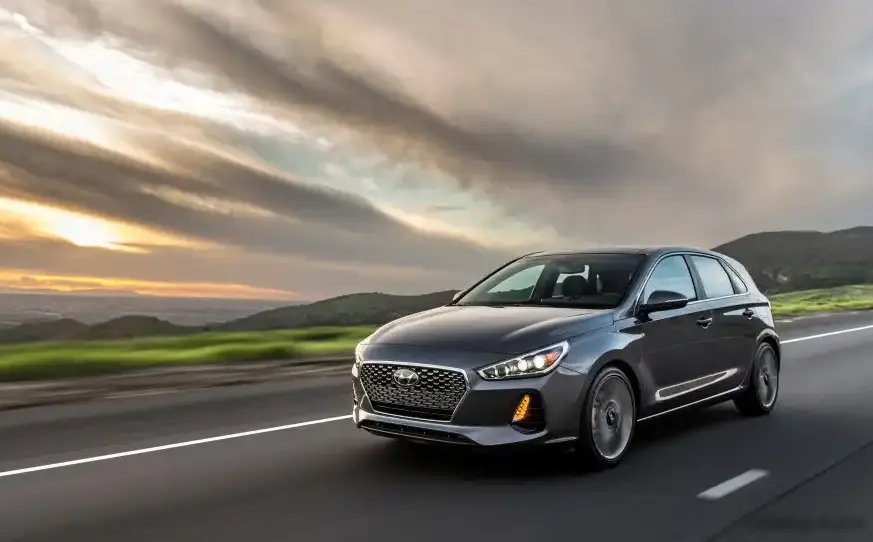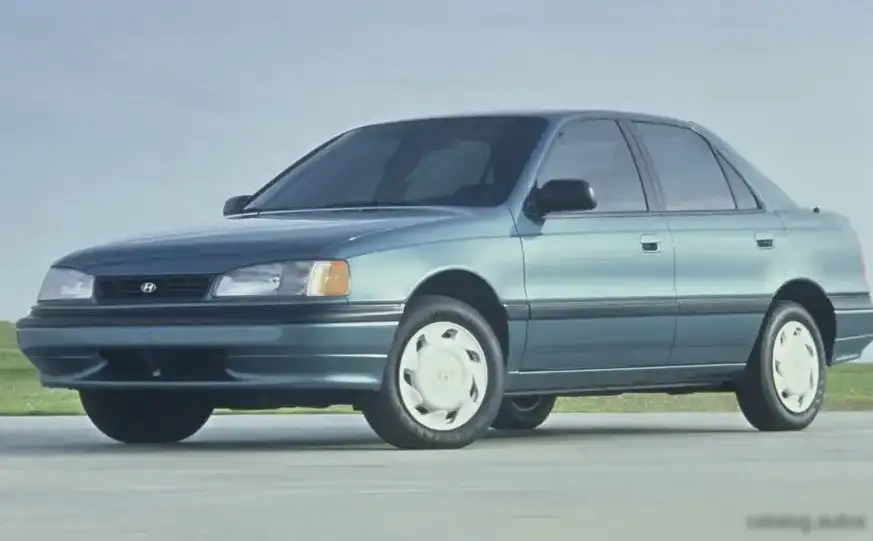
The Hyundai Elantra IV 2.0 i 16V, produced between 2006 and 2011, represented a significant step forward for Hyundai in the competitive compact sedan segment. This fourth generation of the Elantra (XD series, internally) was designed to appeal to a broader audience with improved styling, increased interior space, and a more refined driving experience. The 2.0-liter variant, producing 143 horsepower, occupied a mid-range position within the Elantra IV lineup, offering a balance between performance and fuel efficiency. It served as a key model for Hyundai as they continued to establish themselves as a mainstream automotive manufacturer in North America and globally.
Technical Specifications
| Brand | Hyundai |
| Model | Elantra |
| Generation | Elantra IV |
| Type (Engine) | 2.0 i 16V (143 Hp) |
| Start of production | 2006 |
| End of production | 2011 |
| Powertrain Architecture | Internal Combustion engine |
| Body type | Sedan |
| Seats | 5 |
| Doors | 4 |
| Fuel Type | Petrol (Gasoline) |
| Power | 143 Hp @ 6000 rpm |
| Power per litre | 72.4 Hp/l |
| Torque | 190 Nm @ 4600 rpm / 140.14 lb.-ft. @ 4600 rpm |
| Engine layout | Front, Transverse |
| Engine Model/Code | Beta II / G4GC |
| Engine displacement | 1975 cm3 / 120.52 cu. in. |
| Number of cylinders | 4 |
| Engine configuration | Inline |
| Cylinder Bore | 82 mm / 3.23 in. |
| Piston Stroke | 93.5 mm / 3.68 in. |
| Compression ratio | 10.1:1 |
| Number of valves per cylinder | 4 |
| Fuel injection system | Multi-port manifold injection |
| Engine aspiration | Naturally aspirated engine |
| Valvetrain | DOHC |
| Engine oil capacity | 4 l / 4.23 US qt | 3.52 UK qt |
| Coolant | 6.6 l / 6.97 US qt | 5.81 UK qt |
| Trunk (boot) space – minimum | 460 l / 16.24 cu. ft. |
| Fuel tank capacity | 53 l / 14 US gal | 11.66 UK gal |
| Length | 4505 mm / 177.36 in. |
| Width | 1775 mm / 69.88 in. |
| Height | 1490 mm / 58.66 in. |
| Wheelbase | 2690 mm / 105.91 in. |
| Front track | 1543 mm / 60.75 in. |
| Rear (Back) track | 1541 mm / 60.67 in. |
| Minimum turning circle (turning diameter) | 11.3 m / 37.07 ft. |
| Drivetrain Architecture | The Internal combustion engine (ICE) drives the front wheels of the vehicle. |
| Drive wheel | Front wheel drive |
| Number of gears and type of gearbox | 5 gears, manual transmission |
| Front suspension | Spring Strut |
| Rear suspension | Transverse stabilizer |
| Front brakes | Ventilated discs |
| Rear brakes | Drum |
| Steering type | Steering rack and pinion |
| Tires size | 185/65 R15 |
| Wheel rims size | 5.5J X 15 |
Powertrain & Engine Architecture
The heart of the Elantra IV 2.0 i 16V is the Hyundai Beta II engine, specifically the G4GC code. This 1.975-liter inline-four cylinder engine utilizes a double overhead camshaft (DOHC) valvetrain with four valves per cylinder, contributing to its respectable power output. The engine employs multi-point fuel injection, delivering fuel directly into the intake ports. This system, while not as advanced as direct injection, provided reliable and efficient fuel delivery for its time. The Beta II engine was known for its relatively simple design, which aided in its durability and ease of maintenance. The 5-speed manual transmission was the standard offering, providing drivers with direct control over the engine’s power. The transmission was designed for smooth shifting and reasonable durability, though it wasn’t known for sporty performance.
Driving Characteristics
The 143 horsepower and 190 Nm (140 lb-ft) of torque offered by the 2.0-liter engine provided adequate performance for everyday driving. Acceleration was reasonable, though not particularly brisk, with a 0-60 mph time estimated around 9-10 seconds. The 5-speed manual transmission allowed drivers to keep the engine in its optimal power band, providing a more engaging driving experience than the available automatic transmission. The gear ratios were fairly well-spaced, offering a balance between acceleration and fuel economy. Compared to the base 1.6-liter engine, the 2.0-liter offered a noticeable improvement in power and responsiveness, making it more suitable for highway driving and carrying passengers. However, it didn’t match the performance of larger engine options available in other compact cars.
Equipment & Trim Levels
The Elantra IV 2.0 i 16V typically came standard with features such as air conditioning, power windows and locks, and a basic audio system. Higher trim levels added features like alloy wheels, a sunroof, upgraded audio systems, and cruise control. Interior upholstery was typically cloth, with options for leather in higher trims. The dashboard layout was functional and straightforward, prioritizing usability over stylistic flair. Safety features included dual front airbags and anti-lock brakes (ABS), though side airbags were often optional. The 2.0-liter trim generally represented a step up in terms of standard equipment compared to the base models, offering a more comfortable and well-equipped driving experience.
Chassis & Braking
The Elantra IV utilized a front-wheel-drive layout with a MacPherson strut front suspension and a torsion beam rear suspension. This suspension setup provided a comfortable ride quality, though it wasn’t particularly sporty. The front brakes were ventilated discs, offering adequate stopping power, while the rear brakes were drums, a cost-saving measure common in this class of vehicle. Steering was provided by a rack-and-pinion system, offering reasonable precision and feedback. The chassis was designed to provide a balance between ride comfort and handling stability, prioritizing everyday usability over performance.
Market Reception & Comparison
The Elantra IV 2.0 i 16V was generally well-received by critics as a practical and affordable compact sedan. It was praised for its spacious interior, comfortable ride, and competitive price. However, some critics noted that its styling was somewhat conservative and that its driving dynamics weren’t as engaging as some of its rivals. Compared to other compact sedans like the Honda Civic and Toyota Corolla, the Elantra offered a similar level of practicality and reliability at a lower price point. The 2.0-liter engine provided a noticeable improvement in performance over the base 1.6-liter engine, making it a popular choice for buyers who wanted a bit more power. Fuel economy was respectable, averaging around 24-30 mpg depending on driving conditions.
Legacy
The Hyundai Elantra IV 2.0 i 16V has proven to be a relatively reliable vehicle, with many examples still on the road today. The Beta II engine is known for its durability, and with proper maintenance, it can last for many years. Common issues include oil leaks and occasional sensor failures, but these are generally inexpensive to repair. In the used car market, the Elantra IV 2.0 i 16V represents a good value for buyers looking for an affordable and practical compact sedan. Its spacious interior, comfortable ride, and reasonable fuel economy make it a suitable choice for daily commuting and family transportation. While it may not be the most exciting car to drive, it offers a solid and dependable ownership experience.