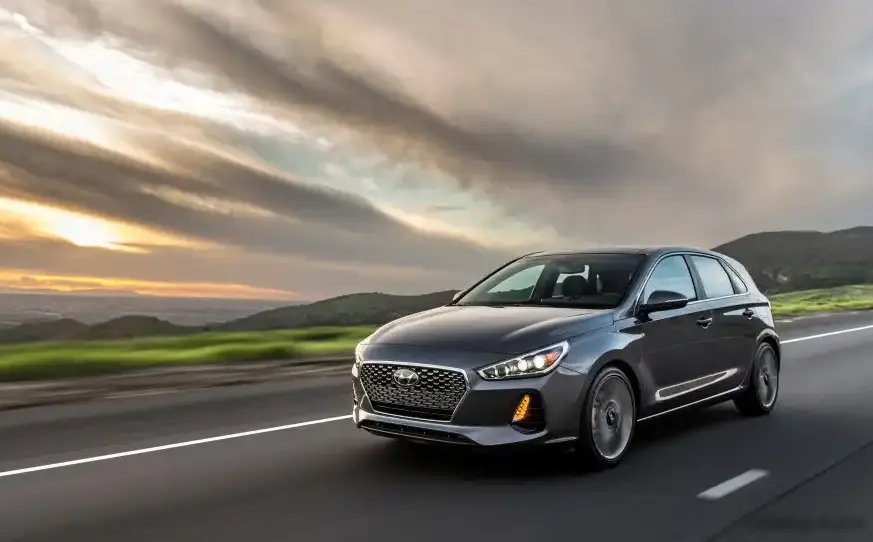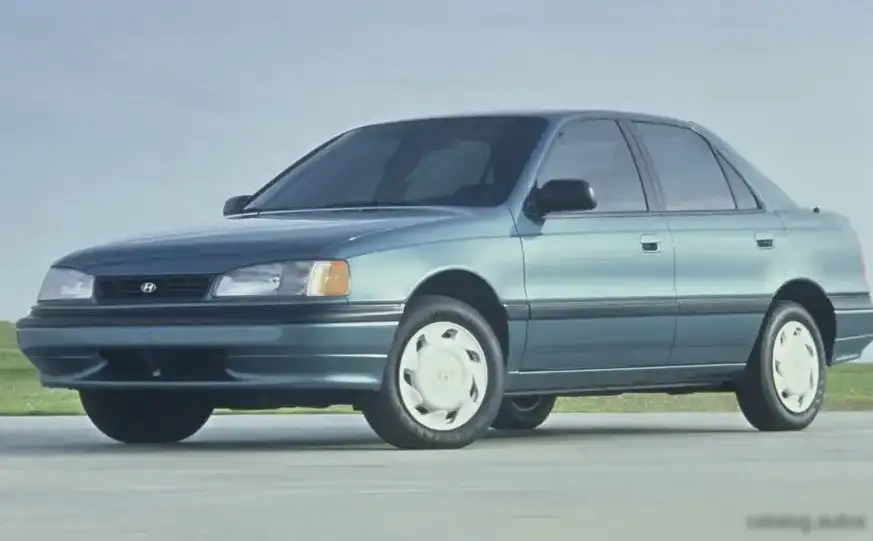
The Hyundai Elantra VI (AD series, specifically the facelifted model from 2019) Sport 1.6 Turbo GDI represents a performance-oriented variant within the sixth generation of Hyundai’s popular compact sedan. Introduced for the 2018 model year and continuing through 2020, this trim level aimed to provide a more engaging driving experience compared to the standard Elantra models. It occupied a mid-to-upper position in the AD Elantra lineup, bridging the gap between the base engine options and a potential future, more dedicated performance model. The AD generation Elantra was a significant step forward for Hyundai in terms of design, refinement, and available technology, and the Sport 1.6 Turbo GDI capitalized on these improvements with a focus on enhanced power and handling.
Technical Specifications
| Brand | Hyundai |
| Model | Elantra |
| Generation | Elantra VI (AD, facelift 2019) |
| Type | Sport 1.6 Turbo GDI (201 Hp) DCT |
| Start of production | 2018 |
| End of production | 2020 |
| Powertrain Architecture | Internal Combustion engine |
| Body type | Sedan |
| Seats | 5 |
| Doors | 4 |
| Fuel Type | Petrol (Gasoline) |
| Power | 201 Hp @ 6000 rpm |
| Power per litre | 126.3 Hp/l |
| Torque | 264 Nm @ 1500-4500 rpm / 194.72 lb.-ft. @ 1500-4500 rpm |
| Engine layout | Front, Transverse |
| Engine Model/Code | Gamma II / G4FJ |
| Engine displacement | 1591 cm3 / 97.09 cu. in. |
| Number of cylinders | 4 |
| Engine configuration | Inline |
| Cylinder Bore | 77 mm / 3.03 in. |
| Piston Stroke | 85.44 mm / 3.36 in. |
| Compression ratio | 9.5:1 |
| Number of valves per cylinder | 4 |
| Fuel injection system | Direct injection |
| Engine aspiration | Turbocharger, Intercooler |
| Valvetrain | DOHC |
| Engine oil capacity | 4.5 l / 4.76 US qt | 3.96 UK qt |
| Coolant | 6.1 l / 6.45 US qt | 5.37 UK qt |
| Max. weight | 1840 kg / 4056.51 lbs |
| Trunk (boot) space – minimum | 408 l / 14.41 cu. ft |
| Fuel tank capacity | 53 l / 14 US gal | 11.66 UK gal |
| Length | 4620 mm / 181.89 in |
| Width | 1800 mm / 70.87 in |
| Height | 1435 mm / 56.5 in |
| Wheelbase | 2700 mm / 106.3 in |
| Minimum turning circle | 10.6 m / 34.78 ft |
| Drivetrain Architecture | The Internal combustion engine (ICE) drives the front wheels of the vehicle. |
| Drive wheel | Front wheel drive |
| Number of gears and type of gearbox | 7 gears, automatic transmission DCT |
| Front suspension | Independent, type McPherson with coil spring and anti-roll bar |
| Rear suspension | Independent multi-link suspension |
| Front brakes | Ventilated discs |
| Rear brakes | Disc |
| Assisting systems | ABS (Anti-lock braking system) |
| Steering type | Steering rack and pinion |
| Tires size | 225/40 R18 |
| Wheel rims size | 7.5J x 18 |
Powertrain & Engine Architecture
At the heart of the Elantra Sport 1.6 Turbo GDI lies the Hyundai Gamma II engine, specifically the G4FJ code. This 1.6-liter, inline-four cylinder engine utilizes direct fuel injection (GDI) and a single-scroll turbocharger with an integrated intercooler. The direct injection system allows for precise fuel delivery, contributing to both power and efficiency. The engine produces 201 horsepower at 6000 rpm and 264 Nm (194.72 lb-ft) of torque between 1500 and 4500 rpm. The dual continuously variable valve timing (D-CVVT) system optimizes valve timing for improved performance across the rev range. The engine is paired with a seven-speed dual-clutch transmission (DCT), which provides quick and smooth gear changes. This DCT differs from traditional automatic transmissions, offering a more sporty and responsive driving experience.
Driving Characteristics
The combination of the turbocharged engine and the DCT results in a noticeably more spirited driving experience compared to the base Elantra models. The readily available torque from 1500 rpm provides strong acceleration in everyday driving situations. The DCT’s quick shifts contribute to a feeling of responsiveness, particularly during overtaking maneuvers. While not a dedicated performance car, the Elantra Sport 1.6 Turbo GDI offers a significant improvement in acceleration and overall driving engagement. Compared to the naturally aspirated 2.0-liter engine available in other Elantra trims, the turbo engine delivers more power and a broader torque curve. The DCT, while generally responsive, can exhibit some low-speed jerkiness in certain situations, a common characteristic of dual-clutch transmissions.
Equipment & Trim Levels
The Elantra Sport 1.6 Turbo GDI came standard with a range of features designed to enhance both comfort and style. These typically included sport seats with unique upholstery, a leather-wrapped steering wheel, alloy wheels (usually 18-inch), and a sport-tuned suspension. Infotainment systems featured a touchscreen display with Apple CarPlay and Android Auto compatibility. Available options included a sunroof, upgraded audio system, and various driver-assistance features like blind-spot monitoring and rear cross-traffic alert. The interior trim generally featured a darker color scheme with red accents to emphasize the sporty character of the vehicle.
Chassis & Braking
The Elantra Sport 1.6 Turbo GDI featured a McPherson strut front suspension and a multi-link rear suspension. Hyundai engineers tuned the suspension specifically for this trim level to provide a firmer ride and improved handling. The front brakes were upgraded to ventilated discs for better stopping power, while the rear brakes remained solid discs. The standard anti-lock braking system (ABS) provided enhanced safety during emergency braking situations. The steering system utilized a rack and pinion setup, offering precise and responsive steering feel.
Market Reception & Comparison
Critics generally praised the Elantra Sport 1.6 Turbo GDI for its improved performance and handling compared to the standard Elantra models. The turbocharged engine was well-received for its power and responsiveness, and the DCT was noted for its quick shifts. However, some reviewers pointed out the occasional jerkiness of the DCT at low speeds. Fuel economy was generally considered good for a performance-oriented compact sedan. Compared to rivals like the Mazda3 or Volkswagen Jetta GLI, the Elantra Sport offered a competitive level of performance and features at a relatively affordable price point. The Elantra’s warranty was also a significant selling point, offering peace of mind to buyers.
Legacy
The Hyundai Elantra VI Sport 1.6 Turbo GDI represents an important step in Hyundai’s evolution as a manufacturer of engaging and well-equipped vehicles. The Gamma II engine and DCT combination proved to be relatively reliable, with few widespread issues reported. On the used car market, these models generally hold their value well, particularly those in good condition with low mileage. The Elantra Sport 1.6 Turbo GDI remains a popular choice for buyers seeking a sporty and practical compact sedan with a good balance of performance, features, and value. While Hyundai has since introduced even more performance-focused models like the Elantra N, the Sport 1.6 Turbo GDI remains a capable and enjoyable vehicle.