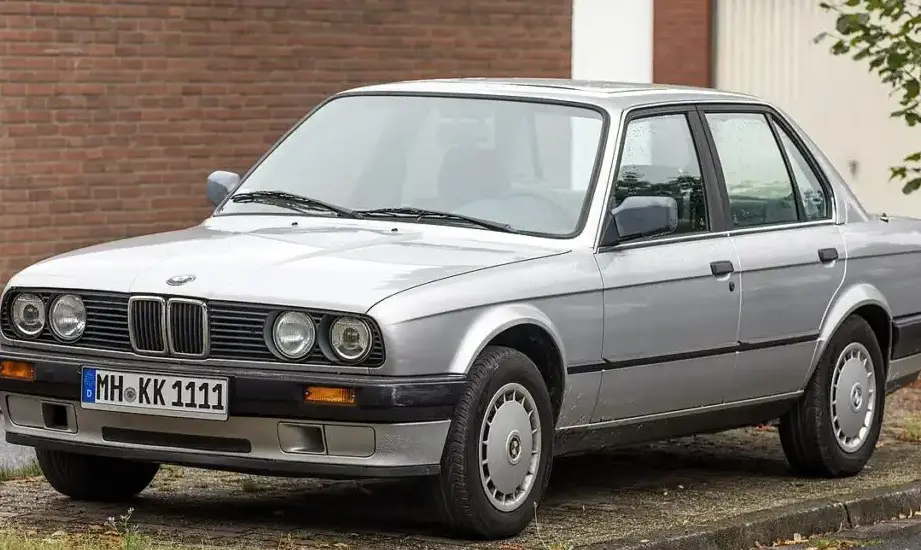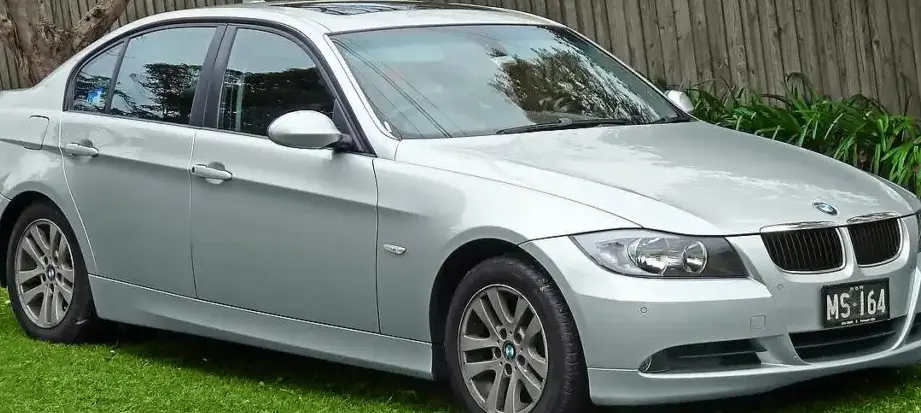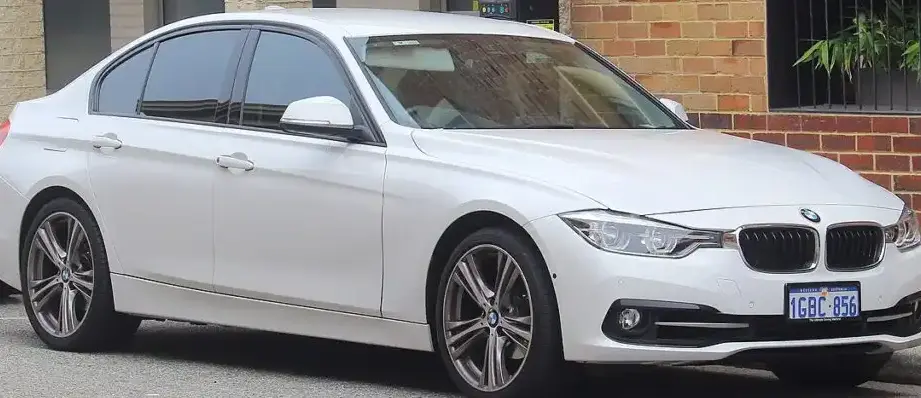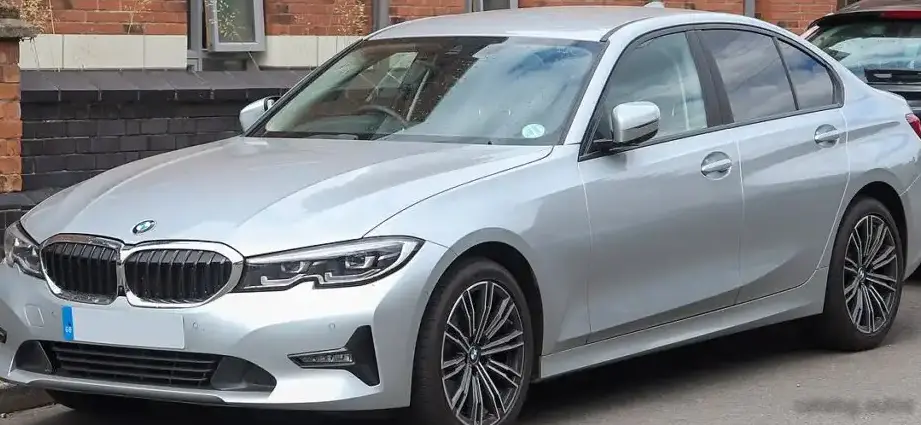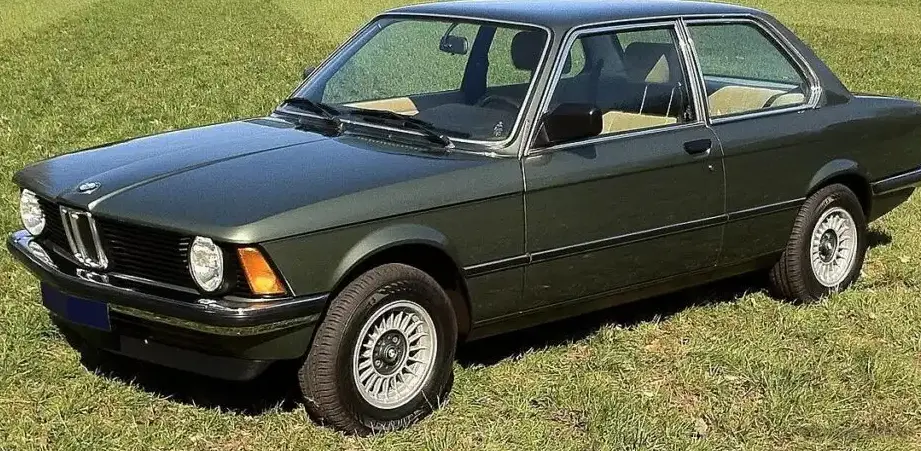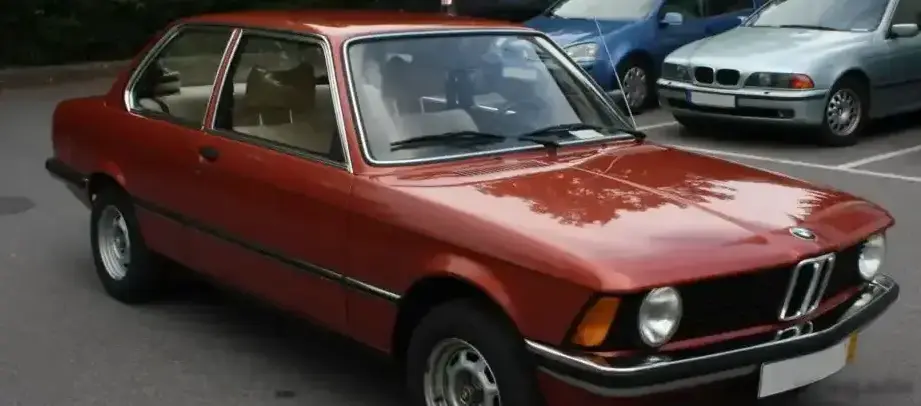
The BMW 3 Series E21 318i, produced between 1979 and 1982, represented a pivotal entry point into the first generation of the iconic 3 Series. Positioned as the more accessible variant within the E21 lineup, it offered a blend of BMW’s renowned driving dynamics and a more economical engine option compared to the 320i and 323i models. The 318i was primarily aimed at buyers seeking a sporty, yet practical, compact sedan. It served as a crucial model for establishing the 3 Series’ reputation in the North American and European markets, offering a taste of the BMW experience to a wider audience.
Technical Specifications
| Brand | BMW |
| Model | 3 Series |
| Generation | 3 Series (E21) |
| Type (Engine) | 318i (105 Hp) |
| Start of production | 1979 |
| End of production | 1982 |
| Powertrain Architecture | Internal Combustion engine |
| Body type | Sedan |
| Seats | 5 |
| Doors | 2 |
| Fuel consumption (economy) – urban | 10.4 l/100 km (22.6 US mpg, 27.2 UK mpg, 9.6 km/l) |
| Fuel consumption (economy) – extra urban | 6.3 l/100 km (37.3 US mpg, 44.8 UK mpg, 15.9 km/l) |
| Fuel consumption (economy) – combined | 8.4 l/100 km (28 US mpg, 33.6 UK mpg, 11.9 km/l) |
| Fuel Type | Petrol (Gasoline) |
| Acceleration 0 – 100 km/h | 11.5 sec |
| Acceleration 0 – 62 mph | 11.5 sec |
| Acceleration 0 – 60 mph | 10.9 sec |
| Maximum speed | 173 km/h (107.5 mph) |
| Weight-to-power ratio | 9.8 kg/Hp, 101.9 Hp/tonne |
| Weight-to-torque ratio | 7.1 kg/Nm, 140.8 Nm/tonne |
| Power | 105 Hp @ 5800 rpm |
| Power per litre | 59.5 Hp/l |
| Torque | 145 Nm @ 4500 rpm (106.95 lb.-ft. @ 4500 rpm) |
| Engine layout | Front, Longitudinal |
| Engine Model/Code | M10B18 |
| Engine displacement | 1766 cm3 (107.77 cu. in.) |
| Number of cylinders | 4 |
| Engine configuration | Inline |
| Compression ratio | 9.7:1 |
| Number of valves per cylinder | 2 |
| Fuel injection system | Carburettor |
| Engine aspiration | Naturally aspirated engine |
| Engine oil capacity | 4 l (4.23 US qt | 3.52 UK qt) |
| Coolant | 7.2 l (7.61 US qt | 6.34 UK qt) |
| Kerb Weight | 1030 kg (2270.76 lbs.) |
| Trunk (boot) space – minimum | 404 l (14.27 cu. ft.) |
| Fuel tank capacity | 58 l (15.32 US gal | 12.76 UK gal) |
| Length | 4355 mm (171.46 in.) |
| Width | 1610 mm (63.39 in.) |
| Height | 1380 mm (54.33 in.) |
| Wheelbase | 2563 mm (100.91 in.) |
| Front track | 1366 mm (53.78 in.) |
| Rear (Back) track | 1373 mm (54.06 in.) |
| Ride height (ground clearance) | 145 mm (5.71 in.) |
| Drivetrain Architecture | The Internal combustion engine (ICE) drives the rear wheels of the vehicle. |
| Drive wheel | Rear wheel drive |
| Number of gears and type of gearbox | 5 gears, manual transmission |
| Front brakes | Disc |
| Rear brakes | Disc |
| Steering type | Steering rack and pinion |
Powertrain & Engine Architecture
The heart of the 318i was the M10B18 engine, a 1.8-liter inline-four cylinder unit. This engine was a further development of BMW’s long-running M10 family, known for its robustness and relatively simple design. Unlike the later 320i and 323i models which featured fuel injection, the 318i utilized a single, twin-barrel Solex carburetor. This carburetor setup, while simpler and less expensive, resulted in slightly lower power output and less precise fuel metering compared to the injected engines. The M10B18 produced 105 horsepower at 5800 rpm and 145 Nm (107 lb-ft) of torque at 4500 rpm. The engine featured a single overhead camshaft (SOHC) operating two valves per cylinder. The transmission was a standard five-speed manual gearbox, providing a reasonably engaging driving experience. The engine was mounted longitudinally in the front of the vehicle, driving the rear wheels – a classic BMW configuration.
Driving Characteristics
The 318i offered a noticeably different driving experience compared to its more powerful siblings. While the 320i and 323i provided more immediate acceleration, the 318i prioritized fuel economy and a more relaxed driving style. The carburetor meant throttle response wasn’t as crisp, and the engine needed to be revved more to access its power band. The five-speed manual transmission was well-matched to the engine’s characteristics, with gear ratios designed to keep the engine operating within its optimal range. Acceleration from 0 to 60 mph took around 10.9 seconds, and the top speed was approximately 107.5 mph. Compared to the 320i, the 318i felt less urgent, but still offered a satisfyingly sporty feel thanks to the E21’s well-balanced chassis and responsive steering.
Equipment & Trim Levels
The 318i was generally equipped with a more basic level of standard features compared to the higher-spec models. Interior upholstery was typically cloth, although vinyl options were available. The dashboard layout was functional and straightforward, with a focus on providing essential information to the driver. Standard equipment included a basic AM/FM radio, manual windows, and manual door locks. Optional extras included a sunroof, upgraded stereo systems, and more luxurious interior trim options. The 318i was often seen as a blank canvas for buyers who wanted to personalize their vehicle with optional equipment.
Chassis & Braking
The E21 318i utilized a MacPherson strut front suspension and a semi-trailing arm rear suspension. This suspension setup provided a good balance between ride comfort and handling precision. The 318i, being the lighter model, often felt more nimble and responsive than the heavier 320i and 323i. Braking was accomplished via disc brakes on all four wheels, providing adequate stopping power for the vehicle’s weight and performance. The steering system was a rack-and-pinion setup, offering precise and communicative steering feel.
Market Reception & Comparison
The 318i was generally well-received by automotive critics as an affordable and enjoyable entry into the BMW 3 Series range. It was praised for its handling, steering feel, and overall build quality. However, the carburetor engine was sometimes criticized for its lack of refinement and slightly lower performance compared to the fuel-injected engines in the higher-spec models. Fuel economy was a strong point for the 318i, making it an attractive option for buyers concerned about running costs. Compared to competitors like the Volkswagen Golf GTI and Ford Escort RS, the 318i offered a more premium driving experience and a higher level of build quality.
Legacy
The E21 318i has become a sought-after classic among BMW enthusiasts. The M10B18 engine, while not the most powerful, is known for its durability and relative simplicity, making it easier to maintain than the more complex fuel-injected engines. Well-maintained examples of the 318i are becoming increasingly rare and valuable. The car’s enduring appeal lies in its combination of classic BMW styling, engaging driving dynamics, and relative affordability. Today, the E21 318i represents a significant piece of BMW history and a testament to the brand’s commitment to building driver-focused automobiles.