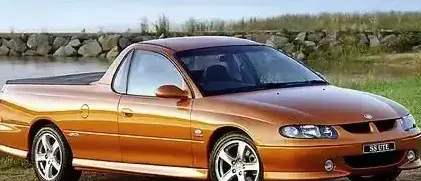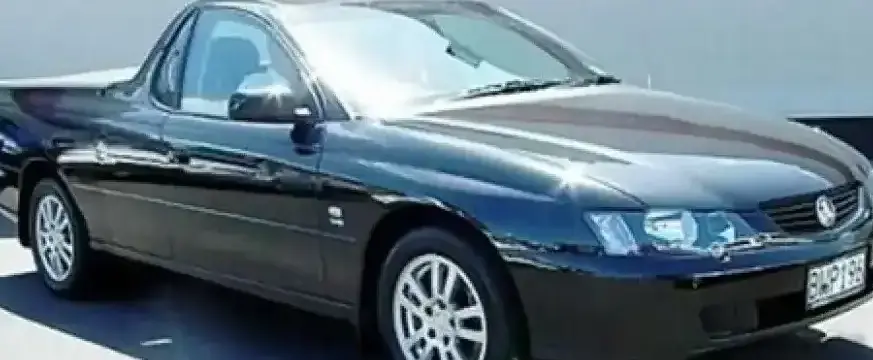
The Holden Ute II 3.6 V6 Omega, produced between 2007 and 2017, represented a significant offering in the Australian utility vehicle market. Part of the Ute II generation (based on the GM Zeta platform shared with the Holden Commodore), the Omega trim sat towards the higher end of the Ute lineup, offering a blend of performance, practicality, and comfort. It was positioned above the base models and below the more performance-focused SS variants. The Ute, a uniquely Australian vehicle type, combined the functionality of a pickup truck with the driving experience of a passenger car, and the 3.6L V6 Omega aimed to appeal to buyers needing a versatile vehicle for both work and leisure.
Technical Specifications
| Brand | Holden |
| Model | Ute |
| Generation | Ute II |
| Type (Engine) | 3.6 V6 (245 Hp) Omega |
| Start of production | 2007 |
| End of production | 2017 |
| Powertrain Architecture | Internal Combustion engine |
| Body type | Pick-up |
| Seats | 2 |
| Doors | 2 |
| Fuel consumption (combined) | 11.8 l/100 km (19.9 US mpg, 23.9 UK mpg, 8.5 km/l) |
| Fuel Type | Petrol (Gasoline) |
| Weight-to-power ratio | 6.9 kg/Hp, 144.4 Hp/tonne |
| Weight-to-torque ratio | 5.1 kg/Nm, 194.5 Nm/tonne |
| Power | 245 Hp @ 6000 rpm |
| Power per litre | 68.7 Hp/l |
| Torque | 330 Nm @ 2600 rpm (243.4 lb.-ft. @ 2600 rpm) |
| Engine layout | Front, Longitudinal |
| Engine displacement | 3564 cm3 (217.49 cu. in.) |
| Number of cylinders | 6 |
| Engine configuration | V-engine |
| Number of valves per cylinder | 4 |
| Fuel injection system | Multi-port manifold injection |
| Engine aspiration | Naturally aspirated engine |
| Engine oil capacity | 6.5 l (6.87 US qt | 5.72 UK qt) |
| Coolant | 10 l (10.57 US qt | 8.8 UK qt) |
| Kerb Weight | 1697 kg (3741.24 lbs.) |
| Max. weight | 2505 kg (5522.58 lbs.) |
| Max load | 808 kg (1781.34 lbs.) |
| Trunk (boot) space – minimum | 1208 l (42.66 cu. ft.) |
| Length | 5055 mm (199.02 in.) |
| Width | 1899 mm (74.76 in.) |
| Height | 1497 mm (58.94 in.) |
| Wheelbase | 3009 mm (118.46 in.) |
| Front track | 1602 mm (63.07 in.) |
| Rear (Back) track | 1618 mm (63.7 in.) |
| Drivetrain Architecture | The Internal combustion engine (ICE) drives the rear wheels of the vehicle. |
| Drive wheel | Rear wheel drive |
| Number of gears and type of gearbox | 4 gears, automatic transmission |
| Front suspension | Spring Strut |
| Rear suspension | Independent multi-link suspension |
| Front brakes | Ventilated discs |
| Rear brakes | Ventilated discs |
| Assisting systems | ABS (Anti-lock braking system) |
Powertrain & Engine Architecture
The heart of the Ute II 3.6 V6 Omega was the Alloytec V6 engine, specifically the LF1 variant. This 3.6-liter (3564 cc) naturally aspirated V6 produced 245 horsepower at 6000 rpm and 330 Nm (243.4 lb-ft) of torque at 2600 rpm. The engine featured a 60-degree V-angle, four valves per cylinder, and a dual overhead camshaft design. Fuel delivery was handled by a multi-port fuel injection system. The Alloytec engine was a significant improvement over previous Holden V6 designs, offering increased refinement and efficiency. Paired with the engine was a four-speed automatic transmission, providing smooth shifts but lacking the efficiency of more modern gearboxes. This transmission was a common choice for Ute buyers prioritizing ease of use over outright performance.
Driving Characteristics
The 3.6L V6 automatic combination in the Ute II Omega delivered a comfortable and capable driving experience. While not as overtly sporty as the SS variants with their V8 engines, the Omega provided ample power for everyday driving and hauling loads. The automatic transmission, while not offering manual control, provided smooth and predictable gear changes. Acceleration was respectable, but the four-speed gearbox meant the engine could feel strained at higher speeds. The rear-wheel-drive configuration offered a balanced feel, although traction could be a concern when carrying heavy loads or driving on slippery surfaces. Compared to the manual transmission versions of the 3.6L V6, the automatic offered less driver engagement but greater convenience.
Equipment & Trim Levels
The Omega trim level offered a good level of standard equipment. Typically, it included features such as air conditioning, power windows and mirrors, a basic audio system (often upgraded with options), and a driver’s airbag. Upholstery was usually cloth, though leather was available as an option. The dashboard layout was functional and straightforward, prioritizing usability over aesthetic flair. Popular optional extras included a sunroof, upgraded audio systems, alloy wheels, and side airbags. The Omega trim aimed to provide a comfortable and well-equipped package for buyers who didn’t require the full luxury of the higher-spec models.
Chassis & Braking
The Ute II chassis was based on the GM Zeta platform, providing a robust and durable foundation. The front suspension utilized a MacPherson strut design, while the rear featured an independent multi-link setup. This suspension configuration offered a good balance between ride comfort and handling. Braking duties were handled by ventilated discs on all four wheels, providing adequate stopping power. Anti-lock Braking System (ABS) was standard, enhancing safety. The Omega trim typically featured a slightly softer suspension tune compared to the SS variants, prioritizing ride comfort over outright handling performance.
Market Reception & Comparison
The Holden Ute II 3.6 V6 Omega was generally well-received by Australian buyers. Critics praised its practicality, comfortable ride, and the refinement of the Alloytec V6 engine. However, the four-speed automatic transmission was often criticized for its lack of efficiency and limited gear ratios. Compared to the V8-powered SS variants, the Omega offered a more affordable entry point into the Ute II range, but at the expense of performance. Fuel economy was reasonable for a vehicle of its size and type, averaging around 11.8 liters per 100 kilometers. The Omega competed primarily with other Australian-made utes, such as the Ford Falcon Ute and Toyota Hilux, offering a unique blend of passenger car comfort and pickup truck functionality.
Legacy
The Holden Ute II 3.6 V6 Omega, along with the entire Ute II range, holds a special place in Australian automotive history. The discontinuation of Holden manufacturing in 2017 has made these vehicles increasingly collectible. The Alloytec V6 engine, while not without its quirks, proved to be a relatively reliable powerplant when properly maintained. Common issues include oil leaks and occasional sensor failures. Today, the Ute II 3.6 V6 Omega represents a practical and affordable option in the used car market, offering a unique combination of style, performance, and utility. Its enduring popularity is a testament to the Ute’s unique appeal and its place in Australian culture.