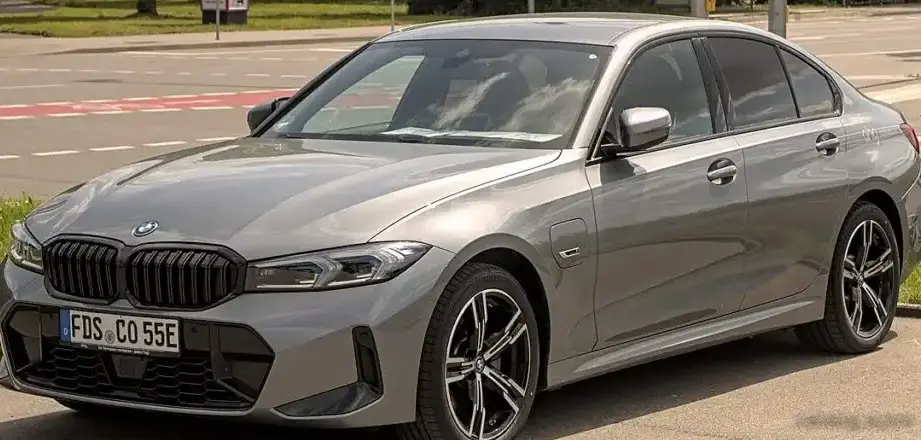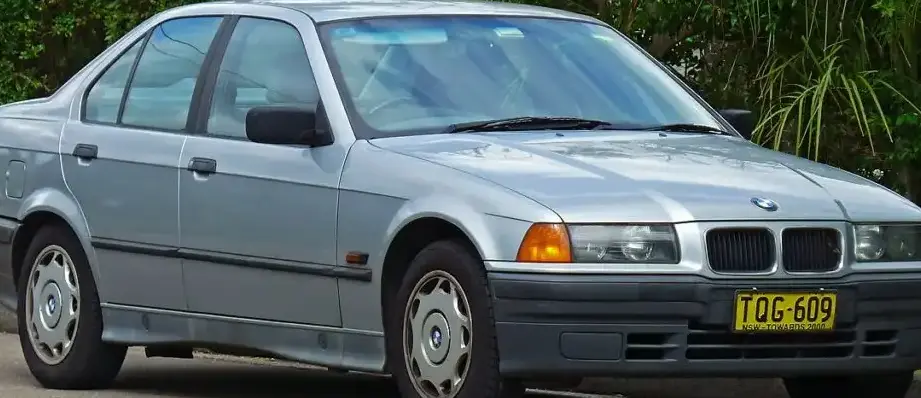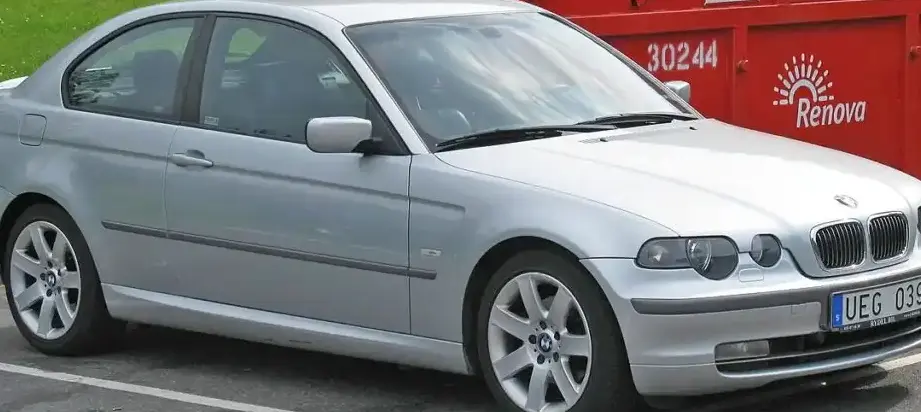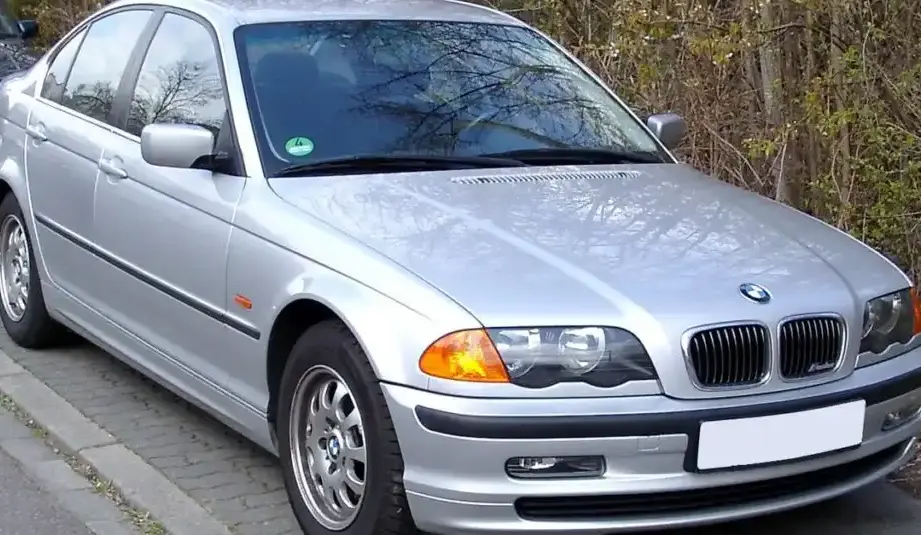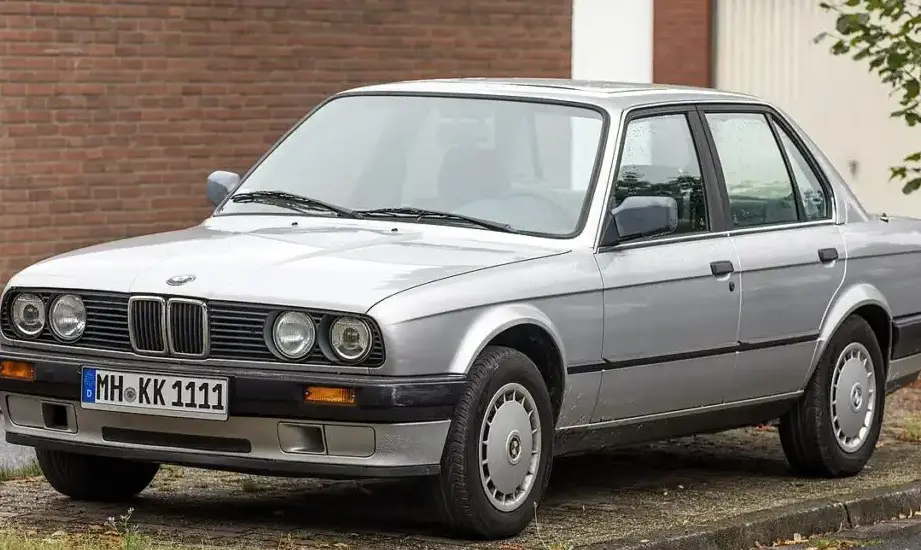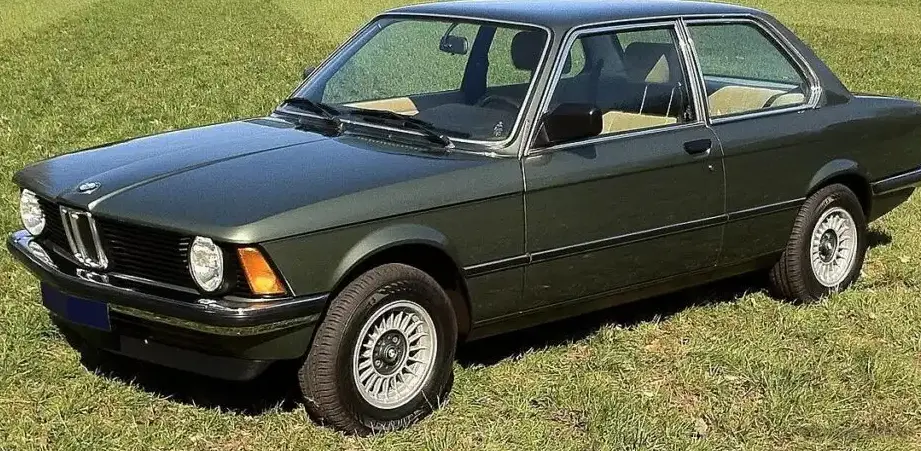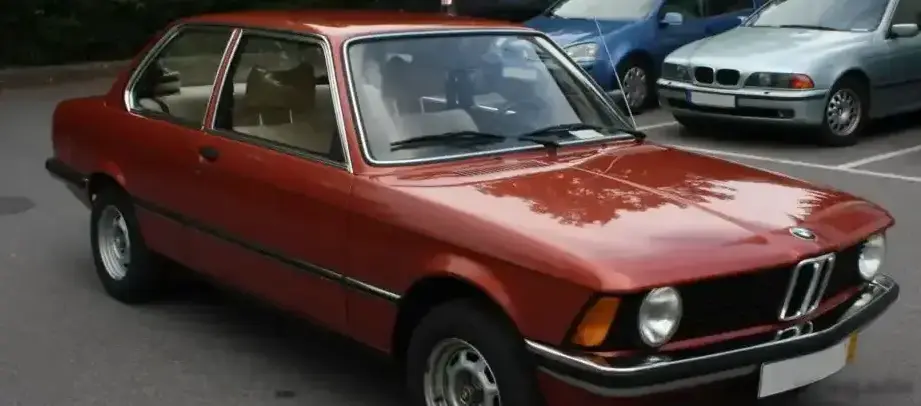
The BMW 3 Series (E21) 323i Automatic, produced between 1978 and 1982, represented a significant step forward for BMW’s compact executive car line. Positioned as a mid-range offering within the E21 series, it bridged the gap between the more economical 320i and the high-performance 320is and later 323is models. This variant aimed to deliver a balance of performance and comfort, appealing to buyers who desired the BMW driving experience with the convenience of an automatic transmission. The E21 generation itself was a pivotal model for BMW, establishing the 3 Series as a benchmark for sporty handling and refined driving dynamics in a smaller package.
Technical Specifications
| Brand | BMW |
| Model | 3 Series |
| Generation | 3 Series (E21) |
| Type (Engine) | 323i (143 Hp) Automatic |
| Start of production | 1978 |
| End of production | 1982 |
| Powertrain Architecture | Internal Combustion engine |
| Body type | Sedan |
| Seats | 5 |
| Doors | 2 |
| Fuel Type | Petrol (Gasoline) |
| Power | 143 Hp @ 6000 rpm |
| Power per litre | 62.2 Hp/l |
| Torque | 205 Nm @ 4000 rpm / 151.2 lb.-ft. @ 4000 rpm |
| Engine layout | Front, Longitudinal |
| Engine Model/Code | M20B23 |
| Engine displacement | 2300 cm3 / 140.35 cu. in. |
| Number of cylinders | 6 |
| Engine configuration | Inline |
| Number of valves per cylinder | 2 |
| Fuel injection system | Multi-port manifold injection |
| Engine aspiration | Naturally aspirated engine |
| Engine oil capacity | 4.25 l / 4.49 US qt | 3.74 UK qt |
| Coolant | 12 l / 12.68 US qt | 10.56 UK qt |
| Trunk (boot) space – minimum | 404 l / 14.27 cu. ft. |
| Fuel tank capacity | 58 l / 15.32 US gal | 12.76 UK gal |
| Length | 4355 mm / 171.46 in. |
| Width | 1610 mm / 63.39 in. |
| Height | 1380 mm / 54.33 in. |
| Wheelbase | 2563 mm / 100.91 in. |
| Front track | 1366 mm / 53.78 in. |
| Rear (Back) track | 1373 mm / 54.06 in. |
| Minimum turning circle (turning diameter) | 9.5 m / 31.17 ft. |
| Drivetrain Architecture | The Internal combustion engine (ICE) drives the rear wheels of the vehicle. |
| Drive wheel | Rear wheel drive |
| Number of gears and type of gearbox | 3 gears, automatic transmission |
| Front suspension | Independent type McPherson |
| Rear suspension | Independent multi-link suspension |
| Front brakes | Disc |
| Rear brakes | Drum |
| Power steering | Hydraulic Steering |
Powertrain & Engine Architecture
The heart of the 323i Automatic is the M20B23 engine, a 2.3-liter inline-six cylinder powerplant. This engine was a significant upgrade over the earlier M10 four-cylinder engines, offering increased displacement and power. The M20 featured a cast iron block and an aluminum cylinder head, contributing to its durability and relatively lightweight construction. Fuel delivery was handled by Bosch K-Jetronic multi-port fuel injection, a sophisticated system for its time that improved fuel efficiency and reduced emissions compared to carbureted engines. The engine utilized a single overhead camshaft (SOHC) design with two valves per cylinder. The automatic transmission was a three-speed unit, designed to provide smooth and comfortable shifting. While not as sporty as a manual transmission, it catered to drivers prioritizing ease of use and convenience.
Driving Characteristics
The 323i Automatic offered a distinct driving experience compared to its manual transmission counterpart and other E21 models. The automatic gearbox, while smooth, did result in some power loss and a less engaging driving feel. Acceleration was respectable for the era, with the 143 horsepower engine providing adequate performance for everyday driving. However, the automatic transmission’s gear ratios were geared more towards comfort and fuel economy than outright performance. Compared to the 320i, the 323i Automatic offered a noticeable increase in power and torque, resulting in more effortless cruising and overtaking. The rear-wheel-drive layout and well-tuned suspension provided the characteristic BMW handling balance, although the automatic transmission slightly diminished the car’s overall agility.
Equipment & Trim Levels
The 323i Automatic typically came well-equipped for its time. Standard features included power-assisted steering, front disc brakes, and a comfortable interior with cloth upholstery. The dashboard layout was functional and driver-focused, with clearly marked gauges and controls. Optional extras included a sunroof, upgraded sound system, and leather upholstery. The 323i Automatic was generally positioned as a step up in terms of luxury and refinement compared to the base 320i, but it didn’t quite reach the level of the sportier 320is or 323is models.
Chassis & Braking
The E21 323i Automatic utilized a McPherson strut front suspension and a semi-trailing arm independent rear suspension. This setup provided a good balance of ride comfort and handling precision. The front brakes were discs, offering good stopping power, while the rear brakes were drums, a cost-saving measure common in vehicles of this era. The steering was hydraulic power-assisted, making the car easy to maneuver at low speeds. Stabilizer bars were fitted to both the front and rear axles to reduce body roll during cornering.
Market Reception & Comparison
The 323i Automatic was generally well-received by automotive critics. It was praised for its smooth engine, comfortable ride, and refined interior. However, some reviewers noted that the automatic transmission detracted from the car’s sporty character. Compared to the manual transmission 323i, the automatic version offered slightly lower fuel economy and slower acceleration. Against competitors like the Mercedes-Benz 200/230 and the Audi 80, the 323i Automatic offered a more engaging driving experience and a sportier image.
Legacy
The E21 323i Automatic, while not the most sought-after variant of the E21 series, remains a desirable classic car. The M20 engine is known for its durability and relatively simple maintenance requirements. However, like all classic BMWs, it requires regular maintenance to keep it running reliably. The automatic transmission, while generally robust, can be prone to wear and tear over time. Today, well-maintained examples of the 323i Automatic command a respectable price in the used car market, appealing to enthusiasts who appreciate the classic BMW driving experience with the convenience of an automatic transmission. Its role in establishing the 3 Series as a benchmark for compact executive cars ensures its place in automotive history.