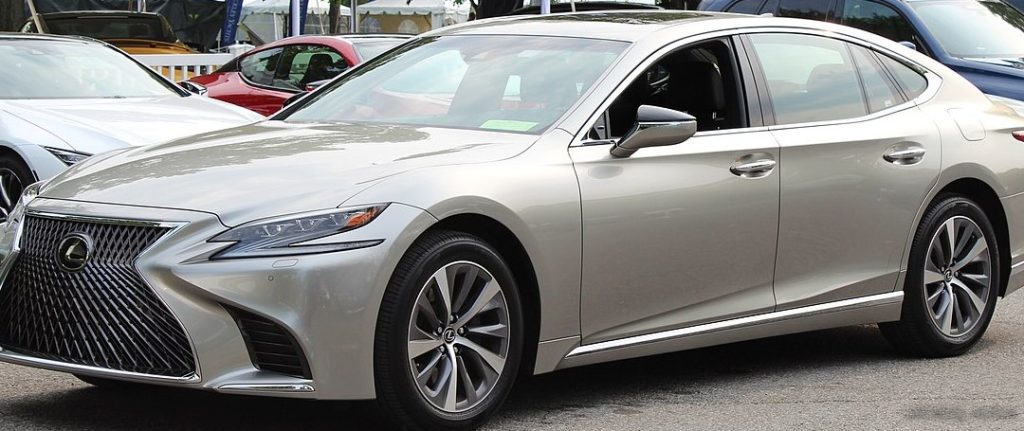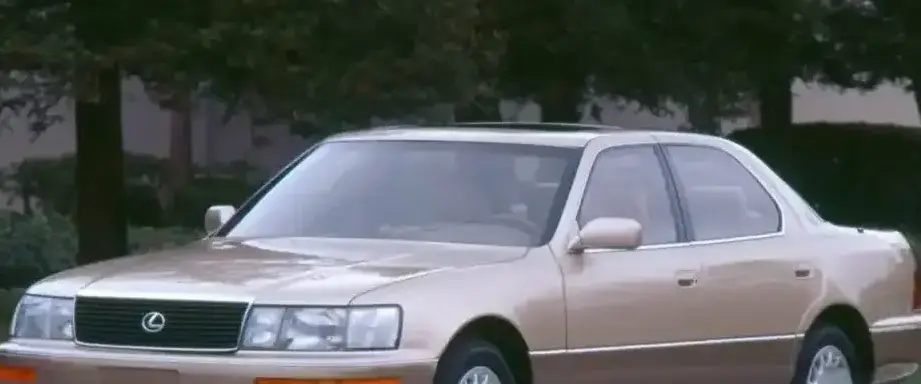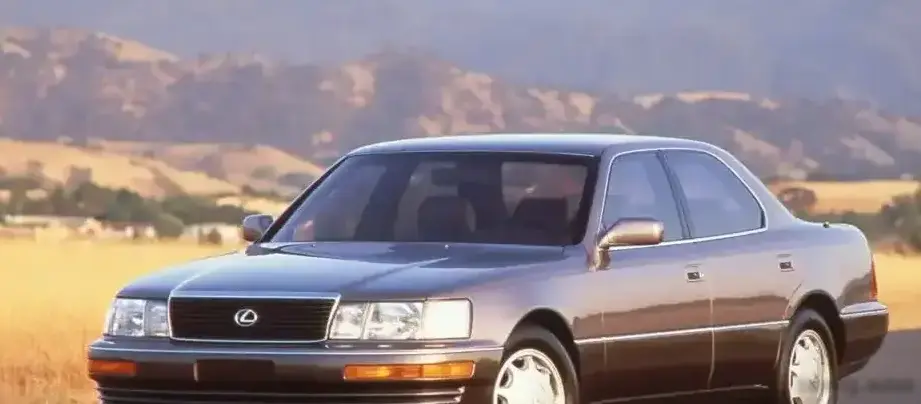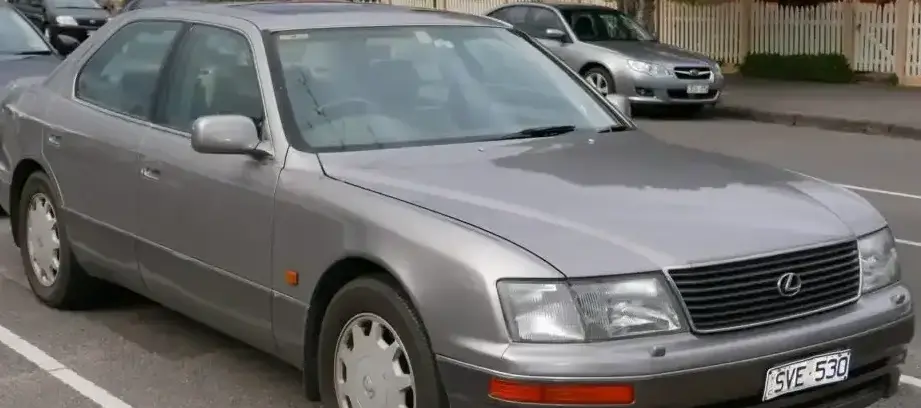
The Lexus LS 430, produced from 2000 to 2006, represented the third generation of Lexus’ flagship sedan. Introduced as a successor to the LS 400, the LS 430 aimed to refine the luxury experience while incorporating advancements in technology and performance. The model years 2000-2003 specifically featured the 4.3-liter 3UZ-FE V8 engine paired with a five-speed automatic transmission, establishing itself as the core offering within the LS 430 lineup. This configuration balanced Lexus’ reputation for smooth, quiet operation with a noticeable increase in power over its predecessor. It was positioned as the standard engine option, with no alternative powertrains offered during these years.
Technical Specifications
| Brand | Lexus |
| Model | LS |
| Generation | LS III |
| Type (Engine) | 430 V8 (290 Hp) Automatic |
| Start of production | 2000 year |
| End of production | 2003 year |
| Powertrain Architecture | Internal Combustion engine |
| Body type | Sedan |
| Seats | 5 |
| Doors | 4 |
| Fuel consumption (economy) – urban | 12.8 l/100 km (18.4 US mpg, 22.1 UK mpg, 7.8 km/l) |
| Fuel consumption (economy) – extra urban | 8.8 l/100 km (26.7 US mpg, 32.1 UK mpg, 11.4 km/l) |
| Fuel consumption (economy) – combined | 11 l/100 km (21.4 US mpg, 25.7 UK mpg, 9.1 km/l) |
| Fuel Type | Petrol (Gasoline) |
| Maximum speed | 240 km/h (149.13 mph) |
| Weight-to-power ratio | 6.2 kg/Hp, 161.6 Hp/tonne |
| Weight-to-torque ratio | 4.1 kg/Nm, 241.8 Nm/tonne |
| Power | 290 Hp @ 5600 rpm |
| Power per litre | 67.6 Hp/l |
| Torque | 434 Nm @ 3400 rpm (320.1 lb.-ft. @ 3400 rpm) |
| Engine layout | Front, Longitudinal |
| Engine Model/Code | 3UZ-FE |
| Engine displacement | 4293 cm3 (261.97 cu. in.) |
| Number of cylinders | 8 |
| Engine configuration | V-engine |
| Cylinder Bore | 91 mm (3.58 in.) |
| Piston Stroke | 82.5 mm (3.25 in.) |
| Compression ratio | 10.5:1 |
| Number of valves per cylinder | 4 |
| Fuel injection system | Multi-port manifold injection |
| Engine aspiration | Naturally aspirated engine |
| Valvetrain | DOHC, VVT |
| Engine oil capacity | 5.1 l (5.39 US qt | 4.49 UK qt) |
| Coolant | 9.5 l (10.04 US qt | 8.36 UK qt) |
| Kerb Weight | 1795 kg (3957.3 lbs.) |
| Max. weight | 2350 kg (5180.86 lbs.) |
| Max load | 555 kg (1223.57 lbs.) |
| Trunk (boot) space – minimum | 571 l (20.16 cu. ft.) |
| Fuel tank capacity | 84 l (22.19 US gal | 18.48 UK gal) |
| Length | 4995 mm (196.65 in.) |
| Width | 1830 mm (72.05 in.) |
| Height | 1490 mm (58.66 in.) |
| Wheelbase | 2925 mm (115.16 in.) |
| Front track | 1570 mm (61.81 in.) |
| Rear (Back) track | 1570 mm (61.81 in.) |
| Drag coefficient (Cd) | 0.25 |
| Minimum turning circle (turning diameter) | 10.7 m (35.1 ft.) |
| Drivetrain Architecture | The Internal combustion engine (ICE) drives the rear wheels of the vehicle. |
| Drive wheel | Rear wheel drive |
| Number of gears and type of gearbox | 5 gears, automatic transmission Super ECT |
| Front suspension | Double wishbone |
| Rear suspension | Double wishbone, Wishbone |
| Front brakes | Ventilated discs |
| Rear brakes | Ventilated discs |
| Assisting systems | ABS (Anti-lock braking system) |
| Steering type | Steering rack and pinion |
| Tires size | 225/60 R16 |
| Wheel rims size | 7J x 16 |
Powertrain & Engine Architecture
The heart of the LS 430 was the 3UZ-FE, a 4.3-liter (4293 cc) naturally aspirated V8 engine. This engine utilized a 60-degree V-angle and featured a cast-iron block with aluminum cylinder heads. It employed multi-port fuel injection and a sophisticated Variable Valve Timing (VVT) system on both intake and exhaust camshafts, optimizing performance and efficiency across the rev range. The 3UZ-FE was renowned for its smoothness and reliability. The five-speed automatic transmission, designated Super ECT, was specifically tuned for Lexus’ emphasis on comfort and refinement. It featured electronically controlled torque converter lock-up and adaptive shifting, adjusting to driving conditions and driver input. While not designed for aggressive acceleration, the transmission provided seamless gear changes and contributed to the overall quietness of the vehicle.
Driving Characteristics
The LS 430 with the 4.3-liter V8 and automatic transmission delivered a comfortable and refined driving experience. Acceleration was adequate, with a 0-60 mph time in the low-7 second range, but it wasn’t particularly sporty. The focus was on providing effortless cruising and a smooth ride. The automatic transmission’s gear ratios were optimized for fuel economy and relaxed highway driving. Compared to potential manual transmission variants (which were not offered in the US market for this generation), the automatic traded some responsiveness for convenience. Compared to a hypothetical higher-output engine (like a turbocharged variant), the 3UZ-FE prioritized linear power delivery and a lack of turbo lag.
Equipment & Trim Levels
The 2000-2003 LS 430 came standard with a comprehensive list of luxury features. These included leather upholstery, power-adjustable heated front seats, a premium sound system (often Mark Levinson), automatic climate control, and wood trim. Standard safety features included ABS, traction control, and multiple airbags. Optional extras included a navigation system, rear-seat entertainment, and massaging front seats. The trim levels were relatively simple, with most variations coming down to optional packages rather than distinct model designations. The base LS 430 was already well-equipped, and adding packages allowed buyers to customize the vehicle to their preferences.
Chassis & Braking
The LS 430 utilized a double wishbone suspension system at both the front and rear, providing a comfortable and controlled ride. The suspension was tuned for isolation, minimizing road imperfections. Braking duties were handled by ventilated disc brakes on all four wheels, coupled with an Anti-lock Braking System (ABS). The braking system was effective and provided confident stopping power. The LS 430’s weight (approximately 3957 lbs) meant that the braking system needed to be robust to provide adequate stopping distances. Stabilizer bars were fitted front and rear to reduce body roll during cornering.
Market Reception & Comparison
The LS 430 was generally well-received by automotive critics. It was praised for its quietness, ride comfort, and build quality. However, some critics noted that its styling was conservative and that its performance wasn’t as engaging as some of its European rivals. Fuel economy was considered average for a large luxury sedan. Compared to other trims within the LS 430 lineup (there weren’t many, as the 4.3L V8 was the sole engine option for these years), this variant represented the sweet spot in terms of value and performance. It offered a significant upgrade in power and refinement over older LS models while remaining relatively affordable.
Legacy
The 3UZ-FE engine and the five-speed automatic transmission proved to be remarkably reliable. LS 430s from the 2000-2003 model years are still commonly seen on the road today, often with high mileage. The engine is known for its longevity and relatively low maintenance costs. While not a performance icon, the LS 430 established Lexus as a serious contender in the luxury sedan market. In the used car market, these models are valued for their dependability, comfort, and relatively affordable price point, making them a popular choice for buyers seeking a well-maintained luxury vehicle.