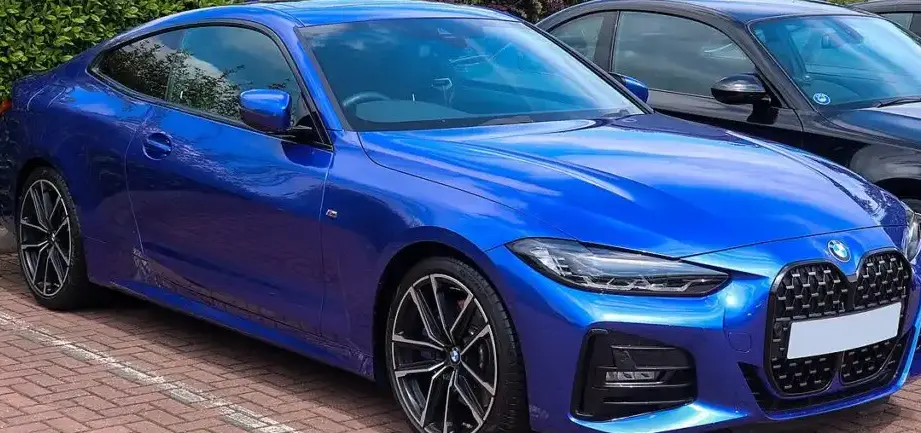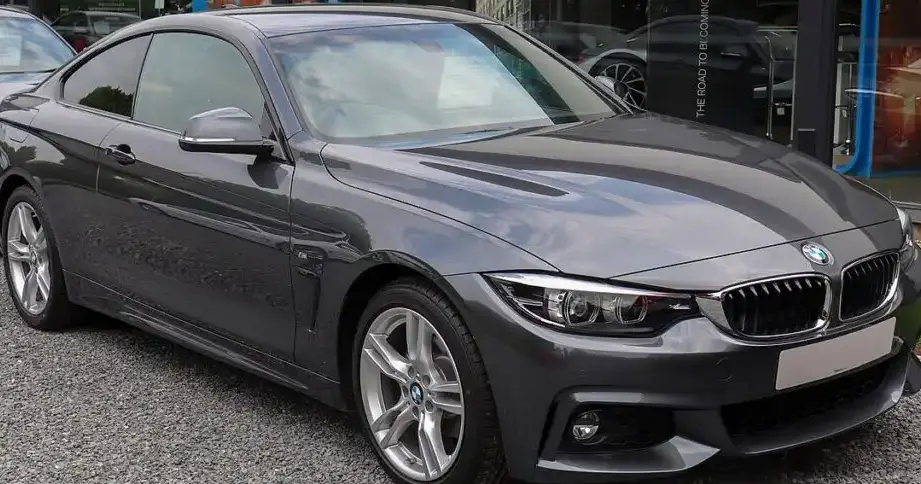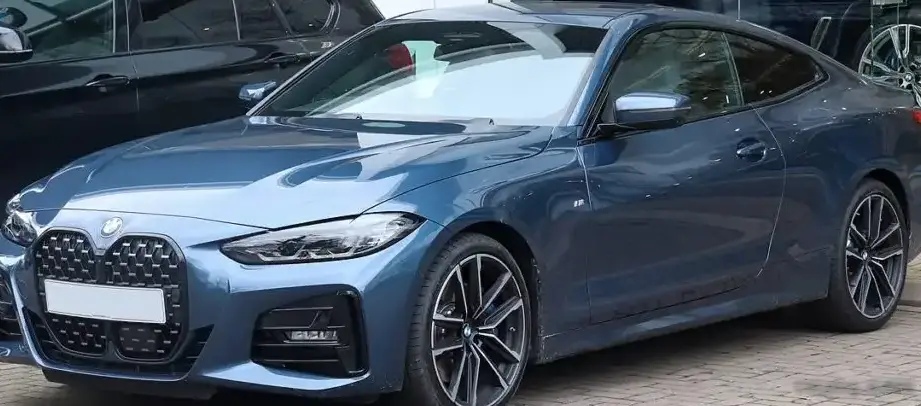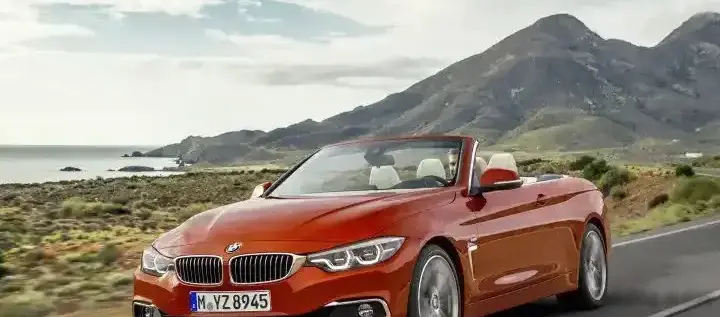
The BMW 4 Series Convertible (F33), specifically the 430i variant produced from 2017 to 2020, represents a mid-cycle refresh of the F33 generation, which itself was launched in 2013 as a replacement for the 3 Series Convertible. This facelift brought styling updates, revised engine options, and improvements to the car’s technology. The 430i, positioned as a mainstream offering within the 4 Series Convertible lineup, aimed to balance performance, luxury, and fuel efficiency for the open-air grand touring enthusiast. It sat above the 420i in terms of power and below the more performance-focused 440i.
Technical Specifications
| Brand | BMW |
| Model | 4 Series |
| Generation | 4 Series Convertible (F33, facelift 2017) |
| Type (Engine) | 430i (252 Hp) |
| Start of production | 2017 |
| End of production | 2020 |
| Powertrain Architecture | Internal Combustion engine |
| Body type | Cabriolet |
| Seats | 4 |
| Doors | 2 |
| Fuel consumption (urban) | 8.6-9.0 l/100 km (27.4 – 26.1 US mpg) |
| Fuel consumption (extra urban) | 5.5-5.8 l/100 km (42.8 – 40.6 US mpg) |
| Fuel consumption (combined) | 6.6-7.0 l/100 km (35.6 – 33.6 US mpg) |
| CO2 emissions | 154-162 g/km |
| Fuel Type | Petrol (Gasoline) |
| Acceleration 0 – 100 km/h | 6.4 sec |
| Acceleration 0 – 62 mph | 6.4 sec |
| Acceleration 0 – 60 mph | 6.1 sec |
| Maximum speed | 250 km/h (155.34 mph) |
| Emission standard | Euro 6 |
| Weight-to-power ratio | 6.8 kg/Hp, 147.4 Hp/tonne |
| Weight-to-torque ratio | 4.9 kg/Nm, 204.7 Nm/tonne |
| Power | 252 Hp @ 5200 rpm |
| Torque | 350 Nm @ 1450-4800 rpm (258.15 lb.-ft. @ 1450-4800 rpm) |
| Engine layout | Front, Longitudinal |
| Engine Model/Code | B48B20B |
| Engine displacement | 1998 cm3 (121.93 cu. in.) |
| Number of cylinders | 4 |
| Engine configuration | Inline |
| Cylinder Bore | 82 mm (3.23 in.) |
| Piston Stroke | 94.6 mm (3.72 in.) |
| Compression ratio | 10.2:1 |
| Number of valves per cylinder | 4 |
| Fuel injection system | Direct injection |
| Engine aspiration | Twin-power turbo, Intercooler |
| Engine oil capacity | 5.25 l (5.55 US qt | 4.62 UK qt) |
| Coolant | 8.1 l (8.56 US qt | 7.13 UK qt) |
| Kerb Weight | 1710 kg (3769.9 lbs.) |
| Max. weight | 2170 kg (4784.03 lbs.) |
| Max load | 460 kg (1014.13 lbs.) |
| Trunk (boot) space – minimum | 370 l (13.07 cu. ft.) |
| Fuel tank capacity | 60 l (15.85 US gal | 13.2 UK gal) |
| Permitted trailer load with brakes (12%) | 1600 kg (3527.4 lbs.) |
| Permitted trailer load without brakes | 745 kg (1642.44 lbs.) |
| Permitted towbar download | 75 kg (165.35 lbs.) |
| Length | 4640 mm (182.68 in.) |
| Width | 1825 mm (71.85 in.) |
| Height | 1384 mm (54.49 in.) |
| Wheelbase | 2810 mm (110.63 in.) |
| Front track | 1544 mm (60.79 in.) |
| Rear (Back) track | 1593 mm (62.72 in.) |
| Ride height (ground clearance) | 130 mm (5.12 in.) |
| Drag coefficient (Cd) | 0.30 |
| Minimum turning circle (turning diameter) | 11.3 m (37.07 ft.) |
| Drivetrain Architecture | Rear wheel drive |
| Drive wheel | Rear wheel drive |
| Number of gears and type of gearbox | 6 gears, manual transmission |
| Front suspension | Independent coil spring |
| Rear suspension | Independent multi-link suspension |
| Front brakes | Ventilated discs |
| Rear brakes | Ventilated discs |
| Assisting systems | ABS (Anti-lock braking system) |
| Steering type | Steering rack and pinion |
| Power steering | Electric Steering |
| Tires size | 225/50 R17; 225/45 R18; 255/40 R18; 225/40 R19; 255/35 R19 |
| Wheel rims size | 7.5J x 17; 8J x 18; 8.5J x 18; 8J x 19; 8.5J x 19 |
Powertrain & Engine Architecture
The heart of the 430i Convertible is BMW’s B48B20B 2.0-liter turbocharged inline-four cylinder engine. This engine is a member of BMW’s modular engine family, known for its efficiency and performance. The ‘B48’ designation indicates the engine family, ‘B20’ signifies the displacement of 2.0 liters, and ‘B’ denotes the fuel type (gasoline). The engine utilizes direct fuel injection, delivering fuel directly into the combustion chamber for improved efficiency and reduced emissions. It also features BMW’s Valvetronic technology, which allows for precise control of valve lift and timing, optimizing engine performance across the rev range. The turbocharger is a twin-scroll unit, designed to minimize turbo lag and provide a more responsive driving experience. The 430i was typically paired with an 8-speed automatic transmission (ZF 8HP), known for its smooth shifts and efficiency. While a 6-speed manual was available in some markets, the automatic was the more common choice in the US.
Driving Characteristics
The 430i Convertible, with its 252 horsepower and 350 Nm (258 lb-ft) of torque, offered a respectable level of performance. Acceleration from 0 to 60 mph took around 6.1 seconds, making it a capable performer for everyday driving and spirited weekend excursions. The 8-speed automatic transmission played a crucial role in delivering smooth and efficient power delivery. Compared to the more powerful 440i, the 430i felt less urgent in its acceleration, but it still provided ample power for overtaking and merging onto highways. The automatic transmission’s gear ratios were tuned for a balance of fuel economy and performance, with taller gears for cruising and shorter gears for quicker acceleration. The rear-wheel-drive configuration contributed to a balanced and engaging driving experience, although it required careful throttle control in wet or slippery conditions.
Equipment & Trim Levels
The 430i Convertible came standard with a generous array of features, including leather upholstery, power-adjustable seats, a premium sound system, and BMW’s iDrive infotainment system with a central display screen. Standard safety features included anti-lock brakes, stability control, and a suite of airbags. Optional extras included features like a head-up display, navigation system, heated seats, and a Harman Kardon premium sound system. Interior trim options allowed buyers to personalize the cabin with different wood or aluminum accents. The convertible top was a fully automatic retractable hardtop, providing a secure and insulated driving experience when closed, and an open-air feel when lowered.
Chassis & Braking
The 430i Convertible utilized a sophisticated chassis design, featuring an independent suspension system at all four wheels. The front suspension consisted of coil springs and struts, while the rear suspension employed a multi-link setup. This configuration provided a comfortable ride quality while maintaining good handling characteristics. Braking duties were handled by ventilated disc brakes at all four corners, providing ample stopping power. Anti-lock brakes (ABS) and stability control were standard features, enhancing safety and control. The car’s weight distribution was carefully optimized to contribute to its balanced handling.
Market Reception & Comparison
The 430i Convertible was generally well-received by automotive critics, who praised its blend of performance, luxury, and fuel efficiency. It was often seen as a more sensible alternative to the more expensive and powerful 440i. Fuel economy was a strong point, with the 430i achieving around 35.6 mpg in combined driving. Compared to the 420i, the 430i offered a significant performance upgrade, making it a more appealing choice for drivers who wanted a more engaging driving experience. Reliability was generally good, although some owners reported minor issues with the infotainment system and convertible top mechanism.
Legacy
The BMW 430i Convertible (F33) has established itself as a desirable used car, offering a compelling combination of style, performance, and luxury. The B48 engine has proven to be relatively reliable, although regular maintenance is essential to ensure its longevity. The 8-speed automatic transmission is also known for its durability. As a used car, the 430i Convertible represents a good value proposition for buyers seeking a premium open-air driving experience. Its timeless design and engaging driving dynamics continue to appeal to enthusiasts today.