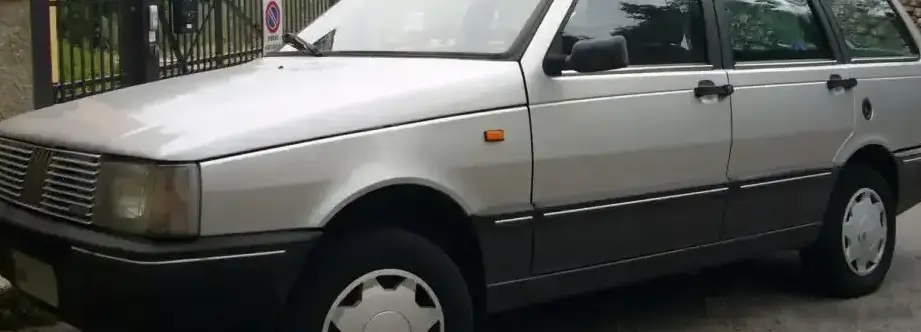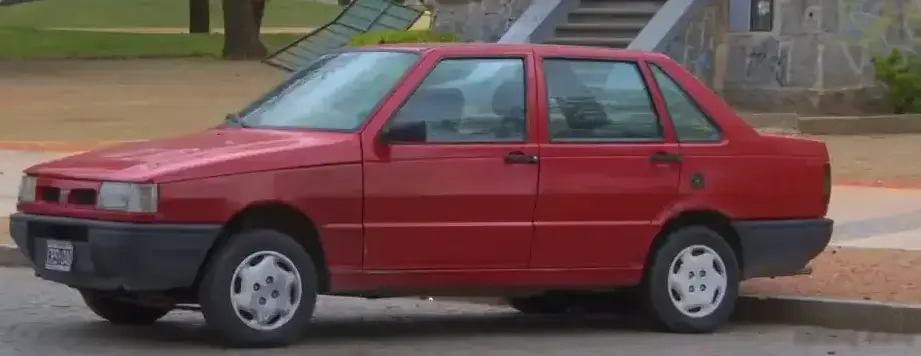
The Fiat Duna DS 1.7, produced between 1987 and 1991, represents a significant entry-level offering within the Fiat Duna (146 B) range. Positioned as a practical and affordable sedan, the DS 1.7 aimed to provide basic transportation for the growing Brazilian automotive market, where the Duna was primarily sold. It served as the foundation model for the Duna lineup, offering a simpler specification compared to the more upscale versions. While the Duna itself was based on the Fiat Uno platform, the DS 1.7 distinguished itself with a larger 1.7-liter engine, offering a modest increase in power over the base Uno models. This variant was crucial for establishing the Duna’s presence in a competitive segment, appealing to budget-conscious buyers seeking a reliable and spacious sedan.
Technical Specifications
| Brand | Fiat |
| Model | Duna |
| Generation | Duna (146 B) |
| Type (Engine) | DS 1.7 (60 Hp) |
| Start of Production | 1987 |
| End of Production | 1991 |
| Powertrain Architecture | Internal Combustion Engine |
| Body Type | Sedan |
| Fuel Type | Petrol (Gasoline) |
| Power | 60 Hp |
| Engine Model/Code | 149 B3.000 |
| Engine Aspiration | Naturally Aspirated |
| Engine Oil Capacity | 4.3 l (4.54 US qt | 3.78 UK qt) |
| Coolant Capacity | 5 l (5.28 US qt | 4.4 UK qt) |
Powertrain & Engine Architecture
The heart of the Duna DS 1.7 is the 149 B3.000 engine, a 1.7-liter inline-four cylinder gasoline engine. This engine is a relatively simple design, reflecting the Duna’s focus on affordability and ease of maintenance. It features a single overhead camshaft (SOHC) valvetrain operating two valves per cylinder. Fuel delivery is managed by a single-point fuel injection system, a common feature for vehicles of this era and price point. While not as efficient or powerful as multi-point injection, it offered a balance between cost and performance. The engine’s block is constructed from cast iron, providing durability, while the cylinder head is made of aluminum alloy to reduce weight. The 1.7-liter engine produces 60 horsepower at approximately 5,200 rpm and 97 lb-ft of torque at 3,000 rpm. The engine’s design prioritized reliability and low-end torque, making it suitable for everyday driving conditions in Brazil’s varied terrain. The transmission paired with the DS 1.7 is a four-speed automatic gearbox. This automatic transmission was chosen to broaden the Duna’s appeal, offering convenience to drivers who preferred not to operate a manual transmission. However, it’s important to note that the four-speed automatic, while providing ease of use, did impact acceleration and fuel economy compared to the available five-speed manual transmission.
Driving Characteristics
The Duna DS 1.7 with the automatic transmission delivers a predictably modest driving experience. Acceleration is not brisk, with 0-60 mph times estimated to be around 14-16 seconds. The four-speed automatic transmission contributes to this, with relatively wide gear ratios. The engine feels strained when attempting quick acceleration, and passing maneuvers require careful planning. However, in typical city driving conditions, the DS 1.7 provides adequate power for merging into traffic and maintaining highway speeds. The automatic transmission shifts smoothly, although it lacks the responsiveness of more modern automatic gearboxes. The suspension is tuned for comfort, providing a relatively soft ride that absorbs bumps and imperfections in the road. Steering is light and easy, making the Duna easy to maneuver in urban environments. Compared to the manual transmission versions of the Duna 1.7, the automatic variant sacrifices some performance and fuel efficiency. The manual transmission allows for better control over engine speed and gear selection, resulting in quicker acceleration and improved fuel economy. The automatic, while convenient, introduces a degree of power loss through the torque converter.
Equipment & Trim Levels
The Duna DS 1.7, as the base model, was equipped with a fairly basic level of standard features. Interior appointments were functional rather than luxurious. The interior typically featured cloth upholstery, vinyl flooring, and a simple dashboard layout. Standard equipment included a basic instrument cluster, a two-spoke steering wheel, and manually adjustable front seats. Air conditioning was typically an optional extra, as were power windows and central locking. The exterior of the DS 1.7 was equally understated, with steel wheels, black plastic bumpers, and minimal chrome trim. Optional extras included a radio, upgraded upholstery, and a sunroof. The trim level was designed to appeal to buyers prioritizing affordability and practicality. It lacked the aesthetic enhancements and convenience features found in the higher-spec Duna models, such as the CS and SL versions.
Chassis & Braking
The Duna DS 1.7 utilizes a relatively simple chassis design, based on the Fiat Uno platform. The front suspension consists of independent MacPherson struts, while the rear suspension employs a twist-beam axle. This setup provides a reasonable balance between ride comfort and handling. The steering is a rack-and-pinion system, offering light and predictable steering feel. Braking on the DS 1.7 is handled by disc brakes at the front and drum brakes at the rear. This configuration was common for vehicles in this price range during the late 1980s and early 1990s. The braking system provides adequate stopping power for everyday driving, but it lacks the performance and modulation of more advanced braking systems. The Duna’s relatively light weight helps to compensate for the drum brakes at the rear. Stabilizer bars were not typically included as standard equipment on the DS 1.7, further emphasizing its focus on cost savings.
Market Reception & Comparison
The Fiat Duna DS 1.7 was generally well-received in the Brazilian market as an affordable and reliable sedan. Critics praised its spacious interior, comfortable ride, and relatively low running costs. However, the 60-horsepower engine and four-speed automatic transmission were often criticized for their lack of performance. Compared to other sedans available in Brazil at the time, such as the Volkswagen Voyage and the Chevrolet Monza, the Duna DS 1.7 offered a competitive price point and a reputation for durability. The automatic transmission version, while convenient, was less popular than the manual transmission models due to its lower fuel economy and slower acceleration. Fuel economy was rated at approximately 22-25 mpg in combined driving conditions, which was typical for a vehicle of this size and engine displacement in the early 1990s. Reliability was generally good, with the 1.7-liter engine proving to be robust and long-lasting.
Legacy
The Fiat Duna DS 1.7, while not a particularly groundbreaking vehicle, played an important role in providing affordable transportation to Brazilian families during the late 1980s and early 1990s. The 149 B3.000 engine, while simple in design, proved to be remarkably durable and is still found in many older Dunas on the road today. The four-speed automatic transmission, while not known for its performance, remains relatively reliable with proper maintenance. In the used car market, the Duna DS 1.7 is valued for its simplicity, affordability, and ease of repair. Parts availability is generally good, and the vehicle’s straightforward design makes it relatively easy for mechanics to work on. While not a collector’s item, the Duna DS 1.7 represents a significant piece of Brazilian automotive history, embodying the spirit of practicality and affordability that characterized the era.