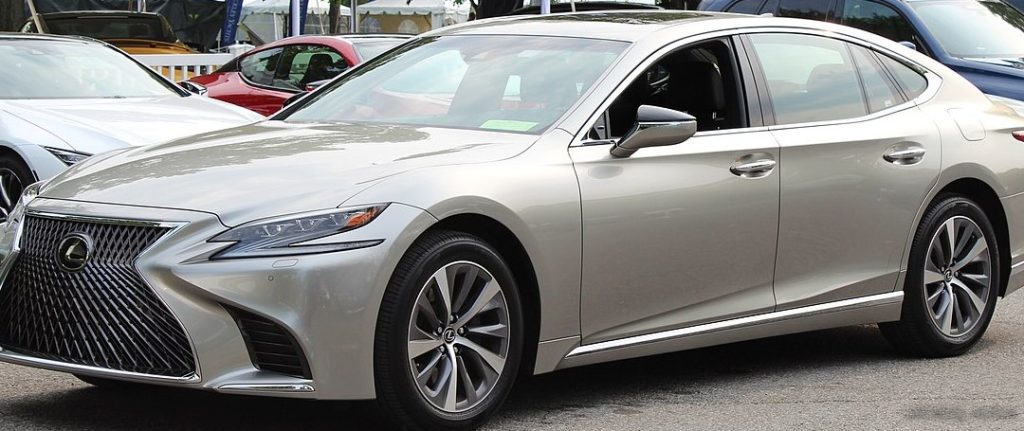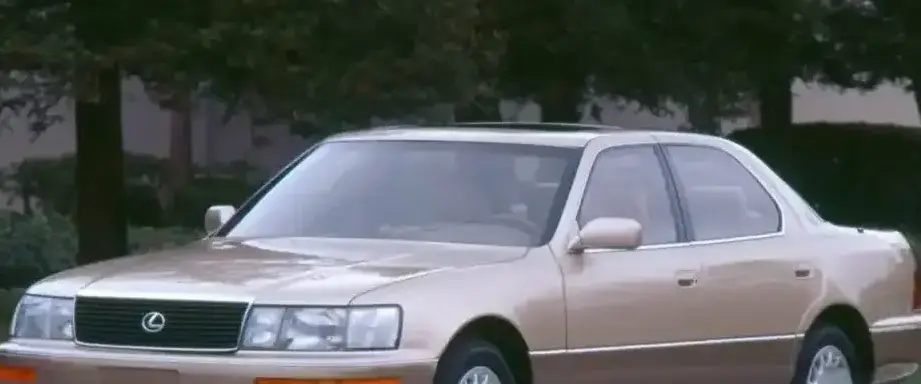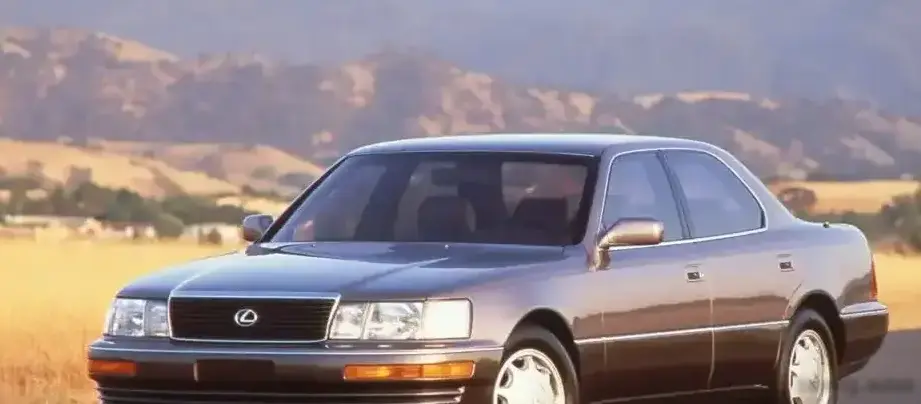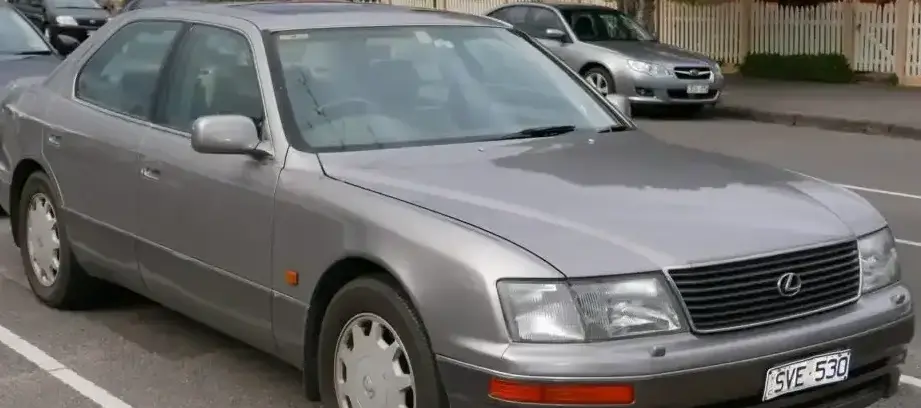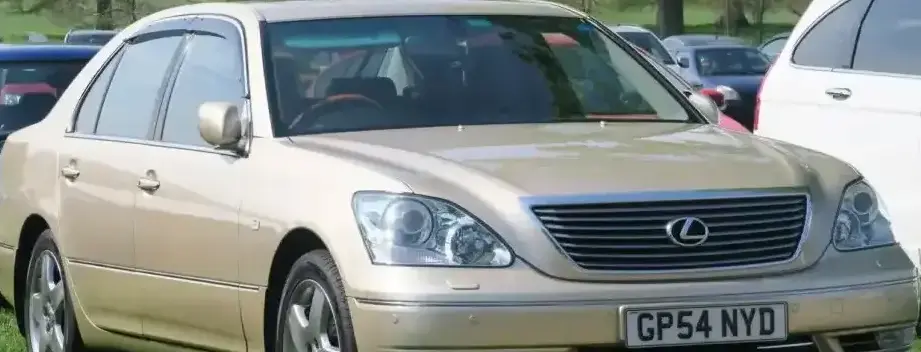
The Lexus LS 430, specifically the facelifted model produced from 2004 to 2006, represented the third generation of Lexus’ flagship sedan. Introduced in 2000 and refreshed in 2004, the LS 430 continued Lexus’ commitment to luxury, refinement, and reliability. This variant, equipped with the 4.3-liter 3UZ-FE V8 engine producing 290 horsepower and a six-speed automatic transmission, was the mainstay of the LS 430 lineup during those years. It aimed to provide a balance of performance and comfort, appealing to buyers seeking a premium full-size sedan experience. The LS 430 competed directly with established German rivals like the BMW 7 Series and Mercedes-Benz S-Class, offering a distinctly Japanese approach to luxury.
Technical Specifications
| Brand | Lexus |
| Model | LS |
| Generation | LS III (facelift 2004) |
| Type (Engine) | 430 V8 (290 Hp) Automatic |
| Start of production | 2003 |
| End of production | 2006 |
| Powertrain Architecture | Internal Combustion engine |
| Body type | Sedan |
| Seats | 5 |
| Doors | 4 |
| Fuel consumption (urban) | 13.2 l/100 km (17.8 US mpg, 21.4 UK mpg, 7.6 km/l) |
| Fuel consumption (combined) | 8.6 l/100 km (27.4 US mpg, 32.8 UK mpg, 11.6 km/l) |
| Fuel Type | Petrol (Gasoline) |
| Acceleration 0 – 100 km/h | 6.1 sec |
| Acceleration 0 – 62 mph | 6.1 sec |
| Acceleration 0 – 60 mph | 5.8 sec |
| Maximum speed | 240 km/h (149.13 mph) |
| Weight-to-power ratio | 6.2 kg/Hp, 160.2 Hp/tonne |
| Weight-to-torque ratio | 4.2 kg/Nm, 239.8 Nm/tonne |
| Power | 290 Hp @ 5600 rpm |
| Power per litre | 67.6 Hp/l |
| Torque | 434 Nm @ 3400 rpm (320.1 lb.-ft. @ 3400 rpm) |
| Engine layout | Front, Longitudinal |
| Engine Model/Code | 3UZ-FE |
| Engine displacement | 4293 cm3 (261.97 cu. in.) |
| Number of cylinders | 8 |
| Engine configuration | V-engine |
| Cylinder Bore | 91 mm (3.58 in.) |
| Piston Stroke | 82.5 mm (3.25 in.) |
| Compression ratio | 10.5:1 |
| Number of valves per cylinder | 4 |
| Fuel injection system | Multi-port manifold injection |
| Engine aspiration | Naturally aspirated engine |
| Valvetrain | DOHC |
| Engine oil capacity | 5.1 l (5.39 US qt | 4.49 UK qt) |
| Coolant | 9.5 l (10.04 US qt | 8.36 UK qt) |
| Kerb Weight | 1810 kg (3990.37 lbs.) |
| Max. weight | 2330 kg (5136.77 lbs.) |
| Max load | 520 kg (1146.4 lbs.) |
| Trunk (boot) space – minimum | 570 l (20.13 cu. ft.) |
| Fuel tank capacity | 84 l (22.19 US gal | 18.48 UK gal) |
| Length | 5015 mm (197.44 in.) |
| Width | 1830 mm (72.05 in.) |
| Height | 1470-1490 mm (57.87 – 58.66 in.) |
| Wheelbase | 2925 mm (115.16 in.) |
| Front track | 1570-1575 mm (61.81 – 62.01 in.) |
| Rear (Back) track | 1570-1575 mm (61.81 – 62.01 in.) |
| Ride height (ground clearance) | 145-150 mm (5.71 – 5.91 in.) |
| Drag coefficient (Cd) | 0.26 |
| Minimum turning circle (turning diameter) | 10.9 m (35.76 ft.) |
| Drivetrain Architecture | Rear wheel drive |
| Drive wheel | Rear wheel drive |
| Number of gears and type of gearbox | 6 gears, automatic transmission |
| Front suspension | Double wishbone |
| Rear suspension | Double wishbone |
| Front brakes | Ventilated discs, 315 mm |
| Rear brakes | Ventilated discs, 310 mm |
| Assisting systems | ABS (Anti-lock braking system) |
| Steering type | Steering rack and pinion |
| Tires size | 225/55 R17 |
| Wheel rims size | 7.5J x 17 |
Powertrain & Engine Architecture
The heart of the LS 430 was the 3UZ-FE, a 4.3-liter (4293 cc) naturally aspirated V8 engine. This engine was renowned for its smoothness and reliability. It featured a 60-degree V-angle, dual overhead camshafts (DOHC) with four valves per cylinder, and a multi-port fuel injection system. The 3UZ-FE produced 290 horsepower at 5600 rpm and 320 lb-ft of torque at 3400 rpm. The engine’s design prioritized refinement over outright performance, delivering power in a linear and predictable manner. The six-speed automatic transmission, a significant upgrade from the previous generation’s four-speed unit, was crucial in managing the engine’s output. It offered smooth shifts and helped optimize fuel efficiency. The transmission featured electronically controlled torque converter lock-up and adaptive shift logic, adjusting to driving conditions and driver input.
Driving Characteristics
The LS 430 4.3L/Automatic combination delivered a comfortable and composed driving experience. While not a sports sedan, the engine provided ample power for effortless highway cruising and confident passing maneuvers. The six-speed automatic transmission contributed to a refined driving experience, with smooth and almost imperceptible gear changes. Compared to the manual transmission options available on some LS models, the automatic prioritized convenience and ease of use. Acceleration from 0-60 mph took approximately 5.8 seconds, respectable for a full-size luxury sedan of its era. The gear ratios were tuned for relaxed cruising, with a focus on minimizing engine noise and maximizing fuel economy. The suspension, tuned for comfort, absorbed bumps and imperfections in the road effectively, providing a smooth and isolated ride.
Equipment & Trim Levels
The LS 430 came well-equipped as standard. The base model included leather upholstery, power-adjustable heated front seats, a premium sound system, automatic climate control, and a navigation system. Optional extras included massaging front seats, a rear-seat entertainment system, adaptive cruise control, and a Mark Levinson premium audio system. The interior was characterized by high-quality materials and meticulous attention to detail. Wood trim and chrome accents were used throughout the cabin to create a luxurious ambiance. The facelifted 2004 model received minor interior updates, including revised switchgear and improved materials.
Chassis & Braking
The LS 430 featured a robust chassis with a double wishbone suspension setup at both the front and rear. This suspension design provided a comfortable ride and good handling characteristics. The car was equipped with ventilated disc brakes on all four wheels, providing ample stopping power. An Anti-lock Braking System (ABS) was standard. The steering was a rack-and-pinion system, offering precise and responsive control. The LS 430’s weight (approximately 3990 lbs) was managed effectively by the suspension and braking systems, providing a stable and confident driving experience.
Market Reception & Comparison
The Lexus LS 430 was generally well-received by automotive critics. It was praised for its smooth ride, quiet cabin, and luxurious interior. The 4.3-liter V8 engine and six-speed automatic transmission were also lauded for their refinement and performance. Compared to other trims in the LS 430 lineup, the 4.3L automatic was the most popular choice, offering a balance of performance and convenience. Fuel economy was respectable for a vehicle of its size and class, averaging around 27.4 mpg combined. Reliability was a key strength of the LS 430, with owners reporting few major issues.
Legacy
The Lexus LS 430, particularly the 4.3L V8/Automatic variant, has proven to be a remarkably durable and reliable vehicle. Even today, well-maintained examples are relatively common on the used car market. The 3UZ-FE engine is known for its longevity, often exceeding 200,000 miles with proper maintenance. While not as technologically advanced as some of its modern counterparts, the LS 430 remains a compelling option for buyers seeking a comfortable, reliable, and luxurious full-size sedan. Its reputation for dependability has cemented its place as a classic in the luxury car segment.