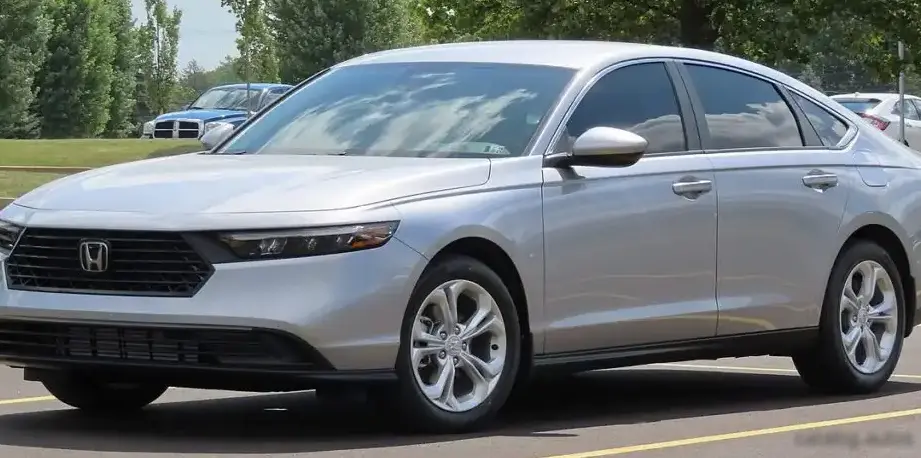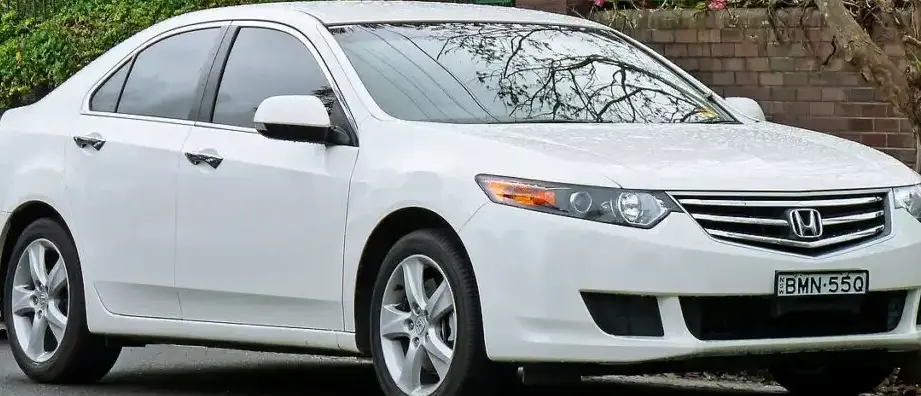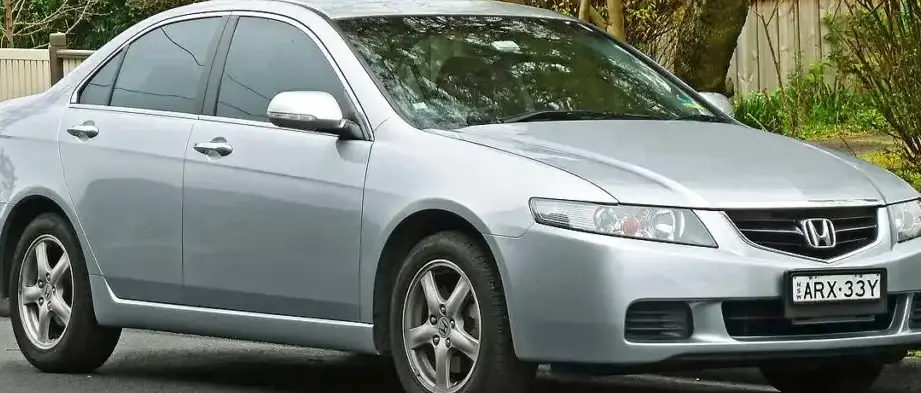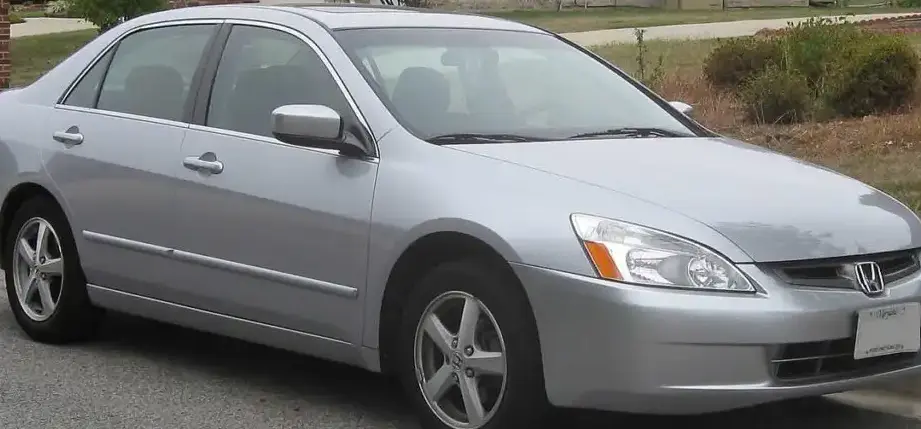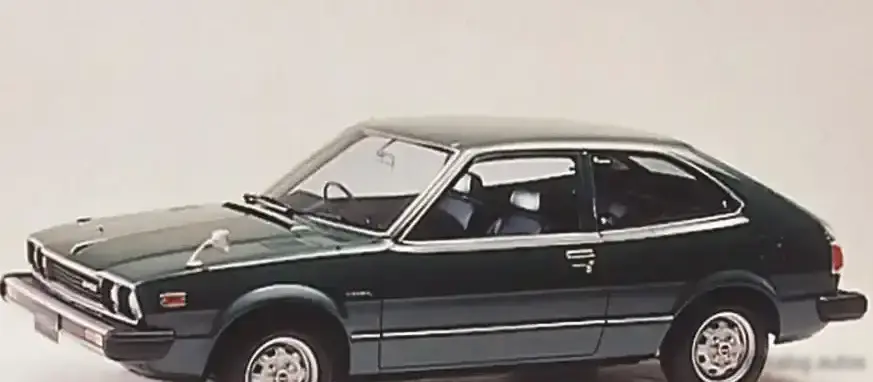
The Honda Accord II, manufactured between 1981 and 1983, marked a pivotal moment for Honda’s expansion into the North American automotive landscape. The 1.6 L/EX (SY) variant, equipped with an 80 horsepower engine and predominantly paired with an automatic transmission, held a significant position within the second-generation Accord lineup (chassis codes AC and AD). This model aimed to strike a balance between fuel efficiency, affordability, and Honda’s well-established reliability, appealing to a broad spectrum of family car buyers. Building upon the foundation laid by the first-generation Accord, it offered enhanced features and a refined overall design. The “SY” designation typically signified a specific trim level within the EX range, indicating a particular set of standard features.
Technical Specifications
| Brand | Honda |
| Model | Accord |
| Generation | Accord II (AC, AD) |
| Type (Engine) | 1.6 L/EX (SY) (80 Hp) |
| Start of Production | 1981 |
| End of Production | 1983 |
| Powertrain Architecture | Internal Combustion Engine |
| Body Type | Sedan |
| Fuel Type | Petrol (Gasoline) |
| Power | 80 Hp |
| Engine Aspiration | Naturally Aspirated |
Powertrain & Engine Architecture
The 1.6-liter engine powering the Accord II 1.6 L/EX (SY) was a naturally aspirated, inline-four cylinder unit. While specific engine codes varied depending on the market – often designated as part of the A16 series – the fundamental architecture remained consistent. This engine featured a single overhead camshaft (SOHC) valvetrain, operating two valves per cylinder. Fuel delivery was managed by a carburetor, a common feature for vehicles of this era, although Honda was beginning to explore fuel injection technology in other models. The carburetor provided sufficient fuel atomization for the engine’s modest power output. The engine block was constructed from cast iron, ensuring durability, while the cylinder head was typically made of aluminum alloy, contributing to weight reduction. The automatic transmission offered with this variant was generally a three-speed unit, designed for smooth and comfortable operation rather than outright performance. It was a conventional hydraulic automatic, lacking the electronic controls found in later transmissions.
Driving Characteristics
The 80 horsepower output of the 1.6-liter engine, combined with the three-speed automatic transmission, resulted in driving characteristics geared towards efficiency and ease of use. Acceleration was adequate for typical commuting and highway merging, but it wasn’t particularly brisk. The automatic transmission’s gear ratios were optimized for fuel economy, causing the engine to operate at lower RPMs during cruising. Compared to the available five-speed manual transmission, the automatic version offered less driver engagement and slightly reduced fuel efficiency. However, it provided a more relaxed driving experience, particularly in stop-and-go traffic. The power delivery was relatively linear, with peak torque occurring at moderate engine speeds. This made the car predictable and easy to control, especially for less experienced drivers. The automatic transmission did contribute to a noticeable difference in responsiveness compared to the manual versions, with a slight delay in downshifts when needing to accelerate quickly.
Equipment & Trim Levels
The 1.6 L/EX (SY) trim level represented a step up from the base Accord models. Standard equipment typically included cloth upholstery, a basic AM/FM radio, and full wheel covers. The “EX” designation indicated additional features compared to the more basic DX trim. The “SY” sub-trim often added features like upgraded interior trim or a slightly more comprehensive radio. Optional extras available for this trim included air conditioning, a cassette player, and upgraded sound systems. Interior appointments were functional and durable, reflecting the car’s overall focus on practicality. The dashboard layout was straightforward, with clearly labeled controls. While not luxurious, the interior offered a comfortable and user-friendly environment.
Chassis & Braking
The Accord II utilized a front-engine, front-wheel-drive layout. The suspension consisted of independent MacPherson struts at the front and a semi-independent torsion beam rear suspension. This setup provided a reasonable balance of ride comfort and handling. The 1.6 L/EX (SY) variant typically featured drum brakes on the rear wheels and disc brakes on the front, a common configuration for vehicles in this price range during the early 1980s. Steering was unassisted, providing a direct feel but requiring more effort at low speeds. Stabilizer bars were often included, helping to reduce body roll during cornering. The chassis was relatively lightweight, contributing to the car’s fuel efficiency and maneuverability. The suspension tuning was biased towards comfort, resulting in a smooth ride over most road surfaces.
Market Reception & Comparison
The Honda Accord II 1.6 L/EX (SY) was generally well-received by automotive critics and consumers. It was praised for its reliability, fuel efficiency, and overall value. Compared to other compact sedans of the time, such as the Toyota Corolla and Mazda 626, the Accord offered a more refined driving experience and a reputation for long-term durability. The automatic transmission version, while not as sporty as the manual, was appreciated for its convenience. Fuel economy was a key selling point, particularly in the wake of the oil crises of the 1970s. However, some critics noted that the 80 horsepower engine felt underpowered, especially when fully loaded with passengers and cargo. Compared to the larger-engined Accord models (like the 1.8L), the 1.6L offered a lower price point but sacrificed some performance.
Legacy
The Honda Accord II 1.6 L/EX (SY) powertrain proved to be remarkably reliable. Many examples remain on the road today, a testament to Honda’s engineering and build quality. The engine is known for its longevity, and with proper maintenance, can accumulate high mileage. In the used car market, these Accords are often sought after by enthusiasts and collectors looking for a classic Japanese automobile. Parts availability is generally good, although some specific trim pieces may be difficult to find. The 1.6L automatic variant represents an accessible entry point into the world of classic Hondas, offering a blend of affordability, reliability, and nostalgic appeal. It solidified Honda’s reputation as a manufacturer of dependable and well-engineered vehicles, paving the way for the Accord’s continued success in the decades that followed.