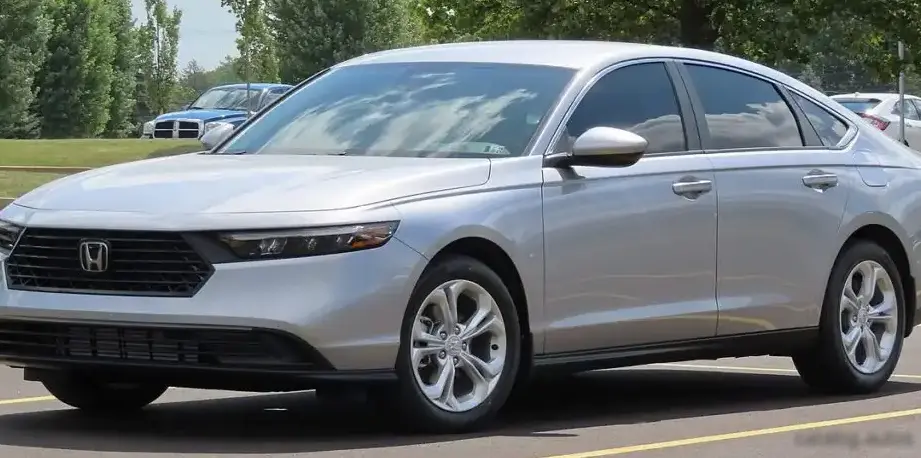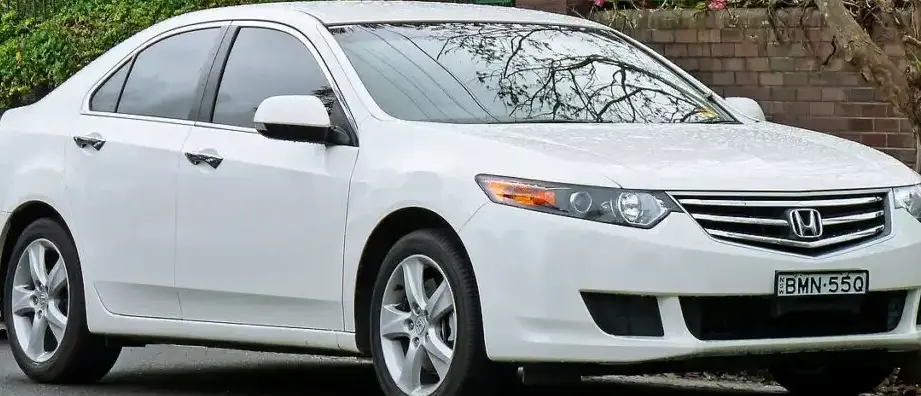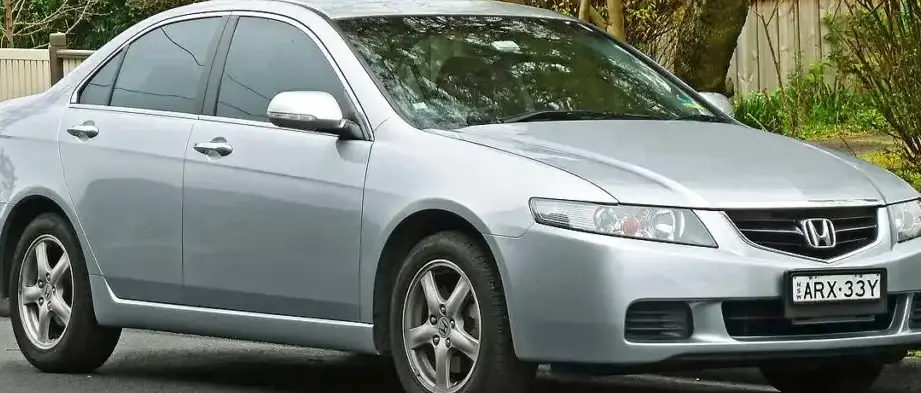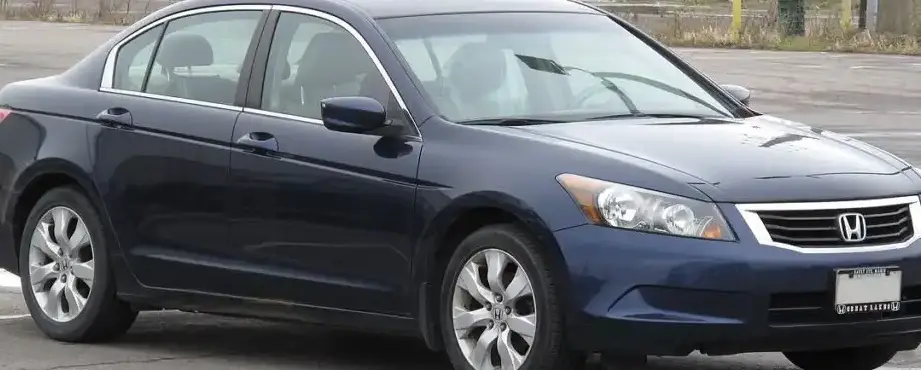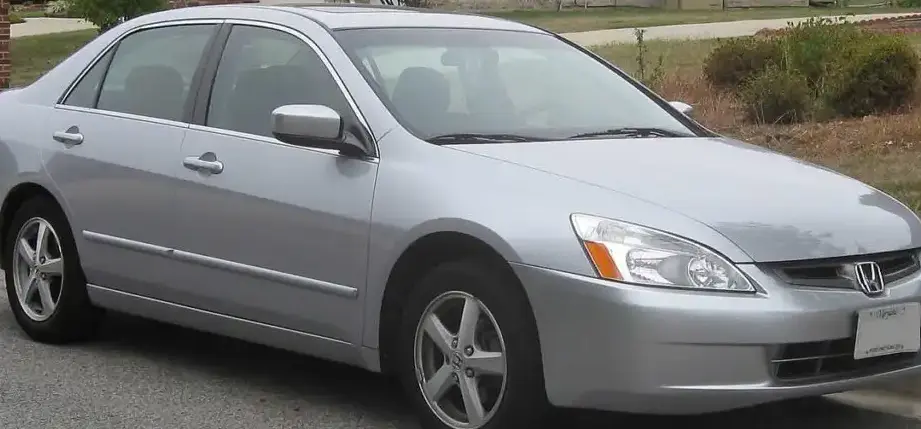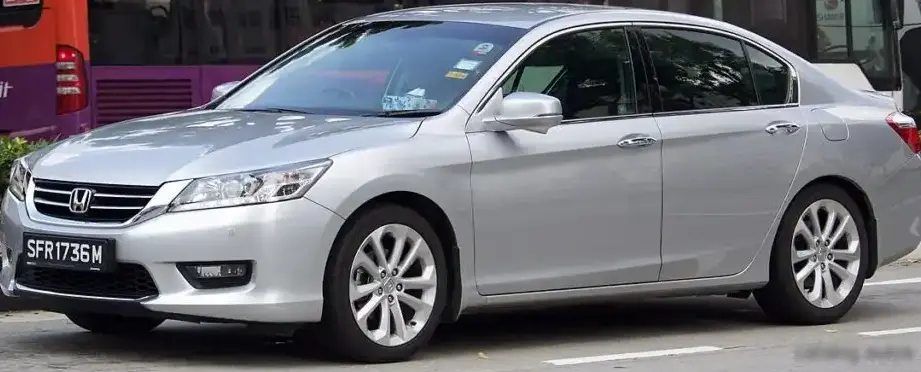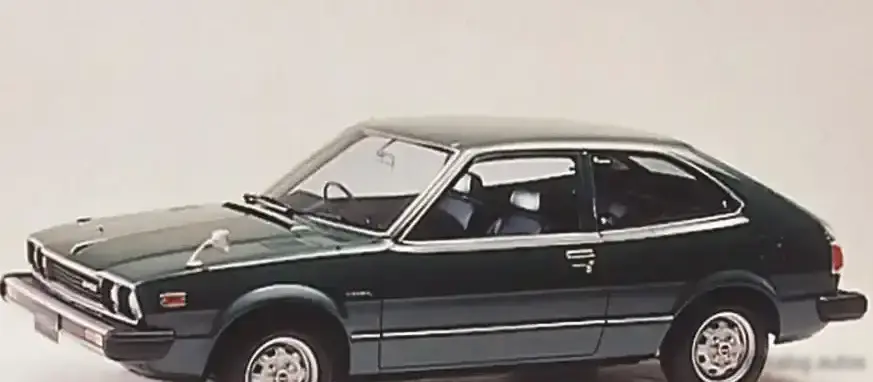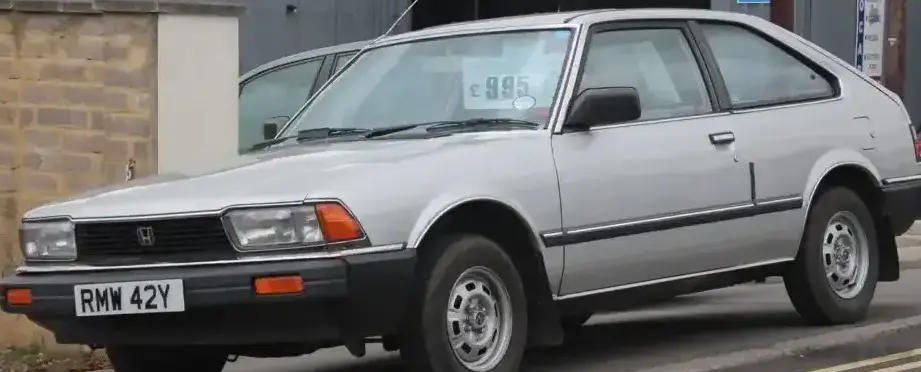
The Honda Accord II Hatchback, specifically the 1.6 L/EX (SY) variant producing 80 horsepower, represents a pivotal moment in Honda’s expansion into the North American market and solidified the Accord’s reputation for reliability and fuel efficiency. Produced between 1981 and 1983, this model (chassis codes AC and AD) was a key component of the second-generation Accord lineup, building upon the success of the original. It offered a practical and economical alternative to larger, less fuel-efficient American cars, particularly in the wake of the late 1970s energy crisis. The hatchback body style, relatively uncommon for Honda in the US at the time, added to its versatility and appeal to a younger demographic.
Technical Specifications
| Brand | Honda |
| Model | Accord |
| Generation | Accord II Hatchback (AC,AD) |
| Type (Engine) | 1.6 L/EX (SY) (80 Hp) |
| Start of production | 1981 |
| End of production | 1983 |
| Powertrain Architecture | Internal Combustion engine |
| Body type | Hatchback |
| Fuel Type | Petrol (Gasoline) |
| Power | 80 Hp |
| Engine aspiration | Naturally aspirated engine |
Powertrain & Engine Architecture
The 1.6 L/EX (SY) Accord hatchback was powered by Honda’s A16A engine, a 1.6-liter inline-four cylinder gasoline engine. This engine featured a single overhead camshaft (SOHC) valvetrain, operating with two valves per cylinder. The A16A utilized a cast iron block and an aluminum cylinder head, a common construction for the era balancing durability and weight. Fuel delivery was managed by a Mikuni/Solex carburetor, a relatively simple system compared to the fuel injection systems becoming more prevalent in later models. The engine produced 80 horsepower at 5,500 rpm and 94 lb-ft of torque at 3,500 rpm. This particular variant was exclusively paired with a three-speed automatic transmission, a popular choice for American buyers prioritizing convenience over outright performance. The transmission was a traditional torque converter automatic, offering smooth but not particularly quick shifts. The engine code ‘A16A’ is crucial for identifying parts and service information for this specific powertrain.
Driving Characteristics
The 1.8L/EX (SY) automatic Accord hatchback offered a comfortable and predictable driving experience. Acceleration was adequate for everyday driving, but not particularly brisk. The three-speed automatic transmission, while smooth, lacked the responsiveness of a manual gearbox or a more modern automatic with additional gears. The gear ratios were optimized for fuel economy rather than performance, resulting in a relatively leisurely 0-60 mph time, estimated to be around 13-15 seconds. The engine felt relatively strained at higher speeds, and passing maneuvers required careful planning. Compared to the five-speed manual transmission available on other Accord models, the automatic version sacrificed some performance and driver engagement. However, it provided a more relaxed driving experience, particularly in city traffic. The suspension, while simple, provided a comfortable ride, absorbing bumps and imperfections in the road reasonably well.
Equipment & Trim Levels
The 1.6 L/EX (SY) trim level represented a mid-range offering within the Accord II hatchback lineup. Standard equipment included cloth upholstery, a basic AM/FM radio, and manual windows and locks. The interior was functional and durable, prioritizing practicality over luxury. Optional extras included a cassette player, upgraded sound system, and air conditioning, which was a popular addition, especially in warmer climates. The “EX” designation indicated a step up from the base model, offering a slightly more refined interior and a few additional convenience features. The dashboard layout was straightforward and easy to use, with clearly marked gauges and controls. The hatchback configuration provided a generous amount of cargo space, making it a practical choice for families and individuals with active lifestyles.
Chassis & Braking
The Accord II hatchback utilized a front-engine, front-wheel-drive layout. The suspension consisted of independent MacPherson struts at the front and a semi-independent torsion beam axle at the rear. This setup provided a good balance of ride comfort and handling. Braking duties were handled by disc brakes at the front and drum brakes at the rear. While adequate for the vehicle’s weight and performance, the rear drum brakes were less effective than disc brakes, particularly in demanding braking situations. Steering was accomplished via a rack-and-pinion system, providing precise and responsive steering feel. The chassis was relatively lightweight, contributing to the Accord’s fuel efficiency and nimble handling. A stabilizer bar was included at the front to reduce body roll during cornering.
Market Reception & Comparison
The Honda Accord II hatchback, including the 1.6 L/EX (SY) variant, was well-received by critics and consumers alike. It was praised for its reliability, fuel efficiency, and practicality. Compared to other compact cars of the era, such as the Toyota Corolla and Mazda 626, the Accord offered a more refined driving experience and a reputation for exceptional durability. The automatic transmission, while not the sportiest option, appealed to a broad range of buyers. Fuel economy was a significant selling point, averaging around 28-32 mpg in combined driving. The 1.6L engine, while less powerful than the available 1.8L engine, offered a lower price point and still provided sufficient power for most everyday driving needs. Some critics noted the relatively basic interior and the lack of advanced features compared to some European competitors, but these were generally considered acceptable trade-offs for the Accord’s overall value and reliability.
Legacy
The Honda Accord II hatchback, and specifically the 1.6 L/EX (SY) automatic variant, holds a significant place in Honda’s history. It helped establish the Accord as a major player in the North American automotive market and cemented Honda’s reputation for building reliable and fuel-efficient vehicles. The A16A engine proved to be remarkably durable, and many examples are still on the road today, often with high mileage. In the used car market, these Accords are sought after by enthusiasts and collectors for their simplicity, reliability, and nostalgic appeal. While not particularly valuable, well-maintained examples command a reasonable price. The 1.6L automatic powertrain, while not the most desirable configuration for performance enthusiasts, remains a popular choice for those seeking a classic Honda that is easy to maintain and enjoyable to drive. The success of this generation Accord paved the way for future generations, continuing Honda’s legacy of automotive innovation and quality.