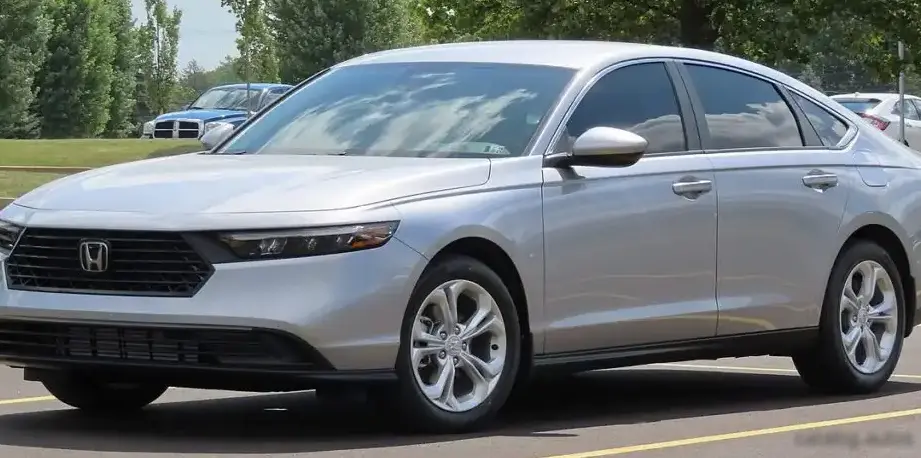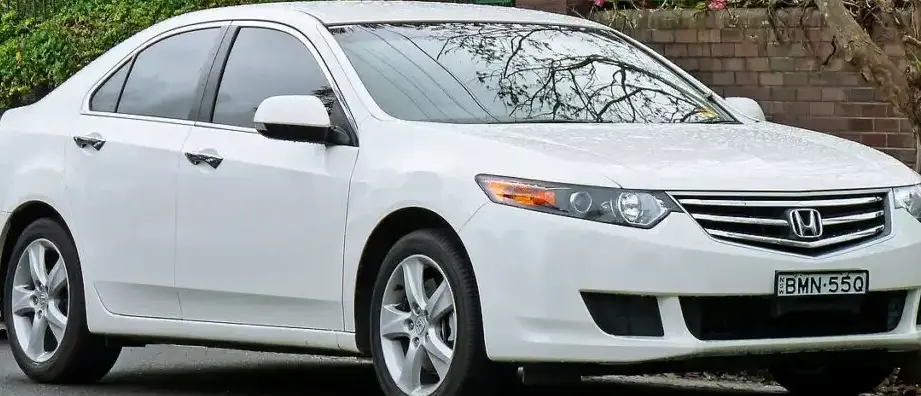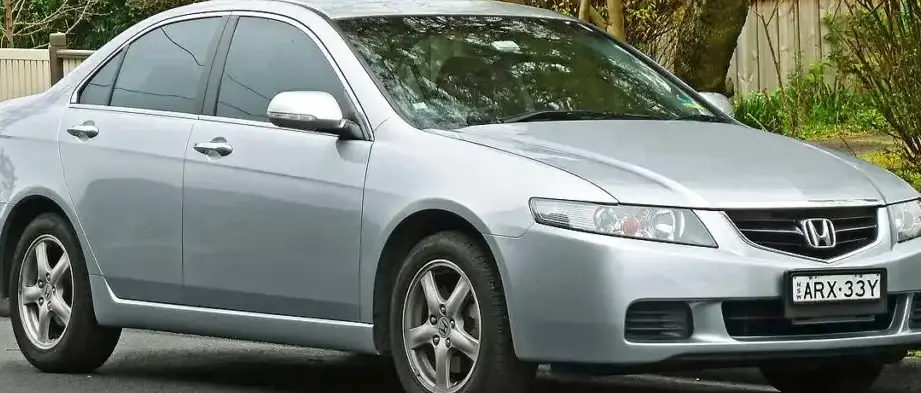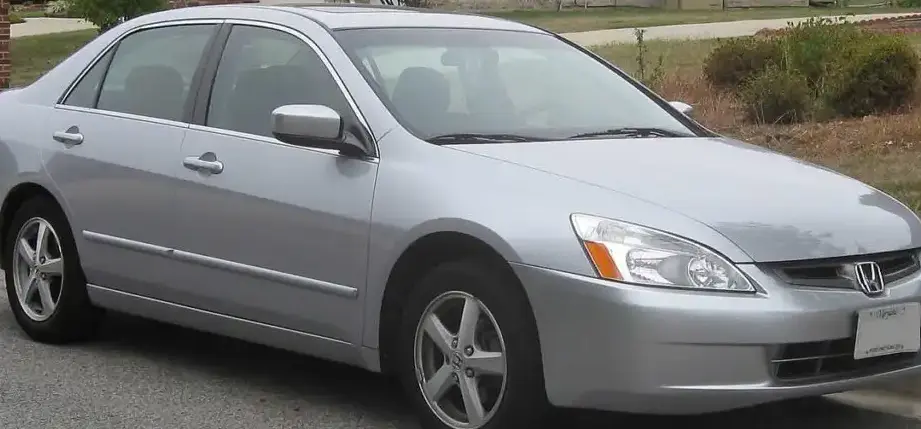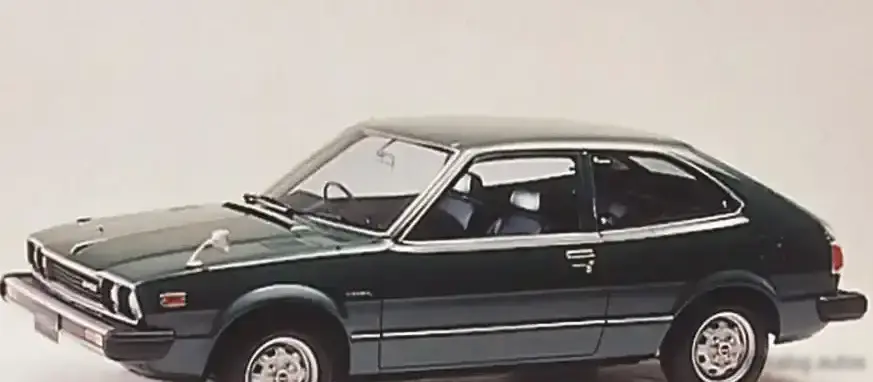
The Honda Accord II Hatchback 1.8 EX (AD), produced from 1983 to 1985, represents a significant evolution in Honda’s popular Accord line. This variant, part of the AC/AD facelift of the second-generation Accord, offered a blend of practicality, fuel efficiency, and a touch of sporty styling within the compact hatchback segment. Positioned as a mid-range offering, the 1.8 EX aimed to provide a more refined experience than the base models while remaining accessible to a broad customer base. It played a crucial role in establishing the Accord as a reliable and desirable vehicle in the North American market, where Honda was steadily gaining recognition for its quality and engineering.
Technical Specifications
| Brand | Honda |
| Model | Accord |
| Generation | Accord II Hatchback (AC,AD facelift 1983) |
| Type (Engine) | 1.8 EX (AD) (101 Hp) |
| Start of production | 1983 |
| End of production | 1985 |
| Powertrain Architecture | Internal Combustion engine |
| Body type | Hatchback |
| Fuel Type | Petrol (Gasoline) |
| Power | 101 Hp |
| Engine aspiration | Naturally aspirated engine |
Introduction
The second-generation Honda Accord, launched in 1982, marked a substantial step forward for the model. The AC/AD facelift in 1983 brought subtle but important refinements to the design and mechanicals. The 1.8 EX (AD) hatchback variant was a key component of this update. Built on the AC/AD platform, it offered a practical five-door body style that appealed to families and individuals seeking versatility. The “EX” designation signified an elevated trim level, adding features and refinements over the more basic Accord models. This generation of Accord was instrumental in solidifying Honda’s reputation for building durable, fuel-efficient, and well-engineered automobiles, particularly in a market increasingly focused on import brands.
Powertrain & Engine Architecture
The heart of the 1.8 EX (AD) is the Honda A18A engine, a 1.8-liter (1754 cc) inline-four cylinder gasoline engine. This engine utilizes a single overhead camshaft (SOHC) valvetrain with two valves per cylinder. The A18A featured Honda’s Programmed Fuel Injection (PGM-FI) system, an early form of electronic fuel injection that contributed to improved fuel efficiency and reduced emissions compared to carbureted engines of the time. The engine produced 101 horsepower at 5,500 rpm and 103 lb-ft of torque at 3,500 rpm. Paired with this engine was a three-speed automatic transmission, offering smooth and convenient shifting. This transmission was designed for comfortable daily driving rather than outright performance. The engine block was constructed from cast iron, while the cylinder head was made of aluminum, contributing to a reasonable weight balance.
Driving Characteristics
The 1.8 EX (AD) automatic offered a comfortable and predictable driving experience. While not particularly quick, the engine provided adequate power for everyday driving situations. Acceleration from 0 to 60 mph was estimated to be around 11-12 seconds, which was competitive for its class at the time. The three-speed automatic transmission featured relatively tall gear ratios, prioritizing fuel economy over rapid acceleration. The automatic transmission’s shift points were calibrated for smooth transitions and minimizing engine strain. Compared to the five-speed manual transmission available on other Accord models, the automatic version sacrificed some responsiveness and driver engagement. However, it appealed to buyers who preferred the convenience of an automatic. The steering was light and precise, making the Accord easy to maneuver in urban environments.
Equipment & Trim Levels
The “EX” trim level of the 1983-1985 Accord 1.8 Hatchback included several features that distinguished it from the base models. Standard equipment typically included cloth upholstery, a tilt steering wheel, a basic AM/FM radio, and full wheel covers. The interior was designed with practicality in mind, offering ample space for passengers and cargo. Optional extras included a more advanced stereo system, power windows and locks, and a sunroof. The dashboard layout was straightforward and functional, with easy-to-read gauges. The EX trim also featured upgraded interior trim and detailing compared to the lower-spec models. The hatchback configuration provided a large cargo area that could be expanded by folding down the rear seats.
Chassis & Braking
The Accord II Hatchback utilized a front-engine, front-wheel-drive layout. The suspension consisted of independent MacPherson struts at the front and a torsion beam rear suspension. This setup provided a good balance between ride comfort and handling. The steering was a rack-and-pinion system, offering precise control. Braking duties were handled by disc brakes at the front and drum brakes at the rear. While the front discs provided adequate stopping power, the rear drums were less effective, particularly under heavy braking. The Accord’s chassis was relatively lightweight, contributing to its fuel efficiency and nimble handling. Stabilizer bars were included at both the front and rear to reduce body roll during cornering.
Market Reception & Comparison
The 1983-1985 Honda Accord 1.8 EX (AD) hatchback was generally well-received by automotive critics and consumers alike. It was praised for its reliability, fuel efficiency, and comfortable ride. However, some reviewers noted that the automatic transmission could feel sluggish compared to the manual version. Compared to other compact hatchbacks of the time, such as the Toyota Corolla and Nissan Sentra, the Accord offered a more refined driving experience and a reputation for superior build quality. The 1.8 EX automatic offered a good compromise between performance and convenience, appealing to buyers who prioritized ease of use over outright speed. Fuel economy was a strong point, with the 1.8L engine achieving around 28-32 mpg in combined driving.
Legacy
The Honda Accord II Hatchback 1.8 EX (AD) has proven to be a remarkably durable and reliable vehicle. Many examples are still on the road today, a testament to Honda’s engineering prowess. The A18A engine is known for its longevity and relatively simple maintenance requirements. In the used car market, these Accords are often sought after by enthusiasts and collectors who appreciate their classic styling and dependable mechanicals. While parts availability may be becoming more challenging, many components are still readily available through aftermarket suppliers. The 1.8 EX automatic represents a sweet spot in the second-generation Accord lineup, offering a comfortable and practical driving experience with Honda’s renowned reliability. It remains a popular choice for those seeking a classic Japanese automobile that is both enjoyable to drive and easy to maintain.