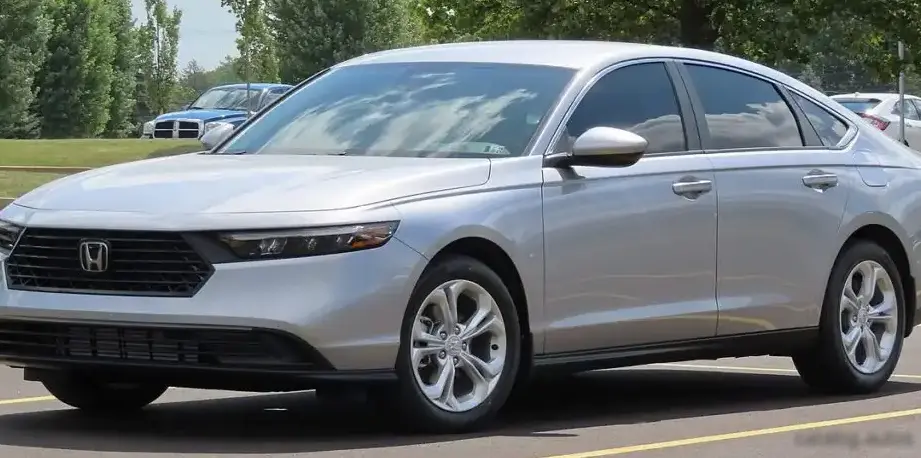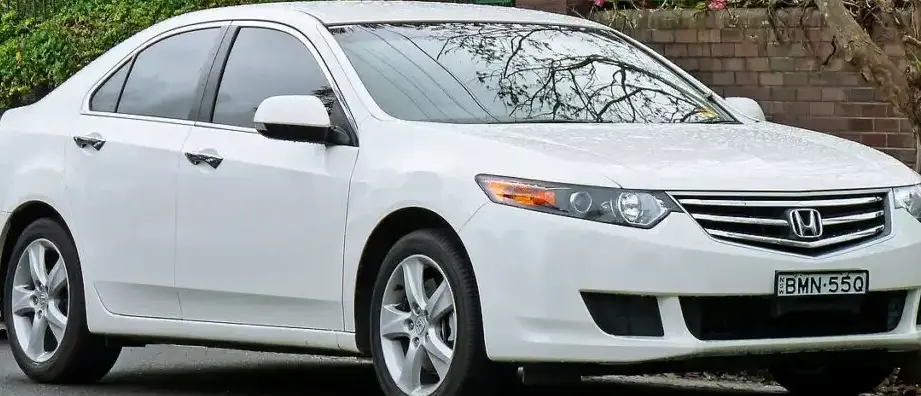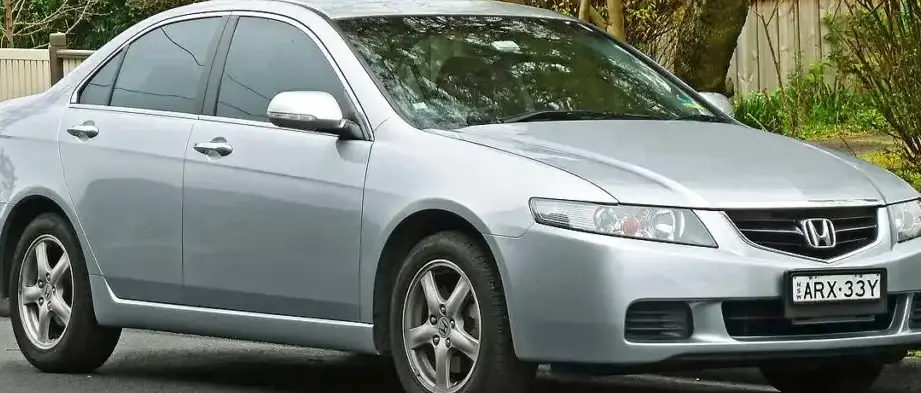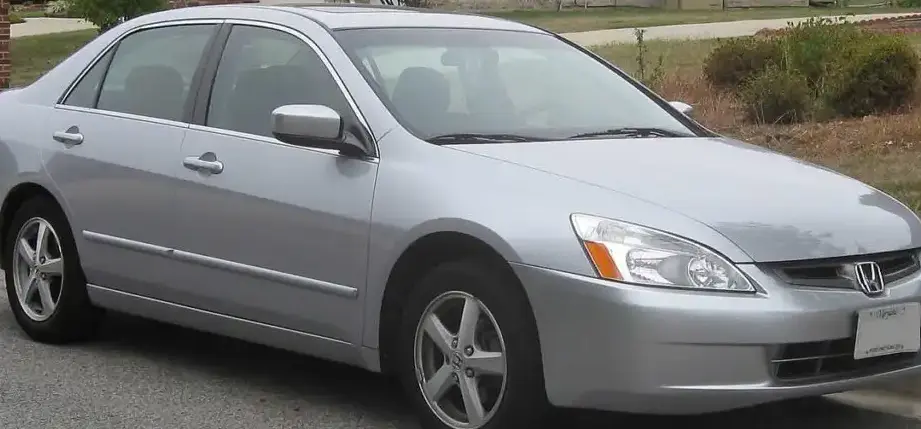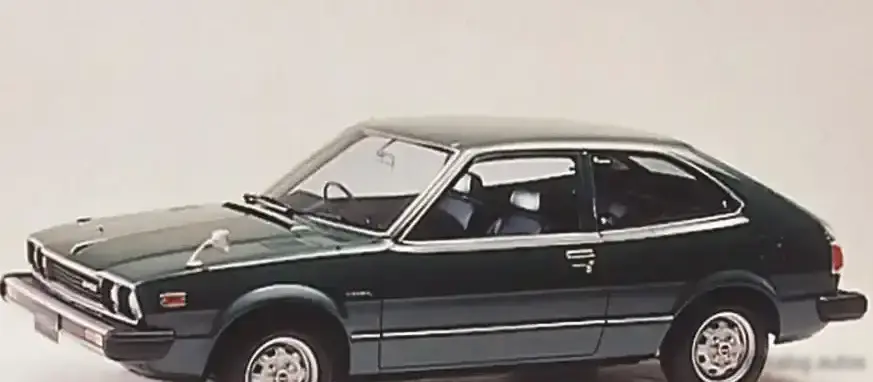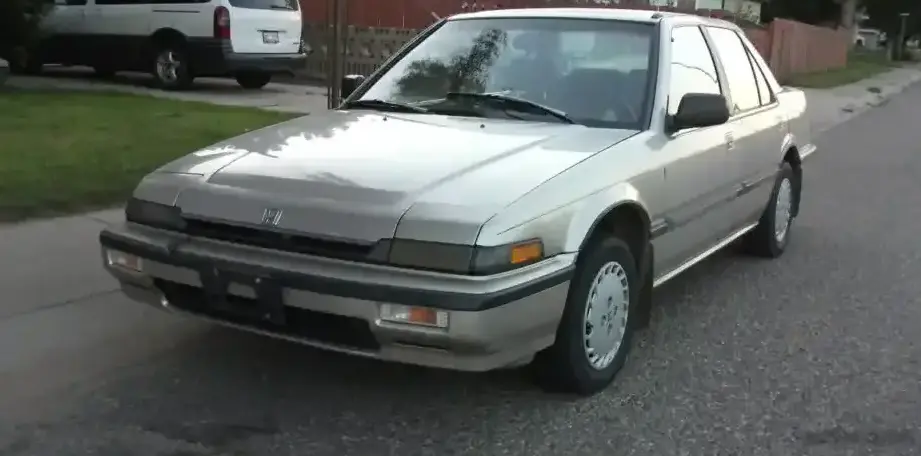
The Honda Accord III, specifically the CA4 variant equipped with the 1.6-liter engine producing 88 horsepower, represents a significant step in Honda’s expansion into the North American market. Produced between 1985 and 1989, this generation of the Accord (known as the CA series) built upon the success of its predecessors, offering improved refinement, space, and reliability. The CA4 model, distinguished by its 1.6-liter engine, served as the entry point into the Accord lineup in many markets, including the United States, offering a balance of affordability and Honda’s renowned engineering. It was part of a broader strategy to compete with established American and European sedans, offering a fuel-efficient and dependable alternative.
Technical Specifications
| Brand | Honda |
| Model | Accord |
| Generation | Accord III (CA4, CA5) |
| Type (Engine) | 1.6 L (CA4) (88 Hp) |
| Start of Production | 1985 |
| End of Production | 1989 |
| Powertrain Architecture | Internal Combustion Engine |
| Body Type | Sedan |
| Fuel Type | Petrol (Gasoline) |
| Power | 88 Hp |
| Engine Aspiration | Naturally Aspirated |
Powertrain & Engine Architecture
The heart of the CA4 Accord is the 1.6-liter, inline-four cylinder engine, designated as the A16A1. This engine is a naturally aspirated unit, meaning it doesn’t employ forced induction like a turbocharger or supercharger. It features a single overhead camshaft (SOHC) valvetrain operating two valves per cylinder. Fuel delivery is managed by a carburetor, a common feature for vehicles of this era, though later models within the CA series transitioned to fuel injection. The A16A1 produces 88 horsepower at 5,600 rpm and 98 lb-ft of torque at 3,500 rpm. The engine’s design prioritized fuel efficiency and smooth operation over outright performance. The transmission paired with the A16A1 was typically a 3-speed automatic, though a 5-speed manual transmission was also available. The automatic transmission, while providing ease of use, was geared towards economy rather than spirited driving. It featured a relatively conservative gear ratio spread, prioritizing fuel efficiency and minimizing engine strain.
Driving Characteristics
The 1.6-liter Accord CA4, when equipped with the automatic transmission, offered a comfortable and predictable driving experience. Acceleration was adequate for everyday driving, but it wasn’t particularly quick. The 0-60 mph time was estimated to be around 12-13 seconds, placing it behind more powerful competitors. The automatic transmission’s shift points were calibrated for fuel economy, resulting in a somewhat leisurely pace. However, the engine was surprisingly willing to rev, and the car felt stable and composed on the highway. The steering was light and precise, making it easy to maneuver in urban environments. Compared to the later 1.8-liter and 2.0-liter versions of the Accord III, the 1.6-liter model felt noticeably less powerful, especially when fully loaded with passengers and cargo. The manual transmission version offered a more engaging driving experience, allowing drivers to better utilize the engine’s available power, but the automatic was the more popular choice for buyers prioritizing convenience.
Equipment & Trim Levels
The CA4 Accord, as the base model, typically came with a fairly standard set of features. Standard equipment included cloth upholstery, a basic AM/FM radio, and manual windows and locks. Air conditioning was often an optional extra, as were power windows and locks. The interior design was functional and straightforward, prioritizing practicality over luxury. Higher trim levels, such as the DX and LX, added features like upgraded upholstery, a better sound system, and additional convenience items. The dashboard layout was simple and easy to use, with clearly labeled controls. The CA4’s interior was designed to be durable and easy to maintain, reflecting Honda’s focus on reliability. Optional extras included a sunroof, cruise control, and upgraded wheels.
Chassis & Braking
The Accord III CA4 utilized a front-engine, front-wheel-drive layout. The suspension consisted of independent MacPherson struts at the front and a torsion beam rear suspension. This setup provided a comfortable ride and predictable handling. The braking system featured disc brakes at the front and drum brakes at the rear. While adequate for normal driving conditions, the drum brakes at the rear were less effective than disc brakes, particularly during repeated hard braking. The CA4’s chassis was relatively lightweight, contributing to its fuel efficiency. A stabilizer bar was included at the front to reduce body roll during cornering. The steering system was a rack-and-pinion setup, providing precise and responsive steering feel.
Market Reception & Comparison
The Honda Accord III CA4 was generally well-received by critics and consumers alike. It was praised for its reliability, fuel efficiency, and comfortable ride. However, some critics noted that the 1.6-liter engine was underpowered, especially when compared to competitors with larger engines. The automatic transmission was also criticized for its conservative shift points. Compared to the 1.8-liter and 2.0-liter versions of the Accord III, the CA4 offered a more affordable entry point into the model range, but it came at the expense of performance. The 1.8-liter version, for example, offered a noticeable increase in horsepower and torque, resulting in quicker acceleration and more confident passing power. Fuel economy was comparable across all engine options, but the 1.6-liter model generally achieved slightly better mileage in city driving. In terms of reliability, the CA4 proved to be exceptionally durable, with many examples still on the road today.
Legacy
The Honda Accord III CA4, despite being the entry-level variant, played a crucial role in establishing Honda as a major player in the North American automotive market. Its reputation for reliability and fuel efficiency helped to build brand loyalty and attract a new generation of customers. The A16A1 engine, while not particularly powerful, proved to be remarkably durable and long-lasting. Today, the CA4 Accord is a popular choice among classic car enthusiasts, particularly those seeking a reliable and affordable vintage vehicle. Parts availability is generally good, and the car is relatively easy to maintain. The CA4’s simple design and robust construction have ensured its longevity, making it a testament to Honda’s engineering prowess. While not a performance icon, the 1.6-liter Accord CA4 remains a significant piece of automotive history, representing a pivotal moment in Honda’s global expansion.