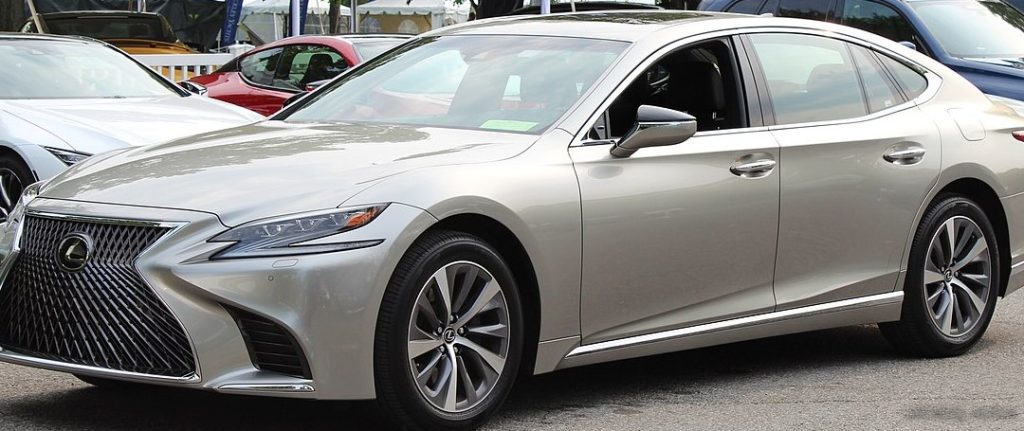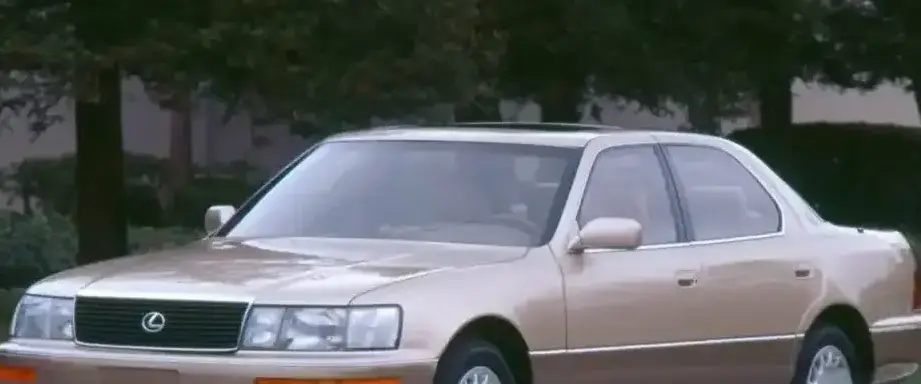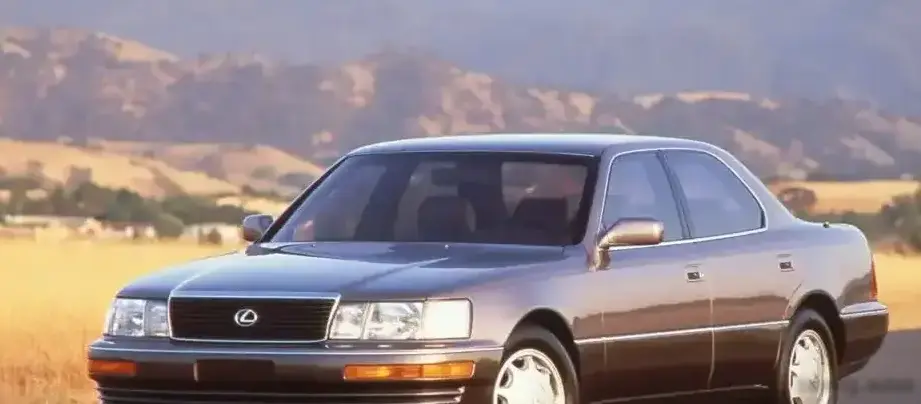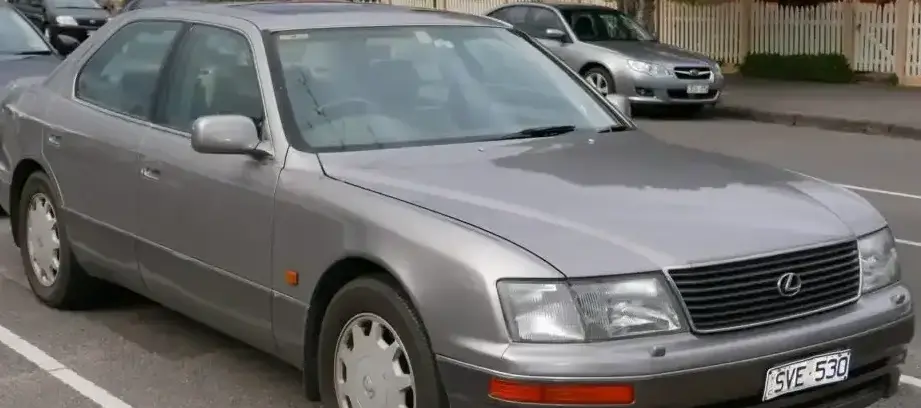
The Lexus LS 600h L, specifically the facelifted version produced from 2009 to 2012, represents Lexus’s flagship hybrid sedan. Positioned as the top-of-the-line variant within the fourth generation (XV40) LS series, the 600h L combined a powerful V8 gasoline engine with an electric motor to deliver both luxury and improved fuel efficiency compared to its conventionally powered siblings. The “L” designation indicates an extended wheelbase, providing increased rear passenger legroom, catering to a market that valued chauffeur-driven comfort. This model was primarily aimed at the North American and Asian markets, where large luxury sedans with advanced technology were highly sought after.
Technical Specifications
| Brand | Lexus |
| Model | LS |
| Generation | LS IV Long (facelift 2009) |
| Type (Engine) | 600h L V8 (445 Hp) Hybrid AWD e-CVT |
| Start of production | October, 2009 |
| End of production | 2012 |
| Powertrain Architecture | FHEV (Full Hybrid Electric Vehicle) |
| Body type | Sedan |
| Seats | 4-5 |
| Doors | 4 |
| Fuel consumption (economy) – urban (NEDC) | 11.3 l/100 km (20.8 US mpg, 25 UK mpg, 8.8 km/l) |
| Fuel consumption (economy) – extra urban (NEDC) | 8 l/100 km (29.4 US mpg, 35.3 UK mpg, 12.5 km/l) |
| Fuel consumption (economy) – combined (NEDC) | 9.3 l/100 km (25.3 US mpg, 30.4 UK mpg, 10.8 km/l) |
| CO2 emissions (NEDC) | 218 g/km |
| Fuel Type | Petrol (Gasoline) |
| Acceleration 0 – 100 km/h | 6.3 sec |
| Acceleration 0 – 62 mph | 6.3 sec |
| Acceleration 0 – 60 mph | 5.5 sec |
| Maximum speed | 250 km/h (155.34 mph), Electronically limited |
| Emission standard | Euro 5 |
| Weight-to-power ratio | 5.3 kg/Hp, 188.6 Hp/tonne |
| Weight-to-torque ratio | 4.5 kg/Nm, 220.3 Nm/tonne |
| Battery voltage | 288 V |
| Battery technology | Nickel-metal hydride (NiMH) |
| Battery weight | 67 kg (147.71 lbs.) |
| Battery location | Inside the trunk |
| All-electric range (NEDC) | 3 km (1.86 mi) |
| Electric motor power | 224 Hp |
| Electric motor Torque | 300 Nm (221.27 lb.-ft.) |
| Electric motor location | Integrated into the transmission |
| Electric motor type | Synchronous |
| System power | 445 Hp |
| Power | 394 Hp @ 6400 rpm |
| Power per litre | 79.3 Hp/l |
| Torque | 520 Nm @ 4000 rpm (383.53 lb.-ft. @ 4000 rpm) |
| Engine layout | Front, Longitudinal |
| Engine Model/Code | 2UR-FSE |
| Engine displacement | 4969 cm3 (303.23 cu. in.) |
| Number of cylinders | 8 |
| Engine configuration | V-engine |
| Cylinder Bore | 94 mm (3.7 in.) |
| Piston Stroke | 89.5 mm (3.52 in.) |
| Compression ratio | 11.8:1 |
| Number of valves per cylinder | 4 |
| Fuel injection system | Direct injection and Multi-port manifold injection |
| Engine aspiration | Naturally aspirated engine |
| Valvetrain | DOHC, Dual VVT-iE |
| Engine oil capacity | 9 l (9.51 US qt | 7.92 UK qt) |
| Coolant | 11.1 l (11.73 US qt | 9.77 UK qt) |
| Kerb Weight | 2360-2450 kg (5202.91 – 5401.33 lbs.) |
| Max. weight | 2825 kg (6228.06 lbs.) |
| Max load | 375-465 kg (826.73 – 1025.15 lbs.) |
| Trunk (boot) space – minimum | 420 l (14.83 cu. ft.) |
| Fuel tank capacity | 84 l (22.19 US gal | 18.48 UK gal) |
| Length | 5180 mm (203.94 in.) |
| Width | 1875 mm (73.82 in.) |
| Height | 1480 mm (58.27 in.) |
| Wheelbase | 3090 mm (121.65 in.) |
| Front track | 1610 mm (63.39 in.) |
| Rear (Back) track | 1610 mm (63.39 in.) |
| Front overhang | 915 mm (36.02 in.) |
| Rear overhang | 1175 mm (46.26 in.) |
| Ride height (ground clearance) | 135 mm (5.31 in.) |
| Drag coefficient (Cd) | 0.27 |
| Minimum turning circle (turning diameter) | 12.6 m (41.34 ft.) |
| Drivetrain Architecture | The Internal combustion engine (ICE) and the electric motor permanently drive the four wheels of the car with the ability to work in full electric or mixed mode. |
| Drive wheel | All wheel drive (4×4) |
| Number of gears and type of gearbox | automatic transmission e-CVT |
| Front suspension | Independent multi-link suspension, Transverse stabilizer, Air suspension |
| Rear suspension | Independent multi-link suspension, Air suspension, Transverse stabilizer |
| Front brakes | Ventilated discs, 380×36 mm |
| Rear brakes | Ventilated discs, 335×22 mm |
| Assisting systems | ABS (Anti-lock braking system) |
| Steering type | Steering rack and pinion |
| Power steering | Electric Steering |
| Tires size | 235/50 R18; 245/45 R19 |
| Wheel rims size | 7.5J x 18; 8J x 19 |
INTRODUCTION
The Lexus LS 600h L, introduced as part of the fourth-generation LS lineup, represented Lexus’s commitment to hybrid technology in the luxury segment. Production of the facelifted model ran from 2009 to 2012. Built on the Lexus New Generation Architecture (LS platform), it aimed to provide a seamless blend of performance, refinement, and fuel efficiency. The 600h L was positioned above the standard LS 460 and LS 460 L, offering a more technologically advanced and environmentally conscious option for discerning buyers. It was a direct competitor to other flagship luxury sedans, including the BMW 7 Series, Mercedes-Benz S-Class, and Audi A8, but distinguished itself with its hybrid powertrain.
Powertrain & Engine Architecture
At the heart of the LS 600h L lies the 2UR-FSE 4.6-liter V8 gasoline engine. This engine utilizes D-4S direct injection and Multi-port fuel injection, along with Dual VVT-iE (Variable Valve Timing with electric motor) to optimize combustion efficiency and power delivery. The engine produces 394 horsepower at 6400 rpm and 383.53 lb-ft of torque at 4000 rpm. Coupled with a 224-horsepower electric motor, the total system output reaches 445 horsepower. The electric motor is a synchronous type, integrated directly into the transmission.
The powertrain employs a unique continuously variable transmission (e-CVT) that doesn’t rely on traditional gears. Instead, it uses a planetary gearset to seamlessly blend the power from the gasoline engine and electric motor. This system allows for smooth acceleration and optimized fuel economy. The battery pack, utilizing Nickel-metal hydride (NiMH) technology, is rated at 288 volts and has a capacity of 67 kg (147.71 lbs). It’s located under the trunk floor, slightly reducing cargo space. The car operates in various modes, including full electric (for short distances up to 3 km / 1.86 miles), hybrid, and engine-only operation.
Driving Characteristics
The LS 600h L delivers a remarkably smooth and quiet driving experience. The e-CVT contributes to seamless acceleration, eliminating the shift shock associated with traditional automatic transmissions. While not as overtly sporty as some of its competitors, the 600h L offers ample power for effortless highway cruising and confident passing maneuvers. Acceleration from 0 to 60 mph takes approximately 5.5 seconds. The all-wheel-drive system provides excellent traction in various weather conditions. The air suspension contributes to a comfortable ride, absorbing bumps and imperfections in the road. Compared to the LS 460, the 600h L feels slightly heavier due to the added weight of the hybrid components, but the instant torque from the electric motor helps to offset this.
Equipment & Trim Levels
The LS 600h L came standard with a comprehensive array of luxury features. These included leather upholstery, wood trim, a premium sound system, navigation system, power-adjustable and heated/ventilated front and rear seats, a power rear sunshade, and a host of advanced safety technologies. Optional extras included a rear-seat entertainment system, massaging seats, and a Mark Levinson premium audio system. The extended wheelbase provided generous rear legroom, making it a particularly appealing choice for chauffeured transportation. Interior color schemes were typically conservative, emphasizing elegance and sophistication.
Chassis & Braking
The LS 600h L features an independent multi-link suspension system at both the front and rear, enhanced by an air suspension system. This setup provides a comfortable ride and excellent handling characteristics. The air suspension allows for adjustable ride height, further enhancing comfort and adaptability. Braking duties are handled by ventilated disc brakes on all four wheels, measuring 380×36 mm at the front and 335×22 mm at the rear. An Anti-lock Braking System (ABS) is standard. The steering system is a rack-and-pinion type with electric power steering.
Market Reception & Comparison
The LS 600h L was generally well-received by critics, who praised its smooth ride, quiet cabin, and advanced technology. However, its relatively high price and somewhat compromised fuel economy (compared to smaller hybrids) were points of criticism. Compared to the LS 460, the 600h L offered a more environmentally friendly option, but at a significant price premium. The LS 460 typically delivered better fuel economy in real-world driving scenarios, as the hybrid system’s benefits were most pronounced in city driving. Reliability was generally good, consistent with Lexus’s reputation for build quality.
Legacy
The Lexus LS 600h L represented a significant step forward in hybrid technology for the luxury segment. While it didn’t achieve the same sales volume as its conventionally powered counterparts, it established Lexus as a leader in hybrid innovation. Today, the LS 600h L remains a desirable used car, particularly for those seeking a luxurious and technologically advanced sedan. The powertrain, while complex, has proven to be relatively reliable, although maintenance costs can be higher due to the specialized hybrid components. The car’s blend of comfort, refinement, and fuel efficiency continues to appeal to a niche market of discerning buyers.