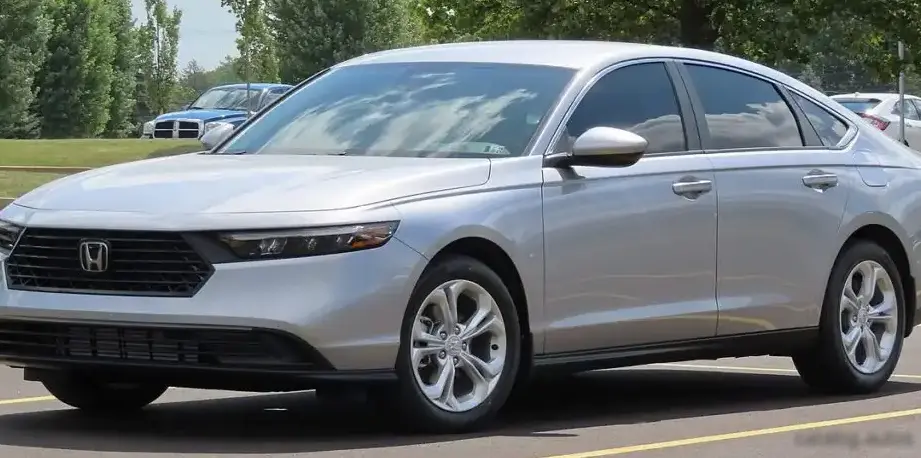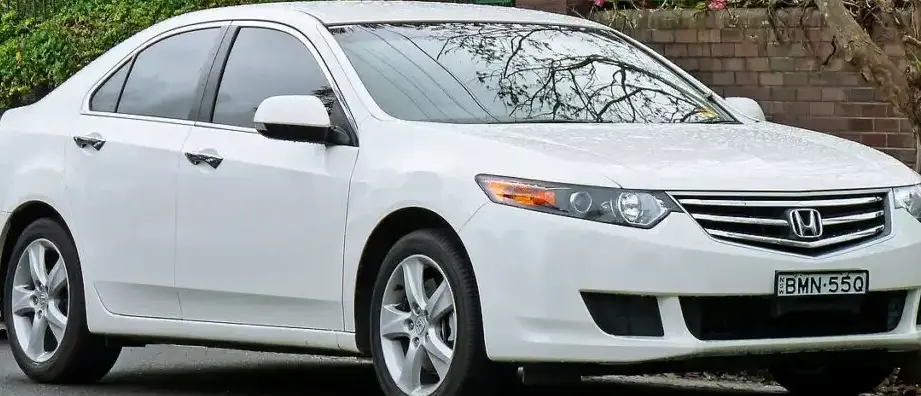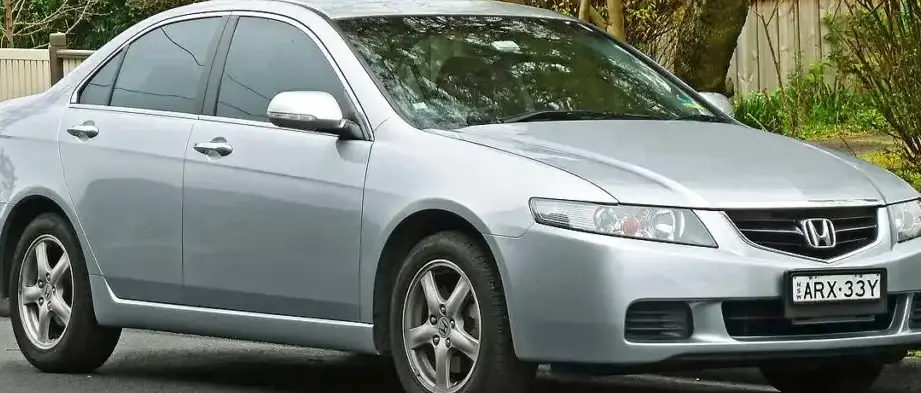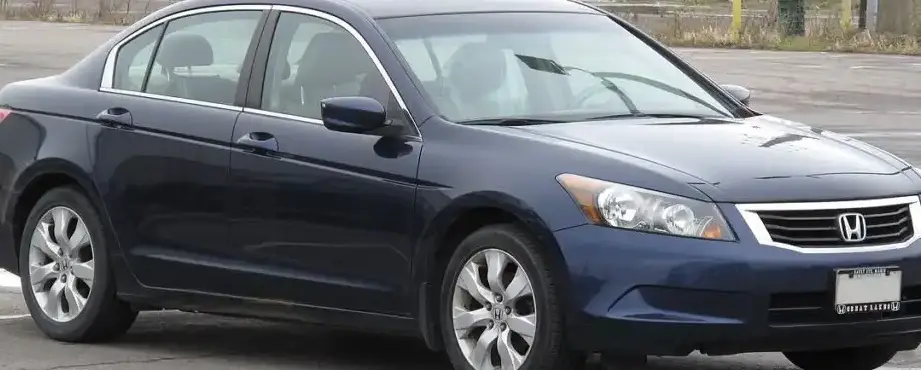
The Honda Accord IV, specifically the 1.8-liter (105 hp) variant produced between 1990 and 1993, represents a significant evolution in Honda’s popular mid-size sedan. Falling within the CB3 and CB7 chassis codes, this generation Accord aimed to balance affordability, reliability, and a degree of refinement for the North American and Japanese markets. This particular engine and transmission combination occupied the entry-level to mid-range position within the fourth-generation Accord lineup, offering a more economical alternative to the more powerful 2.0-liter and V6 options. It was a key model for Honda as they continued to establish themselves as a major player in the family sedan segment.
Technical Specifications
| Brand | Honda |
| Model | Accord |
| Generation | Accord IV (CB3, CB7) |
| Type (Engine) | 1.8 (105 Hp) |
| Start of production | 1990 |
| End of production | 1993 |
| Powertrain Architecture | Internal Combustion engine |
| Body type | Sedan |
| Seats | 5 |
| Doors | 4 |
| Fuel consumption (urban) | 11 l/100 km (21.4 US mpg) |
| Fuel consumption (extra urban) | 6.6 l/100 km (35.6 US mpg) |
| Fuel consumption (combined) | 8.3 l/100 km (28.3 US mpg) |
| Fuel Type | Petrol (Gasoline) |
| Maximum speed | 178 km/h (110.6 mph) |
| Weight-to-power ratio | 11 kg/Hp |
| Weight-to-torque ratio | 8 kg/Nm |
| Power | 105 Hp @ 6000 rpm |
| Power per litre | 56.8 Hp/l |
| Torque | 143 Nm @ 4000 rpm (105.47 lb.-ft. @ 4000 rpm) |
| Engine layout | Front, Transverse |
| Engine displacement | 1850 cm3 (112.89 cu. in.) |
| Number of cylinders | 4 |
| Engine configuration | Inline |
| Cylinder Bore | 85 mm (3.35 in.) |
| Piston Stroke | 81.5 mm (3.21 in.) |
| Compression ratio | 8.9:1 |
| Number of valves per cylinder | 4 |
| Fuel injection system | Carburettor |
| Engine aspiration | Naturally aspirated |
| Engine oil capacity | 3.5 l (3.7 US qt | 3.08 UK qt) |
| Kerb Weight | 1150 kg (2535.32 lbs.) |
| Max. weight | 1740 kg (3836.04 lbs.) |
| Max load | 590 kg (1300.73 lbs.) |
| Trunk (boot) space (minimum) | 448 l (15.82 cu. ft.) |
| Fuel tank capacity | 60 l (15.85 US gal | 13.2 UK gal) |
| Length | 4685 mm (184.45 in.) |
| Width | 1695 mm (66.73 in.) |
| Height | 1390 mm (54.72 in.) |
| Wheelbase | 2720 mm (107.09 in.) |
| Front track | 1475 mm (58.07 in.) |
| Rear track | 1480 mm (58.27 in.) |
| Drivetrain Architecture | Front wheel drive |
| Number of gears and type of gearbox | 5 gears, manual transmission |
| Front suspension | Coil spring |
| Rear suspension | Coil spring |
| Front brakes | Disc |
| Rear brakes | Drum |
| Assisting systems | ABS (Anti-lock braking system) |
| Steering type | Steering rack and pinion |
| Power steering | Hydraulic |
| Tires size | 165/80 SR14 |
| Wheel rims size | 14 |
Powertrain & Engine Architecture
The heart of this Accord variant is the 1.8-liter, inline-four cylinder engine, typically identified by engine code F18A. Unlike later Honda engines that embraced multi-point fuel injection, the 1990-1993 1.8L Accord utilized a carburetor, a design choice reflecting the era’s engineering priorities and cost considerations. This carburetor system, while simpler, resulted in slightly lower fuel efficiency and performance compared to fuel-injected counterparts. The engine features a single overhead camshaft (SOHC) valvetrain with four valves per cylinder, contributing to reasonable power output for its displacement. The engine’s 8.9:1 compression ratio was a compromise between performance and the fuel quality available in various markets. The five-speed manual transmission was the standard offering, providing a direct connection between the engine and the front wheels. The transmission’s gear ratios were tuned for fuel economy and everyday drivability rather than outright acceleration.
Driving Characteristics
The 1.8-liter Accord with a manual transmission offered a reasonably engaging driving experience, though it wasn’t particularly sporty. Acceleration was adequate for merging onto highways and navigating city streets, but it lacked the punch of the 2.0-liter or V6 models. The carburetor sometimes resulted in a slight hesitation during initial acceleration. The five-speed manual transmission allowed drivers to maintain optimal engine speed for various driving conditions. The suspension, featuring coil springs all around, provided a comfortable ride, absorbing bumps and imperfections in the road surface effectively. Steering was light and precise, making the car easy to maneuver. Compared to the automatic transmission equipped models, the manual offered better fuel economy and a more connected feel to the driver.
Equipment & Trim Levels
The 1.8-liter Accord typically came equipped with a fairly basic set of features. Standard equipment generally included cloth upholstery, a basic AM/FM radio, manual windows and door locks, and a tilt steering wheel. Air conditioning was often an optional extra. Higher trim levels, such as the LX, added features like power windows and locks, a better stereo system, and upgraded interior trim. The exterior trim was relatively simple, with body-colored bumpers and side moldings. The focus was on providing a functional and reliable vehicle at an affordable price point.
Chassis & Braking
The Accord IV utilized a front-engine, front-wheel-drive layout. The suspension consisted of independent coil springs in the front and a semi-independent coil spring setup in the rear. Braking duties were handled by disc brakes in the front and drum brakes in the rear. ABS (Anti-lock Braking System) was available as an option, enhancing safety by preventing wheel lockup during hard braking. The chassis was designed to provide a balance between ride comfort and handling stability. The relatively lightweight construction of the car contributed to its fuel efficiency and maneuverability.
Market Reception & Comparison
The 1.8-liter Accord was generally well-received by critics and consumers alike. It was praised for its reliability, fuel efficiency, and comfortable ride. However, some reviewers noted that the engine lacked the power and refinement of its competitors. Compared to the 2.0-liter and V6 Accord models, the 1.8-liter version offered a more affordable entry point into the Accord lineup, but at the expense of performance. The 1.9 TDI versions of European market cars offered superior fuel economy and torque, but lacked the smoothness and refinement of the Honda engine. The 1.8L Accord was often seen as a sensible and practical choice for families and commuters.
Legacy
The 1.8-liter engine in the fourth-generation Honda Accord proved to be remarkably durable and reliable. Many examples are still on the road today, a testament to Honda’s engineering prowess. While the carburetor system is now considered outdated, it was relatively simple to maintain and repair. The car’s overall simplicity and robust construction have contributed to its longevity. In the used car market, these Accords are often sought after by enthusiasts and those looking for an affordable and dependable vehicle. The CB series Accords, including the 1.8L variant, have gained a cult following among Honda enthusiasts, who appreciate their classic styling and mechanical simplicity. They represent a pivotal moment in Honda’s history, solidifying their reputation for building high-quality, reliable automobiles.