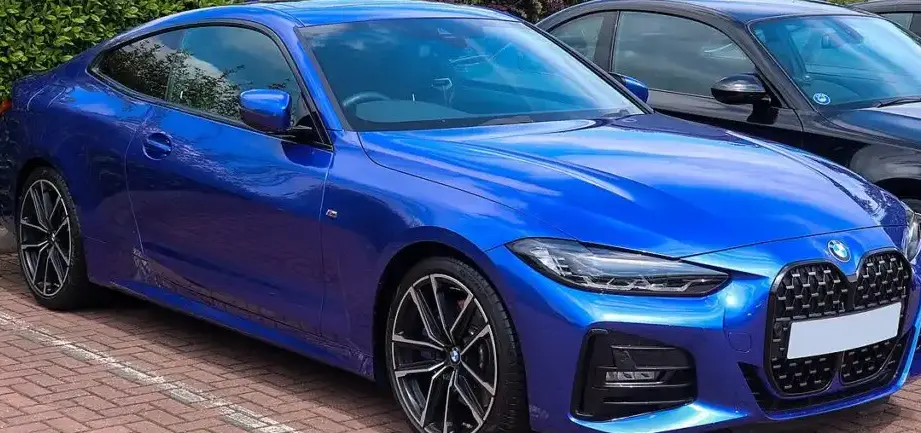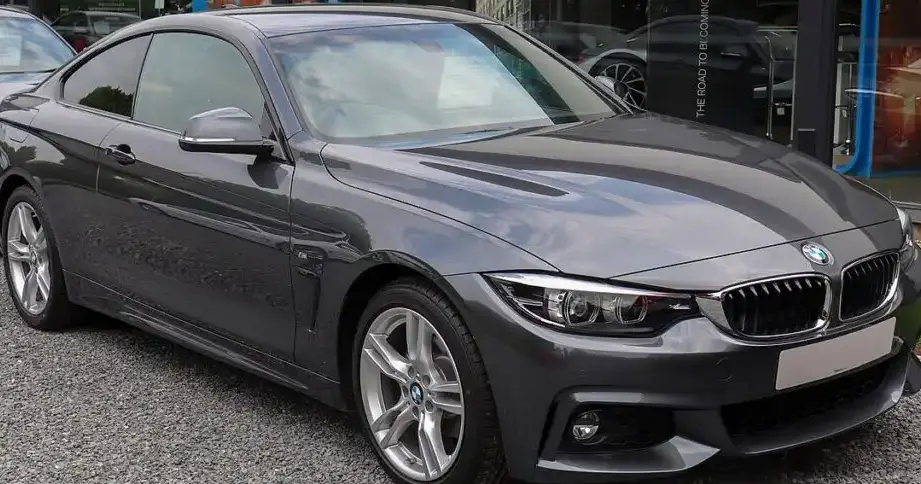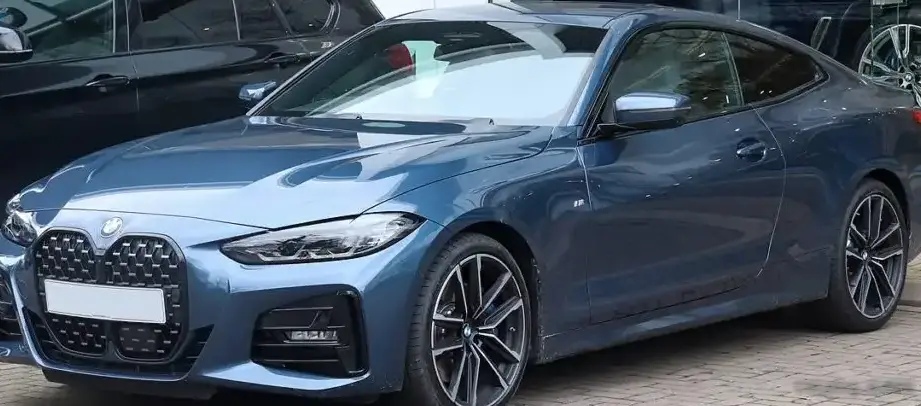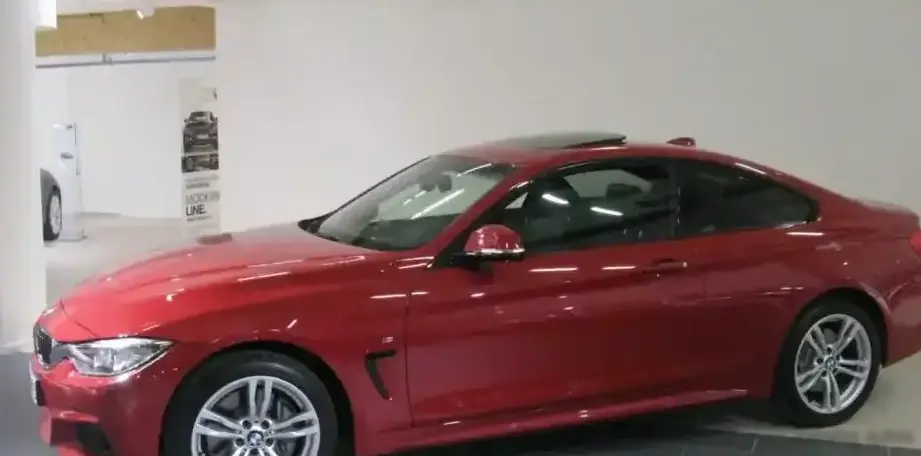
The BMW 4 Series Coupe (F32) 420d, produced from 2013 to 2015, represented the entry point into the 4 Series Coupe range for buyers seeking a diesel-powered option. Positioned below the 428i and 435i models, the 420d aimed to deliver a balance of performance, fuel efficiency, and BMW’s signature driving dynamics. It was a key model in BMW’s strategy to offer a diverse lineup within the F32 generation, appealing to a broader customer base, particularly in European markets where diesel engines held significant popularity. This variant utilized a 2.0-liter turbocharged diesel engine paired with either a six-speed manual or an eight-speed automatic transmission.
Technical Specifications
| Brand | BMW |
| Model | 4 Series |
| Generation | 4 Series Coupe (F32) |
| Type (Engine) | 420d (184 Hp) |
| Start of production | 2013 |
| End of production | 2015 |
| Powertrain Architecture | Internal Combustion engine |
| Body type | Coupe |
| Seats | 4 |
| Doors | 2 |
| Fuel consumption (urban) | 6.0 – 5.8 l/100 km (39.2 – 40.6 US mpg) |
| Fuel consumption (extra urban) | 4.1 l/100 km (57.4 US mpg) |
| Fuel consumption (combined) | 4.8 – 4.7 l/100 km (49 – 50 US mpg) |
| Fuel Type | Diesel |
| Acceleration 0 – 100 km/h | 7.5 sec |
| Acceleration 0 – 62 mph | 7.5 sec |
| Acceleration 0 – 60 mph | 7.1 sec |
| Maximum speed | 240 km/h (149.13 mph) |
| Weight-to-power ratio | 8.3 kg/Hp |
| Weight-to-torque ratio | 4 kg/Nm |
| Power | 184 Hp @ 4000 rpm |
| Torque | 380 Nm @ 1750-2500 rpm (280.27 lb.-ft. @ 1750-2500 rpm) |
| Engine layout | Front, Longitudinal |
| Engine Model/Code | N47D20C |
| Engine displacement | 1995 cm3 (121.74 cu. in.) |
| Number of cylinders | 4 |
| Engine configuration | Inline |
| Cylinder Bore | 84 mm (3.31 in.) |
| Piston Stroke | 90 mm (3.54 in.) |
| Compression ratio | 16.5:1 |
| Number of valves per cylinder | 4 |
| Fuel injection system | Diesel Commonrail |
| Engine aspiration | Turbocharger, Intercooler |
| Engine oil capacity | 5.2 l (5.49 US qt | 4.58 UK qt) |
| Coolant | 7 l (7.4 US qt | 6.16 UK qt) |
| Kerb Weight | 1525 kg (3362.05 lbs.) |
| Max. weight | 1970 kg (4343.11 lbs.) |
| Max load | 445 kg (981.06 lbs.) |
| Fuel tank capacity | 57 l (15.06 US gal | 12.54 UK gal) |
| Length | 4638 mm (182.6 in.) |
| Width | 1825 mm (71.85 in.) |
| Height | 1377 mm (54.21 in.) |
| Wheelbase | 2810 mm (110.63 in.) |
| Front track | 1545 mm (60.83 in.) |
| Rear track | 1594 mm (62.76 in.) |
| Drivetrain Architecture | Rear wheel drive |
| Number of gears | 6 |
| Type of gearbox | Manual |
| Front brakes | Ventilated discs |
| Rear brakes | Disc |
| Tires size | 225/50 R17 94W |
| Wheel rims size | 7.5J x 17 |
Powertrain & Engine Architecture
The heart of the 420d Coupe was the BMW N47D20C engine, a 2.0-liter inline-four cylinder diesel. This engine was a member of BMW’s highly regarded N47 family, known for its efficiency and refinement. The N47D20C featured common-rail direct injection, a turbocharger with variable geometry, and an intercooler. The common-rail system, operating at extremely high pressures, allowed for precise fuel metering and optimized combustion. The turbocharger provided a significant boost in power and torque, while the intercooler cooled the intake air, further enhancing performance. The engine produced 184 horsepower at 4,000 rpm and a substantial 380 Nm (280 lb-ft) of torque between 1,750 and 2,500 rpm. The six-speed manual transmission offered a traditional driving experience, while the optional eight-speed automatic provided smoother shifts and improved fuel economy. The automatic transmission was a key feature, contributing to the car’s overall refinement and ease of driving.
Driving Characteristics
The 420d Coupe, particularly with the automatic transmission, offered a relaxed and refined driving experience. While not as overtly sporty as the higher-powered 4 Series variants, it provided ample power for everyday driving and comfortable highway cruising. The readily available torque from the diesel engine meant strong acceleration in most situations, with the car feeling responsive even when fully loaded. The automatic transmission’s gear ratios were well-chosen, providing smooth transitions and keeping the engine within its optimal power band. Compared to the manual version, the automatic offered a more effortless driving experience, especially in urban traffic. However, the manual transmission appealed to drivers who preferred more control and engagement. The 420d’s suspension, tuned for comfort, provided a compliant ride, absorbing bumps and imperfections in the road surface effectively. Steering was precise and well-weighted, offering a good balance of feedback and assistance.
Equipment & Trim Levels
The 420d Coupe came standard with a respectable level of equipment, including automatic climate control, a BMW iDrive infotainment system with a 6.5-inch display, power-adjustable front seats, and a leather-wrapped steering wheel. Optional extras included a larger iDrive screen, navigation, a premium sound system, heated seats, and a sunroof. Interior upholstery was typically cloth, but leather options were available. Trim levels were relatively simple, with most customization coming through individual options rather than distinct packages. The overall interior design was modern and driver-focused, reflecting BMW’s commitment to creating a premium driving environment.
Chassis & Braking
The 4 Series Coupe utilized a sophisticated chassis design, featuring a MacPherson strut front suspension and a multi-link rear suspension. This setup provided a good balance of handling and ride comfort. The 420d Coupe typically came equipped with ventilated front disc brakes and solid rear disc brakes. Anti-lock braking system (ABS) and electronic stability control (ESC) were standard safety features. The suspension was tuned to accommodate the car’s weight and power output, providing stable and predictable handling characteristics. The steering system employed a rack-and-pinion setup, offering precise and responsive steering feel.
Market Reception & Comparison
The 420d Coupe was generally well-received by automotive critics, who praised its fuel efficiency, refined engine, and comfortable ride. However, some reviewers noted that it lacked the outright performance of the higher-powered 4 Series models. Compared to the 428i, the 420d offered significantly better fuel economy but less horsepower and acceleration. Against the 435i, the performance difference was even more pronounced. The 420d’s main advantage lay in its affordability and practicality, making it an attractive option for buyers who prioritized fuel efficiency and everyday usability. In terms of reliability, the N47 engine family had some known issues with timing chain wear, which was a concern for some owners. However, regular maintenance and preventative measures could mitigate these risks.
Legacy
The BMW 4 Series Coupe (F32) 420d remains a popular choice in the used car market, particularly for those seeking a stylish and efficient coupe. The N47 engine, despite its potential for timing chain issues, is generally considered durable and reliable when properly maintained. The 420d’s combination of performance, fuel economy, and BMW’s renowned driving dynamics continues to appeal to a wide range of buyers. Its relatively affordable price point compared to the higher-powered 4 Series variants makes it an attractive option for those looking for a premium coupe experience without breaking the bank. The F32 generation 4 Series, including the 420d, helped solidify BMW’s position as a leader in the premium coupe segment.