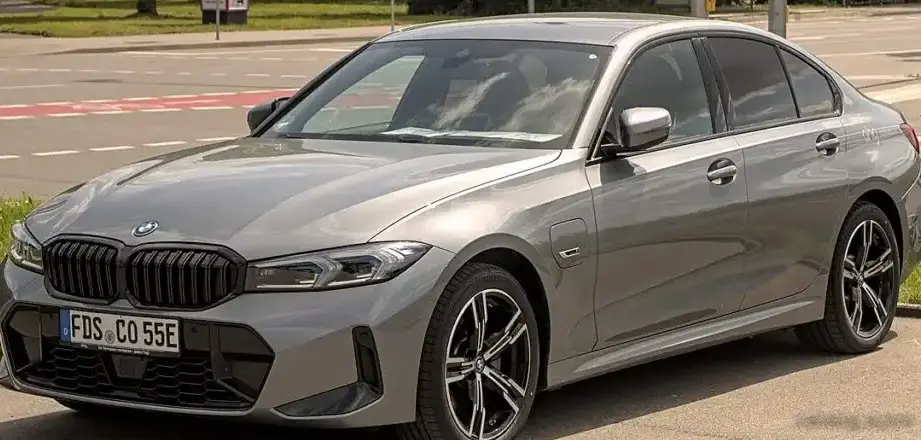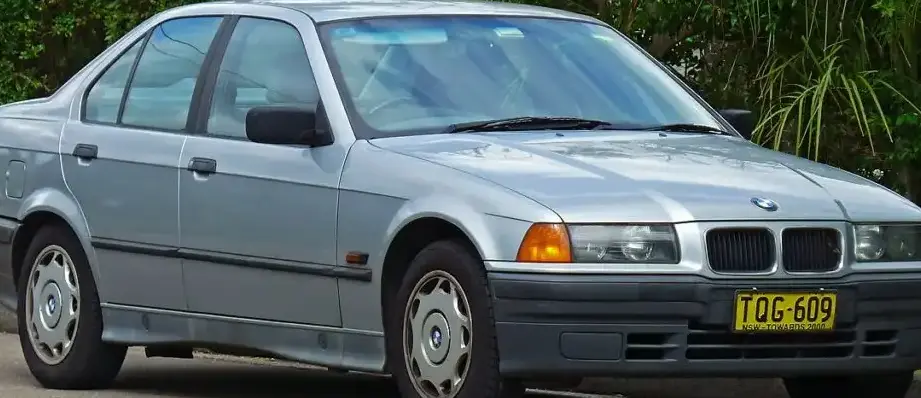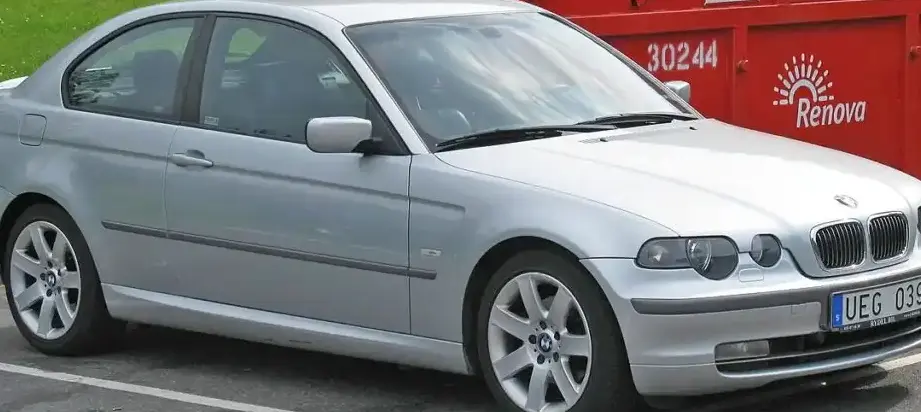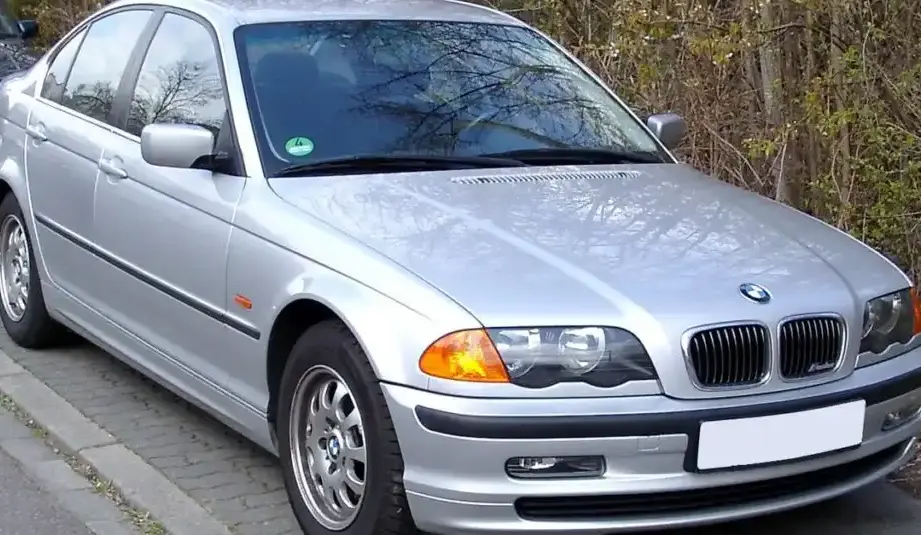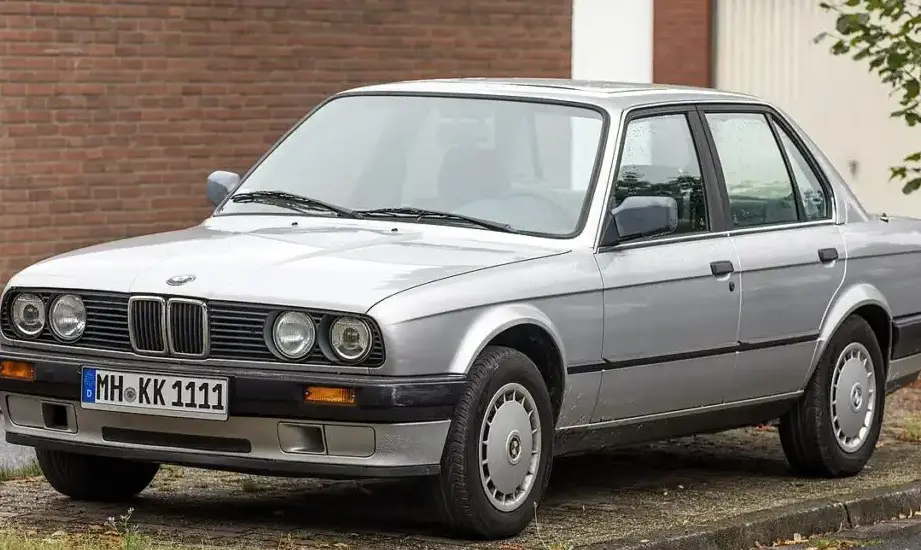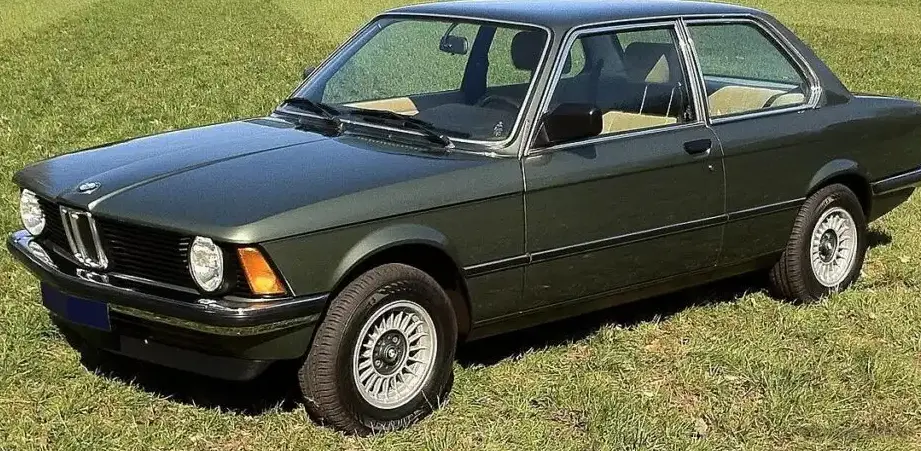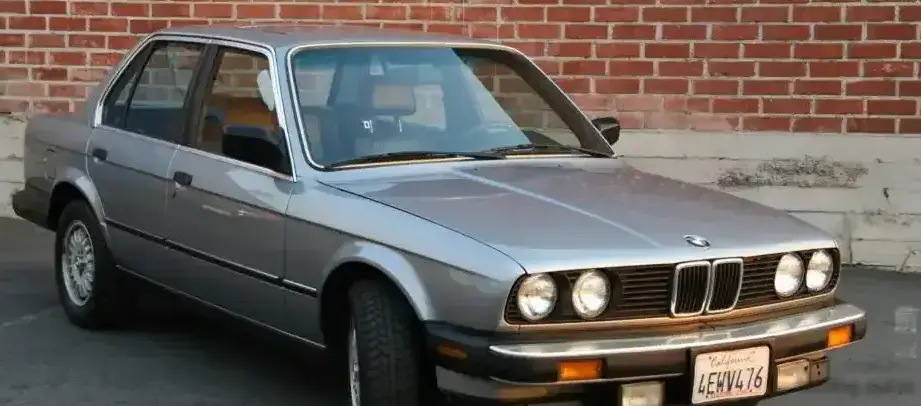
The BMW 3 Series Sedan (E30) 318i Automatic, produced between 1982 and 1987, represented an entry point into the highly successful E30 generation. Positioned as a more accessible alternative to the 320i and later 325i models, the 318i Automatic offered a blend of BMW’s renowned driving dynamics with a focus on fuel efficiency and affordability. It was a key model in establishing the 3 Series as a benchmark for compact executive cars, particularly in Europe and increasingly in the North American market. This variant utilized the M10 engine family, a mainstay of BMW production for decades, paired with a four-speed automatic transmission.
Technical Specifications
| Brand | BMW |
| Model | 3 Series |
| Generation | 3 Series Sedan (E30) |
| Type (Engine) | 318i (105 Hp) Automatic |
| Start of production | 1982 |
| End of production | 1987 |
| Powertrain Architecture | Internal Combustion engine |
| Body type | Sedan |
| Seats | 5 |
| Doors | 4 |
| Fuel consumption (urban) | 9.8 l/100 km (24 US mpg) |
| Fuel consumption (extra urban) | 7.2 l/100 km (32.7 US mpg) |
| Fuel Type | Petrol (Gasoline) |
| Acceleration 0 – 100 km/h | 13.1 sec |
| Acceleration 0 – 62 mph | 13.1 sec |
| Acceleration 0 – 60 mph | 12.4 sec |
| Maximum speed | 179 km/h (111.23 mph) |
| Weight-to-power ratio | 9.9 kg/Hp |
| Weight-to-torque ratio | 7.2 kg/Nm |
| Power | 105 Hp @ 5800 rpm |
| Torque | 145 Nm @ 4500 rpm (106.95 lb.-ft. @ 4500 rpm) |
| Engine layout | Front, Longitudinal |
| Engine Model/Code | M10B18 |
| Engine displacement | 1766 cm3 (107.77 cu. in.) |
| Number of cylinders | 4 |
| Engine configuration | Inline |
| Cylinder Bore | 89 mm (3.5 in.) |
| Piston Stroke | 71 mm (2.8 in.) |
| Compression ratio | 10:1 |
| Number of valves per cylinder | 2 |
| Fuel injection system | Multi-port manifold injection |
| Engine aspiration | Naturally aspirated |
| Valvetrain | SOHC |
| Engine oil capacity | 4 l (4.23 US qt | 3.52 UK qt) |
| Coolant capacity | 6 l (6.34 US qt | 5.28 UK qt) |
| Kerb Weight | 1040 kg (2292.81 lbs.) |
| Max. weight | 1500 kg (3306.93 lbs.) |
| Max load | 460 kg (1014.13 lbs.) |
| Trunk (boot) space | 404 l (14.27 cu. ft.) |
| Fuel tank capacity | 55 l (14.53 US gal | 12.1 UK gal) |
| Length | 4325 mm (170.28 in.) |
| Width | 1645 mm (64.76 in.) |
| Height | 1380 mm (54.33 in.) |
| Wheelbase | 2570 mm (101.18 in.) |
| Front track | 1407 mm (55.39 in.) |
| Rear track | 1415 mm (55.71 in.) |
| Drivetrain | Rear wheel drive |
| Number of gears | 4 |
| Gearbox type | Automatic transmission |
| Front brakes | Disc |
| Rear brakes | Drum |
| Tires size | 175/70 R14 |
| Wheel rims size | 14 |
Powertrain & Engine Architecture
The heart of the 318i Automatic was the M10B18 engine, a 1.8-liter inline-four cylinder unit. This engine was a descendant of the original M10 engine introduced in the 1960s, but had been continuously refined over the years. The B18 variant featured multi-port fuel injection, a significant upgrade over earlier carbureted versions, improving both performance and fuel economy. The single overhead camshaft (SOHC) design kept the engine relatively simple and reliable. The four-speed automatic transmission, a common unit for the time, was chosen to provide ease of use, particularly in urban environments. While not known for its sportiness, it offered smooth shifts and contributed to the car’s overall refinement. The engine’s 105 horsepower and 145 Nm (107 lb-ft) of torque were adequate for comfortable cruising and everyday driving.
Driving Characteristics
The 318i Automatic offered a distinctly different driving experience compared to its manual transmission counterparts or the more powerful 320i/325i models. The automatic transmission, while convenient, resulted in a noticeable reduction in acceleration. The 0-60 mph time of around 12.4 seconds was considerably slower than the manual 318i. The automatic’s gear ratios were optimized for fuel efficiency and smooth operation, rather than outright performance. Power delivery was linear but lacked the responsiveness of the manual gearbox. However, the 318i Automatic excelled in providing a comfortable and relaxed driving experience, making it well-suited for long journeys and city commuting. The rear-wheel-drive layout still provided a balanced feel, characteristic of BMWs of the era.
Equipment & Trim Levels
The 318i Automatic typically came with a fairly basic level of equipment, reflecting its position as the entry-level model. Standard features included cloth upholstery, a basic stereo system, and manual windows and door locks. Optional extras, such as power windows, central locking, a sunroof, and upgraded audio systems, were available to enhance the car’s comfort and convenience. Interior trim was generally functional and durable, prioritizing practicality over luxury. The dashboard layout was typical of BMWs of the period, with clearly marked gauges and a driver-focused design.
Chassis & Braking
The E30 3 Series featured a robust chassis with MacPherson strut front suspension and a semi-trailing arm rear suspension. The 318i Automatic, due to its lower power output and weight, often utilized a simpler braking system than its higher-performance siblings. Typically, it featured disc brakes on the front wheels and drum brakes on the rear. Stabilizer bars were fitted to both the front and rear axles to reduce body roll during cornering. The suspension was tuned for a balance between comfort and handling, providing a reasonably compliant ride without sacrificing too much agility.
Market Reception & Comparison
The 318i Automatic was generally well-received by automotive critics as a practical and affordable entry into the BMW range. It was praised for its comfortable ride, fuel efficiency, and build quality. However, the automatic transmission was often criticized for detracting from the car’s sporty character. Compared to the manual 318i, the automatic version offered less engaging driving experience. Against the 320i and 325i, the 318i Automatic was significantly less powerful, but it also offered a lower purchase price and potentially lower running costs. It appealed to buyers who prioritized comfort and convenience over outright performance.
Legacy
The E30 318i Automatic has proven to be a remarkably durable and reliable car. The M10 engine, while aging, is known for its longevity when properly maintained. The automatic transmission, although not particularly sophisticated, is also generally reliable. Today, the E30 3 Series is a popular choice among classic car enthusiasts, and well-maintained examples command a growing following. The 318i Automatic, while not as sought-after as the higher-performance models, represents an affordable entry point into E30 ownership and offers a unique blend of classic BMW character and everyday usability. Parts availability remains relatively good, making it a viable option for those looking to restore or maintain a piece of automotive history.