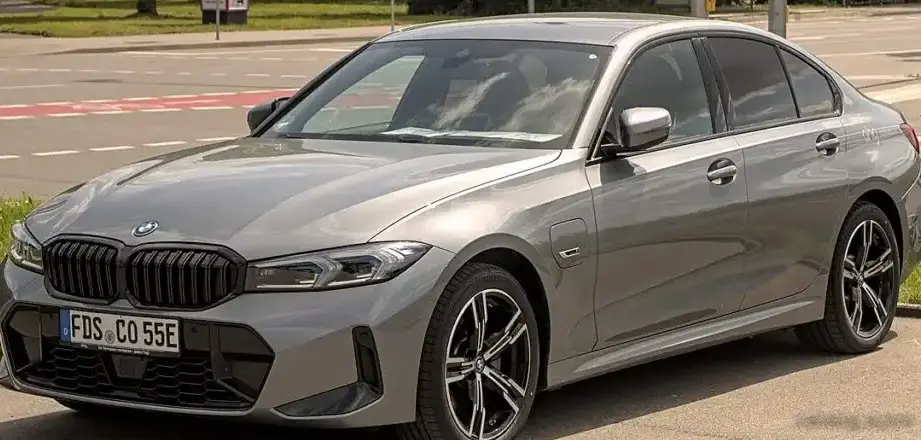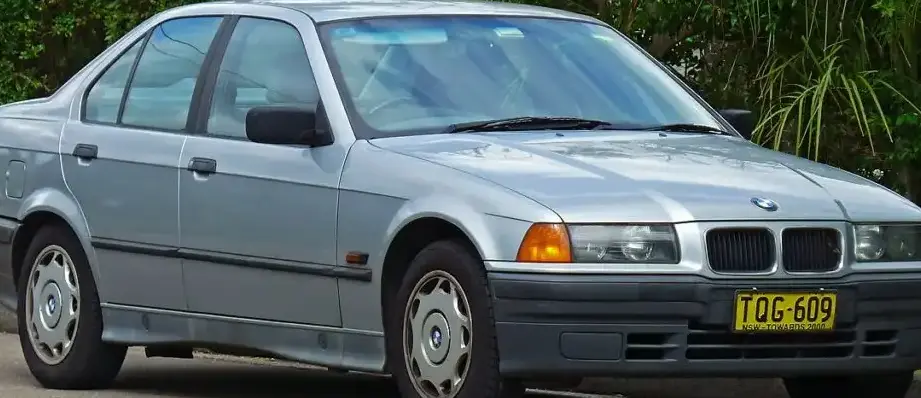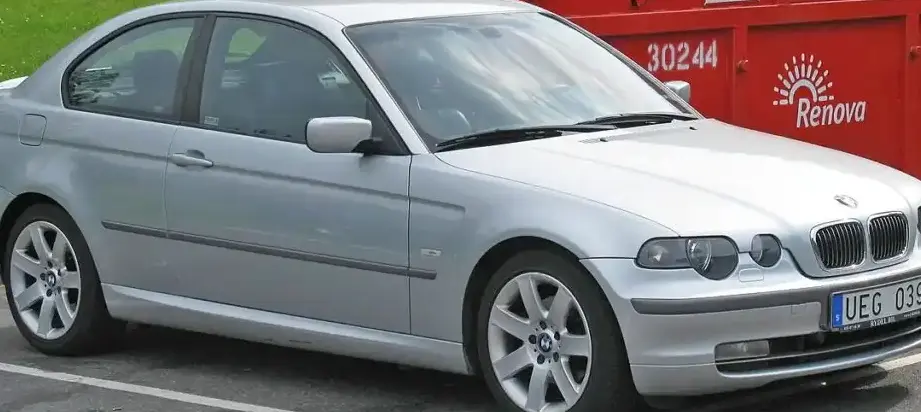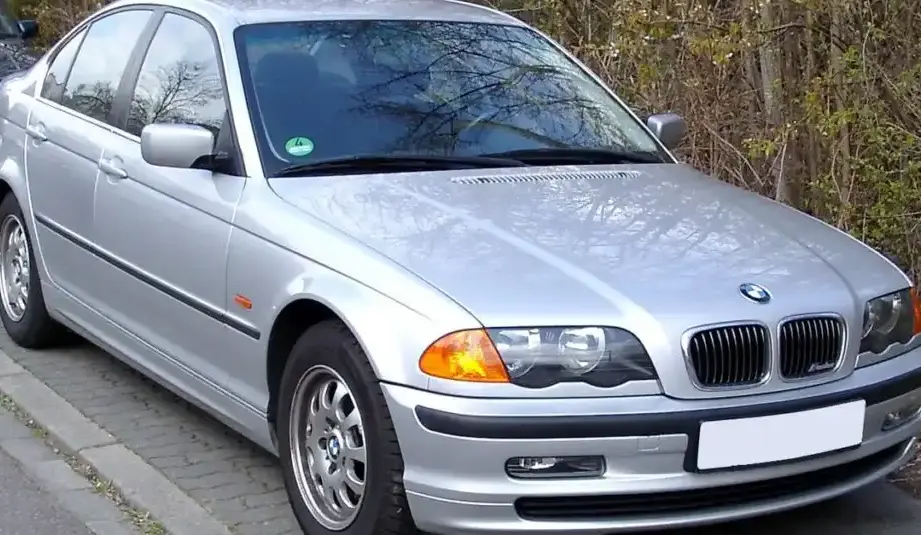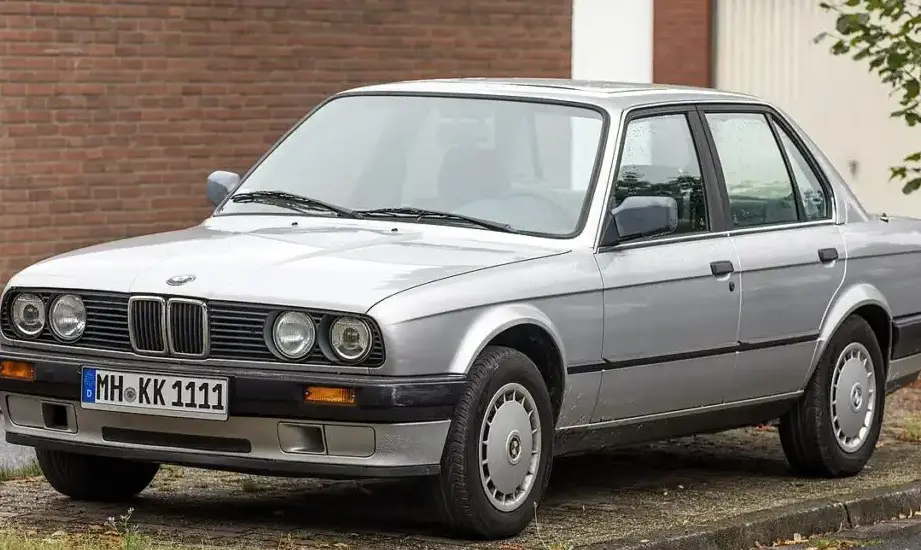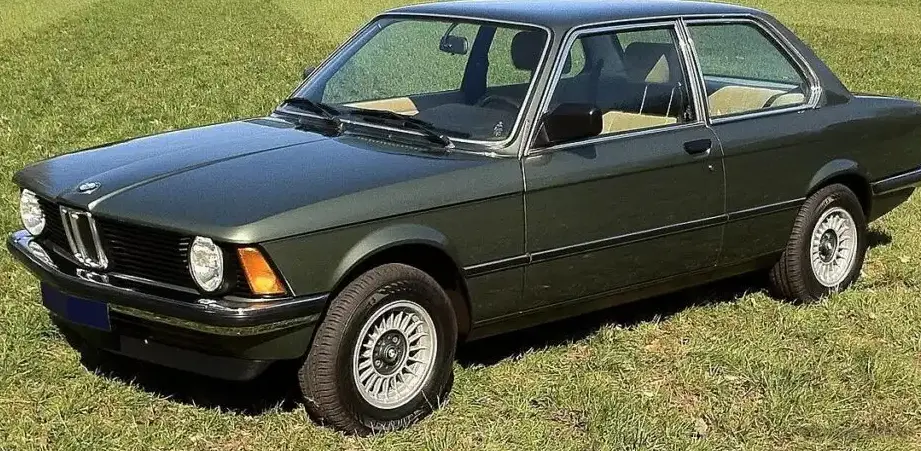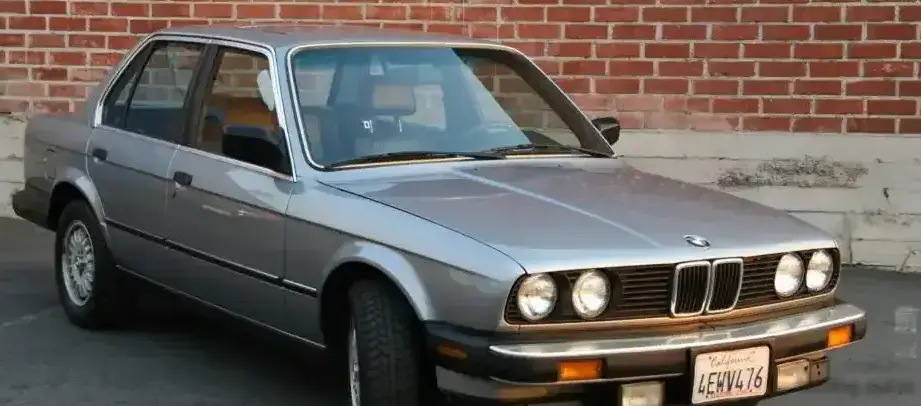
The BMW 3 Series Sedan (E30) 323i, produced from 1982 to 1983, represented a significant step forward in the evolution of BMW’s compact executive car. Positioned as a mid-range offering within the initial E30 generation (which spanned 1982-1990), the 323i aimed to bridge the gap between the more economical 318i and the performance-focused 325i. It was primarily marketed in Europe and North America, offering a blend of sporty handling and respectable power. The E30 platform itself was revolutionary for BMW, introducing independent suspension on all four wheels and a more modern, aerodynamic design compared to its predecessor, the E21 3 Series.
Technical Specifications
| Brand | BMW |
| Model | 3 Series |
| Generation | 3 Series Sedan (E30) |
| Type (Engine) | 323i (139 Hp) |
| Start of production | 1982 |
| End of production | 1983 |
| Powertrain Architecture | Internal Combustion engine |
| Body type | Sedan |
| Seats | 5 |
| Doors | 4 |
| Fuel consumption (economy) – urban | 12.1 l/100 km (19.4 US mpg, 23.3 UK mpg, 8.3 km/l) |
| Fuel consumption (economy) – extra urban | 6.3 l/100 km (37.3 US mpg, 44.8 UK mpg, 15.9 km/l) |
| Fuel consumption (economy) – combined | 8.2 l/100 km (28.7 US mpg, 34.4 UK mpg, 12.2 km/l) |
| Fuel Type | Petrol (Gasoline) |
| Acceleration 0 – 100 km/h | 9.2 sec |
| Acceleration 0 – 62 mph | 9.2 sec |
| Acceleration 0 – 60 mph | 8.7 sec |
| Maximum speed | 202 km/h (125.52 mph) |
| Weight-to-power ratio | 7.9 kg/Hp, 126.4 Hp/tonne |
| Weight-to-torque ratio | 5.4 kg/Nm, 186.4 Nm/tonne |
| Power | 139 Hp @ 6000 rpm |
| Power per litre | 60 Hp/l |
| Torque | 205 Nm @ 4000 rpm (151.2 lb.-ft. @ 4000 rpm) |
| Engine layout | Front, Longitudinal |
| Engine Model/Code | M20B23 |
| Engine displacement | 2316 cm3 (141.33 cu. in.) |
| Number of cylinders | 6 |
| Engine configuration | Inline |
| Cylinder Bore | 80 mm (3.15 in.) |
| Piston Stroke | 76.8 mm (3.02 in.) |
| Compression ratio | 9.8:1 |
| Number of valves per cylinder | 2 |
| Fuel injection system | Multi-port manifold injection |
| Engine aspiration | Naturally aspirated engine |
| Valvetrain | SOHC |
| Engine oil capacity | 4.25 l (4.49 US qt | 3.74 UK qt) |
| Coolant | 10.5 l (11.1 US qt | 9.24 UK qt) |
| Kerb Weight | 1100 kg (2425.08 lbs.) |
| Max. weight | 1560 kg (3439.21 lbs.) |
| Max load | 460 kg (1014.13 lbs.) |
| Trunk (boot) space – minimum | 404 l (14.27 cu. ft.) |
| Fuel tank capacity | 55 l (14.53 US gal | 12.1 UK gal) |
| Max. roof load | 75 kg (165.35 lbs.) |
| Permitted trailer load with brakes (12%) | 1200 kg (2645.55 lbs.) |
| Permitted trailer load without brakes | 500 kg (1102.31 lbs.) |
| Length | 4325 mm (170.28 in.) |
| Width | 1645 mm (64.76 in.) |
| Height | 1380 mm (54.33 in.) |
| Wheelbase | 2570 mm (101.18 in.) |
| Front track | 1407 mm (55.39 in.) |
| Rear (Back) track | 1415 mm (55.71 in.) |
| Front overhang | 761 mm (29.96 in.) |
| Rear overhang | 994 mm (39.13 in.) |
| Ride height (ground clearance) | 140 mm (5.51 in.) |
| Drag coefficient (Cd) | 0.35 |
| Drivetrain Architecture | The Internal combustion engine (ICE) drives the rear wheels of the vehicle. |
| Drive wheel | Rear wheel drive |
| Number of gears and type of gearbox | 5 gears, manual transmission |
| Front suspension | Independent type McPherson |
| Rear suspension | Trailing arm |
| Front brakes | Disc |
| Rear brakes | Drum |
| Steering type | Steering rack and pinion |
| Tires size | 195/65 R14 |
| Wheel rims size | 14 |
Powertrain & Engine Architecture
The heart of the 323i was the M20B23 engine, a 2.3-liter inline-six cylinder powerplant. This engine was a significant upgrade over the 318i’s 1.8-liter unit, offering increased displacement and a higher output. The M20 featured a single overhead camshaft (SOHC) design, operating two valves per cylinder. Fuel delivery was handled by Bosch Motronic multi-port fuel injection, a relatively advanced system for the time, contributing to improved fuel efficiency and smoother power delivery. The engine produced 139 horsepower at 6000 rpm and 205 Nm (151.2 lb-ft) of torque at 4000 rpm. The engine was mounted longitudinally in the front of the car, driving the rear wheels. The standard transmission for the 323i was a five-speed manual gearbox, providing precise control and enhancing the driving experience.
Driving Characteristics
The 323i offered a noticeable improvement in performance over the base 318i. While not as overtly sporty as the 325i, the 323i provided a well-balanced driving experience. Acceleration from 0 to 60 mph took approximately 8.7 seconds, and it could achieve a top speed of around 125.5 mph. The five-speed manual transmission allowed for spirited driving, while the rear-wheel-drive configuration contributed to the car’s balanced handling. The suspension, featuring independent McPherson struts at the front and a trailing arm setup at the rear, provided a comfortable ride without sacrificing handling precision. Compared to the 325i, the 323i felt slightly less eager to rev, but offered a broader, more usable powerband, making it a more practical choice for everyday driving.
Equipment & Trim Levels
The 323i typically came equipped with a reasonable level of standard features for its time. Interior appointments included cloth upholstery, a basic stereo system, and power windows. Optional extras included a sunroof, upgraded stereo systems, leather upholstery, and air conditioning. The dashboard layout was functional and driver-focused, with clearly marked gauges and easy-to-reach controls. Trim levels were relatively simple, with most variations stemming from the addition of optional packages. The 323i aimed for a balance between comfort and sportiness, offering a more refined interior than the base 318i but lacking the more luxurious appointments of the 325i.
Chassis & Braking
The E30 323i utilized a robust chassis with independent suspension all around. The front suspension employed McPherson struts, while the rear featured a semi-trailing arm design. This setup provided a good balance of ride comfort and handling precision. Braking duties were handled by disc brakes at the front and drum brakes at the rear. While adequate for the car’s performance, the rear drum brakes were a point of criticism compared to the all-disc setup found on the 325i. Steering was via a rack-and-pinion system, providing precise and responsive control. The car rode on 195/65 R14 tires, mounted on 14-inch wheels.
Market Reception & Comparison
The 323i was generally well-received by automotive critics. It was praised for its balanced performance, comfortable ride, and refined interior. However, some critics noted that it lacked the outright excitement of the 325i. In terms of fuel economy, the 323i offered a reasonable compromise between performance and efficiency, achieving around 28.7 US mpg in combined driving. Compared to the 318i, the 323i offered a significant performance boost, while being more affordable than the 325i. Reliability was generally good, although the M20 engine could be prone to oil leaks as it aged.
Legacy
The E30 323i remains a popular choice among BMW enthusiasts today. Its combination of classic styling, engaging driving dynamics, and relative affordability has made it a sought-after classic car. The M20 engine, while not as technologically advanced as later BMW engines, is known for its durability and relatively simple maintenance requirements. Well-maintained examples of the 323i can still provide years of reliable service. However, potential buyers should be aware of common issues such as rust, oil leaks, and worn suspension components. The E30 323i represents a pivotal moment in BMW’s history, establishing the 3 Series as a benchmark for compact executive cars.