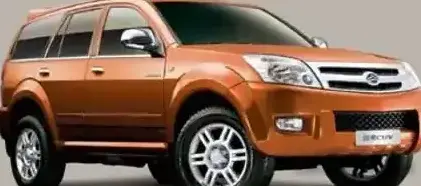
The Great Wall Hover H6 2.0 (143 Hp) 4×2 was a front-wheel-drive sport utility vehicle (SUV) produced by the Chinese manufacturer Great Wall Motors from 2011 to 2017. Positioned as a mid-range offering within the broader Hover H6 lineup, this variant aimed to provide a balance of fuel efficiency, practicality, and affordability for the burgeoning Chinese automotive market. While Great Wall Motors had limited presence in North America during this period, the H6 represented their ambition to compete in the global SUV segment. This specific configuration, featuring a 2.0-liter diesel engine and a six-speed manual transmission, was a key volume seller for the model.
Technical Specifications
| Brand | Great Wall |
| Model | Hover H6 |
| Generation | Hover H6 |
| Type (Engine) | 2.0 (143 Hp) 4×2 |
| Start of production | 2011 |
| End of production | 2017 |
| Powertrain Architecture | Internal Combustion engine |
| Body type | SUV |
| Seats | 5 |
| Doors | 5 |
| Fuel consumption (combined) | 6.8 l/100 km (34.6 US mpg, 41.5 UK mpg, 14.7 km/l) |
| Fuel Type | Diesel |
| Acceleration 0 – 100 km/h | 11.2 sec |
| Acceleration 0 – 62 mph | 11.2 sec |
| Acceleration 0 – 60 mph | 10.6 sec |
| Maximum speed | 180 km/h (111.85 mph) |
| Emission standard | Euro 5 |
| Power | 143 Hp |
| Power per litre | 71.6 Hp/l |
| Torque | 310 Nm (228.64 lb.-ft.) |
| Engine layout | Front, Longitudinal |
| Engine Model/Code | GW4D20 |
| Engine displacement | 1996 cm3 (121.8 cu. in.) |
| Number of cylinders | 4 |
| Engine configuration | Inline |
| Fuel injection system | Diesel Commonrail |
| Engine aspiration | Turbocharger, Intercooler |
| Engine oil capacity | 6 l (6.34 US qt | 5.28 UK qt) |
| Fuel tank capacity | 58 l (15.32 US gal | 12.76 UK gal) |
| Length | 4640 mm (182.68 in.) |
| Width | 1825 mm (71.85 in.) |
| Height | 1745 mm (68.7 in.) |
| Wheelbase | 2680 mm (105.51 in.) |
| Front track | 1565 mm (61.61 in.) |
| Rear track | 1565 mm (61.61 in.) |
| Drivetrain Architecture | Front wheel drive |
| Number of gears and type of gearbox | 6 gears, manual transmission |
| Front suspension | Independent type McPherson |
| Rear suspension | Independent multi-link suspension |
| Front brakes | Ventilated discs |
| Rear brakes | Disc |
| Assisting systems | ABS (Anti-lock braking system) |
| Steering type | Steering rack and pinion |
| Tires size | 225/65 R17 |
| Wheel rims size | 17 |
Powertrain & Engine Architecture
The heart of the Hover H6 2.0 4×2 was the GW4D20, a 1.996-liter inline-four cylinder diesel engine. This engine utilized a common rail direct injection system, allowing for precise fuel delivery and improved combustion efficiency. A turbocharger with an intercooler was employed to boost power output and reduce turbo lag. The engine produced 143 horsepower and 310 Nm (228.64 lb.-ft.) of torque. The six-speed manual transmission was the sole gearbox option for this variant, offering drivers full control over gear selection. The engine was mounted longitudinally in the front of the vehicle, driving the front wheels. The GW4D20, while not a particularly sophisticated design by European or Japanese standards, represented a significant step forward for Great Wall in terms of diesel engine technology. The common rail system allowed for quieter operation and reduced emissions compared to older mechanical injection systems.
Driving Characteristics
The 2.0-liter diesel engine provided adequate, though not exceptional, performance for the Hover H6. Acceleration from 0 to 100 km/h (0-62 mph) took approximately 11.2 seconds. The manual transmission allowed for a more engaging driving experience compared to potential automatic options (which were available on other H6 trims). The torque output of 310 Nm was sufficient for everyday driving and light off-road use, but the front-wheel-drive configuration limited its capabilities in challenging terrain. The gear ratios were tuned for fuel efficiency, resulting in a slightly less responsive feel at higher speeds. Compared to the more powerful gasoline engines offered in other H6 models, this diesel variant prioritized fuel economy and practicality over outright performance. The engine was noticeably louder and more agricultural in its operation than the gasoline alternatives, a characteristic common to many diesel engines of this era.
Equipment & Trim Levels
The Hover H6 2.0 4×2 typically came equipped with standard features such as air conditioning, power windows, power door locks, and a basic audio system. Interior upholstery was generally cloth, with options for upgraded materials available. Safety features included ABS (Anti-lock Braking System). Optional extras could include alloy wheels, a sunroof, and a more advanced audio system with navigation. The trim level for this specific engine/transmission combination was generally considered a mid-range offering, bridging the gap between the base models and the more luxurious, higher-powered variants. It aimed to appeal to buyers who wanted a reasonably well-equipped SUV without the higher price tag of the top-of-the-line models.
Chassis & Braking
The Hover H6 2.0 4×2 featured an independent McPherson strut suspension in the front and an independent multi-link suspension in the rear, providing a reasonably comfortable ride. Ventilated disc brakes were used on the front wheels, while solid discs were fitted to the rear. The steering system was a rack and pinion setup, offering precise and responsive handling. The vehicle rode on 17-inch wheels with 225/65 R17 tires. The front track and rear track were both 1565 mm (61.61 in.). While the suspension setup was adequate for typical road conditions, it wasn’t particularly sophisticated and could feel somewhat harsh over rough surfaces. The braking system, while effective, lacked the refinement of systems found in more established automotive brands.
Market Reception & Comparison
The Great Wall Hover H6 2.0 4×2 was generally well-received in the Chinese market as a practical and affordable SUV. Critics praised its fuel efficiency and spacious interior, but noted that its performance was not as refined as some of its competitors. Compared to other H6 trims, such as those equipped with gasoline engines, the 2.0-liter diesel offered superior fuel economy but less overall power. Its reliability was considered average for a Chinese-made vehicle of that era, with some reports of issues with the diesel injection system. The H6 2.0 4×2 competed with other domestically produced SUVs like the Chery Tiggo and the Geely Emgrand X6, offering a similar value proposition.
Legacy
The Great Wall Hover H6 2.0 4×2 played a significant role in establishing Great Wall Motors as a major player in the Chinese automotive industry. While it didn’t achieve widespread recognition in international markets, it proved to be a popular choice among Chinese consumers seeking a practical and affordable SUV. Today, these vehicles can be found on the used car market, often at very affordable prices. The GW4D20 diesel engine, while not known for exceptional longevity, can provide reliable service with proper maintenance. The H6, in general, paved the way for Great Wall’s later, more globally competitive SUV offerings, demonstrating the company’s growing capabilities in automotive design and manufacturing. It represents an early example of China’s ambition to become a significant force in the global automotive landscape.