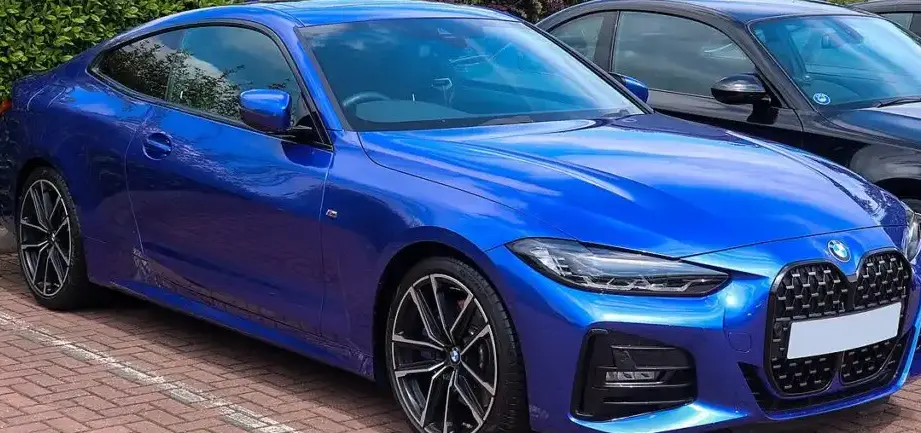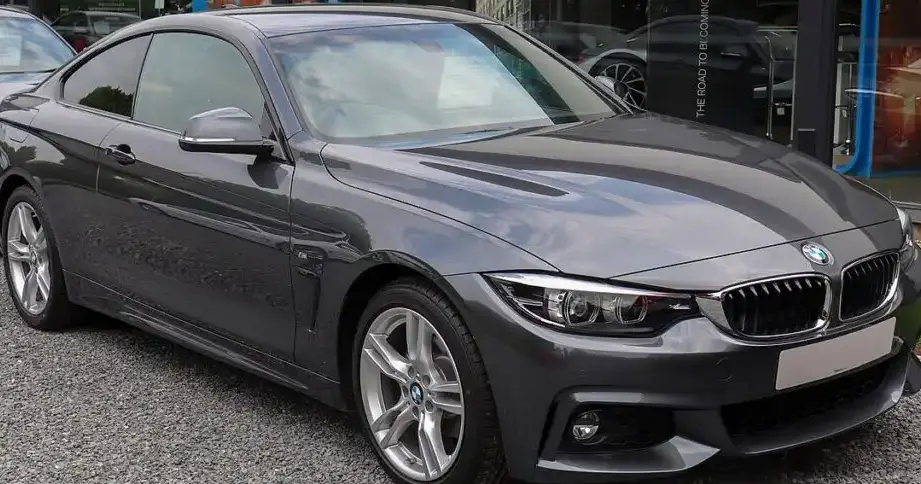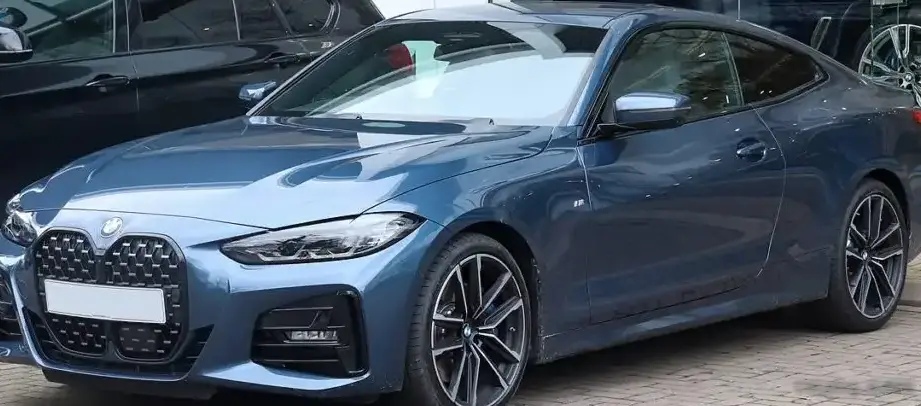
The BMW 4 Series Coupe (F32) 425d, produced from 2014 to 2016, represented a compelling entry point into the premium coupe market, offering a blend of performance, efficiency, and BMW’s signature driving dynamics. Positioned within the F32 4 Series lineup – which succeeded the 3 Series Coupe – the 425d utilized a turbocharged diesel engine paired with an eight-speed automatic transmission. This configuration aimed to deliver a refined and economical driving experience, appealing to buyers prioritizing fuel economy and comfortable long-distance cruising over outright performance. It served as a middle-ground option, slotting below the more powerful 435i and above the base 420d models.
Technical Specifications
| Brand | BMW |
| Model | 4 Series |
| Generation | 4 Series Coupe (F32) |
| Type (Engine) | 425d (218 Hp) |
| Start of production | 2014 |
| End of production | 2016 |
| Powertrain Architecture | Internal Combustion engine |
| Body type | Coupe |
| Seats | 4 |
| Doors | 2 |
| Fuel consumption (urban) | 6.1-6.3 l/100 km (38.6 – 37.3 US mpg) |
| Fuel consumption (extra urban) | 4.3-4.4 l/100 km (54.7 – 53.5 US mpg) |
| Fuel consumption (combined) | 5.0-5.1 l/100 km (47 – 46.1 US mpg) |
| CO2 emissions | 131-135 g/km |
| Fuel Type | Diesel |
| Acceleration 0 – 100 km/h | 6.7 sec |
| Acceleration 0 – 62 mph | 6.7 sec |
| Acceleration 0 – 60 mph | 6.4 sec |
| Maximum speed | 247 km/h (153.48 mph) |
| Emission standard | Euro 6 |
| Weight-to-power ratio | 6.8 kg/Hp, 146.3 Hp/tonne |
| Weight-to-torque ratio | 3.3 kg/Nm, 302 Nm/tonne |
| Power | 218 Hp @ 4000 rpm |
| Torque | 450 Nm @ 1500 rpm (331.9 lb.-ft. @ 1500 rpm) |
| Engine layout | Front, Longitudinal |
| Engine Model/Code | N47D20D |
| Engine displacement | 1995 cm3 (121.74 cu. in.) |
| Number of cylinders | 4 |
| Engine configuration | Inline |
| Cylinder Bore | 84 mm (3.31 in.) |
| Piston Stroke | 90 mm (3.54 in.) |
| Compression ratio | 16.5:1 |
| Number of valves per cylinder | 4 |
| Fuel injection system | Diesel Commonrail |
| Engine aspiration | Twin-power turbo, Intercooler |
| Engine oil capacity | 5.2 l (5.49 US qt | 4.58 UK qt) |
| Coolant | 7 l (7.4 US qt | 6.16 UK qt) |
| Kerb Weight | 1490 kg (3284.89 lbs.) |
| Max. weight | 2010 kg (4431.29 lbs.) |
| Max load | 520 kg (1146.4 lbs.) |
| Trunk (boot) space – minimum | 445 l (15.72 cu. ft.) |
| Fuel tank capacity | 57 l (15.06 US gal | 12.54 UK gal) |
| Max. roof load | 75 kg (165.35 lbs.) |
| Permitted trailer load with brakes (12%) | 1800 kg (3968.32 lbs.) |
| Permitted trailer load without brakes | 750 kg (1653.47 lbs.) |
| Permitted towbar download | 75 kg (165.35 lbs.) |
| Length | 4638 mm (182.6 in.) |
| Width | 1825 mm (71.85 in.) |
| Height | 1377 mm (54.21 in.) |
| Wheelbase | 2810 mm (110.63 in.) |
| Front track | 1545 mm (60.83 in.) |
| Rear (Back) track | 1594 mm (62.76 in.) |
| Ride height (ground clearance) | 130 mm (5.12 in.) |
| Drag coefficient (Cd) | 0.28 |
| Minimum turning circle (turning diameter) | 11.3 m (37.07 ft.) |
| Drivetrain Architecture | Rear wheel drive |
| Number of gears and type of gearbox | 8 gears, automatic transmission |
| Front suspension | Independent coil spring |
| Rear suspension | Independent multi-link suspension |
| Front brakes | Ventilated discs |
| Rear brakes | Ventilated discs |
| Assisting systems | ABS (Anti-lock braking system) |
| Steering type | Steering rack and pinion |
| Power steering | Electric Steering |
| Tires size | 225/50 R17 94W; 225/45 R18; 255/40 R18; 225/40 R19; 255/35 R19 |
| Wheel rims size | 7.5J x 17; 8J x 18; 8.5J x 18; 8J x 19; 8.5J x 19 |
Powertrain & Engine Architecture
The heart of the 425d was the BMW N47D20D engine, a 2.0-liter inline-four cylinder diesel. This engine was a mainstay in BMW’s lineup during this period, known for its efficiency and relatively smooth operation. It featured common-rail direct injection, delivering fuel at extremely high pressure for optimized combustion. A twin-scroll turbocharger, coupled with an intercooler, boosted power output to 218 horsepower at 4,000 rpm and 450 Nm (331.9 lb-ft) of torque at a low 1,500 rpm. The engine also incorporated BMW’s EfficientDynamics technologies, including variable valve timing and brake energy regeneration. The eight-speed automatic transmission, a ZF 8HP series unit, was a key component in maximizing fuel economy and providing smooth gear changes. This transmission offered both automatic and manual shift modes, allowing drivers to tailor the driving experience to their preferences.
Driving Characteristics
The 425d, with its automatic transmission, prioritized comfort and ease of driving. Acceleration from 0 to 60 mph took approximately 6.4 seconds, making it reasonably quick for a diesel coupe. However, it wasn’t as engaging or responsive as the 435i or even the 420d with a manual transmission. The automatic transmission’s programming favored smooth shifts and fuel efficiency over aggressive downshifts. The torque-rich diesel engine provided ample power for everyday driving and effortless highway cruising. The rear-wheel-drive configuration contributed to balanced handling, although it wasn’t as playful as some other sports coupes. The steering was precise and well-weighted, typical of BMW, but lacked the ultimate feedback of more focused performance models.
Equipment & Trim Levels
The 425d typically came well-equipped, reflecting its position as a mid-range offering. Standard features included leather upholstery, automatic climate control, a BMW iDrive infotainment system with a 6.5-inch display, and 17-inch alloy wheels. Optional extras were plentiful, allowing buyers to personalize their vehicles. These included larger alloy wheels, a premium sound system, navigation, heated seats, a sunroof, and various driver-assistance systems like lane departure warning and parking sensors. Interior trim options ranged from basic cloth to more luxurious leather and wood combinations. The Sport Line package added more aggressive styling cues and sportier interior trim.
Chassis & Braking
The F32 4 Series featured a sophisticated chassis designed to balance comfort and handling. The front suspension utilized independent coil springs, while the rear employed an independent multi-link setup. This configuration provided a comfortable ride while maintaining good control in corners. The 425d was equipped with ventilated disc brakes on all four wheels, providing ample stopping power. Anti-lock braking system (ABS) was standard, along with electronic stability control. The suspension tuning was generally softer than that of the 435i, prioritizing ride comfort over ultimate track performance.
Market Reception & Comparison
The 425d was generally well-received by automotive critics. It was praised for its fuel efficiency, comfortable ride, and refined engine. However, some reviewers found it lacked the excitement of the more powerful 435i. Compared to the 420d, the 425d offered a significant power boost, resulting in noticeably quicker acceleration. The 425d’s fuel economy was comparable to the 420d, making it a compelling choice for buyers seeking a balance of performance and efficiency. Against competitors like the Audi A5 Coupe and Mercedes-Benz C-Class Coupe, the 425d offered a competitive package with BMW’s characteristic driving dynamics.
Legacy
The N47D20D engine, while generally reliable, has been known to exhibit some issues, particularly with the timing chain and turbocharger. Regular maintenance and timely oil changes are crucial for ensuring longevity. Today, the F32 425d represents a relatively affordable entry point into BMW coupe ownership. Well-maintained examples can provide years of reliable service, offering a comfortable and efficient grand touring experience. The combination of a diesel engine and automatic transmission makes it a practical choice for drivers covering long distances. Its blend of style, comfort, and efficiency continues to appeal to a wide range of buyers in the used car market.