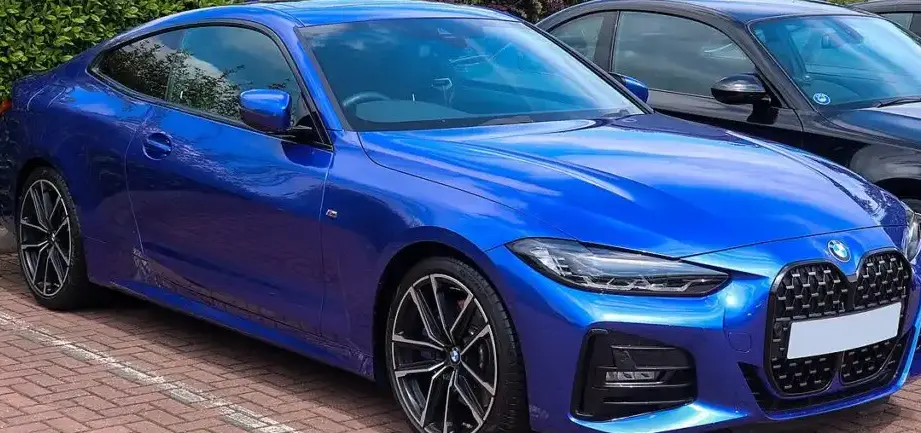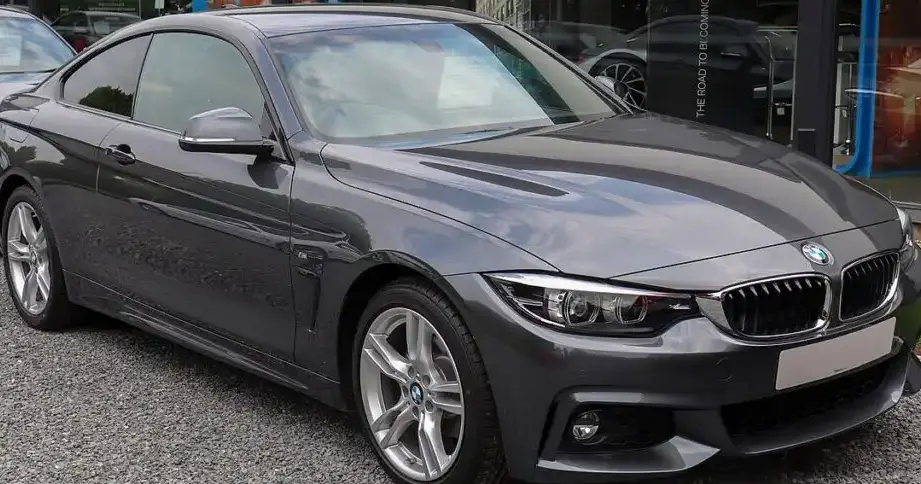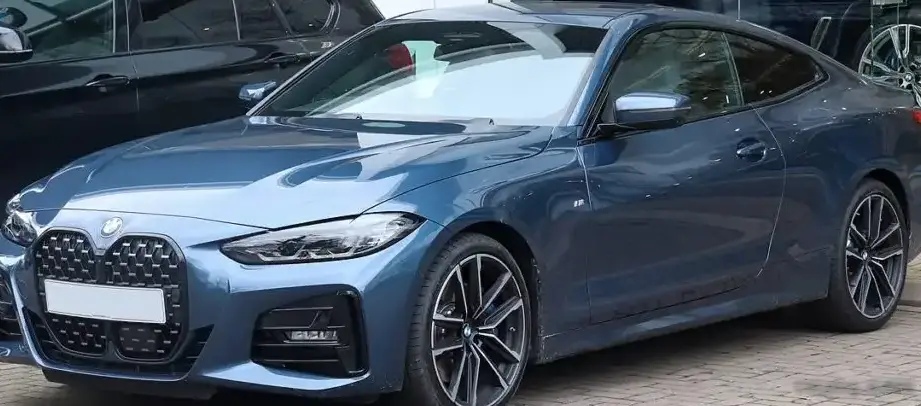
The BMW 4 Series Coupe (F32) 425d, produced primarily during the 2016 model year, represents a compelling blend of performance and efficiency within the broader F32 4 Series lineup. Positioned as a mid-range offering, the 425d aimed to deliver a more economical alternative to the higher-powered gasoline variants, while still providing the engaging driving experience expected of a BMW coupe. It served as a key model in the European market, where diesel engines held significant popularity due to favorable taxation and fuel economy regulations. This variant utilized BMW’s advanced diesel technology to offer a balance between spirited driving and reduced running costs.
Technical Specifications
| Brand | BMW |
| Model | 4 Series |
| Generation | 4 Series Coupe (F32) |
| Type (Engine) | 425d (224 Hp) |
| Start of production | 2016 |
| End of production | 2016 |
| Powertrain Architecture | Internal Combustion engine |
| Body type | Coupe |
| Seats | 4 |
| Doors | 2 |
| Fuel consumption (urban) | 5.6-5.9 l/100 km (42 – 39.9 US mpg, 50.4 – 47.9 UK mpg, 17.9 – 16.9 km/l) |
| Fuel consumption (extra urban) | 4.0-4.3 l/100 km (58.8 – 54.7 US mpg, 70.6 – 65.7 UK mpg, 25 – 23.3 km/l) |
| Fuel consumption (combined) | 4.6-4.9 l/100 km (51.1 – 48 US mpg, 61.4 – 57.6 UK mpg, 21.7 – 20.4 km/l) |
| CO2 emissions | 121-129 g/km |
| Fuel Type | Diesel |
| Acceleration 0 – 100 km/h | 6.5 sec |
| Acceleration 0 – 62 mph | 6.5 sec |
| Acceleration 0 – 60 mph | 6.2 sec |
| Maximum speed | 247 km/h (153.48 mph) |
| Emission standard | Euro 6 |
| Weight-to-power ratio | 6.7 kg/Hp, 148.8 Hp/tonne |
| Weight-to-torque ratio | 3.3 kg/Nm, 299 Nm/tonne |
| Power | 224 Hp @ 4400 rpm |
| Power per litre | 112.3 Hp/l |
| Torque | 450 Nm @ 1500-3000 rpm (331.9 lb.-ft. @ 1500-3000 rpm) |
| Engine layout | Front, Longitudinal |
| Engine Model/Code | B47D20B |
| Engine displacement | 1995 cm3 (121.74 cu. in.) |
| Number of cylinders | 4 |
| Engine configuration | Inline |
| Cylinder Bore | 84 mm (3.31 in.) |
| Piston Stroke | 90 mm (3.54 in.) |
| Compression ratio | 16.5:1 |
| Number of valves per cylinder | 4 |
| Fuel injection system | Diesel Commonrail |
| Engine aspiration | Twin-power turbo, Intercooler |
| Engine oil capacity | 5 l (5.28 US qt | 4.4 UK qt) |
| Coolant | 7 l (7.4 US qt | 6.16 UK qt) |
| Kerb Weight | 1505 kg (3317.96 lbs.) |
| Max. weight | 2070 kg (4563.57 lbs.) |
| Max load | 565 kg (1245.61 lbs.) |
| Trunk (boot) space – minimum | 445 l (15.72 cu. ft.) |
| Fuel tank capacity | 57 l (15.06 US gal | 12.54 UK gal) |
| Max. roof load | 75 kg (165.35 lbs.) |
| Permitted trailer load with brakes (12%) | 1800 kg (3968.32 lbs.) |
| Permitted trailer load without brakes | 750 kg (1653.47 lbs.) |
| Permitted towbar download | 75 kg (165.35 lbs.) |
| Length | 4638 mm (182.6 in.) |
| Width | 1825 mm (71.85 in.) |
| Height | 1377 mm (54.21 in.) |
| Wheelbase | 2810 mm (110.63 in.) |
| Front track | 1545 mm (60.83 in.) |
| Rear (Back) track | 1594 mm (62.76 in.) |
| Ride height (ground clearance) | 130 mm (5.12 in.) |
| Drag coefficient (Cd) | 0.28 |
| Minimum turning circle (turning diameter) | 11.3 m (37.07 ft.) |
| Drivetrain Architecture | The Internal combustion engine (ICE) drives the rear wheels of the vehicle. |
| Drive wheel | Rear wheel drive |
| Number of gears and type of gearbox | 6 gears, manual transmission |
| Front suspension | Independent coil spring |
| Rear suspension | Independent multi-link suspension |
| Front brakes | Ventilated discs |
| Rear brakes | Ventilated discs |
| Assisting systems | ABS (Anti-lock braking system) |
| Steering type | Steering rack and pinion |
| Power steering | Electric Steering |
| Tires size | 225/50 R17 94W; 225/45 R18; 255/40 R18; 225/40 R19; 255/35 R19 |
| Wheel rims size | 7.5J x 17; 8J x 18; 8.5J x 18; 8J x 19; 8.5J x 19 |
Powertrain & Engine Architecture
The heart of the 425d is BMW’s B47D20B 2.0-liter inline-four diesel engine. This engine is a member of BMW’s modular engine family, known for its efficiency and refinement. The B47 utilizes a sophisticated common-rail direct injection system, delivering fuel at extremely high pressures for optimized combustion. A twin-scroll turbocharger, coupled with an intercooler, provides a significant boost in power and torque. The engine’s aluminum block and head contribute to weight reduction. The 425d was typically paired with a six-speed manual transmission, although an eight-speed automatic transmission was also available as an option. The automatic transmission offered smoother shifts and enhanced fuel economy, but at the expense of some driver engagement.
Driving Characteristics
The 425d, even with its 224 horsepower and 331.9 lb.-ft. of torque, doesn’t deliver the outright acceleration of its gasoline-powered siblings like the 435i. However, it provides a strong and usable powerband, with peak torque available from a low 1500 rpm. This makes it exceptionally flexible for everyday driving and overtaking maneuvers. The manual transmission offers precise shifts, while the optional automatic provides seamless gear changes. The rear-wheel-drive configuration contributes to a balanced and engaging driving experience, although traction can be a concern in wet or slippery conditions. Compared to the 420d, the 425d offers a noticeable performance upgrade, while remaining more fuel-efficient than the 435i.
Equipment & Trim Levels
The 425d typically came equipped with a generous array of standard features, including leather upholstery, automatic climate control, a BMW iDrive infotainment system with a central display screen, and a suite of safety features like ABS, stability control, and multiple airbags. Optional extras included a premium sound system, navigation, heated seats, a sunroof, and various driver-assistance systems. Trim levels varied depending on the market, but generally offered increasing levels of luxury and technology. Sport Line packages added more aggressive styling cues and sport-tuned suspension, while Luxury Line packages focused on enhanced interior comfort and refinement.
Chassis & Braking
The F32 4 Series Coupe features a sophisticated chassis design, with an independent multi-link rear suspension that provides excellent ride comfort and handling. The 425d typically came equipped with ventilated disc brakes on all four wheels, providing ample stopping power. The steering is precise and well-weighted, offering good feedback to the driver. The suspension was tuned to balance comfort and handling, providing a composed ride even on uneven surfaces. The weight distribution is nearly 50/50, contributing to the car’s balanced handling characteristics.
Market Reception & Comparison
The 425d was generally well-received by automotive critics, who praised its fuel efficiency, refined engine, and engaging driving dynamics. It was seen as a practical and sensible alternative to the more expensive and less economical gasoline models. Compared to the 420d, the 425d offered a significant performance boost, making it a more appealing option for drivers who wanted a bit more power. However, some critics noted that the diesel engine lacked the responsiveness and sound of the gasoline engines. Fuel economy figures consistently ranked among the best in its class.
Legacy
The B47 engine family, including the B47D20B found in the 425d, has proven to be relatively reliable, although some early models experienced issues with timing chain tensioners. Regular maintenance, including oil changes and filter replacements, is crucial for ensuring long-term reliability. On the used car market, the 425d represents a good value proposition, offering a blend of performance, efficiency, and luxury at a reasonable price. Its reputation for reliability and fuel economy makes it a popular choice among buyers looking for a practical and enjoyable coupe.