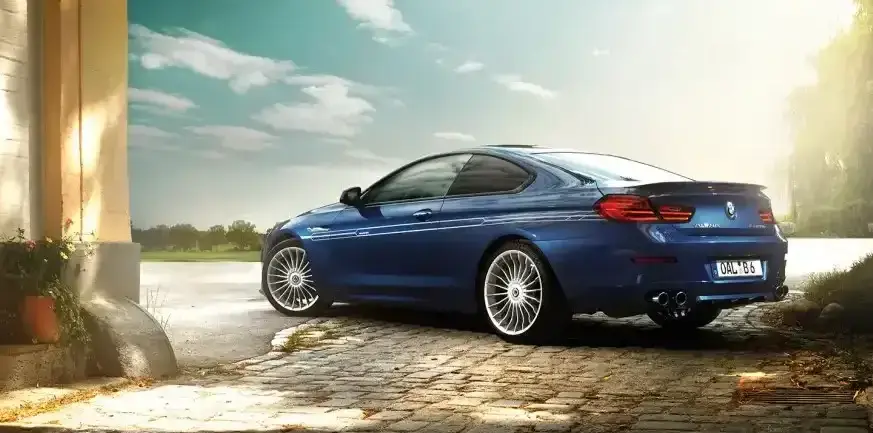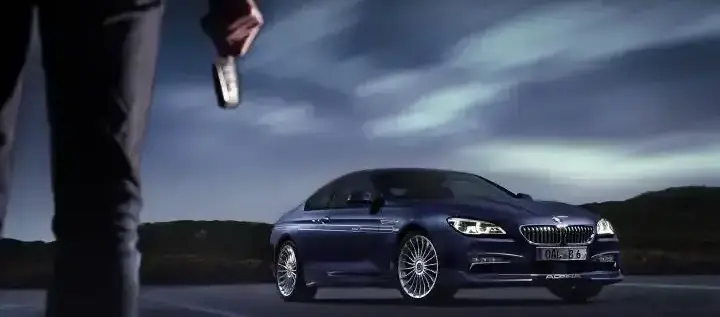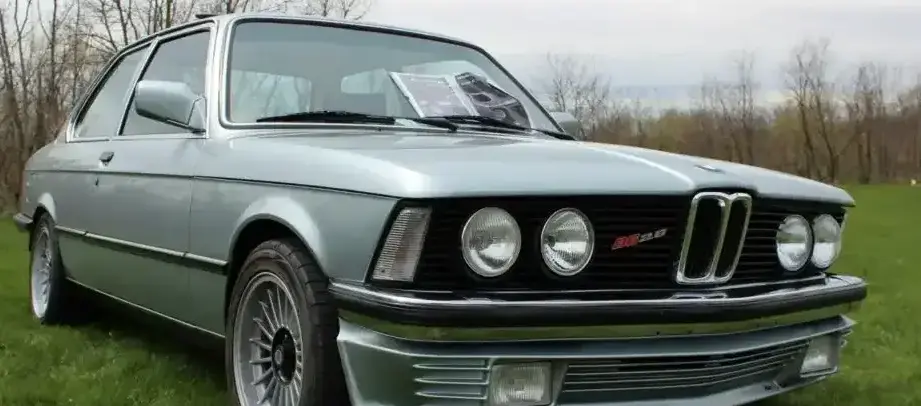
The Alpina B6 2.8, produced between 1983 and 1986, represents a unique and highly regarded iteration of the BMW E30 3-Series. Built by Alpina, a renowned German automotive engineering firm, the B6 2.8 wasn’t simply a modified 3-Series; it was a comprehensively engineered vehicle designed to offer a blend of grand touring comfort and spirited performance. Positioned as a premium alternative to the standard BMW offerings, the B6 2.8 catered to buyers seeking exclusivity and a more refined driving experience. It occupied a niche above the standard 323i and 325i models, offering significantly more power and a higher level of equipment. The B6 2.8 is particularly notable for its hand-built engine and meticulous attention to detail, characteristics that define Alpina’s approach to automotive engineering.
Technical Specifications
| Brand | Alpina |
| Model | B6 |
| Generation | B6 (E30) |
| Type (Engine) | 2.8 (209 Hp) |
| Start of Production | 1983 |
| End of Production | 1986 |
| Powertrain Architecture | Internal Combustion Engine |
| Body Type | Coupe |
| Fuel Type | Petrol (Gasoline) |
| Maximum Speed | 230 km/h (142.92 mph) |
| Power | 209 Hp |
| Engine Aspiration | Naturally Aspirated |
Powertrain & Engine Architecture
The heart of the Alpina B6 2.8 is its 2.8-liter straight-six engine, based on the BMW M30 block. However, Alpina didn’t simply drop a larger engine into the E30 chassis. The engine, designated as the B6/1, underwent extensive modifications. These included a lightened and balanced crankshaft, high-compression pistons, a specially designed cylinder head with larger valves and optimized porting, and a performance camshaft. Alpina also employed Mahle pistons and a revised intake manifold. Fuel delivery was managed by Bosch K-Jetronic mechanical fuel injection, a system known for its reliability and precise metering. The engine produced 209 horsepower and 240 lb-ft of torque, a substantial increase over the standard BMW 323i and 325i engines of the time. The engine was mated to a close-ratio five-speed manual transmission, specifically chosen to complement the engine’s power characteristics. While an automatic transmission was offered, the manual was favored by enthusiasts for its more engaging driving experience. The exhaust system was also a bespoke Alpina design, contributing to both performance and the distinctive B6 sound.
Driving Characteristics
The Alpina B6 2.8 offered a distinctly different driving experience compared to its BMW counterparts. The increased power and torque, combined with the close-ratio gearbox, resulted in brisk acceleration and impressive mid-range punch. The car felt significantly faster than the standard 3-Series models, with a 0-60 mph time of around 6.8 seconds. The suspension was also modified by Alpina, featuring stiffer springs, Bilstein shock absorbers, and a larger diameter stabilizer bar. These changes reduced body roll and improved handling, providing a more confident and controlled feel, especially during cornering. However, Alpina deliberately avoided making the suspension *too* stiff, prioritizing ride comfort alongside performance. The B6 2.8 struck a balance between sporty handling and everyday usability, making it a capable grand tourer. Compared to the later, more track-focused M3, the B6 2.8 was more relaxed and refined, better suited for long-distance driving. The manual transmission offered precise shifts and a direct connection to the engine, while the optional automatic, though less engaging, provided convenience for daily commuting.
Equipment & Trim Levels
The Alpina B6 2.8 was distinguished by its luxurious interior and unique trim details. Standard features included Recaro sport seats upholstered in high-quality leather, a leather-wrapped steering wheel, and a comprehensive instrument cluster with additional gauges monitoring oil temperature, voltage, and other vital parameters. Alpina also fitted a unique wood trim to the dashboard and door panels, adding a touch of elegance. Exterior features included Alpina-specific front and rear spoilers, a subtle rear window spoiler, and distinctive Alpina wheels. Optional extras included a sunroof, air conditioning, and a high-end sound system. The B6 2.8 was available in a range of exterior colors, but Alpina’s signature silver metallic was a popular choice. The interior trim was largely customizable, allowing buyers to personalize their vehicles to their preferences. The overall impression was one of understated luxury and refined performance.
Chassis & Braking
The B6 2.8 utilized the standard E30 chassis, but with several key modifications. As mentioned, the suspension was upgraded with stiffer springs and Bilstein shocks. Alpina also increased the diameter of the front stabilizer bar to further reduce body roll. The braking system consisted of ventilated disc brakes at the front and drum brakes at the rear. While the rear drums were a cost-saving measure, they were generally adequate for the car’s performance capabilities. Alpina did, however, upgrade the brake lines and master cylinder to improve braking feel and consistency. The wheels were typically 7×15 inch Alpina alloys, fitted with wider tires than the standard E30, providing increased grip and improved handling. The chassis modifications, combined with the upgraded suspension and brakes, resulted in a well-balanced and capable chassis that could handle the increased power of the engine.
Market Reception & Comparison
The Alpina B6 2.8 was well-received by automotive journalists and enthusiasts alike. Critics praised its blend of performance, luxury, and refinement. It was seen as a more sophisticated and exclusive alternative to the standard BMW 3-Series models. Compared to the 323i and 325i, the B6 2.8 offered significantly more power and a more engaging driving experience. However, it also came at a premium price. Fuel economy was reasonable for a performance car of the era, averaging around 20-22 mpg. Reliability was generally good, although the K-Jetronic fuel injection system could require occasional maintenance. The B6 2.8 was often compared to the Porsche 944, offering a similar level of performance and luxury at a comparable price point. However, the Alpina offered a more refined and comfortable driving experience, while the Porsche was more focused on outright performance.
Legacy
Today, the Alpina B6 2.8 is a highly sought-after classic car. Its rarity, combined with its unique character and performance, has made it a favorite among collectors and enthusiasts. The B6/1 engine is known for its durability and tunability, and well-maintained examples continue to provide years of reliable service. The K-Jetronic fuel injection system, while requiring specialized knowledge for repairs, is generally robust. Values for B6 2.8 models have been steadily increasing in recent years, reflecting their growing desirability. The Alpina B6 2.8 stands as a testament to Alpina’s engineering prowess and its ability to create truly special and unique automobiles. It represents a golden era of German automotive engineering, blending performance, luxury, and exclusivity in a way that few cars have managed to replicate.