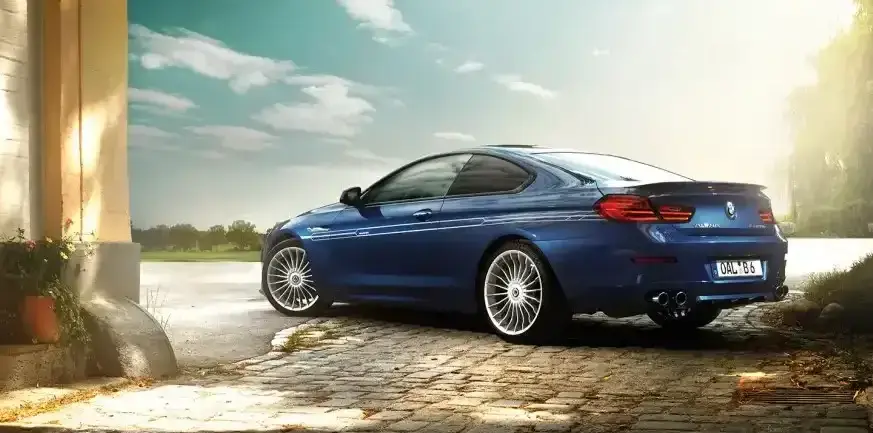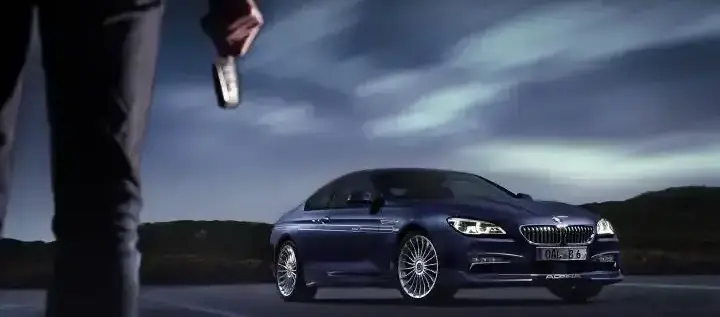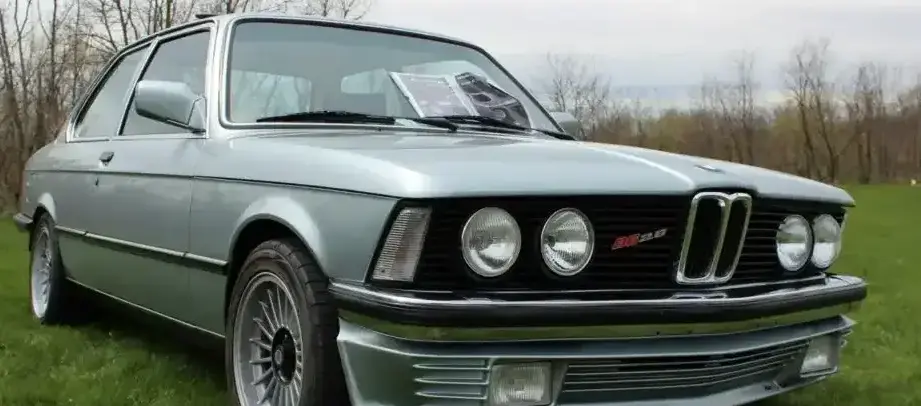
The Alpina B6 3.5, based on the BMW E30 chassis, represents a unique and highly sought-after collaboration between BMW and the independent German tuning house, Alpina Burkard Bovensiepen. Produced between 1986 and 1990, the B6 3.5 was not simply a modified BMW; it was a hand-built, meticulously engineered vehicle designed to offer a blend of grand touring comfort and exhilarating performance. It occupied a niche position, bridging the gap between the standard BMW 3-Series and the more focused M3, offering a more refined and powerful alternative. Approximately 285 examples were produced, making it a relatively rare automobile today. The B6 3.5 was available exclusively as a two-door coupe.
Technical Specifications
| Brand | Alpina |
| Model | B6 |
| Generation | B6 (E30) |
| Type (Engine) | 3.5 (254 Hp) |
| Start of Production | 1986 |
| End of Production | 1990 |
| Powertrain Architecture | Internal Combustion Engine |
| Body Type | Coupe |
| Fuel Type | Petrol (Gasoline) |
| Power | 254 Hp |
| Engine Aspiration | Naturally Aspirated |
Powertrain & Engine Architecture
The heart of the Alpina B6 3.5 is its 3.5-liter straight-six engine, based on the BMW M30 block. However, it was extensively modified by Alpina. The engine, designated M30B35, featured a larger bore and stroke compared to the standard BMW 3.5-liter engine, increasing displacement to 3453cc. Alpina employed high-compression Mahle pistons, a specially ground camshaft with increased lift and duration, and a lightened and balanced crankshaft. The cylinder head was also ported and polished to improve airflow. Fuel delivery was managed by a Bosch Motronic fuel injection system, calibrated specifically for the B6 3.5 to optimize performance and drivability.
Unlike the standard BMW E30 range, the B6 3.5 was exclusively offered with a 5-speed manual transmission, a Getrag 265. Alpina reinforced the gearbox to handle the increased torque output of the modified engine. The rear axle ratio was also optimized for performance, typically around 3.90:1, providing a balance between acceleration and cruising ability. The exhaust system was a bespoke Alpina design, featuring stainless steel construction and a free-flowing design to reduce backpressure and enhance the engine’s sound.
Driving Characteristics
The Alpina B6 3.5 delivers a distinctly different driving experience compared to the standard BMW E30 or even the M3. While the M3 prioritizes razor-sharp handling and track performance, the B6 3.5 focuses on a more refined and effortless power delivery. The 254 horsepower engine provides strong acceleration throughout the rev range, with a peak torque figure of around 240 lb-ft. This allows for brisk overtaking and comfortable high-speed cruising. The 5-speed manual transmission is precise and offers a satisfying mechanical feel.
The suspension was also modified by Alpina, utilizing stiffer springs and Bilstein shock absorbers. This resulted in a firmer ride than the standard E30, but it remained compliant enough for everyday use. The B6 3.5 feels planted and stable at high speeds, inspiring confidence in the driver. The steering is precise and well-weighted, providing good feedback from the road. The car’s weight distribution, typical of the E30 platform, contributes to its balanced handling characteristics.
Equipment & Trim Levels
The Alpina B6 3.5 was exceptionally well-equipped, reflecting its premium positioning. Standard features included leather upholstery, power windows, central locking, and an upgraded sound system. Alpina also added several unique touches, such as a distinctive three-spoke steering wheel, Alpina-branded gauges, and a stainless steel exhaust system with quad outlets.
Interior trim was typically a combination of dark wood veneers and leather, creating a luxurious and sophisticated atmosphere. Optional extras included a sunroof, air conditioning, and a limited-slip differential. Alpina offered a degree of customization, allowing customers to specify their preferred interior colors and materials. Each B6 3.5 was individually numbered, adding to its exclusivity.
Chassis & Braking
The B6 3.5 retained the E30’s MacPherson strut front suspension and semi-trailing arm rear suspension, but with Alpina-specific modifications. As mentioned, stiffer springs and Bilstein shock absorbers were employed to improve handling and reduce body roll. The brake system consisted of ventilated disc brakes on all four wheels, providing ample stopping power.
Alpina did not significantly alter the E30’s chassis structure, but they did reinforce certain areas to improve rigidity. The car’s relatively lightweight construction, combined with the powerful engine, resulted in a favorable power-to-weight ratio. The standard E30 wheel size was retained, typically 15-inch alloy wheels, fitted with high-performance tires.
Market Reception & Comparison
Upon its release, the Alpina B6 3.5 was well-received by automotive journalists and enthusiasts. It was praised for its blend of performance, refinement, and exclusivity. Critics noted that it offered a more comfortable and usable experience than the more hardcore BMW M3, while still delivering impressive performance.
Compared to the standard BMW 335i, the B6 3.5 offered a significant power increase and improved handling. It was also more exclusive and better equipped. Compared to the M3, the B6 3.5 prioritized comfort and drivability over outright track performance. Fuel economy, while not a primary concern for buyers of this vehicle, was comparable to other high-performance coupes of the era. Reliability was generally good, benefiting from the robust BMW M30 engine and Alpina’s meticulous engineering.
Legacy
Today, the Alpina B6 3.5 is a highly collectible automobile. Its rarity, combined with its unique character and performance, has made it a favorite among enthusiasts. The M30 engine is known for its durability and relatively straightforward maintenance, although sourcing parts can sometimes be challenging.
Well-maintained examples of the B6 3.5 command high prices in the used car market, reflecting their desirability and limited production numbers. The car represents a significant chapter in the history of both BMW and Alpina, showcasing the potential of collaborative engineering and the pursuit of automotive excellence. It remains a testament to a time when hand-built, meticulously crafted automobiles were the norm, offering a driving experience that is difficult to replicate in modern vehicles.