
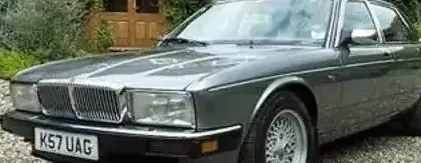
The Daimler Double Six 6.0, produced between 1993 and 1994 as part of the XJ40 model range, represents the pinnacle of luxury and performance for the British automaker during that period. This variant, often referred to simply as the “6.0” or “Double Six,” was the flagship model, boasting a significantly more powerful engine than the standard XJ40 offerings. It was a relatively short-lived iteration, bridging the gap between the earlier XJ40 models and the subsequent X300 series, and served as a final expression of the traditional Daimler aesthetic before a more substantial redesign. The XJ40 platform itself was introduced in 1987 as a replacement for the long-running Series III XJ, aiming to modernize the Jaguar/Daimler lineup with contemporary technology and styling.
Technical Specifications
| Brand | Daimler |
| Model | XJ40, 81 Double Six 6.0 |
| Generation | XJ40, 81 |
| Type (Engine) | Double Six 6.0 (311 Hp) |
| Start of Production | 1993 |
| End of Production | 1994 |
| Powertrain Architecture | Internal Combustion Engine |
| Body Type | Sedan |
| Fuel Type | Petrol (Gasoline) |
| Power | 311 Hp |
| Engine Aspiration | Naturally Aspirated |
Powertrain & Engine Architecture
The heart of the Daimler Double Six 6.0 is its 5,994 cc (365.7 cu in) V12 engine, internally designated as the AJ6. It’s a naturally aspirated, 60-degree V12, representing a significant upgrade over the inline-six and V6 engines offered in other XJ40 models. The engine features a cast iron block with aluminum cylinder heads, and utilizes a Bosch Motronic fuel injection system. This system manages fuel delivery and ignition timing for optimal performance and efficiency. The valvetrain consists of three valves per cylinder (two intake, one exhaust), operated by double overhead camshafts. The engine’s design prioritized smoothness and refinement, characteristics highly valued in the luxury car segment. While the XJ40 was available with both automatic and manual transmissions in some configurations, the Double Six 6.0 was exclusively offered with a four-speed automatic transmission, a ZF 4HP22 unit. This transmission was chosen for its smooth shifting and ability to handle the substantial torque produced by the V12 engine.
Driving Characteristics
The Daimler Double Six 6.0 offered a distinctly different driving experience compared to its lower-powered siblings. The 311 horsepower and 369 lb-ft of torque provided effortless acceleration and a relaxed cruising demeanor. While not a sports car, the V12 engine delivered ample power for overtaking maneuvers and maintaining high speeds on the highway. The ZF automatic transmission, while not offering the responsiveness of a modern gearbox, provided smooth and predictable shifts. The gear ratios were tuned for comfortable cruising rather than outright performance. The car’s substantial weight (approximately 4,000 lbs) did limit its agility, but the well-tuned suspension and refined ride quality compensated for this. Compared to the XJ40 4.0-liter inline-six, the Double Six 6.0 offered a significant performance advantage, with a noticeable reduction in 0-60 mph times (around 6.5 seconds versus 8.5 seconds for the 4.0). The V12 also provided a unique and sonorous exhaust note, adding to the overall driving experience.
Equipment & Trim Levels
As the flagship model, the Daimler Double Six 6.0 came standard with a comprehensive list of luxury features. Interior appointments included Connolly leather upholstery, burled walnut wood trim, and a premium sound system. Standard equipment also included power-adjustable front seats, climate control, cruise control, and electric windows. Daimler, as the more luxurious brand within the Jaguar/Daimler group, added unique touches such as fluted leather, a distinctive grille with a black mesh insert, and Daimler badging throughout the interior and exterior. Optional extras included a sunroof, upgraded sound system, and rear seat entertainment system. The interior layout was typical of the XJ40, with a traditional dashboard design and comfortable seating for five passengers. The overall ambiance was one of understated elegance and refinement.
Chassis & Braking
The Daimler Double Six 6.0 utilized the XJ40’s independent suspension system, featuring double wishbones at the front and a semi-trailing arm suspension at the rear. The suspension was tuned for comfort and ride quality, prioritizing a smooth and isolated driving experience. The car rode on 16-inch alloy wheels. Braking duties were handled by ventilated disc brakes on all four wheels, with anti-lock braking system (ABS) as standard equipment. The ABS system helped to maintain stability during hard braking and provided enhanced control in slippery conditions. The steering was power-assisted, providing light and effortless steering feel. Stabilizer bars were fitted to both the front and rear axles to reduce body roll during cornering.
Market Reception & Comparison
The Daimler Double Six 6.0 was generally well-received by automotive critics, who praised its powerful engine, luxurious interior, and refined ride quality. However, it was also criticized for its high price and relatively complex mechanicals. Compared to its main rivals, such as the BMW 750iL and Mercedes-Benz 560SEL, the Daimler offered a more traditional and understated luxury experience. Fuel economy was predictably poor, averaging around 12-15 mpg in city driving and 18-22 mpg on the highway. Reliability was also a concern, as the V12 engine and its associated systems were more prone to issues than the simpler engines offered in other XJ40 models. The Double Six 6.0 was positioned as a direct competitor to the top-of-the-line luxury sedans from German manufacturers, but its British heritage and unique character appealed to a specific segment of the market.
Legacy
The Daimler Double Six 6.0 represents a fascinating chapter in the history of British luxury automobiles. While its production run was brief, it remains a highly sought-after model among collectors and enthusiasts. The V12 engine, while complex, is capable of providing many years of reliable service with proper maintenance. However, parts availability can be a challenge, and repairs can be expensive. Today, well-maintained examples of the Double Six 6.0 command premium prices in the used car market. The car’s enduring appeal lies in its combination of classic British styling, powerful performance, and luxurious appointments. It serves as a reminder of a time when Daimler represented the pinnacle of automotive refinement and engineering excellence. The AJ6 V12 engine would continue in various forms in Jaguar models for many years, cementing its place as a significant powerplant in the company’s history.
