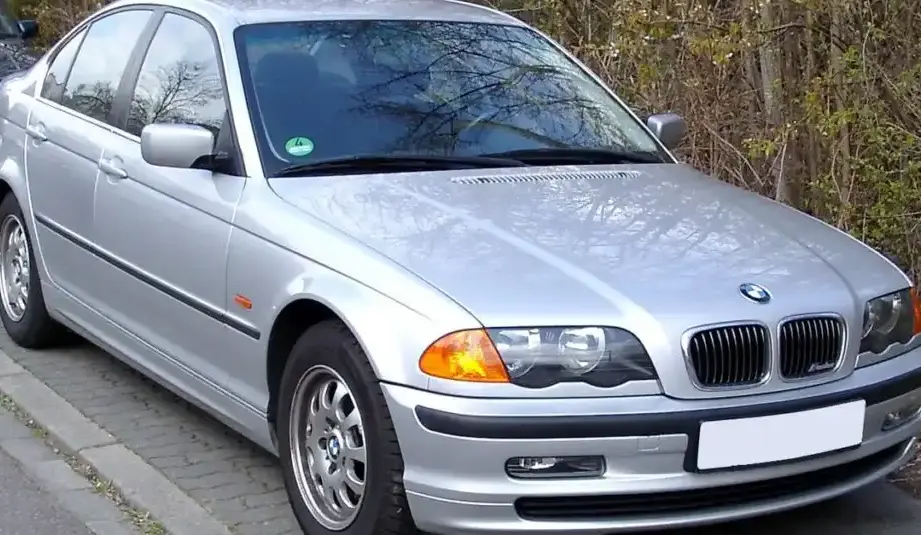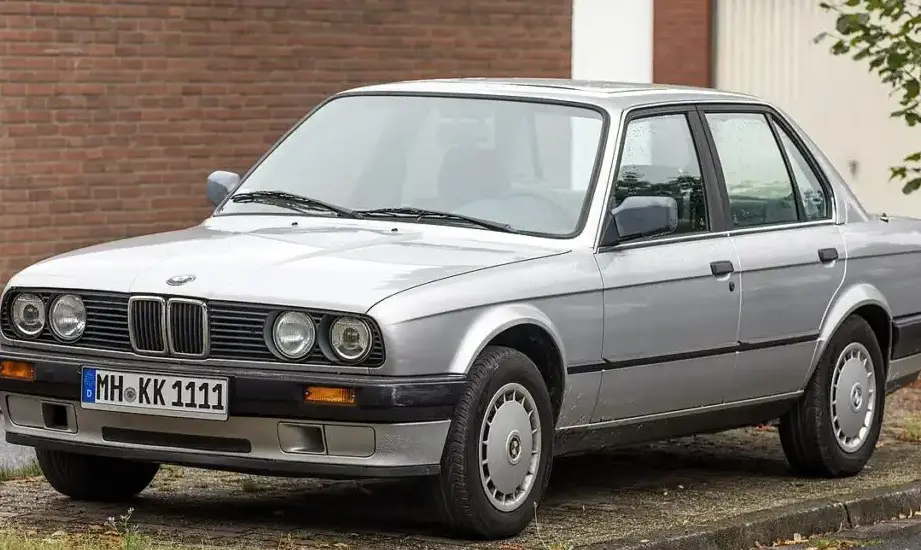
The BMW 3 Series Sedan (E30) 325iX, produced from 1986 to 1987, represents a pivotal moment in BMW’s history, being one of the first all-wheel-drive sedans offered by the manufacturer. It was positioned as a premium, performance-oriented variant within the E30 3 Series lineup, designed to offer enhanced traction and stability, particularly in inclement weather. The 325iX was primarily marketed in Europe and North America, appealing to drivers seeking a blend of luxury, handling, and all-weather capability. It utilized the E30 chassis, a platform known for its balanced driving dynamics, and introduced BMW’s xDrive all-wheel-drive system to a wider audience.
Technical Specifications
| Brand | BMW |
| Model | 3 Series |
| Generation | 3 Series Sedan (E30) |
| Type (Engine) | 325iX (171 Hp) |
| Start of production | 1986 |
| End of production | 1987 |
| Powertrain Architecture | Internal Combustion engine |
| Body type | Sedan |
| Seats | 5 |
| Doors | 4 |
| Fuel consumption (urban) | 12.4 l/100 km (19 US mpg, 22.8 UK mpg, 8.1 km/l) |
| Fuel consumption (extra urban) | 7.1 l/100 km (33.1 US mpg, 39.8 UK mpg, 14.1 km/l) |
| Fuel consumption (combined) | 9.4 l/100 km (25 US mpg, 30.1 UK mpg, 10.6 km/l) |
| Fuel Type | Petrol (Gasoline) |
| Acceleration 0 – 100 km/h | 9 sec |
| Acceleration 0 – 62 mph | 9 sec |
| Acceleration 0 – 60 mph | 8.6 sec |
| Maximum speed | 212 km/h (131.73 mph) |
| Weight-to-power ratio | 7.2 kg/Hp, 138.5 Hp/tonne |
| Weight-to-torque ratio | 5.5 kg/Nm, 183 Nm/tonne |
| Power | 171 Hp @ 5800 rpm |
| Power per litre | 68.6 Hp/l |
| Torque | 226 Nm @ 4000 rpm (166.69 lb.-ft. @ 4000 rpm) |
| Engine layout | Front, Longitudinal |
| Engine Model/Code | M20B25 |
| Engine displacement | 2494 cm3 (152.19 cu. in.) |
| Number of cylinders | 6 |
| Engine configuration | Inline |
| Cylinder Bore | 84 mm (3.31 in.) |
| Piston Stroke | 75 mm (2.95 in.) |
| Compression ratio | 9.7:1 |
| Number of valves per cylinder | 2 |
| Fuel injection system | Multi-port manifold injection |
| Engine aspiration | Naturally aspirated engine |
| Engine oil capacity | 4.25 l (4.49 US qt | 3.74 UK qt) |
| Coolant capacity | 10.5 l (11.1 US qt | 9.24 UK qt) |
| Kerb Weight | 1235 kg (2722.71 lbs.) |
| Max. weight | 1705 kg (3758.88 lbs.) |
| Max load | 470 kg (1036.17 lbs.) |
| Trunk (boot) space – minimum | 425 l (15.01 cu. ft.) |
| Fuel tank capacity | 55 l (14.53 US gal | 12.1 UK gal) |
| Length | 4325 mm (170.28 in.) |
| Width | 1645 mm (64.76 in.) |
| Height | 1380 mm (54.33 in.) |
| Wheelbase | 2570 mm (101.18 in.) |
| Front overhang | 761 mm (29.96 in.) |
| Rear overhang | 994 mm (39.13 in.) |
| Drag coefficient (Cd) | 0.35 |
| Drivetrain Architecture | The Internal combustion engine (ICE) drives permanently the four wheels of the vehicle. |
| Drive wheel | All wheel drive (4×4) |
| Number of gears and type of gearbox | 5 gears, manual transmission |
| Front suspension | Independent, type McPherson with coil spring and anti-roll bar |
| Rear suspension | Double wishbone, Transverse stabilizer, Coil spring |
| Front brakes | Ventilated discs |
| Rear brakes | Disc |
| Assisting systems | ABS (Anti-lock braking system) |
| Steering type | Steering rack and pinion |
| Power steering | Hydraulic Steering |
| Tires size | 195/65 R14 |
| Wheel rims size | 6J x 14 |
Powertrain & Engine Architecture
The 325iX was powered by the M20B25, a 2.5-liter inline-six engine. This engine was a mainstay of the E30 series, known for its smooth power delivery and robust construction. The M20 featured a cast iron block and an aluminum cylinder head, utilizing multi-port fuel injection for precise fuel delivery. The engine produced 171 horsepower at 5800 rpm and 226 Nm (166.69 lb-ft) of torque at 4000 rpm. The engine’s 9.7:1 compression ratio contributed to its efficiency and responsiveness. The 325iX exclusively came with a 5-speed manual transmission, specifically geared to work with the all-wheel-drive system. This transmission was known for its precise shifts and durability.
Driving Characteristics
The 325iX offered a noticeably different driving experience compared to its rear-wheel-drive counterparts. The all-wheel-drive system provided significantly improved traction, especially on slippery surfaces. While the added weight of the AWD components (approximately 120 lbs over the RWD 325i) slightly impacted acceleration, the enhanced grip translated to more confident handling and cornering. The 5-speed manual transmission provided a direct connection to the engine, allowing for spirited driving. The gear ratios were optimized for both acceleration and highway cruising. Compared to the later 325i models with higher horsepower outputs, the 325iX prioritized balanced performance and all-weather capability over outright speed.
Equipment & Trim Levels
The 325iX was generally well-equipped for its time. Standard features included power windows, power locks, and a sunroof. The interior typically featured cloth upholstery, although leather was available as an option. The dashboard layout was typical of the E30 series, with a straightforward design and easy-to-read gauges. Optional extras included a premium sound system, air conditioning, and a limited-slip differential for even greater traction. The 325iX was positioned as a mid-range to upper-mid-range trim level within the E30 lineup, offering a step up in features and performance compared to the base 325i.
Chassis & Braking
The E30 chassis was renowned for its balanced handling characteristics. The 325iX featured independent suspension at all four corners, with McPherson struts at the front and a semi-trailing arm setup at the rear. The all-wheel-drive system necessitated modifications to the rear suspension to accommodate the driveshaft. Braking duties were handled by ventilated discs at the front and solid discs at the rear. An Anti-lock Braking System (ABS) was standard, further enhancing safety and control. The 325iX also featured a thicker front stabilizer bar compared to the standard 325i, contributing to reduced body roll during cornering.
Market Reception & Comparison
The 325iX was generally well-received by automotive critics, who praised its all-weather capability and improved handling. However, some reviewers noted the added weight of the AWD system and its slight impact on performance. Compared to the rear-wheel-drive 325i, the 325iX offered a more secure and predictable driving experience, particularly in challenging conditions. Fuel economy was comparable to other vehicles in its class, averaging around 25 mpg combined. Reliability was generally good, although the complexity of the all-wheel-drive system introduced additional potential maintenance points.
Legacy
The BMW 325iX holds a significant place in BMW’s history as the first widely available all-wheel-drive sedan from the manufacturer. It paved the way for the xDrive system that is now found on many BMW models. Today, the 325iX is a sought-after classic among BMW enthusiasts, particularly those who appreciate its unique combination of performance, handling, and all-weather capability. Well-maintained examples are becoming increasingly rare and valuable. The M20 engine is known for its durability, but regular maintenance is essential to ensure its longevity. The all-wheel-drive system, while robust, requires periodic inspection and servicing to prevent issues. The 325iX remains a testament to BMW’s engineering prowess and its commitment to innovation.