
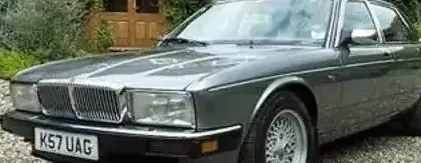
The Daimler XJ40, specifically the 81 Sovereign 3.6 model producing 185 horsepower, represents a pivotal moment in the evolution of Jaguar’s flagship sedan. Produced between 1986 and 1989, this variant occupied a premium position within the XJ40 range, bridging the gap between the base models and the more powerful, top-of-the-line versions. The XJ40, internally designated as the XJ12, was a significant departure from its predecessor, the Series III XJ, featuring a more modern design, improved aerodynamics, and a host of technological advancements. The ‘81’ designation refers to the model year update, incorporating minor refinements and improvements over the initial 1986 launch.
Technical Specifications
| Brand | Daimler |
| Model | XJ40, 81 Sovereign 3.6 |
| Generation | XJ40, 81 |
| Type (Engine) | Sovereign 3.6 (185 Hp) |
| Start of Production | 1986 |
| End of Production | 1989 |
| Powertrain Architecture | Internal Combustion Engine |
| Body Type | Sedan |
| Fuel Type | Petrol (Gasoline) |
| Power | 185 Hp |
| Engine Aspiration | Naturally Aspirated |
Introduction
The Daimler XJ40 was intended to modernize Jaguar’s image and compete more effectively with German rivals like Mercedes-Benz and BMW. Launched in 1986, it represented a substantial investment for British Leyland (later Jaguar PLC), with a new platform and a focus on build quality. The Sovereign 3.6, identified by its model code DJ8, was a key component of the XJ40 lineup. It offered a balance of luxury, performance, and refinement, appealing to buyers who desired a sophisticated saloon without the outright expense of the V12 models. The ‘81’ update, introduced in 1988, addressed some early criticisms of the XJ40, improving reliability and addressing minor design flaws. This model year is often considered the most desirable of the early XJ40s.
Powertrain & Engine Architecture
The heart of the Sovereign 3.6 is the AJ6 inline-six engine, a 3.6-liter (3590 cc) naturally aspirated powerplant. This engine, a descendant of Jaguar’s long-standing six-cylinder tradition, featured a cast-iron block and an aluminum cylinder head. It utilized a Bosch Motronic fuel injection system, managing fuel delivery and ignition timing for optimal performance and efficiency. The engine employed a single overhead camshaft (SOHC) design with two valves per cylinder. The 185 horsepower output was achieved at 5,500 rpm, with a torque figure of 230 lb-ft at 4,000 rpm. The engine was mated to a three-speed Chrysler Torqueflite automatic transmission, a robust and reliable unit known for its smooth operation. This transmission was a standard feature on the Sovereign 3.6, prioritizing comfort and ease of driving over outright performance.
Driving Characteristics
The Sovereign 3.6 offered a refined and comfortable driving experience. The automatic transmission, while not offering the responsiveness of a manual gearbox, provided seamless gear changes and contributed to the car’s overall smoothness. Acceleration was respectable for the era, with a 0-60 mph time of around 8.5 seconds. However, the XJ40’s considerable weight (approximately 3,800 lbs) meant that it wasn’t a particularly agile car. The focus was on effortless cruising and providing a luxurious ride. Compared to the base 3.6-liter XJ40, the Sovereign offered a slightly more responsive feel due to minor tuning differences. Compared to the later 4.0-liter inline-six engines, the 3.6 offered a more linear power delivery, lacking the extra punch of the larger displacement engine. The three-speed automatic, while reliable, felt somewhat dated compared to the four-speed automatics becoming increasingly common in competing vehicles.
Equipment & Trim Levels
The Sovereign 3.6 was positioned as a premium trim level, offering a higher level of standard equipment than the base XJ40 models. Standard features included Connolly leather upholstery, walnut veneer trim, electric windows, central locking, and a premium sound system. The Sovereign also featured a trip computer, displaying information such as fuel consumption, average speed, and distance to empty. Optional extras included a sunroof, heated seats, and a more advanced audio system. The interior was designed to provide a luxurious and comfortable environment, with attention paid to detail and craftsmanship. The exterior was distinguished by a chrome grille and window surrounds, adding to the car’s elegant appearance.
Chassis & Braking
The XJ40 utilized an independent suspension system all around, with double wishbones at the front and a semi-trailing arm suspension at the rear. This setup provided a comfortable ride and good handling characteristics. The Sovereign 3.6 featured power-assisted steering, making it easy to maneuver in urban environments. Braking was provided by disc brakes on all four wheels, although some earlier models featured rear drum brakes. Anti-lock braking system (ABS) was available as an option, enhancing safety and control. The chassis was designed to provide a stable and secure platform, minimizing body roll and maximizing ride comfort. Stabilizer bars were fitted front and rear to further improve handling.
Market Reception & Comparison
The Daimler XJ40 Sovereign 3.6 was generally well-received by critics, who praised its luxurious interior, comfortable ride, and refined engine. However, it also faced criticism for its relatively high price and some initial reliability issues. Compared to the base XJ40 models, the Sovereign offered a more premium experience, justifying its higher price tag. Compared to the V12-powered XJ40s, the Sovereign 3.6 offered a more affordable alternative, with comparable levels of luxury and refinement. Fuel economy was reasonable for a car of its size and class, averaging around 17 mpg in city driving and 24 mpg on the highway. Reliability, particularly in the early years of production, was a concern, with reports of electrical issues and cooling system problems. However, the ‘81’ update addressed many of these issues, improving the car’s overall dependability.
Legacy
The Daimler XJ40 Sovereign 3.6 remains a desirable classic car, appreciated for its elegant styling, luxurious interior, and refined driving experience. While early models suffered from some reliability issues, the ‘81’ update significantly improved the car’s dependability. Today, well-maintained examples command a premium in the used car market. The AJ6 engine, while not the most powerful engine available in the XJ40 range, is known for its smoothness and reliability. The three-speed automatic transmission, while dated, is robust and relatively easy to maintain. The XJ40, and particularly the Sovereign 3.6, represents a significant chapter in Jaguar’s history, marking a transition to a more modern and technologically advanced era. It continues to be cherished by enthusiasts as a symbol of British luxury and engineering excellence.
