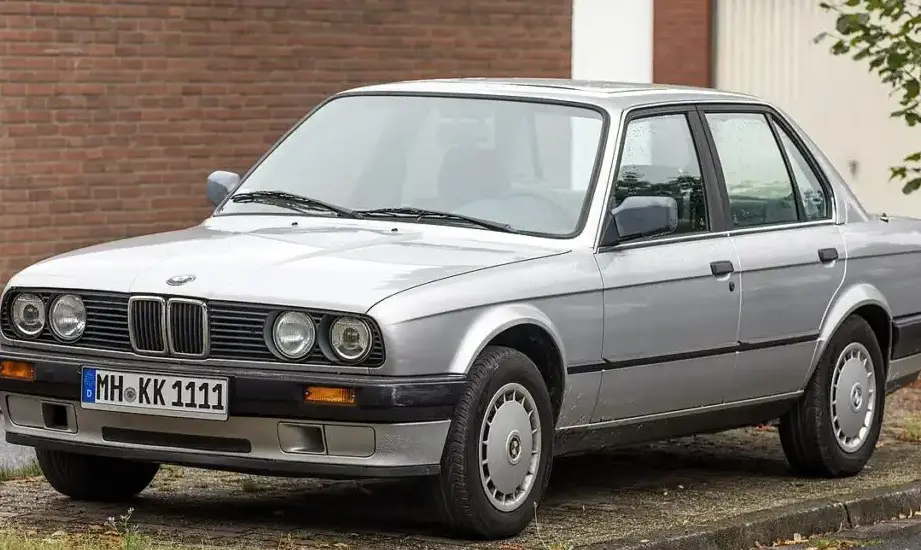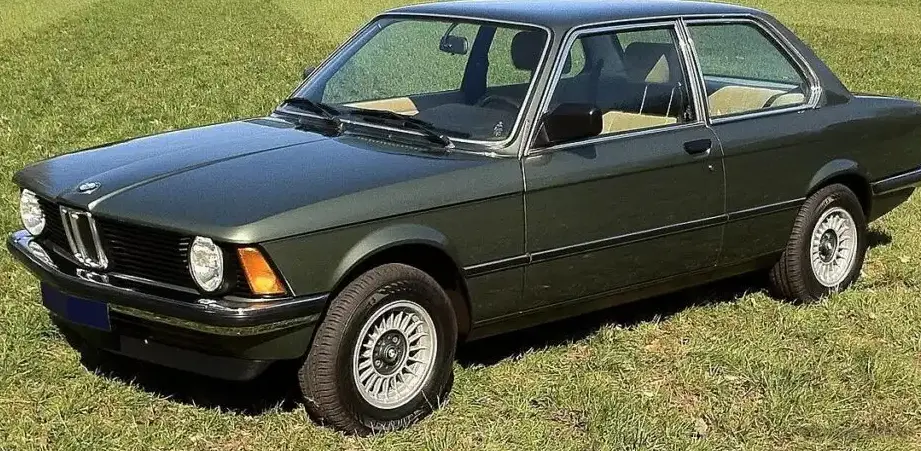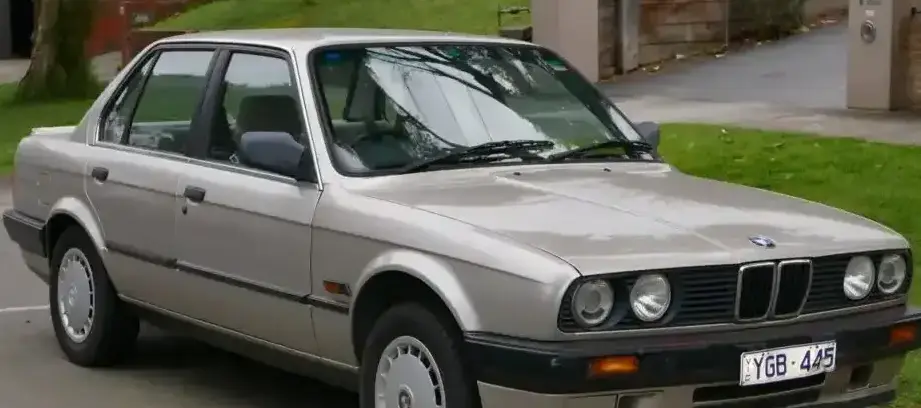
The BMW 3 Series Sedan (E30) 316i, produced from 1987 to 1988, represented the entry point into the iconic E30 generation. Following the mid-cycle refresh of the E30 in 1987 (often referred to as the “facelift”), the 316i offered a more affordable and fuel-conscious alternative to its higher-powered siblings, the 325i and 318i. Positioned as the base model, it catered to buyers prioritizing practicality and BMW’s renowned driving experience over outright performance. This variant played a significant role in broadening the appeal of the E30, making it accessible to a wider range of customers in Europe and other markets where smaller displacement engines were favored.
Technical Specifications
| Brand | BMW |
| Model | 3 Series |
| Generation | 3 Series Sedan (E30, facelift 1987) |
| Type (Engine) | 316i (102 Hp) |
| Start of production | 1987 |
| End of production | 1988 |
| Powertrain Architecture | Internal Combustion engine |
| Body type | Sedan |
| Seats | 5 |
| Doors | 4 |
| Fuel consumption (combined) | 8.6 l/100 km (27.4 US mpg, 32.8 UK mpg, 11.6 km/l) |
| Fuel Type | Petrol (Gasoline) |
| Acceleration 0 – 100 km/h | 12.1 sec |
| Acceleration 0 – 62 mph | 12.1 sec |
| Acceleration 0 – 60 mph | 11.5 sec |
| Maximum speed | 182 km/h (113.09 mph) |
| Weight-to-power ratio | 10.6 kg/Hp, 94 Hp/tonne |
| Weight-to-torque ratio | 7.8 kg/Nm, 129 Nm/tonne |
| Power | 102 Hp @ 5800 rpm |
| Power per litre | 63.9 Hp/l |
| Torque | 140 Nm @ 4500 rpm (103.26 lb.-ft. @ 4500 rpm) |
| Engine layout | Front, Longitudinal |
| Engine Model/Code | M10B18 |
| Engine displacement | 1596 cm3 (97.39 cu. in.) |
| Number of cylinders | 4 |
| Engine configuration | Inline |
| Number of valves per cylinder | 2 |
| Fuel injection system | Multi-port manifold injection |
| Engine aspiration | Naturally aspirated engine |
| Engine oil capacity | 4 l (4.23 US qt | 3.52 UK qt) |
| Coolant capacity | 6 l (6.34 US qt | 5.28 UK qt) |
| Kerb Weight | 1085 kg (2392.02 lbs.) |
| Max. weight | 1545 kg (3406.14 lbs.) |
| Max load | 460 kg (1014.13 lbs.) |
| Trunk (boot) space – minimum | 425 l (15.01 cu. ft.) |
| Fuel tank capacity | 55 l (14.53 US gal | 12.1 UK gal) |
| Length | 4321 mm (170.12 in.) |
| Width | 1641 mm (64.61 in.) |
| Height | 1379 mm (54.29 in.) |
| Wheelbase | 2570 mm (101.18 in.) |
| Front track | 1410 mm (55.51 in.) |
| Rear (Back) track | 1420 mm (55.91 in.) |
| Ride height (ground clearance) | 125 mm (4.92 in.) |
| Drivetrain Architecture | Rear wheel drive |
| Number of gears and type of gearbox | 5 gears, manual transmission |
| Front brakes | Disc |
| Rear brakes | Drum |
| Tires size | 175/70 R14 |
| Wheel rims size | 14 |
Powertrain & Engine Architecture
The heart of the 316i was the M10B18 engine, a 1.6-liter inline-four cylinder unit. This engine was a further development of BMW’s long-running M10 family, known for its robustness and relatively simple design. The ‘B18’ designation indicated a displacement of 1.8 liters, although in this application, it was detuned to 1.6 liters to meet market demands and regulations. It featured a single overhead camshaft (SOHC) operating two valves per cylinder. Fuel delivery was handled by Bosch Motronic multi-port fuel injection, a significant upgrade over the carbureted engines of earlier E30 models. This system improved fuel efficiency and reduced emissions. The engine produced 102 horsepower at 5800 rpm and 140 Nm (103 lb-ft) of torque at 4500 rpm. The 316i was exclusively offered with a 5-speed manual transmission, providing a direct connection to the rear wheels.
Driving Characteristics
The 316i offered a distinctly different driving experience compared to the more powerful 325i or 318i. While lacking the outright acceleration of its siblings, the 316i provided a smooth and refined driving experience. The lower engine output meant that the car was less stressed, contributing to a more relaxed feel. The 5-speed manual transmission was well-matched to the engine’s characteristics, offering precise shifts and allowing the driver to keep the engine in its optimal power band. Acceleration from 0 to 60 mph took around 11.5 seconds, and the top speed was approximately 113 mph. The car’s lighter weight, compared to the larger-engined models, helped to mitigate the power deficit, making it surprisingly nimble in corners.
Equipment & Trim Levels
As the entry-level model, the 316i was equipped with a more basic level of standard features. Typically, it included cloth upholstery, manual windows and door locks, and a relatively simple dashboard layout. However, it still benefited from BMW’s reputation for build quality and attention to detail. Optional extras included power windows, central locking, a sunroof, and upgraded audio systems. The interior trim was generally more subdued than that of the higher-spec models, with simpler plastics and fewer chrome accents.
Chassis & Braking
The 316i shared the same basic chassis and suspension setup as other E30 models. It featured independent suspension at all four wheels, with MacPherson struts at the front and semi-trailing arms at the rear. The braking system consisted of disc brakes at the front and drum brakes at the rear. While the drum brakes were adequate for the car’s weight and performance, they were a clear differentiator from the all-disc brake setup found on the 325i. The steering was unassisted, providing a direct and communicative feel.
Market Reception & Comparison
The 316i was generally well-received by automotive critics as a sensible and affordable entry point into the BMW 3 Series range. It was praised for its fuel efficiency, comfortable ride, and BMW’s characteristic handling balance. However, some critics noted that the engine lacked the punch of its larger counterparts. Compared to the 318i, the 316i offered a lower purchase price but sacrificed performance. The 318i, with its larger 1.8-liter engine, provided a noticeable increase in power and acceleration. In terms of reliability, the M10B18 engine proved to be very durable, although regular maintenance was essential.
Legacy
The E30 316i has become a popular choice among classic BMW enthusiasts. Its relative affordability and mechanical simplicity make it an attractive option for those looking to experience the E30 driving experience without the higher cost of ownership associated with the 325i or M3. The M10B18 engine is known for its longevity and ease of maintenance, and parts availability remains good. Today, well-maintained examples of the 316i are sought after by collectors and enthusiasts alike, representing a piece of BMW’s rich history.