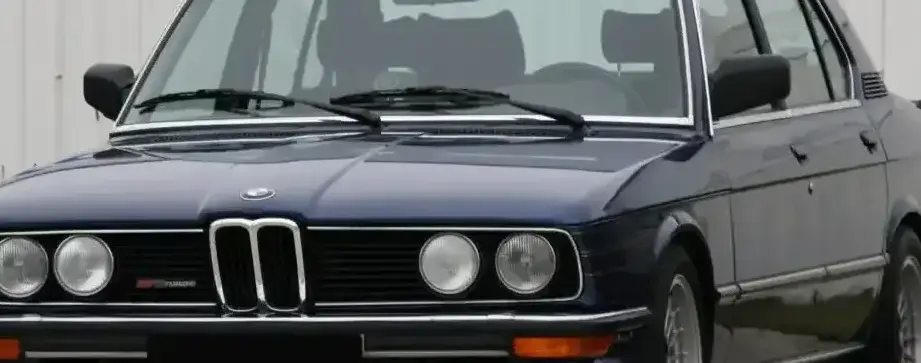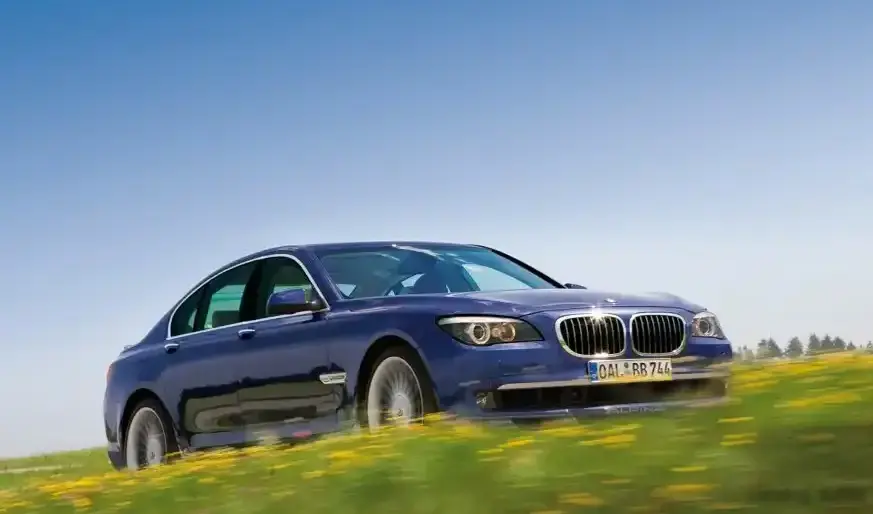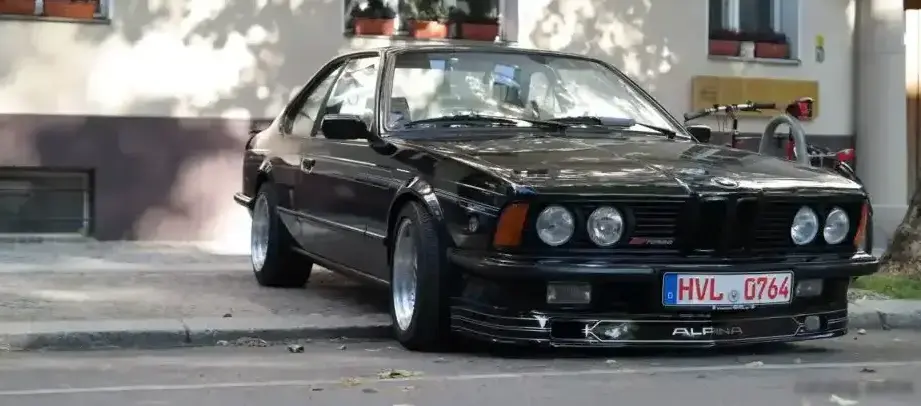
The Alpina B7 Coupe (E24) 3.5, produced between 1986 and 1988, represents a high-performance iteration of the BMW E24 6-Series coupe, meticulously engineered by the independent German automotive engineering firm, Alpina. This model wasn’t a direct product of BMW, but rather a heavily modified and upgraded version built in collaboration with, and often on BMW chassis supplied by, the manufacturer. The B7 3.5 occupied the top echelon of the E24 range, offering a significant performance boost over the standard 635CSi and establishing itself as a grand touring machine focused on refined power and exclusivity. It’s important to note Alpina operated as a manufacturer in its own right, receiving factory-built BMWs and transforming them into unique, limited-production vehicles. The E24 B7 3.5 is a relatively rare car, with only around 150 examples produced, making it a sought-after collector’s item today.
Technical Specifications
| Brand | Alpina |
| Model | B7 |
| Generation | B7 Coupe (E24) |
| Type (Engine) | 3.5 (320 Hp) |
| Start of Production | 1986 |
| End of Production | 1988 |
| Powertrain Architecture | Internal Combustion Engine |
| Body Type | Coupe |
| Fuel Type | Petrol (Gasoline) |
| Power | 320 Hp |
| Engine Aspiration | Naturally Aspirated |
Powertrain & Engine Architecture
The heart of the B7 3.5 is its 3.5-liter inline-six cylinder engine, based on the BMW M30 engine block. However, Alpina didn’t simply increase displacement; they extensively modified the engine for increased performance and durability. The bore was increased to 92mm and the stroke to 86mm, resulting in a total displacement of 3453cc. Alpina employed Mahle high-compression pistons, a specially designed crankshaft, and a balanced rotating assembly. The cylinder head was ported and polished, and fitted with larger valves. Fuel delivery was handled by a Bosch Motronic fuel injection system, recalibrated to suit the engine’s modifications. The engine produced 320 horsepower at 5700 rpm and 239 lb-ft of torque at 4000 rpm. Unlike the standard 635CSi, the B7 3.5 featured a stainless steel exhaust system, contributing to both performance and a distinctive exhaust note. The transmission was a Getrag 265 five-speed manual, chosen for its robustness and ability to handle the increased power output. An automatic transmission was available as an option, though less common.
Driving Characteristics
The Alpina B7 3.5 offered a markedly different driving experience compared to the standard BMW 635CSi. The increased power and torque resulted in significantly quicker acceleration – approximately 0 to 60 mph in 5.6 seconds, and a top speed of around 170 mph. The five-speed manual transmission provided precise shifts and allowed the driver to fully exploit the engine’s powerband. Alpina also focused on improving the car’s handling. The suspension was modified with stiffer springs, Bilstein shock absorbers, and a larger diameter stabilizer bar. This resulted in reduced body roll and improved cornering stability. While the ride was firmer than the standard 6-Series, it remained comfortable enough for long-distance grand touring. The steering was precise and well-weighted, providing excellent feedback to the driver. The B7 3.5 wasn’t a track-focused weapon, but a refined and capable grand tourer that could deliver exhilarating performance when desired.
Equipment & Trim Levels
The B7 3.5 was exceptionally well-equipped, reflecting its status as Alpina’s flagship model. Standard features included leather upholstery, power windows, power locks, air conditioning, and a sunroof. Alpina also added several unique touches, such as a special instrument cluster with Alpina-branded gauges, a stainless steel plaque identifying the car’s production number, and Alpina-specific exterior trim. Interior trim was typically a combination of leather and wood veneer, creating a luxurious and sophisticated atmosphere. Optional extras included a premium sound system, heated seats, and a limited-slip differential. The exterior was relatively understated, with subtle Alpina badging and a rear spoiler. The wheels were Alpina’s signature multi-spoke alloys, adding to the car’s distinctive appearance.
Chassis & Braking
The B7 3.5 utilized the standard BMW E24 chassis, but with significant modifications to enhance its performance. As mentioned, the suspension was upgraded with stiffer springs and Bilstein shock absorbers. Alpina also fitted a larger diameter stabilizer bar to reduce body roll. The braking system consisted of ventilated disc brakes on all four wheels, providing ample stopping power. The B7 3.5 retained the E24’s independent suspension setup, with MacPherson struts at the front and semi-trailing arms at the rear. Alpina’s suspension tuning aimed to strike a balance between sporty handling and comfortable ride quality. The car’s weight distribution was close to 50/50, contributing to its balanced handling characteristics.
Market Reception & Comparison
The Alpina B7 3.5 was generally well-received by automotive journalists and enthusiasts. Critics praised its powerful engine, refined handling, and luxurious interior. It was often compared favorably to the Porsche 911, offering a similar level of performance with greater comfort and practicality. Compared to the standard BMW 635CSi, the B7 3.5 offered a significant performance advantage, with noticeably quicker acceleration and higher top speed. However, it also came at a substantial price premium. The B7 3.5 was considerably more expensive than the 635CSi, reflecting the extensive modifications and limited production run. Fuel economy was also lower, due to the larger engine and increased power output. Reliability was generally good, although the B7 3.5 required more frequent maintenance than the standard 6-Series due to its higher performance and more complex engine.
Legacy
The Alpina B7 Coupe (E24) 3.5 remains a highly desirable classic car today. Its rarity, performance, and exclusivity have made it a sought-after collector’s item. The M30 engine, while aging, is known for its durability and relatively straightforward maintenance. However, finding parts for the Alpina-specific modifications can be challenging and expensive. The B7 3.5 represents a unique chapter in automotive history, showcasing Alpina’s expertise in enhancing BMW’s already excellent products. It’s a testament to the company’s commitment to building high-performance, hand-built automobiles that offer a distinctive driving experience. Values for well-maintained examples have steadily increased in recent years, reflecting the car’s growing popularity among collectors and enthusiasts. The B7 3.5 stands as a reminder of a time when automotive engineering was focused on creating refined, driver-focused machines.