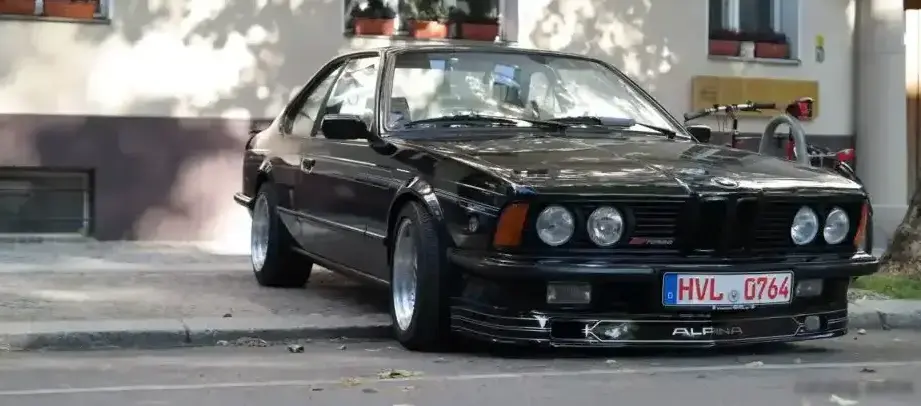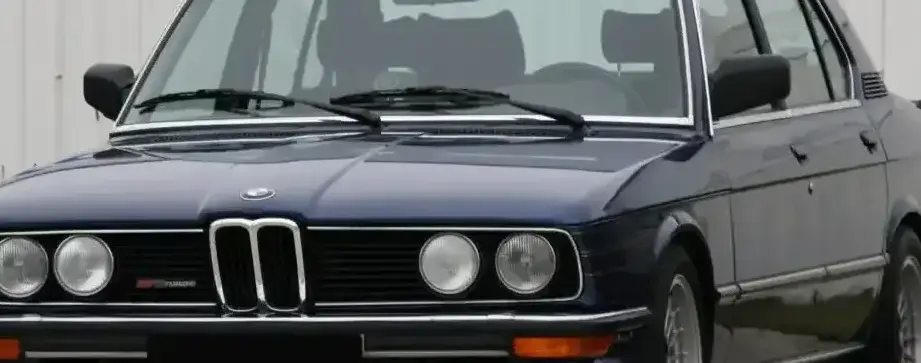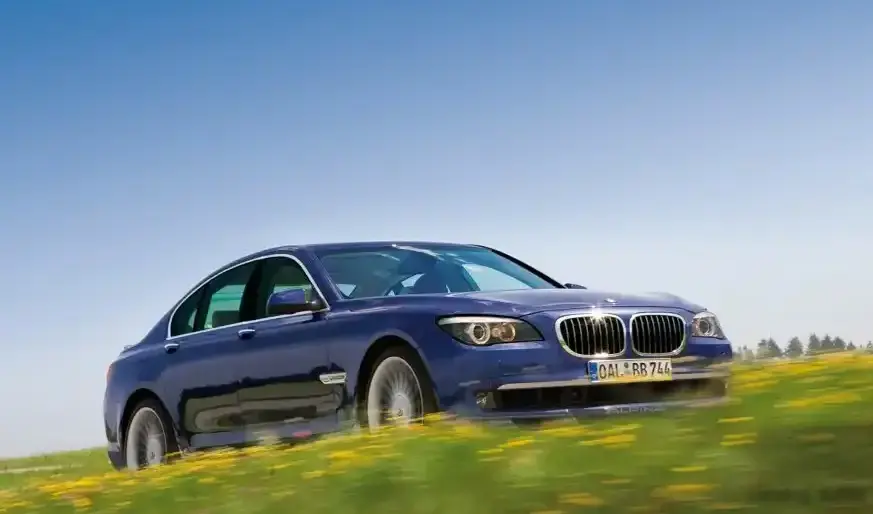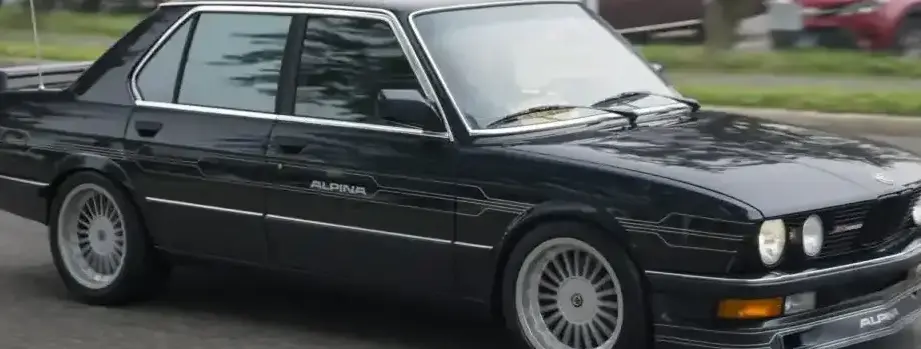
The Alpina B7 (E28) 3.5, produced between 1986 and 1987, represents a high-performance iteration of the BMW E28 5 Series. Alpina, a renowned German automotive engineering company, independently refined and upgraded the BMW platform, creating a vehicle that blended luxury, performance, and exclusivity. The B7 3.5 was positioned as Alpina’s flagship sedan, offering a significant step up in power and refinement compared to the standard BMW 5 Series models. It was built in limited numbers, making it a sought-after collector’s car today. The E28 generation of the 5 Series served as the foundation, benefitting from Alpina’s expertise in engine tuning, suspension upgrades, and aerodynamic enhancements.
Technical Specifications
| Brand | Alpina |
| Model | B7 |
| Generation | B7 (E28) |
| Type (Engine) | 3.5 (320 Hp) |
| Start of production | 1986 |
| End of production | 1987 |
| Powertrain Architecture | Internal Combustion engine |
| Body type | Sedan |
| Seats | 5 |
| Doors | 4 |
| Fuel consumption (economy) – urban | 16.4 l/100 km (14.3 US mpg, 17.2 UK mpg, 6.1 km/l) |
| Fuel consumption (economy) – extra urban | 8.6 l/100 km (27.4 US mpg, 32.8 UK mpg, 11.6 km/l) |
| Fuel consumption (economy) – combined | 11.1 l/100 km (21.2 US mpg, 25.4 UK mpg, 9 km/l) |
| Fuel Type | Petrol (Gasoline) |
| Acceleration 0 – 100 km/h | 6.2 sec |
| Acceleration 0 – 62 mph | 6.2 sec |
| Acceleration 0 – 60 mph | 5.9 sec |
| Maximum speed | 262 km/h (162.8 mph) |
| Weight-to-power ratio | 4.4 kg/Hp, 227 Hp/tonne |
| Weight-to-torque ratio | 2.7 kg/Nm, 368.8 Nm/tonne |
| Power | 320 Hp |
| Power per litre | 93.3 Hp/l |
| Torque | 520 Nm (383.53 lb.-ft.) |
| Engine layout | Front, Longitudinal |
| Engine Model/Code | B7/3 |
| Engine displacement | 3430 cm3 (209.31 cu. in.) |
| Number of cylinders | 6 |
| Engine configuration | Inline |
| Cylinder Bore | 92 mm (3.62 in.) |
| Piston Stroke | 86 mm (3.39 in.) |
| Number of valves per cylinder | 2 |
| Fuel injection system | Multi-port manifold injection |
| Engine aspiration | Turbocharger, Intercooler |
| Valvetrain | SOHC |
| Kerb Weight | 1410 kg (3108.52 lbs.) |
| Max. weight | 1920 kg (4232.88 lbs.) |
| Max load | 510 kg (1124.36 lbs.) |
| Trunk (boot) space – minimum | 460 l (16.24 cu. ft.) |
| Fuel tank capacity | 109 l (28.79 US gal, 23.98 UK gal) |
| Length | 4620 mm (181.89 in.) |
| Width | 1700 mm (66.93 in.) |
| Height | 1395 mm (54.92 in.) |
| Wheelbase | 2625 mm (103.35 in.) |
| Minimum turning circle | 10.9 m (35.76 ft.) |
| Drivetrain Architecture | Rear wheel drive |
| Number of gears and type of gearbox | 5 gears, manual transmission |
| Assisting systems | ABS (Anti-lock braking system) |
| Tires size | Front: 205/55 R16, Rear: 225/50 R16 |
Powertrain & Engine Architecture
The heart of the Alpina B7 3.5 is its 3.5-liter inline-six cylinder engine, designated the B7/3. This engine is based on the BMW M30 engine block, but extensively modified by Alpina. Key upgrades included a Mahle-designed crankshaft, larger pistons, and a ported and polished cylinder head. Crucially, Alpina added a turbocharger with an intercooler, significantly boosting power output to 320 horsepower and 520 Nm (383.53 lb-ft) of torque. The engine utilized a Bosch Motronic fuel injection system for precise fuel delivery. The single overhead camshaft (SOHC) valvetrain, while not as sophisticated as dual overhead cam designs, was optimized for performance and reliability. The engine’s longitudinal front-mounted layout contributed to a balanced weight distribution. The B7 3.5 was exclusively offered with a 5-speed manual transmission, chosen for its durability and driver engagement.
Driving Characteristics
The Alpina B7 3.5 delivered a markedly different driving experience compared to the standard BMW 5 Series. The turbocharger provided a surge of power, resulting in impressive acceleration – 0 to 60 mph in approximately 5.9 seconds and a top speed of 162.8 mph. The manual transmission allowed for precise control, and the upgraded suspension, featuring stiffer springs and Bilstein shock absorbers, minimized body roll and enhanced handling. While the turbocharger did introduce a degree of turbo lag, the substantial torque output ensured strong performance across the rev range. The B7 3.5 was a true grand tourer, capable of covering long distances at high speeds with relative ease and comfort.
Equipment & Trim Levels
The Alpina B7 3.5 was a luxury performance sedan, and its equipment level reflected this. Standard features included leather upholstery, power windows, central locking, and an upgraded sound system. Alpina-specific touches were evident throughout the interior, including unique instrument cluster graphics, a sports steering wheel, and Alpina-branded badging. Optional extras included a sunroof, air conditioning, and a more advanced audio system. The interior trim was generally conservative, emphasizing quality and craftsmanship over ostentation. Exterior styling was subtly enhanced with Alpina’s signature front and rear spoilers, side skirts, and distinctive three-piece alloy wheels.
Chassis & Braking
The B7 3.5 benefited from a comprehensive chassis upgrade. Alpina fitted stiffer springs and Bilstein shock absorbers, lowering the ride height and improving handling. A thicker stabilizer bar further reduced body roll. The braking system consisted of ventilated disc brakes at the front and disc brakes at the rear, providing ample stopping power. The ABS (Anti-lock Braking System) was standard, enhancing safety and control during hard braking. The tires, sized 205/55 R16 at the front and 225/50 R16 at the rear, were chosen for their grip and handling characteristics.
Market Reception & Comparison
The Alpina B7 3.5 was well-received by automotive journalists and enthusiasts. Critics praised its blend of performance, luxury, and exclusivity. It was often compared favorably to the BMW M5, although the Alpina offered a more refined and comfortable driving experience. Fuel economy, at 11.1 l/100 km (21.2 US mpg), was typical for a high-performance vehicle of that era. Reliability was generally good, although the turbocharger added a layer of complexity to the engine. Compared to naturally aspirated BMW 5 Series models, the B7 3.5 offered significantly more power and performance, but at a higher price point.
Legacy
The Alpina B7 (E28) 3.5 remains a highly collectible car today. Its limited production numbers and unique character have made it a favorite among enthusiasts. The B7/3 engine is considered a masterpiece of engineering, and its robust construction has ensured that many examples remain on the road. While maintenance can be expensive due to the specialized nature of the vehicle, the Alpina B7 3.5 offers a rewarding ownership experience for those who appreciate its blend of performance, luxury, and heritage. The car represents a high point in Alpina’s history and a testament to their expertise in refining and enhancing BMW platforms.