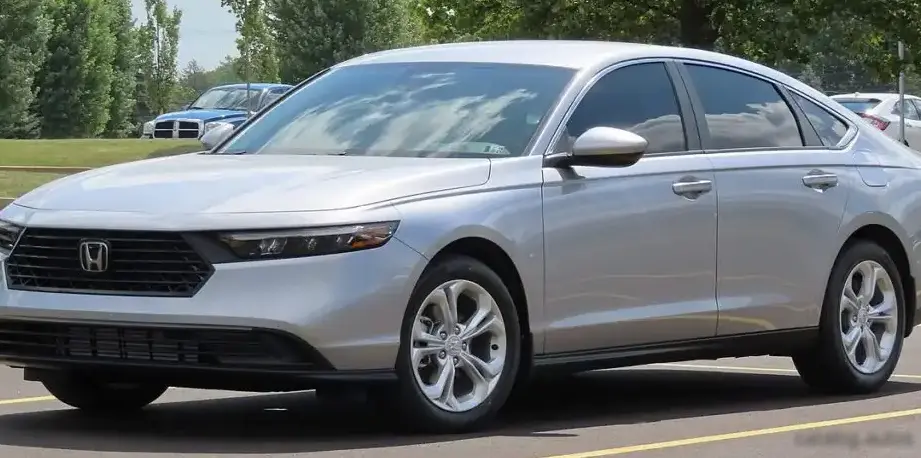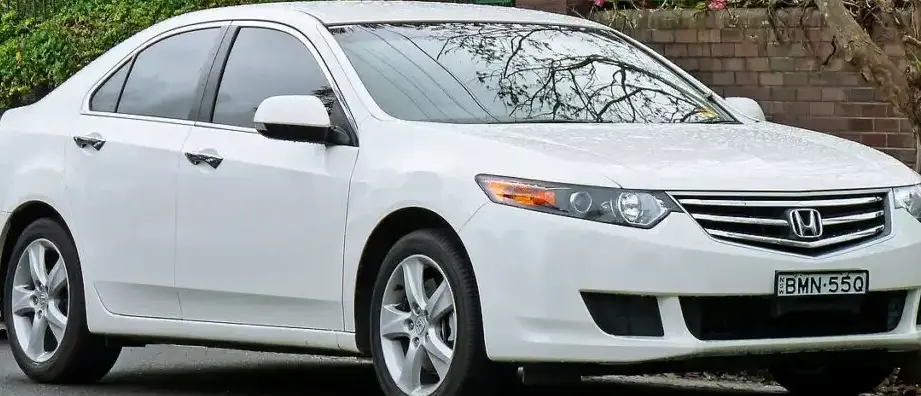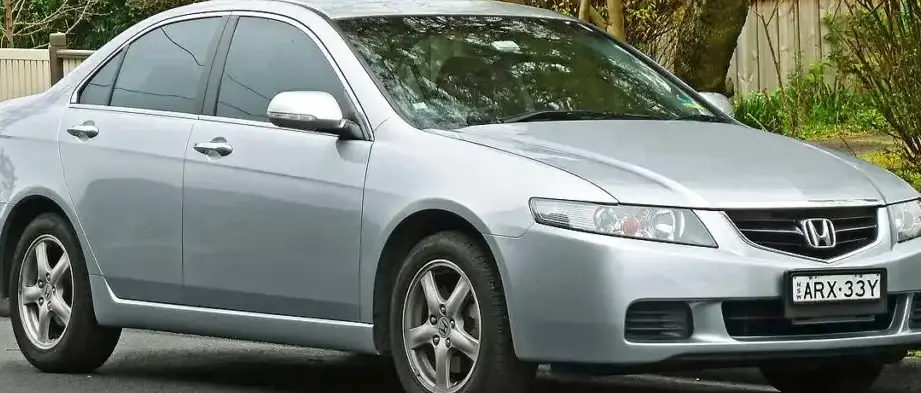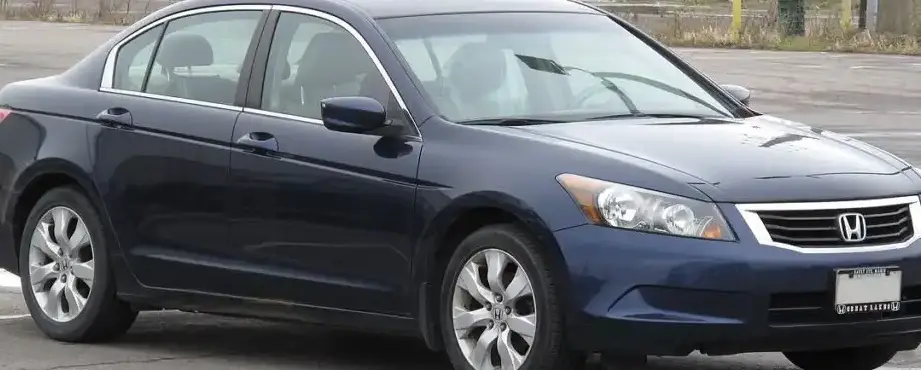
The Honda Accord V Wagon (CE1), specifically the 2.2i ES variant produced between 1993 and 1998, represents a unique offering within the broader fifth-generation (CE) Accord lineup. While the Accord sedan and coupe were popular in the North American market, the wagon – known as the “Accord Aerodeck” in some European markets – catered to buyers needing additional cargo space. The CE1 designation indicates the Japanese domestic market (JDM) version, though examples were also exported to other regions. This 150 horsepower variant occupied a mid-range position within the wagon’s trim levels, offering a balance between performance and practicality. It was positioned above the base models and below any potential higher-performance or luxury-focused trims.
Technical Specifications
| Brand | Honda |
| Model | Accord |
| Generation | Accord V Wagon (CE) |
| Type (Engine) | 2.2i ES (CE1) (150 Hp) |
| Start of production | 1993 |
| End of production | 1998 |
| Powertrain Architecture | Internal Combustion engine |
| Body type | Station wagon (estate) |
| Seats | 5 |
| Doors | 5 |
| Fuel consumption (combined) | 9.1 l/100 km (25.8 US mpg, 31 UK mpg, 11 km/l) |
| Fuel Type | Petrol (Gasoline) |
| Acceleration 0 – 100 km/h | 9.3 sec |
| Acceleration 0 – 62 mph | 9.3 sec |
| Acceleration 0 – 60 mph | 8.8 sec |
| Maximum speed | 198 km/h (123.03 mph) |
| Weight-to-power ratio | 9.2 kg/Hp, 108.3 Hp/tonne |
| Weight-to-torque ratio | 7 kg/Nm, 143 Nm/tonne |
| Power | 150 Hp @ 5900 rpm |
| Power per litre | 69.6 Hp/l |
| Torque | 198 Nm @ 5000 rpm (146.04 lb.-ft. @ 5000 rpm) |
| Engine layout | Front, Transverse |
| Engine Model/Code | F22Z2 |
| Engine displacement | 2155 cm3 (131.51 cu. in.) |
| Number of cylinders | 4 |
| Engine configuration | Inline |
| Cylinder Bore | 85 mm (3.35 in.) |
| Piston Stroke | 95 mm (3.74 in.) |
| Compression ratio | 9.8:1 |
| Number of valves per cylinder | 4 |
| Fuel injection system | Multi-port manifold injection |
| Engine aspiration | Naturally aspirated engine |
| Valvetrain | OHC |
| Engine oil capacity | 4.3 l (4.54 US qt | 3.78 UK qt) |
| Coolant | 6.9 l (7.29 US qt | 6.07 UK qt) |
| Kerb Weight | 1385 kg (3053.4 lbs.) |
| Max. weight | 1880 kg (4144.69 lbs.) |
| Max load | 495 kg (1091.29 lbs.) |
| Trunk (boot) space – minimum | 430 l (15.19 cu. ft.) |
| Trunk (boot) space – maximum | 739 l (26.1 cu. ft.) |
| Fuel tank capacity | 65 l (17.17 US gal | 14.3 UK gal) |
| Length | 4770 mm (187.8 in.) |
| Width | 1780 mm (70.08 in.) |
| Height | 1425 mm (56.1 in.) |
| Wheelbase | 2715 mm (106.89 in.) |
| Front track | 1515 mm (59.65 in.) |
| Rear (Back) track | 1500 mm (59.06 in.) |
| Drivetrain Architecture | The Internal combustion engine (ICE) drives the front wheels of the vehicle. |
| Drive wheel | Front wheel drive |
| Number of gears and type of gearbox | 5 gears, manual transmission |
| Front suspension | Double wishbone |
| Rear suspension | Transverse stabilizer |
| Front brakes | Ventilated discs |
| Rear brakes | Disc |
| Assisting systems | ABS (Anti-lock braking system) |
| Steering type | Steering rack and pinion |
| Power steering | Hydraulic Steering |
| Tires size | 195/60 R15 |
| Wheel rims size | 15 |
Powertrain & Engine Architecture
The heart of the CE1 2.2i ES wagon is the F22Z2 engine, a 2.2-liter inline-four cylinder powerplant. This engine is a naturally aspirated design, utilizing a single overhead camshaft (SOHC) valvetrain. The F22Z2 featured multi-port fuel injection, a significant improvement over earlier carburetor-equipped Honda engines, contributing to better fuel efficiency and smoother power delivery. The engine’s 9.8:1 compression ratio was a compromise between performance and the ability to run on readily available fuel grades. The 5-speed manual transmission was the standard offering, providing drivers with full control over the engine’s powerband. The transmission featured typical Honda robustness and a relatively short throw for precise gear changes.
Driving Characteristics
The 150 horsepower and 146 lb-ft of torque produced by the F22Z2 engine provided adequate, though not exhilarating, performance for the Accord Wagon. Acceleration from 0-60 mph took approximately 8.8 seconds, making it competitive with other wagons of the era. The manual transmission allowed drivers to exploit the engine’s powerband effectively, though the engine felt somewhat strained at higher RPMs. The gear ratios were well-chosen for everyday driving, providing good responsiveness in most situations. Compared to the more powerful (and often more expensive) Accord coupes and sedans with larger engines, the wagon felt slightly less nimble, due in part to its increased weight. However, the wagon’s suspension provided a comfortable ride, absorbing bumps and imperfections in the road with ease.
Equipment & Trim Levels
The 2.2i ES trim level offered a reasonable level of standard equipment. Interiors typically featured cloth upholstery, with options for upgraded materials available. Standard features included power windows and locks, a basic audio system, and air conditioning. The dashboard layout was functional and straightforward, typical of Honda designs of the period. Optional extras included a sunroof, upgraded audio systems, and alloy wheels. The wagon’s interior was designed with practicality in mind, offering ample space for passengers and cargo. The rear seats could be folded down to create a larger cargo area, further enhancing the wagon’s versatility.
Chassis & Braking
The Accord Wagon utilized a front-engine, front-wheel-drive layout. The front suspension employed a double wishbone design, providing good handling and ride comfort. The rear suspension featured a transverse stabilizer, helping to reduce body roll during cornering. Braking duties were handled by ventilated discs at the front and solid discs at the rear. An anti-lock braking system (ABS) was included as standard equipment, enhancing safety and control during emergency braking situations. The steering system was a rack-and-pinion setup with hydraulic power assistance, providing precise and responsive steering feel.
Market Reception & Comparison
The Accord Wagon, including the 2.2i ES variant, was generally well-received by automotive critics. It was praised for its practicality, reliability, and comfortable ride. However, some critics noted that the wagon’s performance was not as sporty as that of the Accord coupe or sedan. Fuel economy was considered to be good for its class, averaging around 25.8 US mpg in combined driving. Compared to other wagons on the market, the Accord offered a compelling combination of features, reliability, and value. The 2.2i ES trim level struck a good balance between affordability and equipment, making it a popular choice for families and individuals needing a versatile vehicle.
Legacy
The Honda Accord V Wagon (CE1) 2.2i ES has proven to be a remarkably durable and reliable vehicle. The F22Z2 engine is known for its longevity, and many examples are still on the road today with relatively high mileage. The wagon’s simple design and robust construction contribute to its long-term reliability. In the used car market, these wagons are often sought after by enthusiasts and collectors, particularly those looking for a practical and dependable vehicle with a touch of Japanese automotive heritage. While not as highly regarded as some of Honda’s more iconic models, the Accord Wagon remains a testament to Honda’s commitment to quality and engineering excellence.