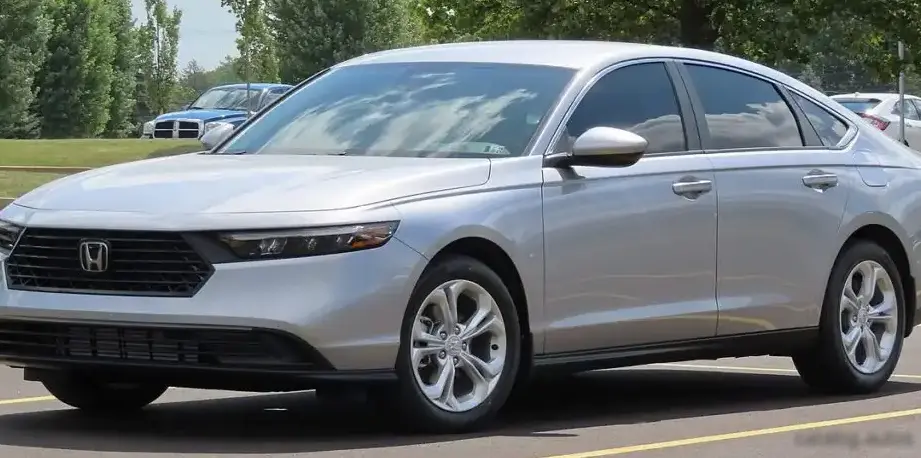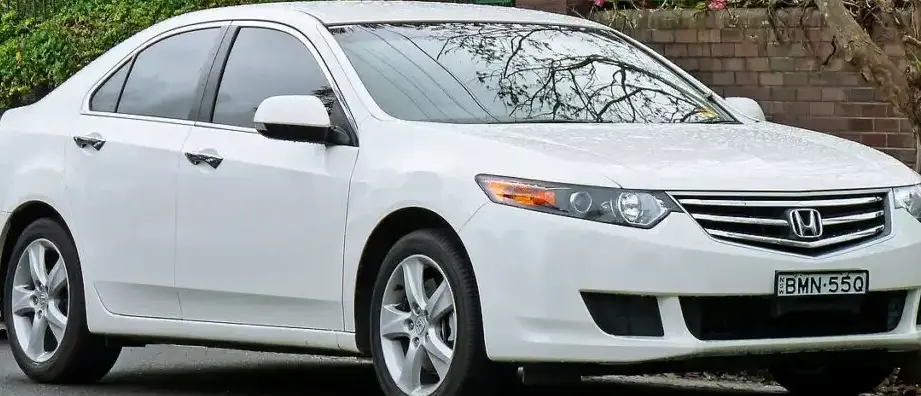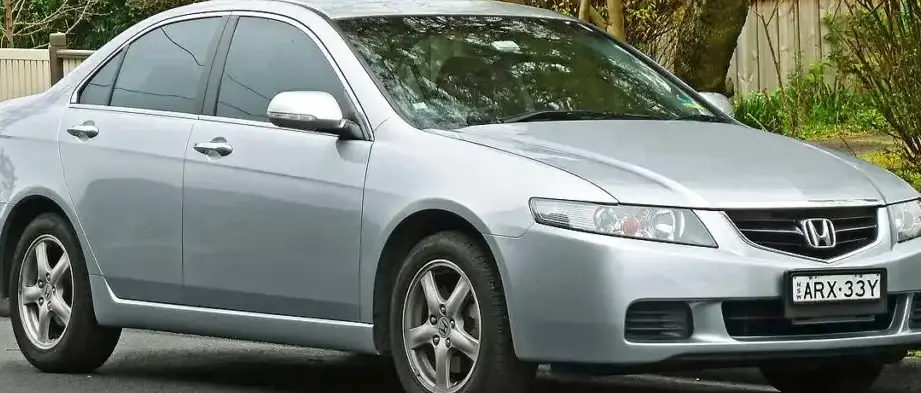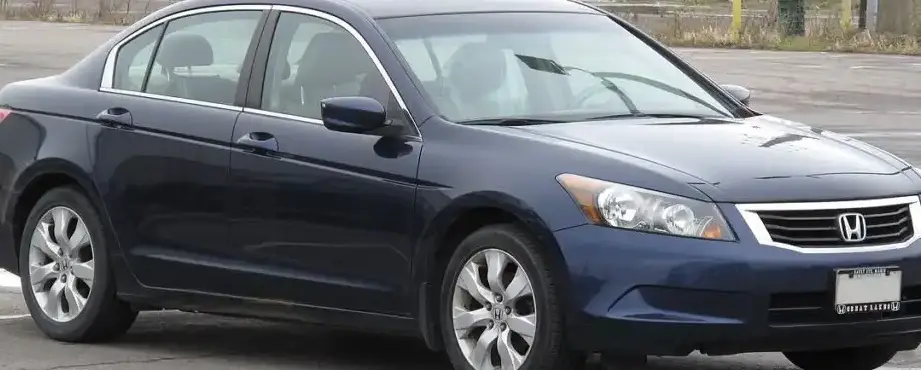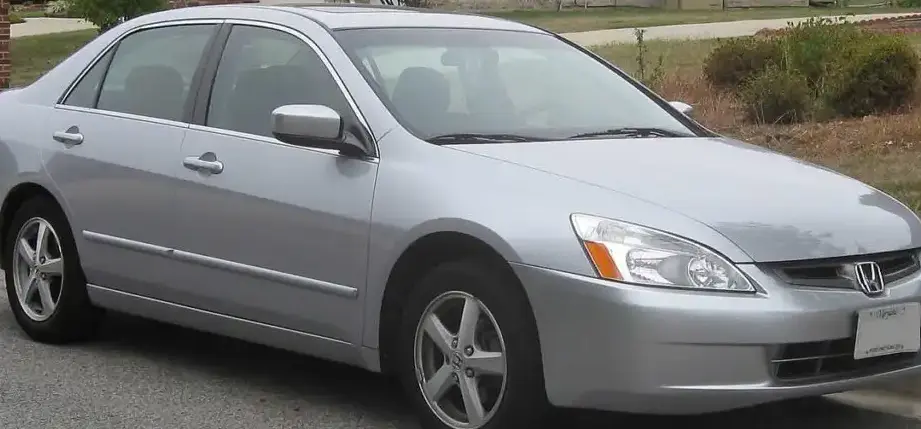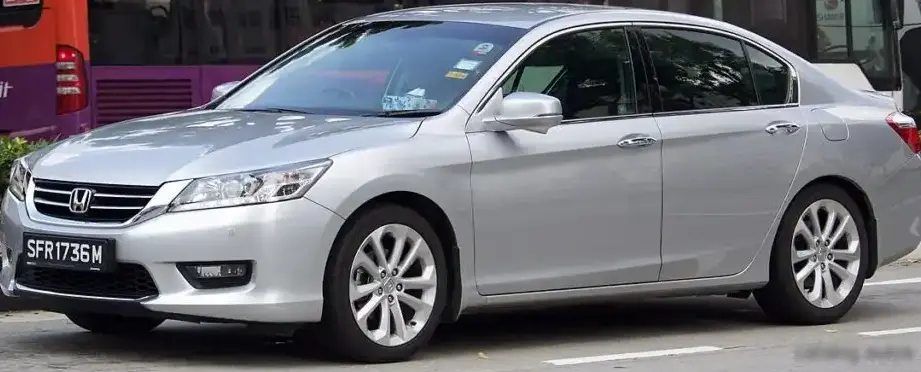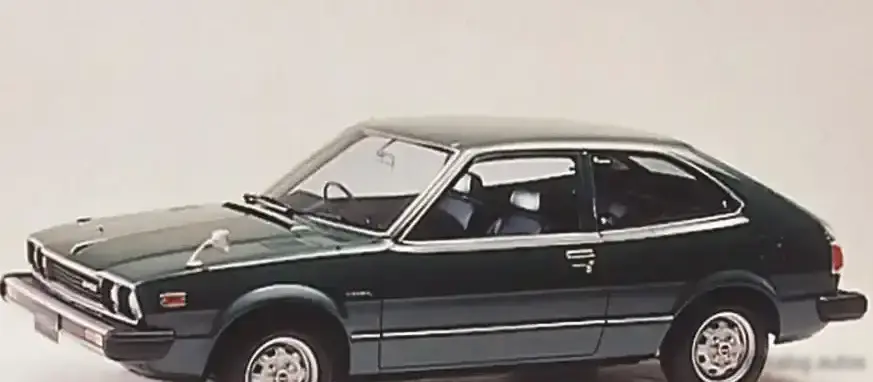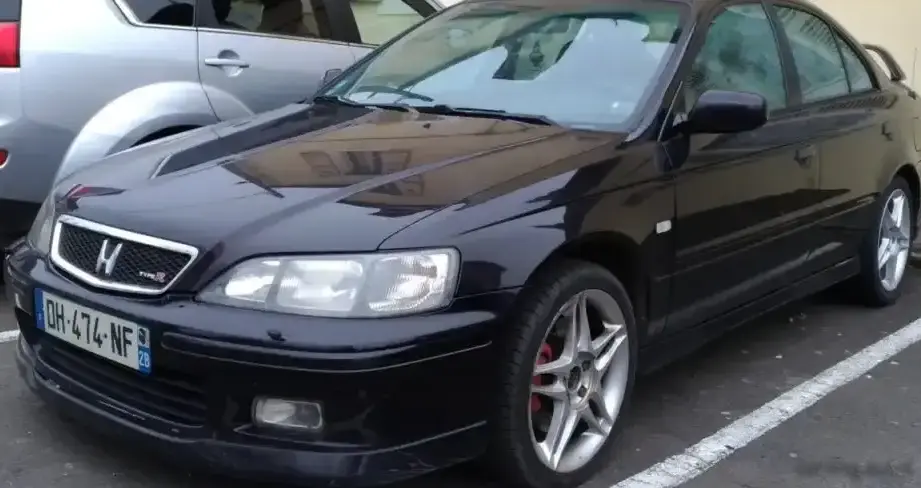
The Honda Accord VI, manufactured between 1998 and 2002, marked a substantial advancement for Honda’s popular mid-size sedan. Within the CE and CF chassis codes, the 1.8 16V variant (specifically equipped with the F18B2 engine) held a key position in the North American market as an entry-level option, successfully blending affordability with Honda’s well-established reputation for dependability and fuel economy. This generation of Accord aimed to deliver a more refined and spacious interior compared to its predecessor, alongside improvements in safety technology. The 1.8L engine configuration was primarily targeted towards buyers who valued economy and a smooth driving experience for daily commutes, making it a popular choice for families and individuals alike.
Technical Specifications
| Brand | Honda |
| Model | Accord |
| Generation | Accord VI (CE,CF) |
| Type (Engine) | 1.8 16V (136 Hp) |
| Start of production | 1998 |
| End of production | 2002 |
| Powertrain Architecture | Internal Combustion engine |
| Body type | Sedan |
| Seats | 5 |
| Doors | 4 |
| Fuel consumption (urban) | 11.2 l/100 km (21 US mpg) |
| Fuel consumption (extra urban) | 6.9 l/100 km (34.1 US mpg) |
| Fuel Type | Petrol (Gasoline) |
| Acceleration 0 – 100 km/h | 10.4 sec |
| Acceleration 0 – 62 mph | 10.4 sec |
| Acceleration 0 – 60 mph | 9.9 sec |
| Maximum speed | 205 km/h (127.38 mph) |
| Weight-to-power ratio | 10 kg/Hp |
| Weight-to-torque ratio | 7.8 kg/Nm |
| Power | 136 Hp @ 6000 rpm |
| Power per litre | 73.5 Hp/l |
| Torque | 175 Nm @ 4800 rpm (129.07 lb.-ft. @ 4800 rpm) |
| Engine layout | Front, Transverse |
| Engine Model/Code | F18B2 |
| Engine displacement | 1850 cm3 (112.89 cu. in.) |
| Number of cylinders | 4 |
| Engine configuration | Inline |
| Cylinder Bore | 85 mm (3.35 in.) |
| Piston Stroke | 81.5 mm (3.21 in.) |
| Compression ratio | 10:1 |
| Number of valves per cylinder | 4 |
| Fuel injection system | Multi-port manifold injection |
| Engine aspiration | Naturally aspirated engine |
| Valvetrain | OHC |
| Engine oil capacity | 4.3 l (4.54 US qt | 3.78 UK qt) |
| Coolant capacity | 5.8 l (6.13 US qt | 5.1 UK qt) |
| Kerb Weight | 1360 kg (2998.29 lbs.) |
| Max. weight | 1890 kg (4166.74 lbs.) |
| Max load | 530 kg (1168.45 lbs.) |
| Trunk (boot) space – minimum | 430 l (15.19 cu. ft.) |
| Fuel tank capacity | 65 l (17.17 US gal | 14.3 UK gal) |
| Length | 4595 mm (180.91 in.) |
| Width | 1750 mm (68.9 in.) |
| Height | 1430 mm (56.3 in.) |
| Wheelbase | 2670 mm (105.12 in.) |
| Front track | 1495 mm (58.86 in.) |
| Rear (Back) track | 1504 mm (59.21 in.) |
| Drivetrain Architecture | The Internal combustion engine (ICE) drives the front wheels of the vehicle. |
| Drive wheel | Front wheel drive |
| Number of gears and type of gearbox | 5 gears, manual transmission |
| Front suspension | Double wishbone |
| Rear suspension | Several levers and rods |
| Front brakes | Ventilated discs |
| Rear brakes | Disc |
| Assisting systems | ABS (Anti-lock braking system) |
| Steering type | Steering rack and pinion |
| Power steering | Hydraulic Steering |
| Tires size | 195/60 R15 |
| Wheel rims size | 15 |
Powertrain & Engine Architecture
The core of the Accord VI 1.8 16V is the F18B2 engine, a 1.8-liter (1850 cc) inline-four cylinder engine. This engine employs a single overhead camshaft (SOHC) valvetrain operating 16 valves – four valves per cylinder. The F18B2 incorporated multi-point fuel injection, which contributed to enhanced fuel efficiency and smoother engine operation. The engine’s design prioritized reliability and low-end torque, making it well-suited for everyday driving scenarios. The 10:1 compression ratio was a typical specification for the period, striking a balance between performance and fuel economy. While a 5-speed manual transmission was also offered, this article focuses on the 4-speed automatic transmission pairing. The automatic transmission, while offering convenience, resulted in a slight reduction in acceleration compared to the manual version.
Driving Characteristics
The 1.8L engine coupled with the automatic transmission provided a comfortable, though not particularly sporty, driving experience. Acceleration from 0-60 mph took approximately 9.9 seconds, which was adequate for the late 1990s and early 2000s but noticeably slower than the manual transmission or the higher-output 2.0L and V6 options. The automatic transmission’s gear ratios were optimized for fuel efficiency and smooth gear changes, rather than aggressive performance. Power delivery was linear, with a usable amount of torque available from lower engine speeds. This made it easy to navigate urban traffic and maintain highway speeds. However, overtaking maneuvers required more forethought and planning due to the engine’s limited horsepower. In comparison to the more powerful Accord variants, the 1.8L automatic felt less responsive and lacked the exhilarating acceleration that some drivers might desire.
Equipment & Trim Levels
The 1.8L Accord typically came equipped as a base or mid-range trim level. Standard features generally included air conditioning, power windows and door locks, and an AM/FM stereo system. Higher trim levels, often designated as “LX” or “EX”, added features such as alloy wheels, a sunroof, cruise control, and upgraded interior upholstery. The interior typically featured cloth seats and a straightforward dashboard layout. Optional extras included a CD player, upgraded audio systems, and side airbags. The 1.8L automatic was frequently chosen by buyers who prioritized value and essential features over luxury amenities.
Chassis & Braking
The Accord VI utilized a front-engine, front-wheel-drive configuration. The suspension system consisted of a double wishbone setup at the front and a multi-link arrangement at the rear, providing a comfortable ride quality and predictable handling characteristics. Braking was handled by ventilated discs at the front and solid discs at the rear. An anti-lock braking system (ABS) was standard on most trim levels, enhancing overall safety. The chassis was engineered to balance ride comfort with handling stability, making it suitable for a diverse range of driving conditions. The weight distribution was relatively balanced, contributing to neutral handling behavior.
Market Reception & Comparison
The 1.8L Accord automatic received generally favorable reviews for its reliability, fuel efficiency, and comfortable ride. Critics acknowledged that it wasn’t the most dynamically engaging car to drive, but it offered a practical and affordable transportation solution. Compared to the 2.0L and V6 models, the 1.8L automatic delivered significantly better fuel economy, albeit at the cost of performance. The 1.8L was often considered a sensible choice for budget-conscious buyers and those who prioritized practicality over sporty driving dynamics. Its fuel economy figures of around 21 mpg in the city and 34 mpg on the highway were competitive within its class.
Legacy
The F18B2 engine, when properly maintained, proved to be remarkably durable. Numerous examples of the Accord VI 1.8L automatic are still in operation today, a testament to Honda’s engineering expertise. The automatic transmission, while not renowned for its sportiness, generally demonstrated good longevity. In the used car market, these Accords are often sought after for their affordability, reliability, and low operating costs. However, prospective buyers should be aware of potential issues such as oil leaks and wear on suspension components. Overall, the Accord VI 1.8L automatic continues to be a respected and practical choice for individuals seeking a dependable and fuel-efficient used vehicle.