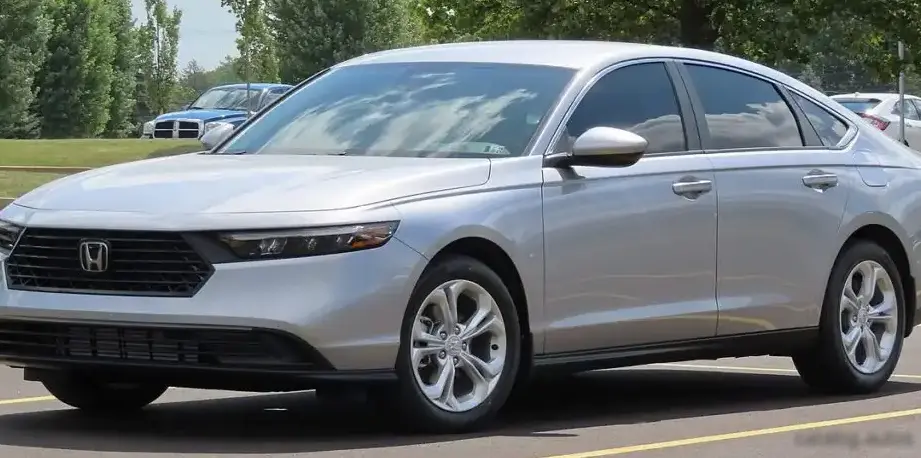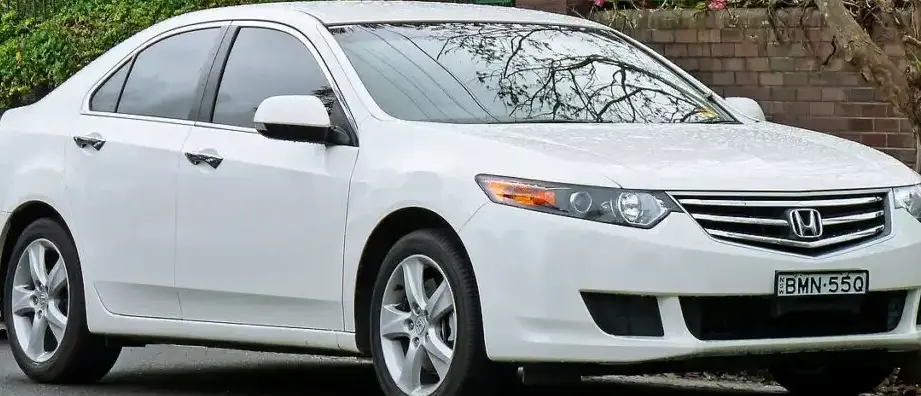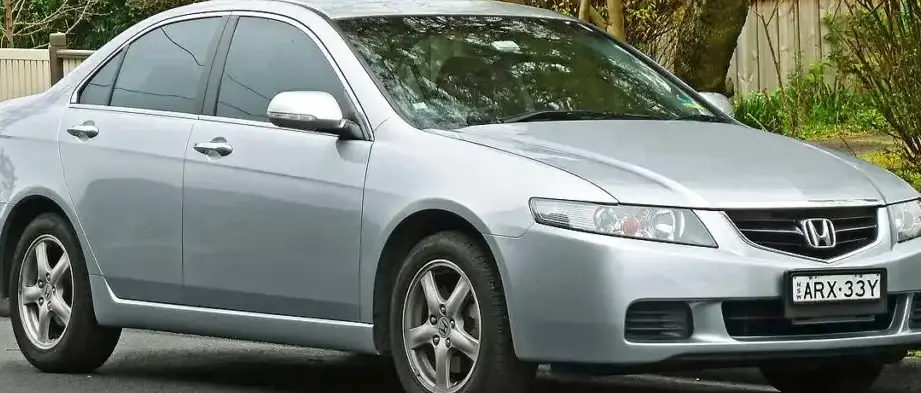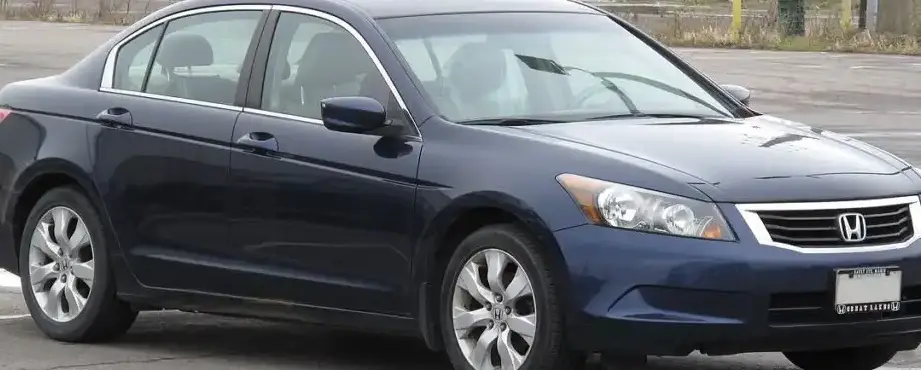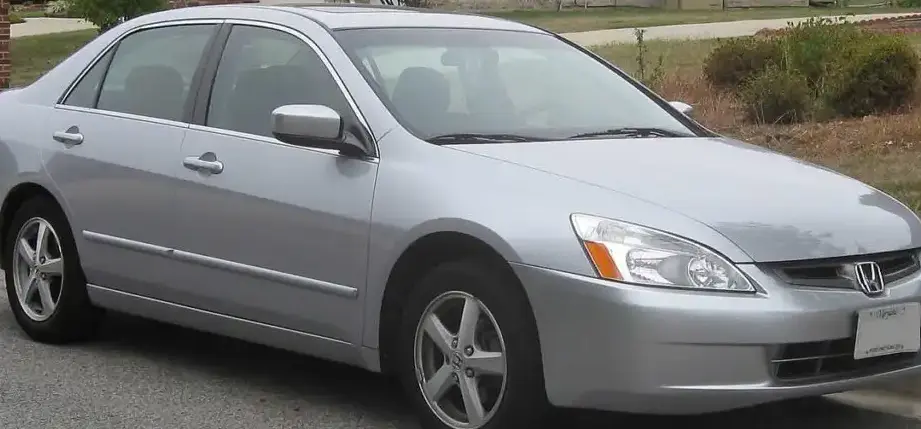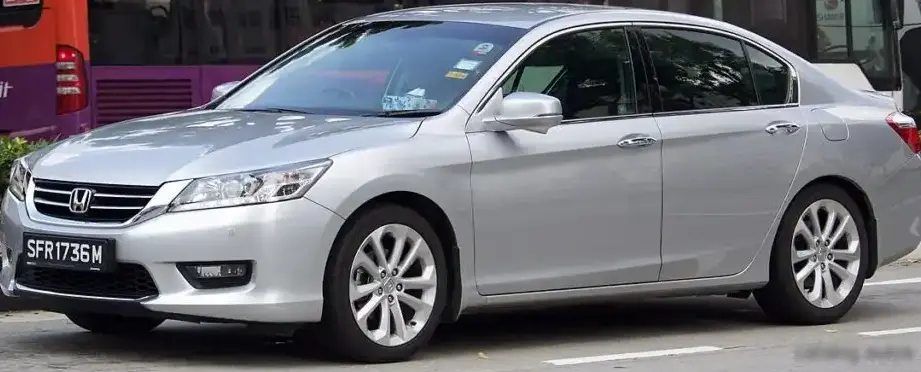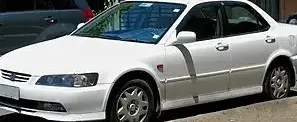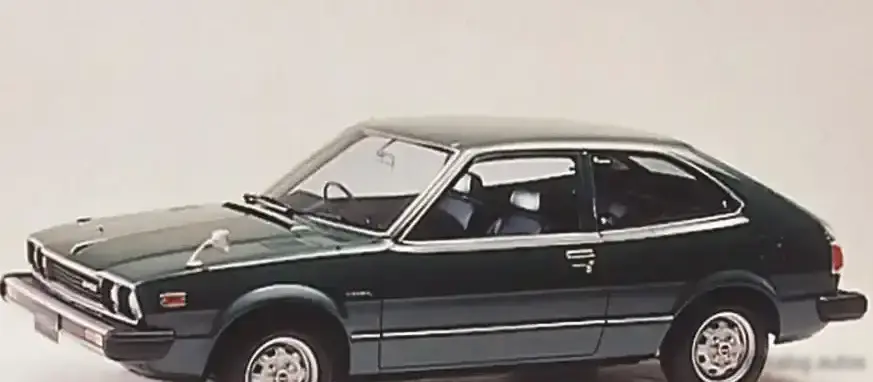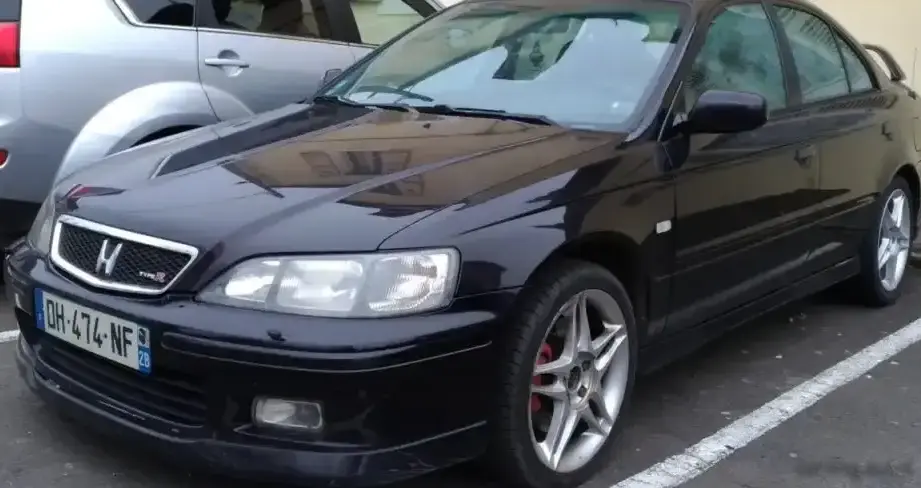
The Honda Accord VI, produced between 1998 and 2002, represented a significant evolution for Honda’s popular mid-size sedan. Within the CE and CF chassis codes denoting variations in body style and trim, the 1.8 16V variant with an automatic transmission occupied a crucial position in the North American market as an entry-level to mid-range offering. This model aimed to provide a balance of affordability, fuel efficiency, and Honda’s renowned reliability, appealing to a broad customer base seeking a practical and dependable family vehicle. It was a key component of Honda’s strategy to capture a larger share of the competitive American sedan segment.
Technical Specifications
| Brand | Honda |
| Model | Accord |
| Generation | Accord VI (CE,CF) |
| Type (Engine) | 1.8 16V (136 Hp) Automatic |
| Start of production | 1998 |
| End of production | 2002 |
| Powertrain Architecture | Internal Combustion engine |
| Body type | Sedan |
| Seats | 5 |
| Doors | 4 |
| Fuel consumption (urban) | 12.6 l/100 km (18.7 US mpg) |
| Fuel consumption (extra urban) | 7 l/100 km (33.6 US mpg) |
| Fuel Type | Petrol (Gasoline) |
| Acceleration 0 – 100 km/h | 11.7 sec |
| Acceleration 0 – 62 mph | 11.7 sec |
| Acceleration 0 – 60 mph | 11.1 sec |
| Maximum speed | 195 km/h (121.17 mph) |
| Weight-to-power ratio | 10 kg/Hp |
| Weight-to-torque ratio | 7.8 kg/Nm |
| Power | 136 Hp @ 6000 rpm |
| Torque | 175 Nm @ 4800 rpm (129.07 lb.-ft. @ 4800 rpm) |
| Engine layout | Front, Transverse |
| Engine Model/Code | F18B2 |
| Engine displacement | 1850 cm3 (112.89 cu. in.) |
| Number of cylinders | 4 |
| Engine configuration | Inline |
| Cylinder Bore | 85 mm (3.35 in.) |
| Piston Stroke | 81.5 mm (3.21 in.) |
| Compression ratio | 10:1 |
| Number of valves per cylinder | 4 |
| Fuel injection system | Multi-port manifold injection |
| Engine aspiration | Naturally aspirated engine |
| Valvetrain | OHC |
| Engine oil capacity | 4.3 l (4.54 US qt | 3.78 UK qt) |
| Coolant capacity | 5.8 l (6.13 US qt | 5.1 UK qt) |
| Kerb Weight | 1360 kg (2998.29 lbs.) |
| Max. weight | 1890 kg (4166.74 lbs.) |
| Max load | 530 kg (1168.45 lbs.) |
| Trunk (boot) space – minimum | 430 l (15.19 cu. ft.) |
| Fuel tank capacity | 65 l (17.17 US gal | 14.3 UK gal) |
| Length | 4595 mm (180.91 in.) |
| Width | 1750 mm (68.9 in.) |
| Height | 1430 mm (56.3 in.) |
| Wheelbase | 2670 mm (105.12 in.) |
| Front track | 1495 mm (58.86 in.) |
| Rear (Back) track | 1504 mm (59.21 in.) |
| Drivetrain Architecture | The Internal combustion engine (ICE) drives the front wheels of the vehicle. |
| Drive wheel | Front wheel drive |
| Number of gears and type of gearbox | 4 gears, automatic transmission |
| Front suspension | Double wishbone |
| Rear suspension | Several levers and rods |
| Front brakes | Ventilated discs |
| Rear brakes | Disc |
| Assisting systems | ABS (Anti-lock braking system) |
| Steering type | Steering rack and pinion |
| Power steering | Hydraulic Steering |
| Tires size | 195/60 R15 |
| Wheel rims size | 15 |
Powertrain & Engine Architecture
The heart of the Accord VI 1.8 16V Automatic is the F18B2 engine, a 1.8-liter inline-four cylinder powerplant. This engine utilizes a single overhead camshaft (SOHC) valvetrain operating 16 valves (four per cylinder). The F18B2 featured multi-point fuel injection, a system that delivers fuel directly to each intake port, optimizing combustion efficiency and contributing to smoother engine operation. The engine’s 10:1 compression ratio was a standard figure for the time, balancing performance and fuel economy. Paired with this engine was a four-speed automatic transmission, designed for ease of use and comfortable daily driving. This transmission, while not offering the sportiness of a manual, provided smooth shifts and was well-suited to the target audience of this trim level.
Driving Characteristics
The 136 horsepower and 129 lb-ft of torque produced by the F18B2 engine, when channeled through the four-speed automatic, resulted in a driving experience focused on practicality rather than outright performance. Acceleration from 0-60 mph took approximately 11.1 seconds, and top speed was around 121 mph. Compared to the more powerful Accord variants, such as those equipped with the V6 engine, the 1.8L automatic felt noticeably less responsive. However, the automatic transmission provided a comfortable and predictable driving experience, particularly in city traffic. The gear ratios were tuned for fuel efficiency and smooth cruising, rather than aggressive acceleration. The automatic transmission did sap some power compared to the available manual transmission, but it was a popular choice for buyers prioritizing convenience.
Equipment & Trim Levels
The 1.8 16V Automatic Accord typically came standard with features such as air conditioning, power windows and locks, and an AM/FM stereo. Interior upholstery was generally cloth, with options for upgraded materials available. Dashboard configuration was straightforward and functional, prioritizing ease of use. Optional extras included a sunroof, upgraded audio systems, and alloy wheels. This trim level often served as a base for adding packages, allowing buyers to customize their Accord with features like cruise control and keyless entry. The overall interior design was typical of Japanese automakers of the era – durable, practical, and focused on ergonomics.
Chassis & Braking
The Accord VI 1.8 Automatic utilized a front-wheel-drive layout with a double wishbone suspension in the front and a multi-link suspension in the rear. This suspension setup provided a comfortable ride quality, absorbing bumps and irregularities in the road effectively. Braking consisted of ventilated discs in the front and solid discs in the rear. Anti-lock Braking System (ABS) was standard, enhancing safety by preventing wheel lockup during hard braking. The chassis was designed to provide a balance of handling and ride comfort, leaning towards the latter given the target market for this trim level. Stabilizer bars were included to reduce body roll during cornering, but the suspension was not tuned for aggressive driving.
Market Reception & Comparison
The 1.8L Automatic Accord was generally well-received by critics as a sensible and reliable family sedan. It offered good fuel economy – around 22 mpg in the city and 34 mpg on the highway – making it an attractive option for budget-conscious buyers. Compared to other trims in the Accord lineup, such as the V6 models, the 1.8L automatic was less expensive to purchase and maintain. However, it lacked the performance and sporty handling of its more powerful siblings. Competitors in the same segment included the Toyota Camry, Nissan Altima, and Mazda 626. The Accord consistently ranked highly in reliability surveys, contributing to its strong resale value.
Legacy
The F18B2 engine, when properly maintained, proved to be a remarkably durable and reliable powerplant. Many examples of the Accord VI 1.8 Automatic are still on the road today, a testament to Honda’s engineering prowess. The automatic transmission, while not known for its sportiness, also demonstrated good longevity. In the used car market, these Accords are often sought after for their affordability, reliability, and low running costs. They represent a solid choice for buyers seeking a dependable and practical transportation solution, and continue to hold a respectable position as a well-regarded example of late 1990s/early 2000s Japanese automotive engineering.