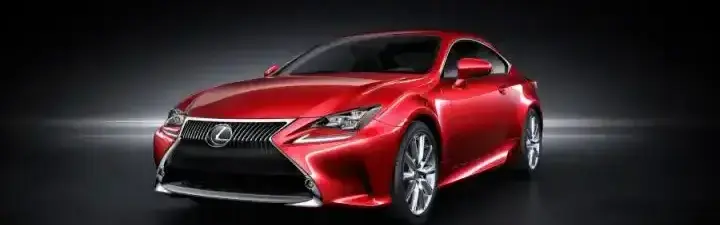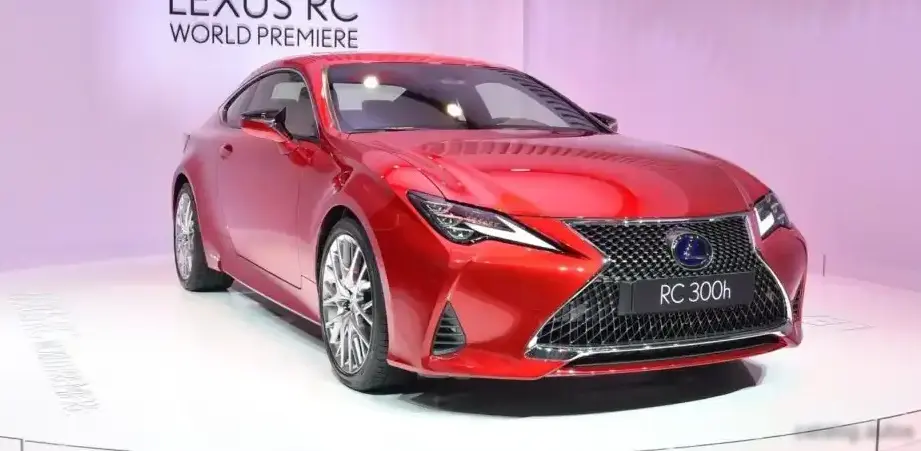
The Lexus RC 300, specifically the facelifted model introduced in 2018, represents a compelling entry point into the luxury sports coupe market. Positioned as the base engine option within the RC lineup, it offered a balance of performance, refinement, and technology. This variant, powered by a 2.0-liter turbocharged inline-four engine paired with an eight-speed Direct-Shift automatic transmission, aimed to attract buyers seeking a stylish and comfortable grand tourer without the higher price tag of the RC 350 or RC F models. Production of the facelifted RC spanned from 2018 onwards, building upon the foundation of the initial RC platform (ASC10) launched in 2014.
Technical Specifications
| Brand | Lexus |
| Model | RC |
| Generation | RC (facelift 2018) |
| Type (Engine) | 300 (241 Hp) Direct-Shift |
| Start of production | 2018 |
| Powertrain Architecture | Internal Combustion engine |
| Body type | Coupe |
| Seats | 4 |
| Doors | 2 |
| Fuel consumption (urban) | 11.2 l/100 km (21 US mpg) |
| Fuel consumption (extra urban) | 7.8 l/100 km (30.2 US mpg) |
| Fuel consumption (combined) | 9.8 l/100 km (24 US mpg) |
| Fuel Type | Petrol (Gasoline) |
| Acceleration 0 – 100 km/h | 7.5 sec |
| Acceleration 0 – 62 mph | 7.5 sec |
| Acceleration 0 – 60 mph | 7.1 sec |
| Maximum speed | 230 km/h (142.92 mph) |
| Weight-to-power ratio | 7 kg/Hp |
| Weight-to-torque ratio | 4.8 kg/Nm |
| Power | 241 Hp |
| Power per litre | 120.6 Hp/l |
| Torque | 350 Nm @ 1650-4400 rpm (258.15 lb.-ft. @ 1650-4400 rpm) |
| Engine layout | Front, Longitudinal |
| Engine Model/Code | 8AR-FTS |
| Engine displacement | 1998 cm3 (121.93 cu. in.) |
| Number of cylinders | 4 |
| Engine configuration | Inline |
| Compression ratio | 10:1 |
| Number of valves per cylinder | 4 |
| Fuel injection system | Direct injection |
| Engine aspiration | Turbocharger, Intercooler |
| Valvetrain | VVT-i |
| Engine oil capacity | 4.6 l (4.86 US qt | 4.05 UK qt) |
| Coolant | 8 l (8.45 US qt | 7.04 UK qt) |
| Kerb Weight | 1695 kg (3736.84 lbs.) |
| Trunk (boot) space – minimum | 294 l (10.38 cu. ft.) |
| Fuel tank capacity | 66 l (17.44 US gal | 14.52 UK gal) |
| Length | 4699 mm (185 in.) |
| Width with mirrors folded | 1839 mm (72.4 in.) |
| Height | 1394 mm (54.88 in.) |
| Wheelbase | 2731 mm (107.52 in.) |
| Drag coefficient (Cd) | 0.30 |
| Minimum turning circle | 10.42 m (34.19 ft.) |
| Drivetrain Architecture | Rear wheel drive |
| Number of gears and type of gearbox | 8 gears, automatic transmission Direct-Shift |
| Front suspension | Double wishbone |
| Rear suspension | Independent multi-link spring suspension with stabilizer |
| Front brakes | Ventilated discs |
| Rear brakes | Ventilated discs |
| Assisting systems | ABS (Anti-lock braking system) |
| Steering type | Steering rack and pinion |
| Power steering | Electric Steering |
| Tires size | 235/45 R18; 235/40 R19; 265/35 R19 |
| Wheel rims size | 18; 19 |
Introduction
The 2018 Lexus RC 300 with the Direct-Shift automatic transmission was designed to broaden the appeal of the RC coupe. Prior to the facelift, the RC range primarily focused on higher-performance models. The introduction of the 2.0-liter turbo engine aimed to attract a wider demographic, particularly those prioritizing style and comfort over outright speed. This model occupied the entry-level position in the RC lineup, slotting below the RC 350, which featured a naturally aspirated 3.5-liter V6 engine, and the high-performance RC F.
Powertrain & Engine Architecture
At the heart of the RC 300 lies the 8AR-FTS engine, a 1.998-liter (2.0L) inline-four cylinder gasoline engine. This engine utilizes a single-scroll turbocharger with intercooling to boost power and efficiency. Direct injection and Variable Valve Timing-intelligent (VVT-i) technology further optimize combustion and responsiveness. The engine produces 241 horsepower and 258 lb-ft of torque, available from a relatively low 1650 rpm, providing good low-end and mid-range grunt. The Direct-Shift eight-speed automatic transmission is a traditional torque-converter automatic, but with quicker shift times and a more responsive feel compared to conventional automatics. It features paddle shifters for manual control, allowing drivers to select gears as desired.
Driving Characteristics
The RC 300 Direct-Shift delivers a comfortable and refined driving experience. While not as aggressively sporty as the RC 350 or RC F, it offers adequate performance for everyday driving and spirited weekend excursions. Acceleration from 0-60 mph takes approximately 7.1 seconds. The eight-speed automatic transmission is generally smooth and responsive, although some reviewers noted occasional hesitation during downshifts. The gear ratios are tuned for a balance of fuel efficiency and acceleration, with a relatively tall final drive. Compared to the RC 350, the RC 300 feels less eager to rev and has a slightly less engaging driving feel, but the turbocharger provides a noticeable boost in low-end torque.
Equipment & Trim Levels
The RC 300 typically came standard with features such as Lexus Safety System+, which included Pre-Collision System with Pedestrian Detection, Lane Departure Alert with Intelligent Steering Assist, and Dynamic Radar Cruise Control. Interior features included a 7-inch infotainment display, Bluetooth connectivity, a rearview camera, and synthetic leather upholstery. Available options included a Mark Levinson premium sound system, a larger 10.3-inch infotainment display with navigation, heated and ventilated front seats, and a moonroof. Trim levels varied slightly depending on the market, but generally offered packages that added convenience and luxury features.
Chassis & Braking
The RC 300 utilizes a front double wishbone and rear independent multi-link suspension system, providing a comfortable ride and decent handling characteristics. The suspension is tuned for a balance of comfort and control, prioritizing ride quality over outright sportiness. Braking duties are handled by ventilated disc brakes on all four wheels, providing adequate stopping power. ABS (Anti-lock Braking System) is standard. The RC 300’s weight distribution is reasonably balanced, contributing to predictable handling. Stabilizer bars are included on both axles to reduce body roll during cornering.
Market Reception & Comparison
Critics generally praised the RC 300 for its stylish design, comfortable interior, and refined driving experience. However, some reviewers noted that the 2.0-liter turbo engine, while adequate, lacked the punch of the RC 350’s V6. Fuel economy was generally considered good for a luxury sports coupe, with combined figures around 24 US mpg. Compared to competitors like the BMW 4 Series and Audi A5 Coupe, the RC 300 offered a more comfortable ride and a more luxurious interior, but lacked the same level of driving engagement. The RC 350 offered a significant performance upgrade, but at a higher price point.
Legacy
The Lexus RC 300 (2018 facelift) has established itself as a reliable and stylish used car option. The 8AR-FTS engine has proven to be relatively durable, with few widespread mechanical issues reported. Regular maintenance, including oil changes and timely servicing of the turbocharger, is crucial for long-term reliability. The Direct-Shift automatic transmission is also generally reliable, but proper fluid changes are essential. As a used vehicle, the RC 300 offers a compelling value proposition, providing a luxurious and comfortable driving experience at a more affordable price point than its newer counterparts.