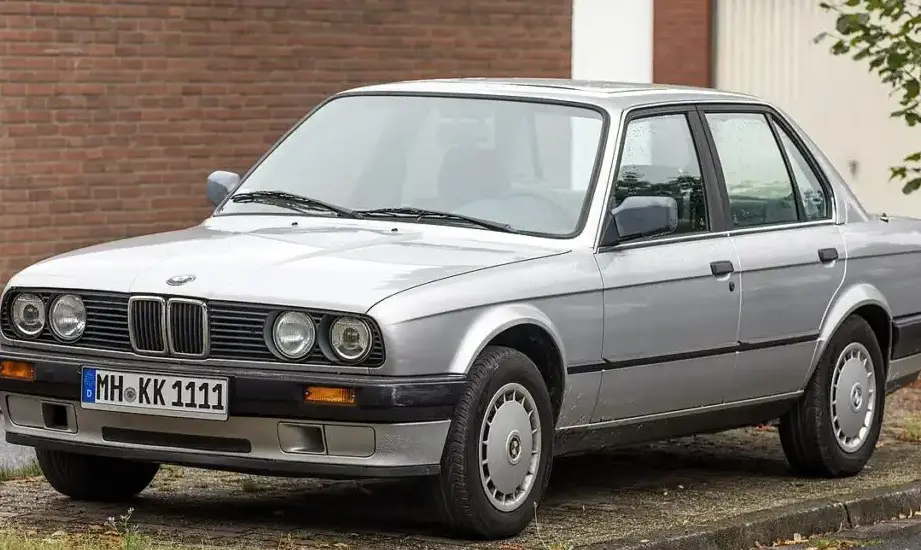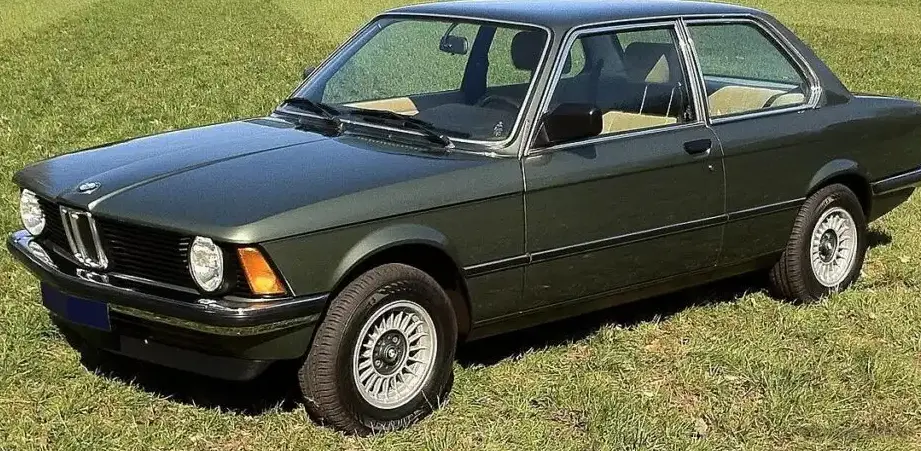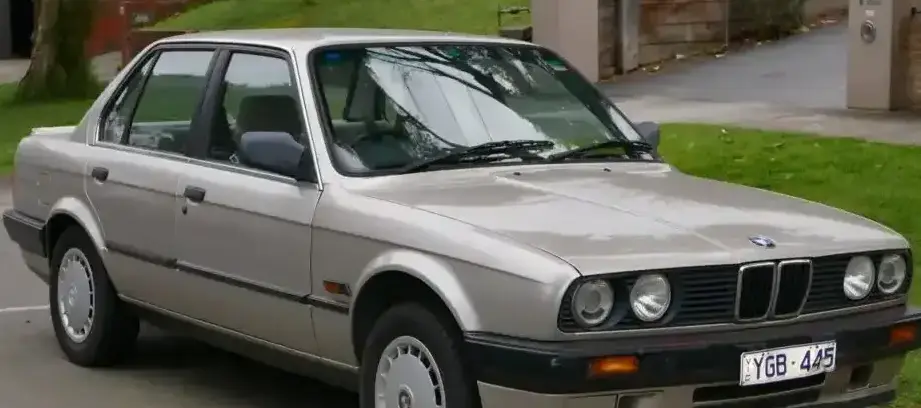
The BMW 325iX, produced between 1987 and 1991, was a pivotal variant of the E30 3 Series sedan. Introduced as part of the facelifted E30 range, the 325iX distinguished itself as BMW’s first foray into all-wheel drive for this popular model line. It represented a significant technological advancement, aimed at enhancing traction and stability, particularly in inclement weather conditions. Positioned as a premium offering within the E30 lineup, the 325iX catered to buyers seeking a blend of performance and all-weather capability. It was built upon the 1HX0 chassis code, shared with other E30 models, but with substantial modifications to accommodate the all-wheel-drive system.
Technical Specifications
| Brand | BMW |
| Model | 3 Series |
| Generation | 3 Series Sedan (E30, facelift 1987) |
| Type (Engine) | 325iX (170 Hp) |
| Start of production | 1987 |
| End of production | 1991 |
| Powertrain Architecture | Internal Combustion engine |
| Body type | Sedan |
| Seats | 5 |
| Doors | 4 |
| Fuel consumption (urban) | 13.6 l/100 km (17.3 US mpg, 20.8 UK mpg, 7.4 km/l) |
| Fuel consumption (extra urban) | 7.8 l/100 km (30.2 US mpg, 36.2 UK mpg, 12.8 km/l) |
| Fuel consumption (combined) | 9.8 l/100 km (24 US mpg, 28.8 UK mpg, 10.2 km/l) |
| Fuel Type | Petrol (Gasoline) |
| Acceleration 0 – 100 km/h | 9.2 sec |
| Acceleration 0 – 62 mph | 9.2 sec |
| Acceleration 0 – 60 mph | 8.7 sec |
| Maximum speed | 212 km/h (131.73 mph) |
| Weight-to-power ratio | 7.5 kg/Hp, 132.8 Hp/tonne |
| Weight-to-torque ratio | 5.8 kg/Nm, 173.4 Nm/tonne |
| Power | 170 Hp @ 5800 rpm |
| Power per litre | 68.2 Hp/l |
| Torque | 222 Nm @ 4300 rpm (163.74 lb.-ft. @ 4300 rpm) |
| Engine layout | Front, Longitudinal |
| Engine Model/Code | M20B25 |
| Engine displacement | 2494 cm3 (152.19 cu. in.) |
| Number of cylinders | 6 |
| Engine configuration | Inline |
| Cylinder Bore | 84 mm (3.31 in.) |
| Piston Stroke | 75 mm (2.95 in.) |
| Compression ratio | 8.8:1 |
| Number of valves per cylinder | 2 |
| Fuel injection system | Multi-port manifold injection |
| Engine aspiration | Naturally aspirated engine |
| Engine oil capacity | 4.25 l (4.49 US qt | 3.74 UK qt) |
| Coolant capacity | 10.5 l (11.1 US qt | 9.24 UK qt) |
| Kerb Weight | 1280 kg (2821.92 lbs.) |
| Max. weight | 1740 kg (3836.04 lbs.) |
| Max load | 460 kg (1014.13 lbs.) |
| Trunk (boot) space – minimum | 425 l (15.01 cu. ft.) |
| Fuel tank capacity | 55 l (14.53 US gal | 12.1 UK gal) |
| Length | 4325 mm (170.28 in.) |
| Width | 1660 mm (65.35 in.) |
| Height | 1400 mm (55.12 in.) |
| Wheelbase | 2570 mm (101.18 in.) |
| Front track | 1420 mm (55.91 in.) |
| Rear (Back) track | 1415 mm (55.71 in.) |
| Drive wheel | All wheel drive (4×4) |
| Number of gears and type of gearbox | 5 gears, manual transmission |
| Front suspension | Coil spring |
| Rear suspension | Coil spring |
| Front brakes | Disc |
| Rear brakes | Disc |
| Assisting systems | ABS (Anti-lock braking system) |
| Power steering | Hydraulic Steering |
| Tires size | 195/65 R14 |
| Wheel rims size | 14 |
Powertrain & Engine Architecture
The 325iX was powered by the M20B25 engine, a 2.5-liter inline-six cylinder powerplant. This engine, a hallmark of BMW engineering during the era, featured multi-port fuel injection and a single overhead camshaft (SOHC) valvetrain with two valves per cylinder. The M20 engine family was known for its smooth power delivery and robust construction. The 325iX’s version produced 170 horsepower at 5800 rpm and 222 Nm (163.74 lb-ft) of torque at 4300 rpm. The engine’s longitudinal mounting and rear-wheel-drive bias were adapted to incorporate a viscous coupling-based all-wheel-drive system. This system normally operated as a rear-wheel-drive vehicle, engaging the front wheels only when rear wheel slip was detected. The 325iX utilized a Getrag 265 five-speed manual transmission, chosen for its durability and precise shift feel. The transmission’s gear ratios were optimized to provide a balance between acceleration and fuel efficiency.
Driving Characteristics
The 325iX offered a noticeably different driving experience compared to its rear-wheel-drive E30 siblings. The all-wheel-drive system provided significantly improved traction, especially on slippery surfaces. While the added weight of the AWD components (approximately 120 lbs) slightly impacted acceleration – 0-60 mph in around 8.7 seconds – the enhanced grip translated to greater stability and confidence in challenging conditions. Compared to the standard 325i, the 325iX felt more planted and predictable, particularly during cornering. The viscous coupling system, while effective, wasn’t as sophisticated as later electronically controlled AWD systems, resulting in a slight understeer bias when the front wheels were engaged. The manual transmission provided a direct and engaging driving experience, allowing drivers to fully utilize the engine’s powerband.
Equipment & Trim Levels
The 325iX was generally well-equipped for its time, reflecting its position as a premium model. Standard features included power windows, power locks, and a sunroof. The interior typically featured cloth upholstery, although leather was available as an option. The dashboard layout was consistent with other E30 models, featuring a straightforward design with clearly marked gauges. Optional extras included a premium sound system, air conditioning, and a limited-slip differential for even greater traction. The 325iX often came with sport suspension as an option, further enhancing its handling capabilities.
Chassis & Braking
The 325iX’s chassis was reinforced to handle the stresses of the all-wheel-drive system. The suspension utilized coil springs and shock absorbers, providing a comfortable yet controlled ride. The front suspension featured MacPherson struts, while the rear employed a semi-trailing arm design. Braking duties were handled by disc brakes on all four wheels, providing ample stopping power. An Anti-lock Braking System (ABS) was standard, further enhancing safety. The 325iX featured hydraulic power steering, offering a good balance between assistance and road feel.
Market Reception & Comparison
The 325iX was generally well-received by automotive critics, who praised its all-weather capability and improved handling. However, the added weight and slightly higher price compared to the standard 325i were noted drawbacks. Compared to the 325es (a more luxurious, but less sporty, variant), the 325iX offered a more engaging driving experience. Against the higher-performance 325i, the 325iX traded some outright speed for increased stability and traction. Fuel economy was comparable to other E30 models, averaging around 24 mpg in combined driving. Reliability was generally good, although the all-wheel-drive system did introduce additional components that could potentially require maintenance.
Legacy
The BMW 325iX holds a significant place in BMW history as the company’s first all-wheel-drive 3 Series. It paved the way for the development of BMW’s xDrive system, which is now a cornerstone of the brand’s performance and all-weather capabilities. Today, the 325iX is a sought-after classic among BMW enthusiasts, particularly those who appreciate its unique combination of performance, practicality, and historical significance. Well-maintained examples are becoming increasingly rare and valuable. The M20 engine, while aging, remains relatively reliable with proper maintenance, and parts availability is generally good. The 325iX represents a unique and compelling chapter in the evolution of the BMW 3 Series.