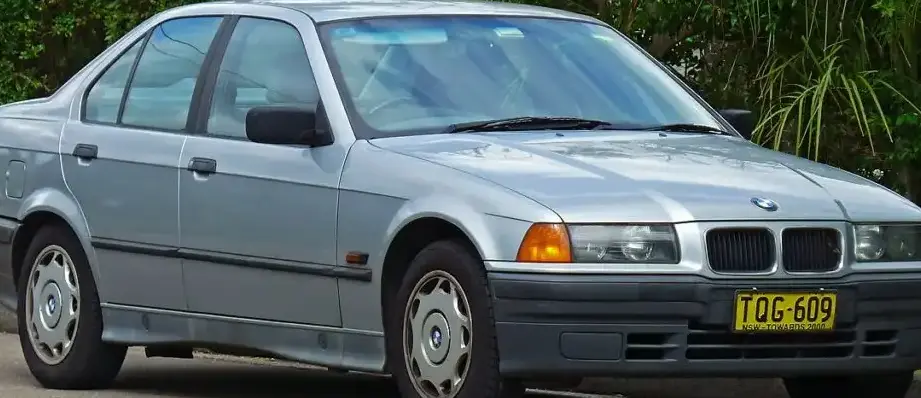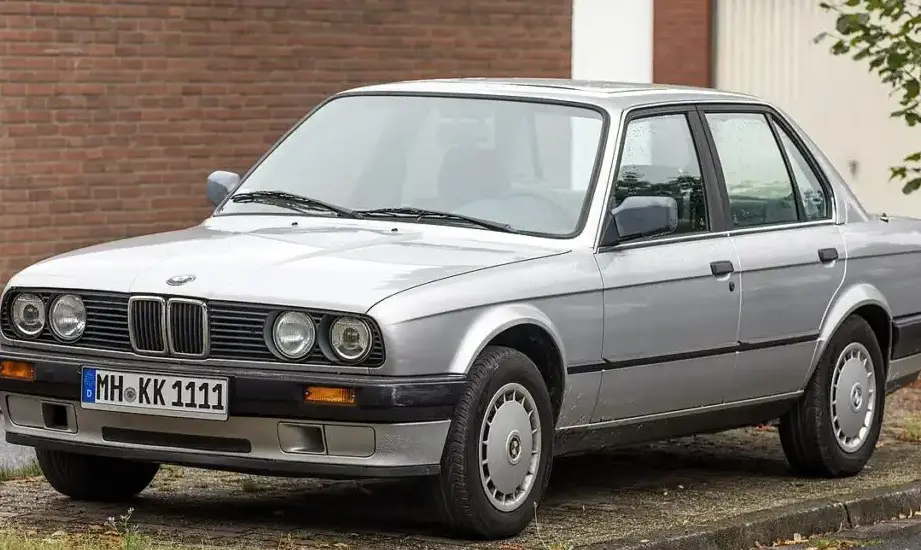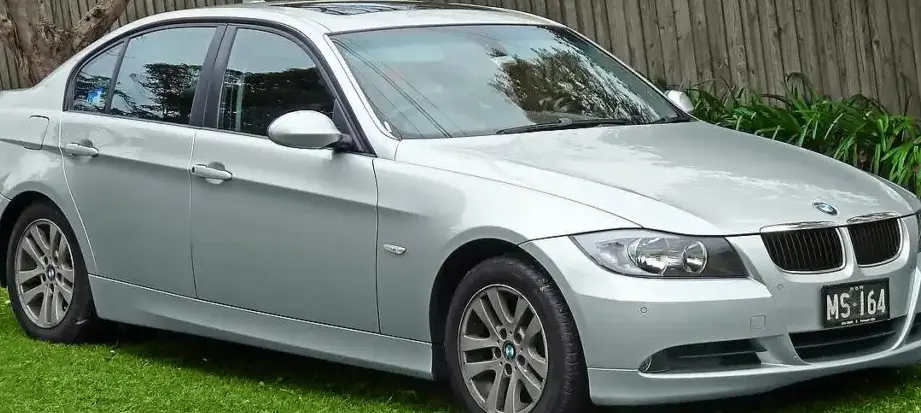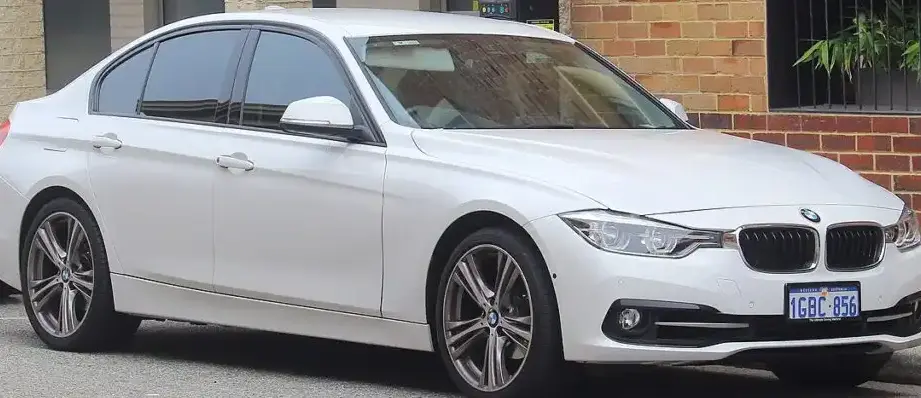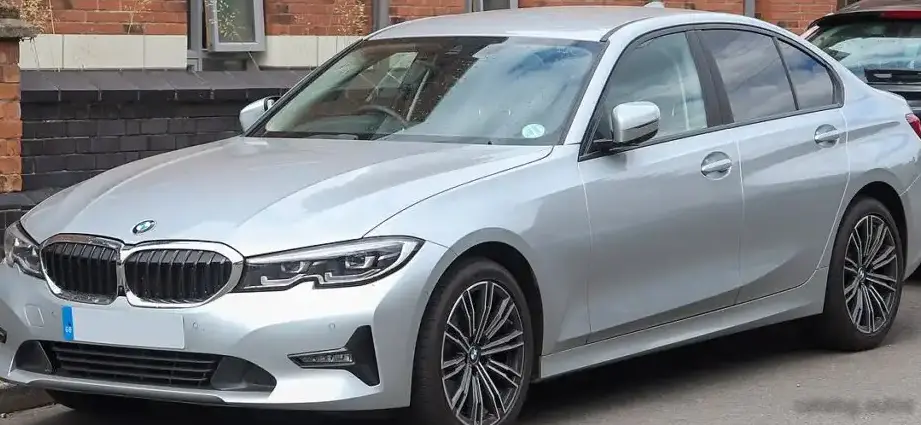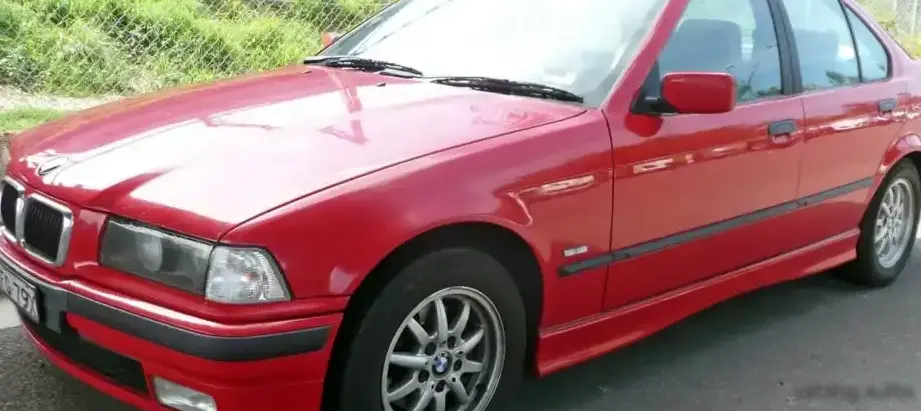
The BMW 3 Series Sedan (E36) 316i, produced from 1993 to 1999, represented the entry point into the highly successful E36 generation of BMW’s iconic 3 Series. Positioned as the most affordable variant, the 316i offered a balance of BMW’s renowned driving dynamics and relatively economical operation. It served as a crucial model for attracting new customers to the brand, particularly in markets where smaller displacement engines were favored due to taxation or fuel costs. The E36 platform, known internally as the 1HX0, was a significant leap forward for BMW, introducing improvements in handling, safety, and overall refinement compared to its E30 predecessor.
| Brand | BMW |
| Model | 3 Series |
| Generation | 3 Series Sedan (E36) |
| Type (Engine) | 316i (102 Hp) |
| Start of production | 1993 |
| End of production | 1999 |
| Powertrain Architecture | Internal Combustion engine |
| Body type | Sedan |
| Seats | 5 |
| Doors | 4 |
| Fuel consumption (urban) | 10.4 l/100 km (22.6 US mpg) |
| Fuel consumption (extra urban) | 6.8 l/100 km (34.6 US mpg) |
| Fuel consumption (combined) | 7.4 l/100 km (31.8 US mpg) |
| Fuel Type | Petrol (Gasoline) |
| Acceleration 0 – 100 km/h | 12.7 sec |
| Acceleration 0 – 62 mph | 12.7 sec |
| Acceleration 0 – 60 mph | 12.1 sec |
| Maximum speed | 196 km/h (121.79 mph) |
| Emission standard | Euro 2 |
| Weight-to-power ratio | 11.7 kg/Hp |
| Weight-to-torque ratio | 7.9 kg/Nm |
| Power | 102 Hp @ 5500 rpm |
| Torque | 150 Nm @ 3900 rpm (110.63 lb.-ft. @ 3900 rpm) |
| Engine layout | Front, Longitudinal |
| Engine Model/Code | M43B16 |
| Engine displacement | 1596 cm3 (97.39 cu. in.) |
| Number of cylinders | 4 |
| Engine configuration | Inline |
| Cylinder Bore | 84 mm (3.31 in.) |
| Piston Stroke | 72 mm (2.83 in.) |
| Compression ratio | 9.7:1 |
| Number of valves per cylinder | 2 |
| Fuel injection system | Multi-port manifold injection |
| Engine aspiration | Naturally aspirated |
| Valvetrain | OHC |
| Engine oil capacity | 4 l (4.23 US qt | 3.52 UK qt) |
| Coolant capacity | 6.5 l (6.87 US qt | 5.72 UK qt) |
| Kerb Weight | 1190 kg (2623.5 lbs.) |
| Max. weight | 1650 kg (3637.63 lbs.) |
| Max load | 460 kg (1014.13 lbs.) |
| Trunk (boot) space – minimum | 435 l (15.36 cu. ft.) |
| Fuel tank capacity | 65 l (17.17 US gal | 14.3 UK gal) |
| Length | 4433 mm (174.53 in.) |
| Width | 1698 mm (66.85 in.) |
| Height | 1393 mm (54.84 in.) |
| Wheelbase | 2700 mm (106.3 in.) |
| Front track | 1418 mm (55.83 in.) |
| Rear track | 1431 mm (56.34 in.) |
| Drivetrain | Rear wheel drive |
| Number of gears | 5 |
| Gearbox type | Manual transmission |
| Front suspension | Independent type McPherson |
| Rear suspension | Coil spring |
| Front brakes | Ventilated discs |
| Rear brakes | Drum |
| Assisting systems | ABS (Anti-lock braking system) |
| Steering type | Steering rack and pinion |
| Power steering | Hydraulic |
| Tires size | 185/65 R15 |
| Wheel rims size | 7j x 15 |
Powertrain & Engine Architecture
The heart of the 316i was the M43B16 engine, a 1.6-liter inline-four cylinder powerplant. This engine was a significant departure from the older M40 series, featuring a more modern design with improved fuel efficiency and reduced emissions. The M43B16 utilized a single overhead camshaft (OHC) design, operating two valves per cylinder. Fuel delivery was handled by a Bosch Motronic multi-port fuel injection system, optimizing the air-fuel mixture for improved performance and reduced emissions. The engine produced 102 horsepower at 5500 rpm and 150 Nm (110.63 lb-ft) of torque at 3900 rpm. The standard transmission was a five-speed manual, but a four-speed automatic transmission was also available, though it impacted acceleration slightly. The engine’s longitudinal mounting and rear-wheel-drive configuration were hallmarks of BMW’s engineering philosophy at the time.
Driving Characteristics
The 316i, particularly with the manual transmission, offered a surprisingly engaging driving experience. While not as potent as the higher-spec 318i or 328i models, the 316i’s lighter weight contributed to nimble handling. The five-speed manual gearbox provided precise shifts, allowing drivers to make the most of the engine’s powerband. The automatic transmission, while offering convenience, resulted in a noticeable decrease in acceleration and a less connected feel. Gear ratios were tuned for fuel economy and everyday usability rather than outright performance. Compared to the 318i, the 316i felt less eager to rev, requiring more deliberate downshifts to maintain momentum. However, its lighter weight meant it could hold its own in corners, providing a balanced and predictable driving experience.
Equipment & Trim Levels
The 316i typically came equipped with a relatively basic level of standard features, reflecting its entry-level positioning. Standard equipment included power windows, central locking, and a basic stereo system. Interior upholstery was typically cloth, with options for leather available at an extra cost. Dashboard configuration was consistent across the E36 range, featuring a straightforward layout with clearly marked gauges. Optional extras included air conditioning, a sunroof, and upgraded audio systems. Higher trim levels, often denoted by packages, could add features like alloy wheels, sport seats, and wood trim.
Chassis & Braking
The E36 316i utilized an independent McPherson strut suspension at the front and a semi-trailing arm coil spring suspension at the rear. This setup provided a good balance of ride comfort and handling precision. Braking was typically accomplished with ventilated discs at the front and drum brakes at the rear. Anti-lock Braking System (ABS) was standard, enhancing safety by preventing wheel lockup during hard braking. Stabilizer bars were fitted front and rear, further improving handling stability. The suspension components were generally robust and reliable, though bushings and dampers could wear over time, affecting ride quality and handling.
Market Reception & Comparison
The 316i was generally well-received by automotive critics as a sensible and affordable entry into the BMW 3 Series range. It was praised for its handling, build quality, and relatively economical fuel consumption. However, some critics noted that the engine lacked the punch of its larger counterparts, particularly when paired with the automatic transmission. Compared to the 318i, the 316i offered a lower purchase price but sacrificed some performance. The 318i, with its larger engine, provided a more engaging driving experience, while the 316i prioritized fuel efficiency and affordability. In terms of reliability, the M43B16 engine proved to be generally robust, though regular maintenance was crucial to prevent issues such as oil leaks and timing chain wear.
Legacy
The E36 316i has become a popular choice among enthusiasts seeking an affordable and reliable classic BMW. The M43B16 engine, while not the most powerful in the lineup, is known for its durability and relatively simple maintenance requirements. Parts availability remains good, making it a practical choice for those looking to restore or maintain an E36. Today, well-maintained examples of the 316i can be found on the used car market at relatively affordable prices, offering a taste of BMW’s renowned driving dynamics to a wider audience. Its enduring popularity is a testament to the E36’s overall quality and the 316i’s role as a gateway into the BMW brand.