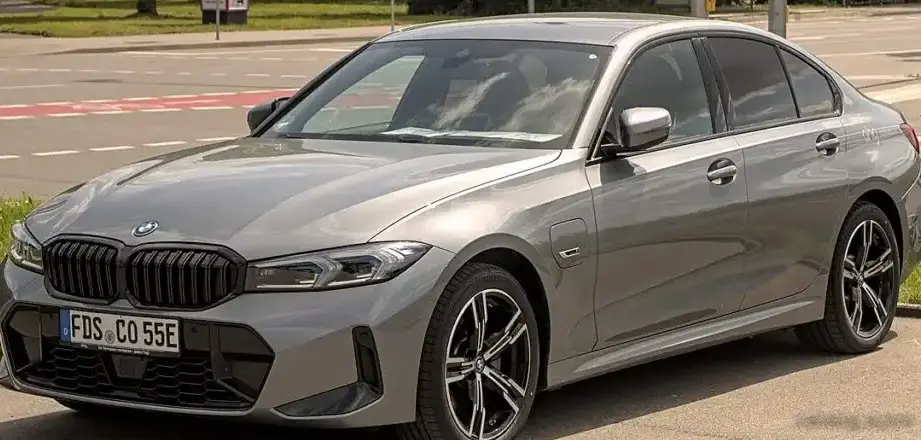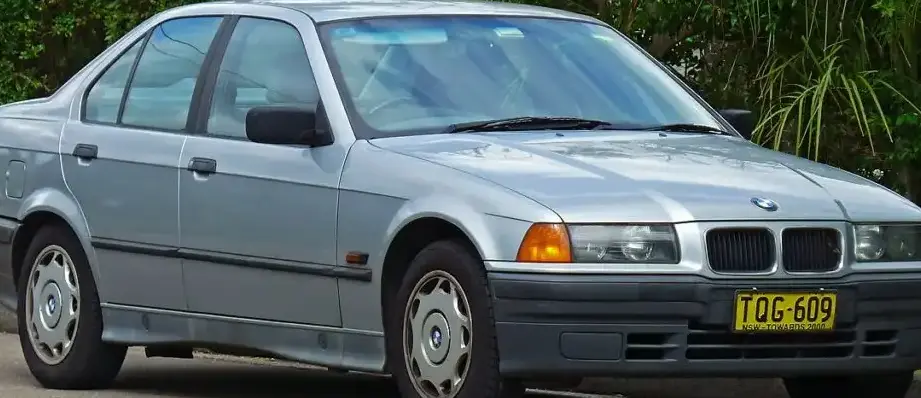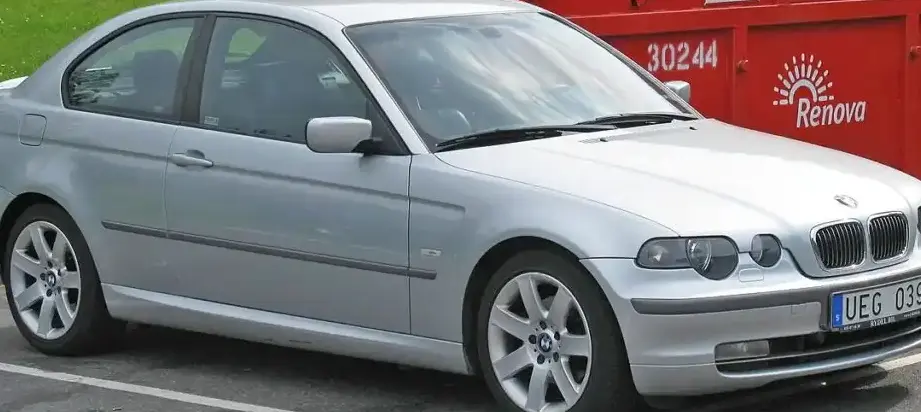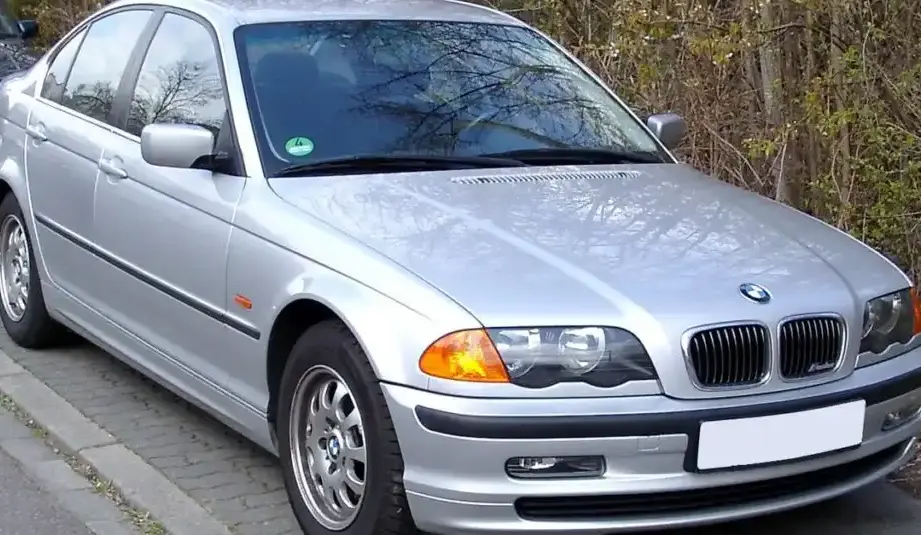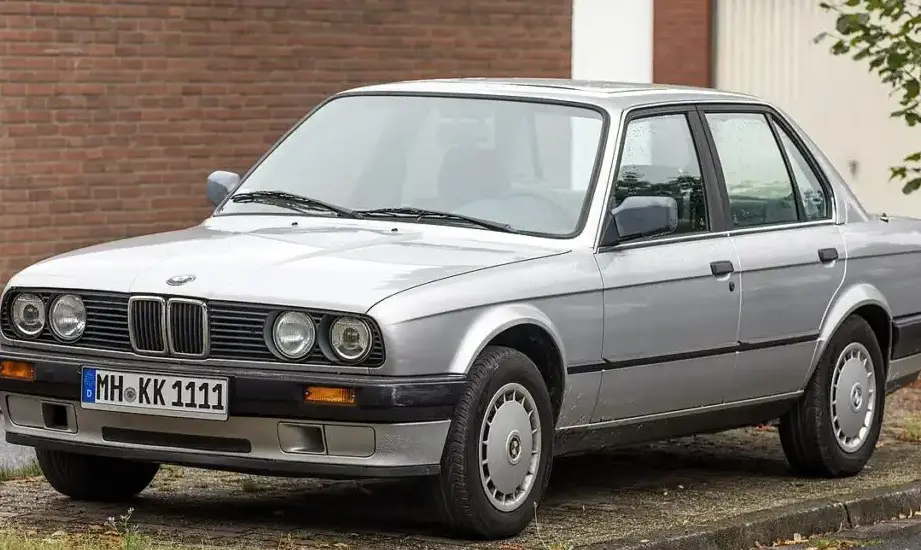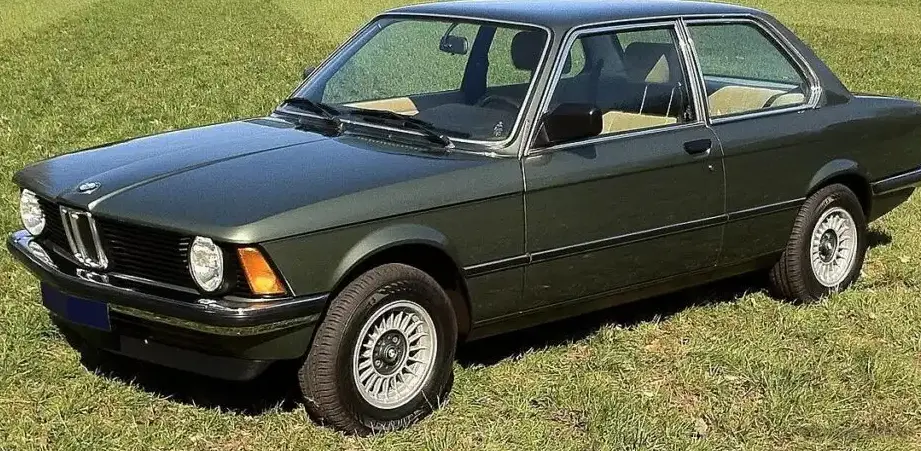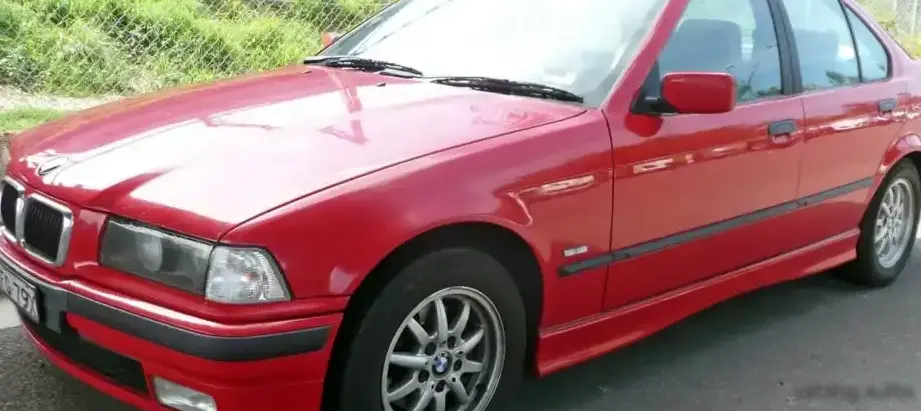
The BMW 3 Series Sedan (E36) 316i Automatic, produced from 1993 to 1999, represented the entry point into the popular and critically acclaimed E36 generation. Positioned as the most accessible model in the lineup, it offered BMW’s renowned driving experience to a wider audience. This variant, powered by the M43B16 engine and paired with a four-speed automatic transmission, was primarily marketed towards buyers prioritizing comfort, fuel efficiency, and the prestige of the BMW brand over outright performance. It served as a crucial volume seller, particularly in markets where manual transmissions were less favored.
Technical Specifications
| Brand | BMW |
| Model | 3 Series |
| Generation | 3 Series Sedan (E36) |
| Type (Engine) | 316i (102 Hp) Automatic |
| Start of production | 1993 |
| End of production | 1999 |
| Powertrain Architecture | Internal Combustion engine |
| Body type | Sedan |
| Seats | 5 |
| Doors | 4 |
| Fuel consumption (urban) | 10.4 l/100 km (22.6 US mpg) |
| Fuel consumption (extra urban) | 6.8 l/100 km (34.6 US mpg) |
| Fuel consumption (combined) | 7.4 l/100 km (31.8 US mpg) |
| Fuel Type | Petrol (Gasoline) |
| Acceleration 0 – 100 km/h | 12.7 sec |
| Acceleration 0 – 62 mph | 12.7 sec |
| Acceleration 0 – 60 mph | 12.1 sec |
| Maximum speed | 196 km/h (121.79 mph) |
| Emission standard | Euro 2 |
| Weight-to-power ratio | 11.7 kg/Hp |
| Weight-to-torque ratio | 7.9 kg/Nm |
| Power | 102 Hp @ 5500 rpm |
| Torque | 150 Nm @ 3900 rpm (110.63 lb.-ft. @ 3900 rpm) |
| Engine layout | Front, Longitudinal |
| Engine Model/Code | M43B16 |
| Engine displacement | 1596 cm3 (97.39 cu. in.) |
| Number of cylinders | 4 |
| Engine configuration | Inline |
| Cylinder Bore | 84 mm (3.31 in.) |
| Piston Stroke | 72 mm (2.83 in.) |
| Compression ratio | 9.7:1 |
| Number of valves per cylinder | 2 |
| Fuel injection system | Multi-port manifold injection |
| Engine aspiration | Naturally aspirated |
| Valvetrain | OHC |
| Engine oil capacity | 4 l (4.23 US qt | 3.52 UK qt) |
| Coolant capacity | 6.5 l (6.87 US qt | 5.72 UK qt) |
| Kerb Weight | 1190 kg (2623.5 lbs.) |
| Max. weight | 1650 kg (3637.63 lbs.) |
| Max load | 460 kg (1014.13 lbs.) |
| Trunk (boot) space – minimum | 435 l (15.36 cu. ft.) |
| Fuel tank capacity | 65 l (17.17 US gal | 14.3 UK gal) |
| Length | 4433 mm (174.53 in.) |
| Width | 1698 mm (66.85 in.) |
| Height | 1393 mm (54.84 in.) |
| Wheelbase | 2700 mm (106.3 in.) |
| Front track | 1418 mm (55.83 in.) |
| Rear (Back) track | 1431 mm (56.34 in.) |
| Drivetrain Architecture | Rear wheel drive |
| Drive wheel | Rear wheel drive |
| Number of gears and type of gearbox | 4 gears, automatic transmission |
| Front suspension | Independent type McPherson |
| Rear suspension | Coil spring |
| Front brakes | Ventilated discs |
| Rear brakes | Drum |
| Assisting systems | ABS (Anti-lock braking system) |
| Steering type | Steering rack and pinion |
| Power steering | Hydraulic Steering |
| Tires size | 185/65 R 15 |
| Wheel rims size | 7J x 15 |
Powertrain & Engine Architecture
The heart of the 316i Automatic was the M43B16, a 1.6-liter inline-four cylinder engine. This engine was a significant departure from the older M40 series, featuring a more modern design with improved fuel efficiency and reduced emissions. It utilized a single overhead camshaft (OHC) design, operating two valves per cylinder. Fuel delivery was handled by a multi-port fuel injection system, contributing to smoother operation and better throttle response. The M43B16 was known for its relatively robust construction, though it was not without its quirks, including potential for coolant leaks from the plastic expansion tank. The four-speed automatic transmission, a common unit in BMWs of the era, was chosen for its ease of use and comfort. While it didn’t offer the sporty engagement of a manual gearbox, it provided smooth shifts and made the 316i a pleasant daily driver.
Driving Characteristics
The 316i Automatic offered a comfortable, if not particularly exhilarating, driving experience. With 102 horsepower and 150 Nm of torque, acceleration was adequate for everyday driving, but it lagged behind the more powerful 318i and 328i models. The automatic transmission, while smooth, did sap some of the engine’s power, resulting in a 0-60 mph time of around 12.1 seconds. The gear ratios were optimized for fuel economy rather than performance, meaning the engine often felt strained during quick overtaking maneuvers. However, the E36 chassis, renowned for its balanced handling, still provided a rewarding driving experience, offering good steering feel and predictable cornering behavior.
Equipment & Trim Levels
The 316i Automatic typically came equipped with a reasonable level of standard features, including power windows, central locking, and an AM/FM radio. Interior upholstery was usually cloth, with options for leather available at an extra cost. Air conditioning was a popular option, as were power sunroofs and upgraded sound systems. Trim levels varied depending on the market, but generally, the 316i was positioned as the base model, with fewer standard features than the 318i or 328i. Optional extras could significantly increase the price, allowing buyers to customize their vehicle to their preferences.
Chassis & Braking
The E36 3 Series featured a fully independent suspension, with McPherson struts at the front and a semi-trailing arm setup at the rear. This suspension design contributed to the car’s excellent handling characteristics. The 316i Automatic typically came equipped with ventilated disc brakes at the front and drum brakes at the rear. While adequate for most driving situations, the rear drum brakes were a point of criticism, as they offered less stopping power and fade resistance than disc brakes. Anti-lock braking system (ABS) was standard, enhancing safety and control during emergency braking.
Market Reception & Comparison
The 316i Automatic received mixed reviews. Critics generally praised the car’s comfort, fuel efficiency, and build quality, but many found the engine underpowered, especially when paired with the automatic transmission. Compared to the 318i, which offered a more potent engine and available manual transmission, the 316i felt noticeably slower. However, the 316i was significantly more affordable, making it an attractive option for budget-conscious buyers. The 1.9 TDI versions of comparable models from other manufacturers offered superior fuel economy, but lacked the BMW’s refined driving experience.
Legacy
The E36 316i Automatic has become a popular choice among enthusiasts looking for an affordable and reliable entry into the BMW world. The M43B16 engine, while not known for its performance, is generally considered to be durable and relatively easy to maintain. Common issues, such as coolant leaks and occasional sensor failures, are well-documented and relatively inexpensive to repair. Today, well-maintained examples of the 316i Automatic can be found on the used car market, offering a classic BMW experience at a reasonable price. Its enduring appeal lies in its blend of practicality, comfort, and the inherent qualities of the E36 chassis.