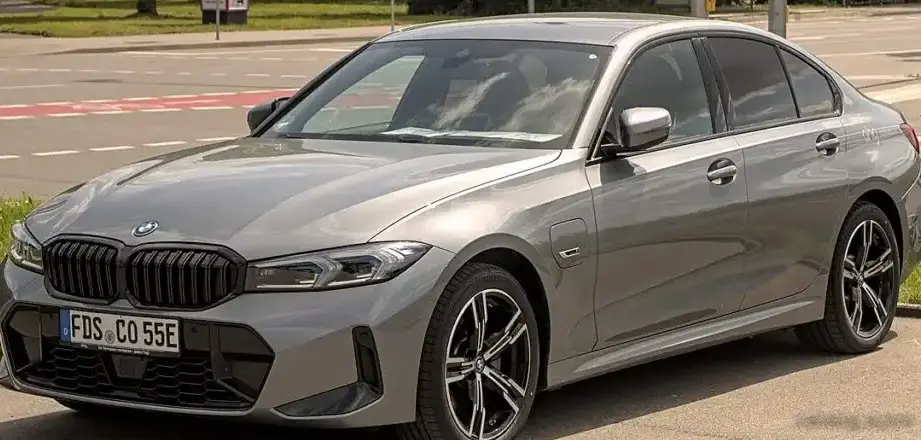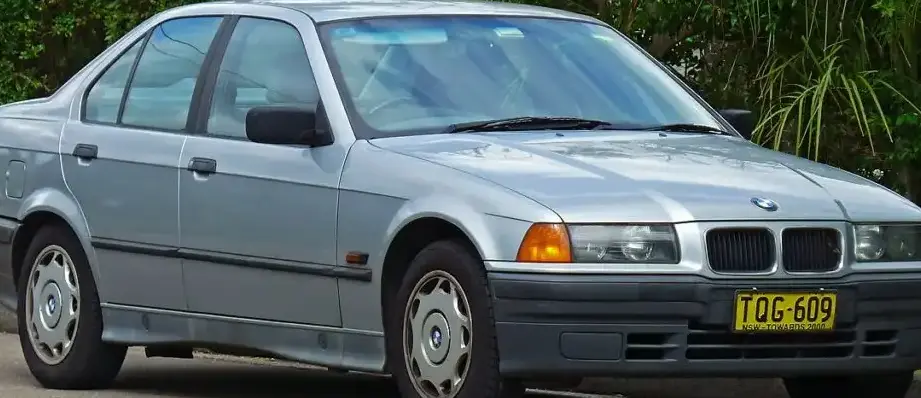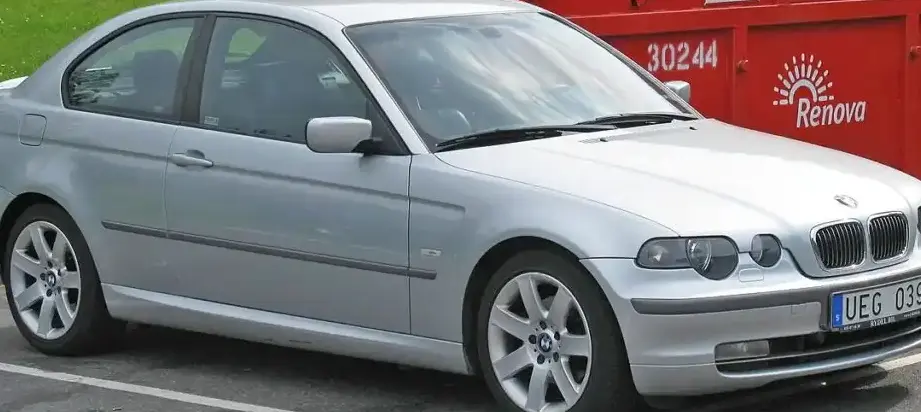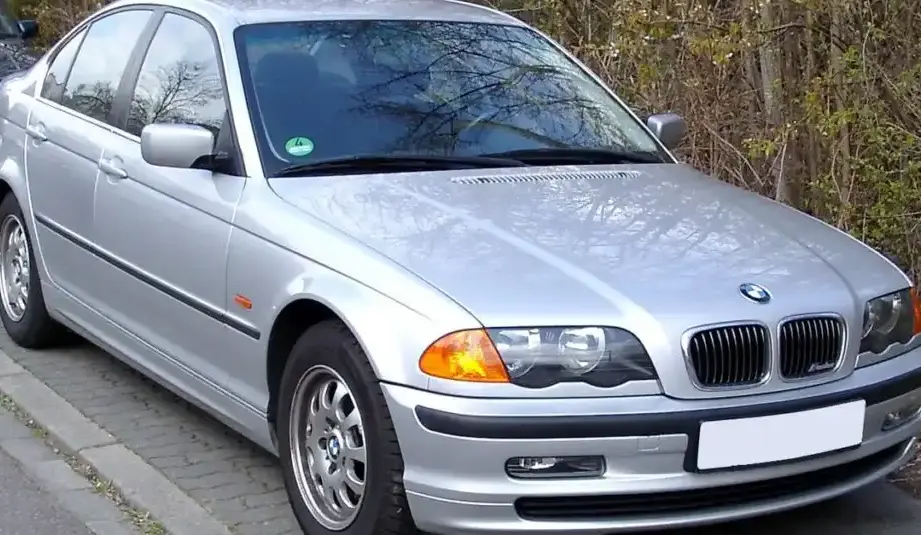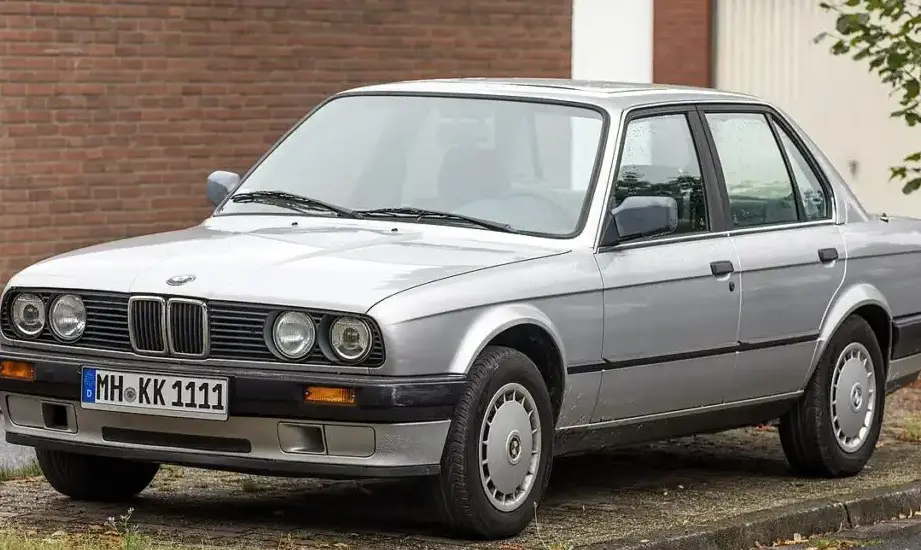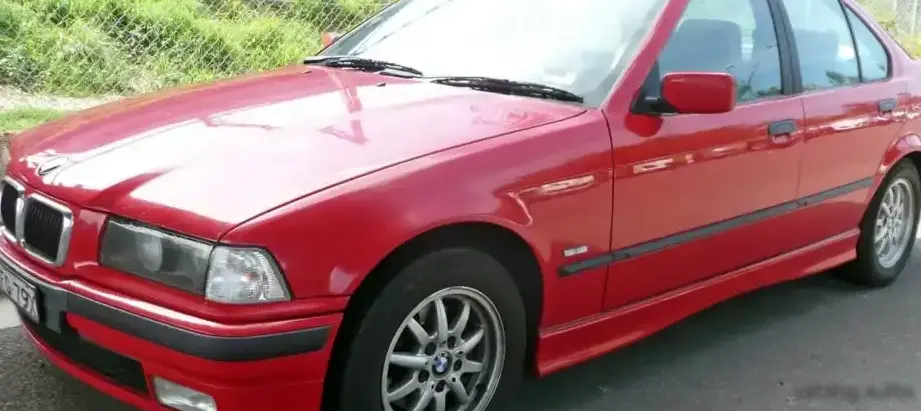
The BMW 3 Series Sedan (E36) 316i, producing 99 horsepower, represented the entry point into the highly successful E36 generation of BMW’s iconic 3 Series. Introduced in 1990 and continuing through 1993, this variant played a crucial role in establishing the E36 as a popular choice for buyers seeking a blend of German engineering, practicality, and a relatively affordable price point. Positioned below the 318i and 320i models, the 316i offered a more economical option without entirely sacrificing the driving experience BMW was known for. It was primarily sold in the European market, where smaller displacement engines were favored due to taxation and fuel costs.
Technical Specifications
| Brand | BMW |
| Model | 3 Series |
| Generation | 3 Series Sedan (E36) |
| Type (Engine) | 316i (99 Hp) |
| Start of production | 1990 |
| End of production | 1993 |
| Powertrain Architecture | Internal Combustion engine |
| Body type | Sedan |
| Seats | 5 |
| Doors | 4 |
| Fuel consumption (urban) | 10.2 l/100 km (23.1 US mpg) |
| Fuel consumption (extra urban) | 6.1 l/100 km (38.6 US mpg) |
| Fuel consumption (combined) | 7.5 l/100 km (31.4 US mpg) |
| Fuel Type | Petrol (Gasoline) |
| Acceleration 0 – 100 km/h | 13.1 sec |
| Acceleration 0 – 62 mph | 13.1 sec |
| Acceleration 0 – 60 mph | 12.4 sec |
| Maximum speed | 191 km/h (118.68 mph) |
| Weight-to-power ratio | 12.2 kg/Hp |
| Weight-to-torque ratio | 8.5 kg/Nm |
| Power | 99 Hp @ 5500 rpm |
| Power per litre | 62 Hp/l |
| Torque | 141 Nm @ 4250 rpm (104 lb.-ft. @ 4250 rpm) |
| Engine layout | Front, Longitudinal |
| Engine Model/Code | M40B16 |
| Engine displacement | 1596 cm3 (97.39 cu. in.) |
| Number of cylinders | 4 |
| Engine configuration | Inline |
| Cylinder Bore | 84 mm (3.31 in.) |
| Piston Stroke | 72 mm (2.83 in.) |
| Compression ratio | 9.1:1 |
| Number of valves per cylinder | 2 |
| Fuel injection system | Multi-port manifold injection |
| Engine aspiration | Naturally aspirated engine |
| Valvetrain | OHC |
| Engine oil capacity | 4 l (4.23 US qt | 3.52 UK qt) |
| Coolant capacity | 6.5 l (6.87 US qt | 5.72 UK qt) |
| Kerb Weight | 1205 kg (2656.57 lbs.) |
| Max. weight | 1665 kg (3670.7 lbs.) |
| Max load | 460 kg (1014.13 lbs.) |
| Trunk (boot) space – minimum | 435 l (15.36 cu. ft.) |
| Fuel tank capacity | 65 l (17.17 US gal | 14.3 UK gal) |
| Length | 4433 mm (174.53 in.) |
| Width | 1698 mm (66.85 in.) |
| Height | 1393 mm (54.84 in.) |
| Wheelbase | 2700 mm (106.3 in.) |
| Front track | 1418 mm (55.83 in.) |
| Rear (Back) track | 1431 mm (56.34 in.) |
| Drivetrain Architecture | Rear wheel drive |
| Number of gears | 5 gears, manual transmission |
| Front suspension | Wishbone |
| Rear suspension | Coil spring |
| Front brakes | Disc |
| Rear brakes | Drum |
| Assisting systems | ABS (Anti-lock braking system) |
| Steering type | Steering rack and pinion |
| Power steering | Hydraulic Steering |
| Tires size | 185/65 R15 |
| Wheel rims size | 15 |
Powertrain & Engine Architecture
The heart of the 316i was the M40B16 engine, a 1.6-liter inline-four cylinder powerplant. This engine featured a single overhead camshaft (OHC) design and utilized multi-port fuel injection. The M40B16 was a relatively simple and robust engine, designed for reliability and fuel efficiency rather than outright performance. It produced 99 horsepower at 5500 rpm and 104 lb-ft of torque at 4250 rpm. The engine’s 9.1:1 compression ratio was a compromise between performance and the ability to run on lower octane fuel, common in many European markets. The 316i was typically equipped with a 5-speed manual transmission, although a 4-speed automatic was also available, albeit less common. The automatic transmission, while offering convenience, noticeably impacted acceleration and fuel economy.
Driving Characteristics
The 316i, particularly in manual form, offered a reasonably engaging driving experience, albeit one focused on efficiency and comfort rather than outright speed. Acceleration from 0-60 mph took around 12.4 seconds, making it noticeably slower than the 318i or 320i models. The automatic transmission version was even slower, with a 0-60 mph time closer to 14 seconds. The engine’s torque peak at 4250 rpm meant that drivers needed to rev the engine to access its power, but the linear power delivery made it predictable and easy to control. The E36 chassis, known for its balanced handling, provided a solid foundation, but the 316i’s lower power output meant it didn’t fully exploit the chassis’ potential. The rear-wheel drive configuration contributed to a balanced feel, but understeer was common when pushed hard.
Equipment & Trim Levels
The 316i typically came with a fairly basic level of equipment, reflecting its position as the entry-level model. Standard features included power steering, central locking, and cloth upholstery. Air conditioning, power windows, and an upgraded sound system were often optional extras. Interior trim was generally functional and durable, prioritizing practicality over luxury. The dashboard layout was typical of BMW at the time, with a driver-focused design and clear instrumentation. Optional extras could significantly increase the price of the 316i, blurring the line between it and the more expensive models.
Chassis & Braking
The E36 316i utilized a MacPherson strut front suspension and a semi-trailing arm rear suspension. This setup provided a good balance between ride comfort and handling. Brakes were typically disc brakes at the front and drum brakes at the rear, adequate for the car’s weight and performance. Anti-lock braking system (ABS) was standard, enhancing safety. The 316i’s relatively light weight (around 2657 lbs) helped to mitigate the limitations of the braking system. Stabilizer bars were fitted front and rear, contributing to reduced body roll during cornering.
Market Reception & Comparison
The 316i was generally well-received in Europe as an affordable and economical entry point into the 3 Series range. Critics praised its fuel efficiency and comfortable ride, but noted its lack of outright performance compared to the higher-powered models. Compared to the 318i, the 316i offered significantly less power and acceleration, but at a lower purchase price and with slightly better fuel economy. The 316i also differed from the diesel-powered 318d and 325td models, offering a smoother and quieter driving experience, but with lower fuel economy. The automatic transmission version was often criticized for its sluggish performance and reduced fuel efficiency.
Legacy
The E36 316i, while not the most sought-after variant of the E36 generation, has developed a loyal following among enthusiasts seeking an affordable and reliable classic BMW. The M40B16 engine is known for its durability, and well-maintained examples can still provide years of reliable service. However, age-related issues such as rust and wear on suspension components are common. On the used car market, the 316i typically commands a lower price than the 318i or 320i, making it an attractive option for those on a budget. Its simplicity and relatively low maintenance costs contribute to its enduring appeal.