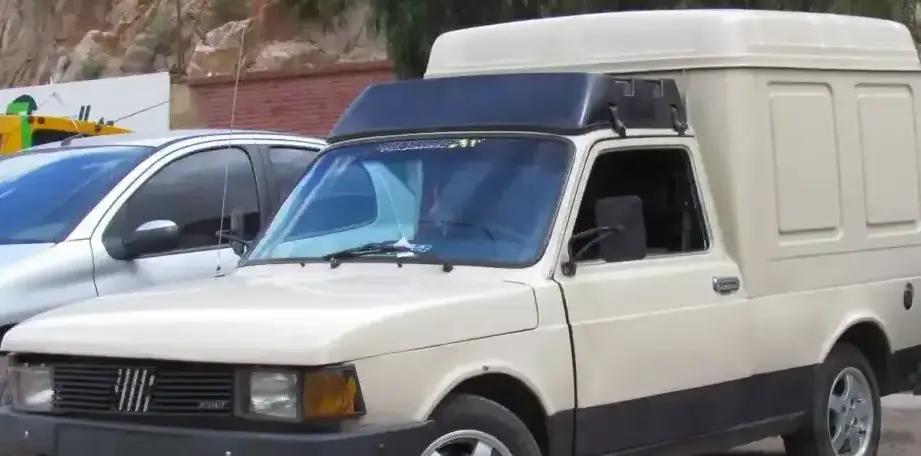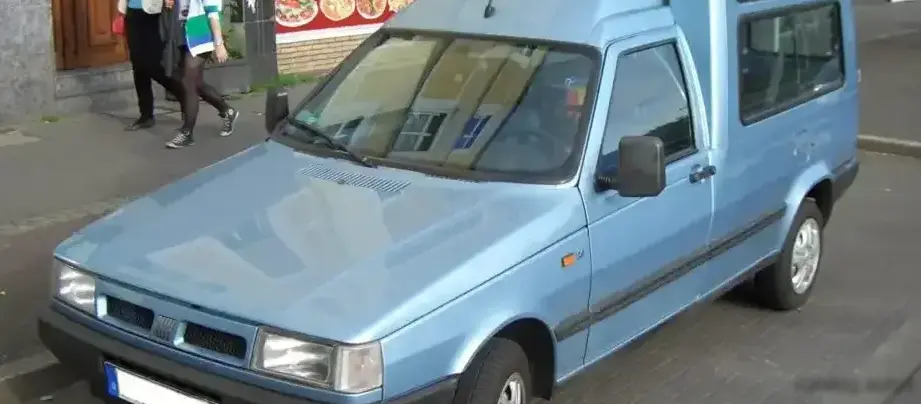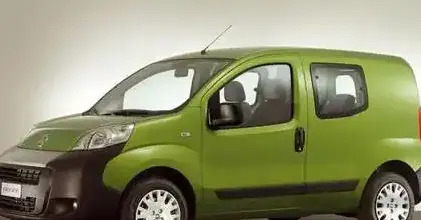
The Fiat Fiorino Combi 1.3 JTD Multijet 16V (75 hp) is a small commercial vehicle produced by Fiat from 2008 to 2016. Part of the Fiorino model range, this variant served as an entry-level option within the Combi (passenger/cargo) configuration, designed for practicality and economy. It was based on the Fiat Grande Punto platform, sharing many components with the Punto and Peugeot Bipper, a result of the Sevel joint venture between Fiat and PSA Peugeot Citroën. This particular engine and trim level aimed at small businesses, families needing a versatile vehicle, or those seeking a cost-effective transportation solution.
Technical Specifications
| Brand | Fiat |
| Model | Fiorino |
| Generation | Fiorino Combi |
| Type (Engine) | 1.3 JTD Multijet 16V (75 Hp) |
| Start of production | 2008 |
| End of production | 2016 |
| Powertrain Architecture | Internal Combustion engine |
| Body type | Minivan |
| Seats | 5 |
| Doors | 5 |
| Fuel Type | Diesel |
| Power | 75 Hp @ 4000 rpm |
| Power per litre | 60.1 Hp/l |
| Torque | 190 Nm @ 1750 rpm / 140.14 lb.-ft. @ 1750 rpm |
| Engine layout | Front, Transverse |
| Engine Model/Code | 199 A9.000 |
| Engine displacement | 1248 cm3 / 76.16 cu. in. |
| Number of cylinders | 4 |
| Engine configuration | Inline |
| Cylinder Bore | 69.6 mm / 2.74 in. |
| Piston Stroke | 82 mm / 3.23 in. |
| Compression ratio | 17.6:1 |
| Number of valves per cylinder | 4 |
| Fuel injection system | Diesel Commonrail |
| Engine aspiration | Turbocharger, Intercooler |
| Valvetrain | OHC |
| Engine oil capacity | 3.2 l / 3.38 US qt | 2.82 UK qt |
| Coolant | 7.6 l / 8.03 US qt | 6.69 UK qt |
Powertrain & Engine Architecture
The heart of the Fiorino Combi 1.3 JTD Multijet 16V is the 199A9.000 engine, a 1.3-liter inline-four cylinder diesel. This engine is a member of Fiat’s Multijet family, known for its common-rail direct injection system. The Multijet technology allows for multiple fuel injections per combustion cycle, improving efficiency, reducing noise, and lowering emissions. The 16V designation refers to the four valves per cylinder, enhancing volumetric efficiency and contributing to the engine’s power output. A turbocharger with an intercooler is employed to boost power and torque. The intercooler cools the compressed air from the turbocharger, increasing its density and further improving combustion. The engine utilizes an overhead camshaft (OHC) configuration. The engine was typically paired with a five-speed manual transmission, but a Dualogic automated manual transmission was also available, though less common in this 75 hp configuration.
Driving Characteristics
The 75 hp output of this Fiorino Combi variant translates to modest, but adequate, performance. Acceleration is not brisk, and the vehicle is best suited for urban and suburban driving. The engine delivers its peak torque of 190 Nm (140 lb-ft) at a relatively low 1750 rpm, providing reasonable pulling power for carrying loads or navigating hilly terrain. The five-speed manual transmission offers a decent spread of gears, allowing the driver to keep the engine in its optimal power band. The Dualogic transmission, while offering convenience, was often criticized for its slow and jerky shifts compared to a traditional automatic. Compared to the higher-output 90 hp version of the 1.3 JTD, the 75 hp model feels noticeably less responsive, particularly when fully loaded. However, the lower power output also contributes to slightly better fuel economy.
Equipment & Trim Levels
The Fiorino Combi 1.3 JTD Multijet 16V (75 hp) typically came with a basic, yet functional, level of equipment. Standard features generally included power steering, central locking, an adjustable steering column, and a basic audio system. Safety features included driver and passenger airbags, and ABS brakes. The interior was typically finished with durable, easy-to-clean plastics. Upholstery was usually a simple cloth material. Optional extras included air conditioning, electric windows, a more advanced audio system, and parking sensors. The Combi trim level offered a flexible seating configuration, with the rear seats often folding or even being removable to maximize cargo space. The overall focus was on practicality and affordability rather than luxury.
Chassis & Braking
The Fiorino Combi utilizes a relatively simple chassis design, based on the Fiat Grande Punto. The front suspension consists of independent MacPherson struts, while the rear suspension employs a torsion beam axle. This setup provides a reasonable balance between ride comfort and handling. Braking duties are handled by disc brakes on the front wheels and drum brakes on the rear wheels. The braking system is assisted by ABS (Anti-lock Braking System) to prevent wheel lockup during hard braking. Stabilizer bars were typically fitted to both the front and rear axles to reduce body roll during cornering. The suspension and braking components were tuned to suit the vehicle’s weight and intended use as a light commercial/passenger vehicle.
Market Reception & Comparison
The Fiat Fiorino Combi 1.3 JTD Multijet 16V (75 hp) was generally well-received as a practical and economical vehicle. Critics praised its fuel efficiency, versatility, and low running costs. However, the 75 hp engine was often considered underpowered, especially when the vehicle was fully loaded. Compared to the 90 hp version of the same engine, the 75 hp model offered lower performance but slightly better fuel economy. It also positioned itself as a more affordable option. Competitors in this segment included the Peugeot Bipper, Citroën Nemo, and Renault Kangoo, all of which offered similar levels of practicality and economy. The Fiorino often stood out due to its competitive pricing and Fiat’s established reputation for reliability.
Legacy
The 1.3 JTD Multijet engine, in its various iterations, has proven to be a relatively reliable and durable powertrain. While not without its potential issues (such as injector problems and turbocharger wear), the engine is generally considered robust and capable of high mileage with proper maintenance. The Fiorino Combi 1.3 JTD Multijet 16V (75 hp) remains a popular choice in the used car market, particularly among those seeking an affordable and practical vehicle for small businesses or family use. Its fuel efficiency and low running costs continue to be major selling points. Parts availability is generally good, and the relatively simple mechanical design makes it relatively easy to maintain and repair.