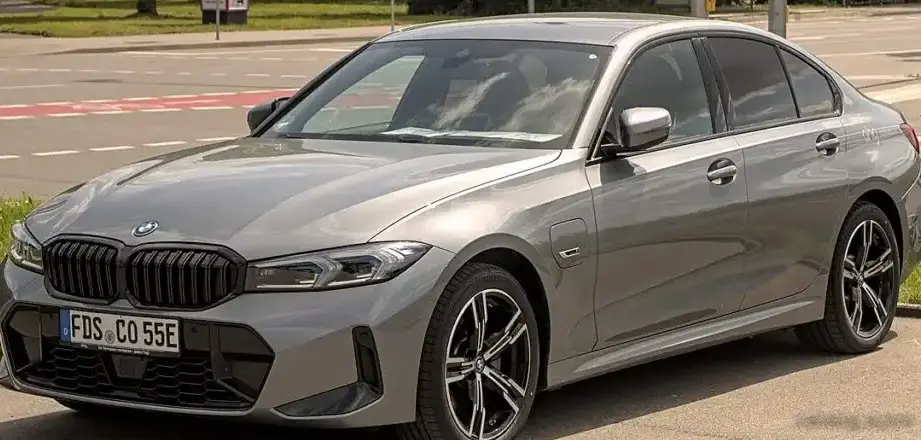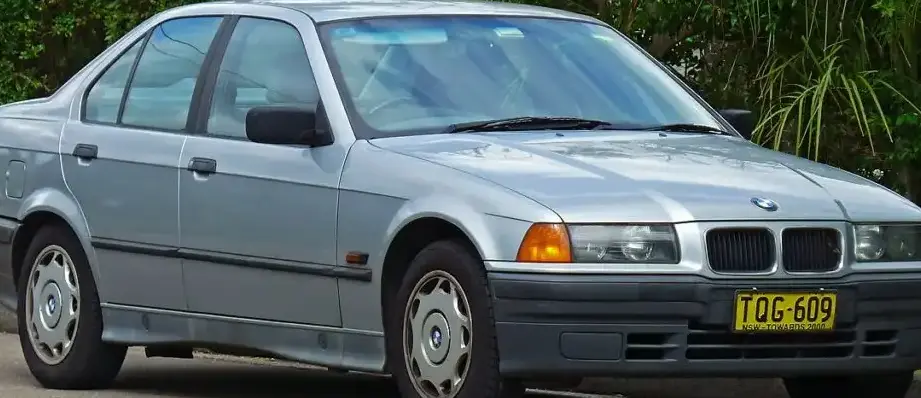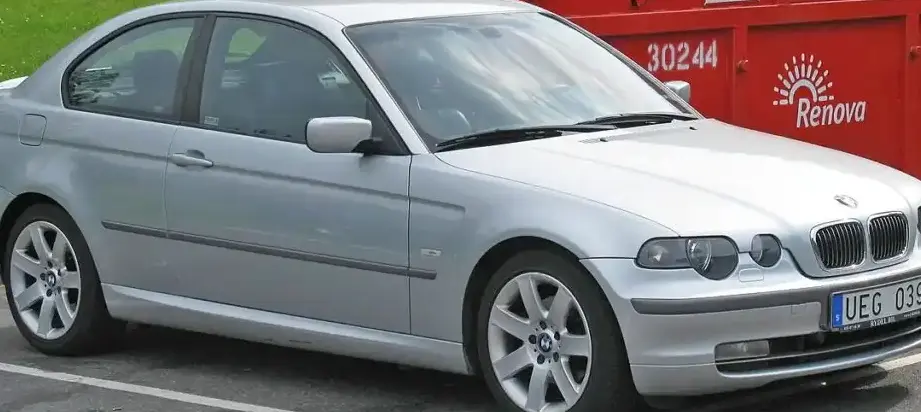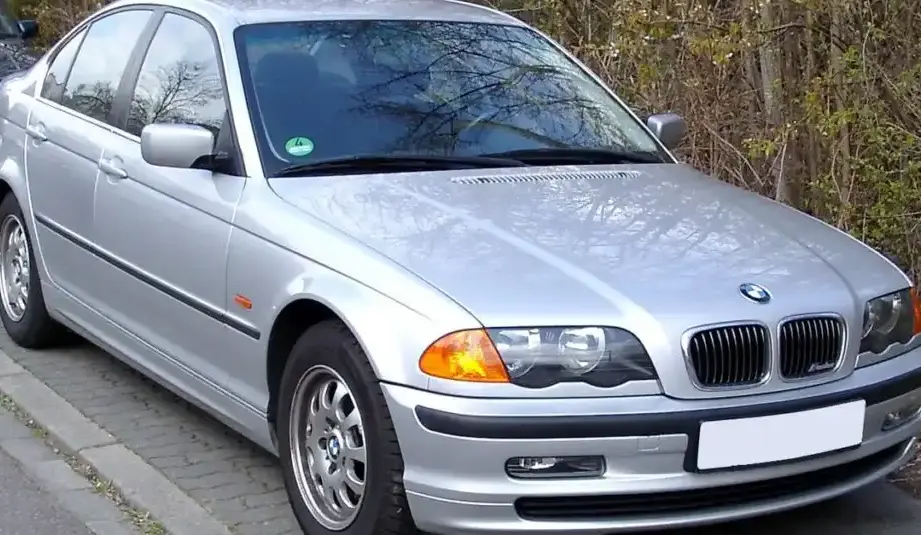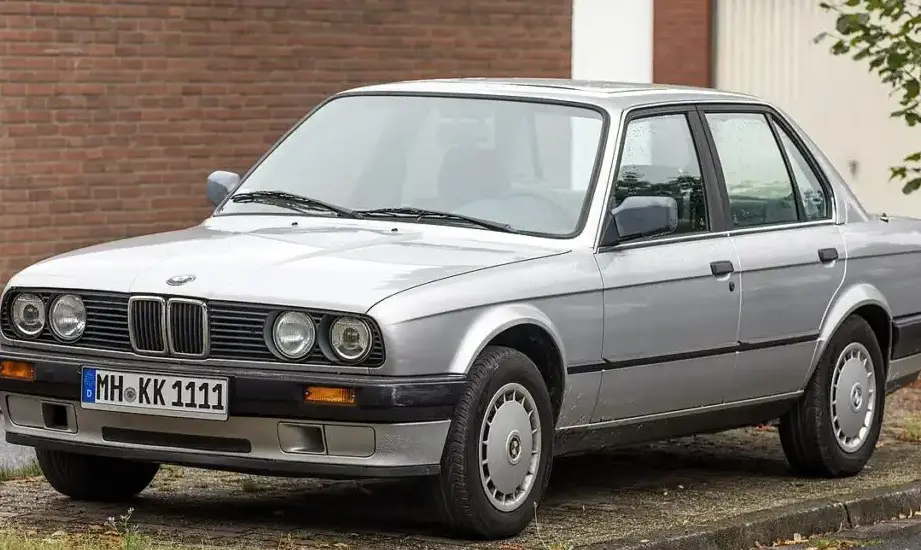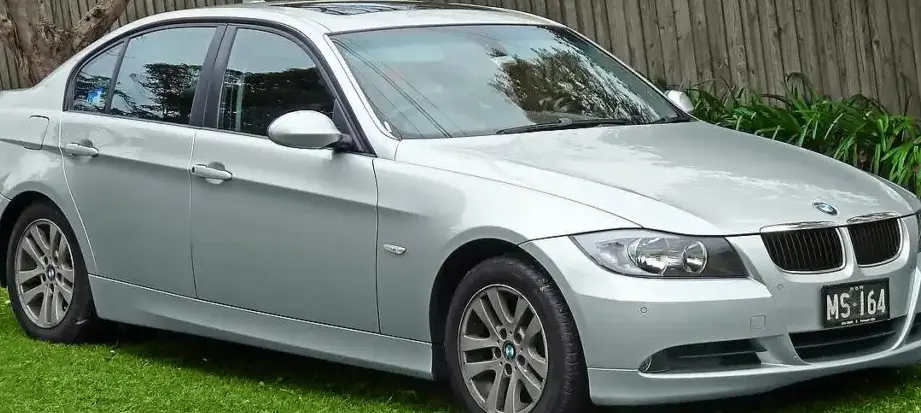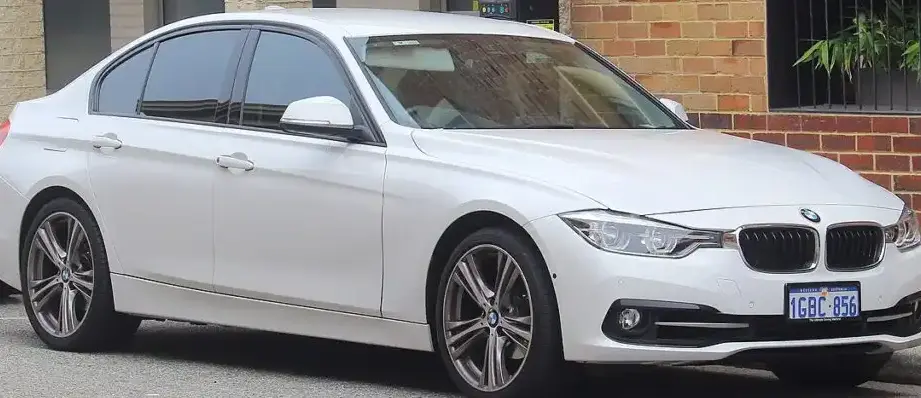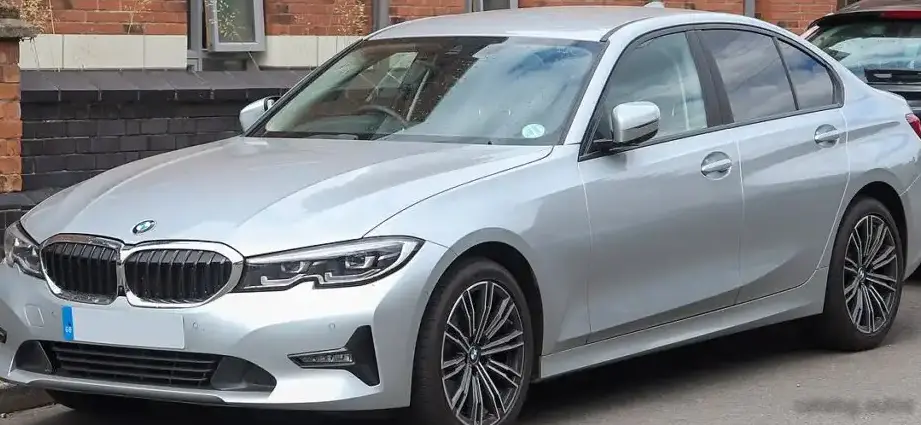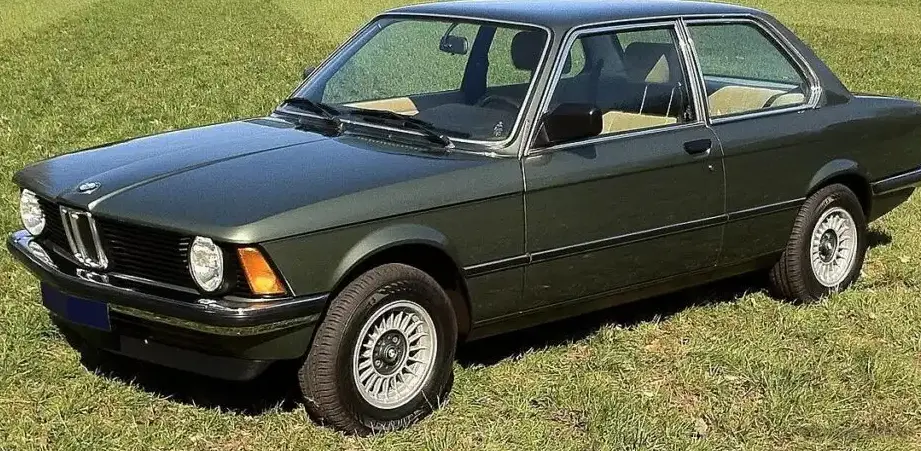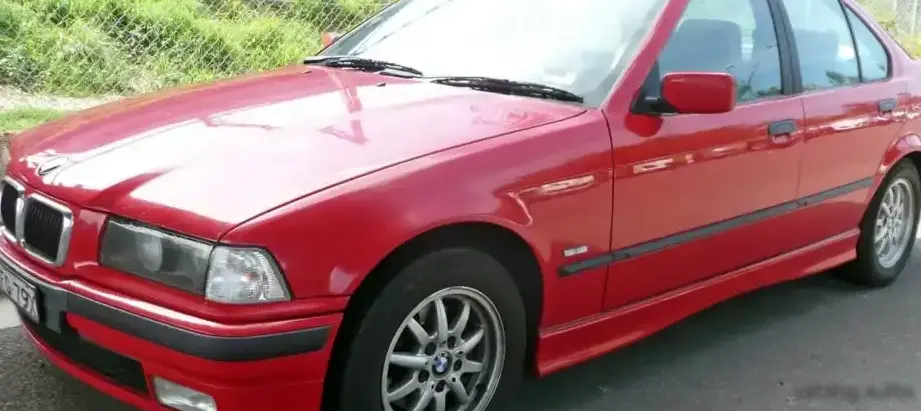
The BMW 3 Series Sedan (E36) 318i Automatic, produced from 1990 to 1993, represented the entry point into the highly successful E36 generation of BMW’s iconic 3 Series. Positioned as a more accessible option within the lineup, it offered a blend of BMW’s renowned driving dynamics and a comfortable, practical sedan package. This variant was particularly significant in markets where automatic transmissions were preferred, offering a smoother driving experience than its manual counterparts. The E36 platform, internally designated 1HX0, marked a substantial leap forward in terms of design, technology, and overall refinement compared to the outgoing E30 generation.
Technical Specifications
| Brand | BMW |
| Model | 3 Series |
| Generation | 3 Series Sedan (E36) |
| Type (Engine) | 318i (113 Hp) Automatic |
| Start of production | 1990 |
| End of production | 1993 |
| Powertrain Architecture | Internal Combustion engine |
| Body type | Sedan |
| Seats | 5 |
| Doors | 4 |
| Fuel consumption (economy) – urban | 11.2 l/100 km (21 US mpg, 25.2 UK mpg, 8.9 km/l) |
| Fuel consumption (economy) – extra urban | 6.6 l/100 km (35.6 US mpg, 42.8 UK mpg, 15.2 km/l) |
| Fuel consumption (economy) – combined | 8.1 l/100 km (29 US mpg, 34.9 UK mpg, 12.3 km/l) |
| Fuel Type | Petrol (Gasoline) |
| Acceleration 0 – 100 km/h | 12.8 sec |
| Acceleration 0 – 62 mph | 12.8 sec |
| Acceleration 0 – 60 mph | 12.2 sec |
| Maximum speed | 198 km/h (123.03 mph) |
| Weight-to-power ratio | 10.7 kg/Hp, 93.8 Hp/tonne |
| Weight-to-torque ratio | 7.4 kg/Nm, 134.4 Nm/tonne |
| Power | 113 Hp @ 5500 rpm |
| Power per litre | 62.9 Hp/l |
| Torque | 162 Nm @ 4250 rpm (119.49 lb.-ft. @ 4250 rpm) |
| Engine layout | Front, Longitudinal |
| Engine Model/Code | M40B18 |
| Engine displacement | 1796 cm3 (109.6 cu. in.) |
| Number of cylinders | 4 |
| Engine configuration | Inline |
| Cylinder Bore | 84 mm (3.31 in.) |
| Piston Stroke | 81 mm (3.19 in.) |
| Compression ratio | 8.8:1 |
| Number of valves per cylinder | 2 |
| Fuel injection system | Multi-port manifold injection |
| Engine aspiration | Naturally aspirated engine |
| Engine oil capacity | 4 l (4.23 US qt | 3.52 UK qt) |
| Coolant | 6.5 l (6.87 US qt | 5.72 UK qt) |
| Kerb Weight | 1205 kg (2656.57 lbs.) |
| Max. weight | 1665 kg (3670.7 lbs.) |
| Max load | 460 kg (1014.13 lbs.) |
| Trunk (boot) space – minimum | 435 l (15.36 cu. ft.) |
| Fuel tank capacity | 68 l (17.96 US gal | 14.96 UK gal) |
| Length | 4433 mm (174.53 in.) |
| Width | 1698 mm (66.85 in.) |
| Height | 1393 mm (54.84 in.) |
| Wheelbase | 2700 mm (106.3 in.) |
| Front track | 1418 mm (55.83 in.) |
| Rear (Back) track | 1431 mm (56.34 in.) |
| Ride height (ground clearance) | 145 mm (5.71 in.) |
| Drivetrain Architecture | The Internal combustion engine (ICE) drives the rear wheels of the vehicle. |
| Drive wheel | Rear wheel drive |
| Number of gears and type of gearbox | 4 gears, automatic transmission |
| Front suspension | Wishbone |
| Rear suspension | Coil spring |
| Front brakes | Disc |
| Rear brakes | Drum |
| Assisting systems | ABS (Anti-lock braking system) |
| Steering type | Steering rack and pinion |
| Power steering | Hydraulic Steering |
| Tires size | 185/65 R15 |
| Wheel rims size | 15 |
Powertrain & Engine Architecture
The 318i Automatic was powered by the M40B18 engine, a 1.8-liter inline-four cylinder gasoline engine. This engine featured a cast iron block and an aluminum cylinder head, employing a single overhead camshaft (SOHC) design with two valves per cylinder. Fuel delivery was managed by a Bosch Motronic multi-port fuel injection system, providing precise control over the air-fuel mixture. The M40B18 was known for its relatively smooth operation and decent fuel economy, though it lacked the outright performance of the larger six-cylinder engines offered in the 3 Series range. The automatic transmission was a four-speed unit, designed to provide comfortable and convenient shifting. While not known for its sportiness, it was a reliable unit and well-suited to the engine’s power characteristics.
Driving Characteristics
The 318i Automatic offered a comfortable and refined driving experience. Acceleration from 0-60 mph took around 12.2 seconds, making it noticeably slower than the manual transmission version or the 325i models. The automatic transmission, while smooth, did sap some of the engine’s power, resulting in a less engaging driving experience for enthusiasts. However, the gear ratios were well-chosen for everyday driving, providing adequate power for merging onto highways and navigating city streets. The rear-wheel-drive layout contributed to the BMW’s characteristic balanced handling, although the softer suspension setup of the 318i prioritized comfort over outright cornering performance.
Equipment & Trim Levels
The 318i Automatic typically came standard with features such as power windows, power locks, and a basic audio system. Interior upholstery was usually cloth, with options for leather available at an extra cost. Air conditioning was a common option, as were features like a sunroof and upgraded sound systems. The dashboard layout was typical of BMW at the time, with a driver-focused design and clear, easy-to-read gauges. Trim levels were relatively simple, with most options being added individually rather than packaged into specific tiers.
Chassis & Braking
The E36 3 Series featured a fully independent suspension system, with MacPherson struts at the front and semi-trailing arms at the rear. The 318i typically used smaller stabilizer bars compared to the higher-performance models, resulting in a slightly softer ride. Braking was accomplished via disc brakes at the front and drum brakes at the rear. Anti-lock braking system (ABS) was standard, enhancing safety and control during emergency braking situations. The steering was a rack-and-pinion system with hydraulic power assistance, providing precise and responsive steering feel.
Market Reception & Comparison
The 318i Automatic was generally well-received by critics as a practical and affordable entry point into the BMW 3 Series range. It was praised for its comfortable ride, refined interior, and BMW’s signature handling characteristics. However, it was often criticized for its relatively modest performance compared to the 325i models. Fuel economy was considered good for its time, and the automatic transmission was appreciated by drivers who preferred convenience over sporty engagement. Compared to the manual transmission 318i, the automatic version offered a smoother driving experience but sacrificed some performance and fuel efficiency.
Legacy
The E36 318i Automatic has proven to be a relatively reliable and durable vehicle. The M40B18 engine is known for its longevity, and the automatic transmission, while not particularly sophisticated, is generally robust. Today, these cars are increasingly sought after by enthusiasts and collectors, particularly those looking for a classic BMW experience at an affordable price. While not the fastest or most engaging 3 Series variant, the 318i Automatic remains a well-rounded and enjoyable car that embodies the core values of the BMW brand.