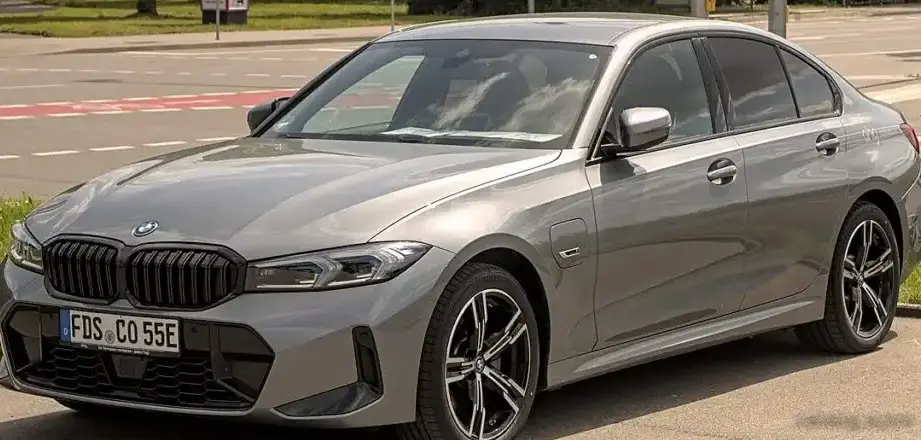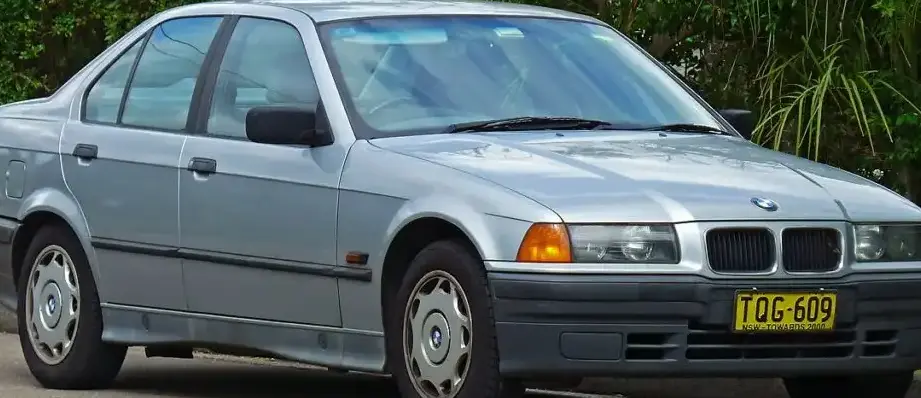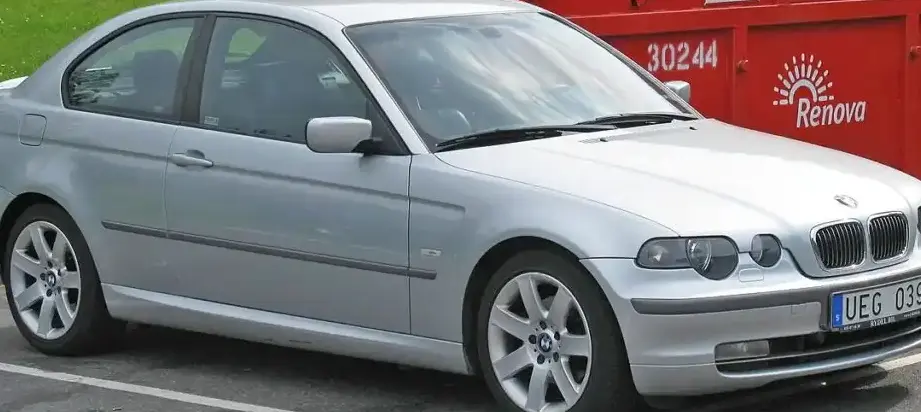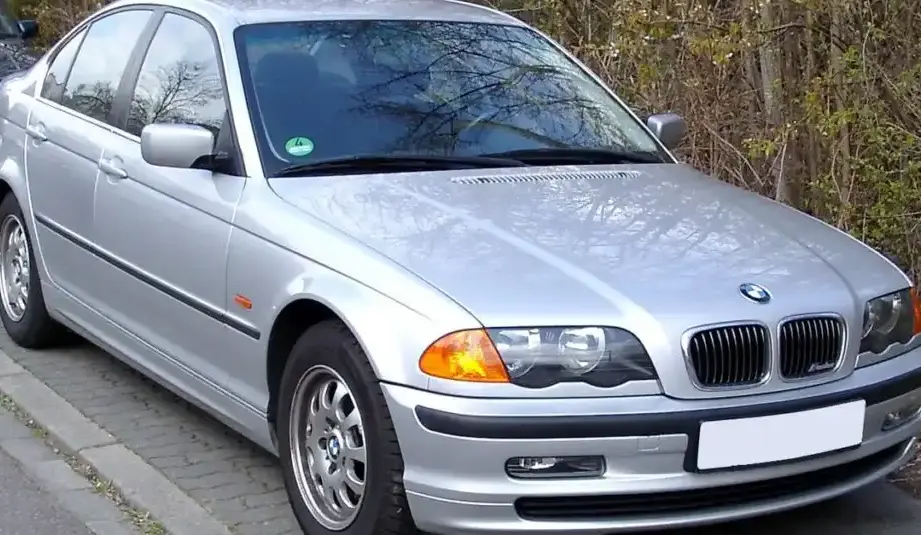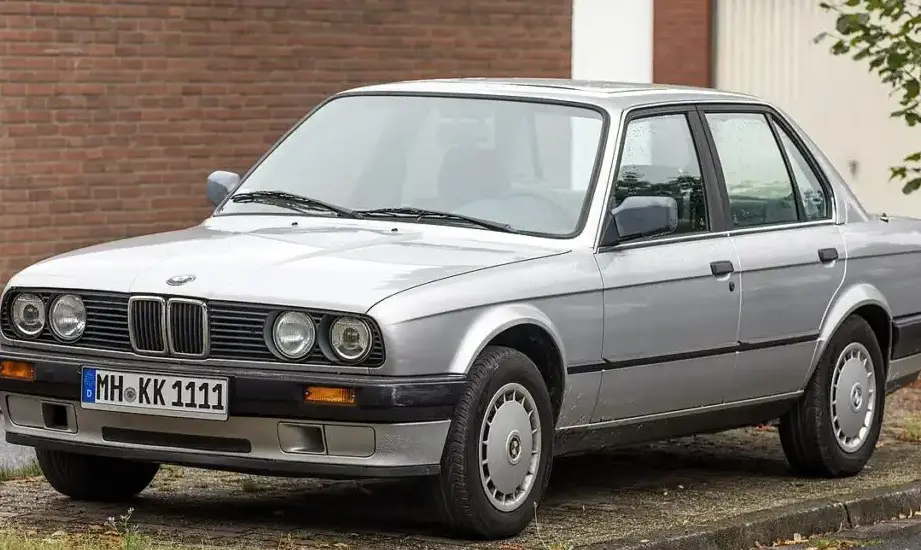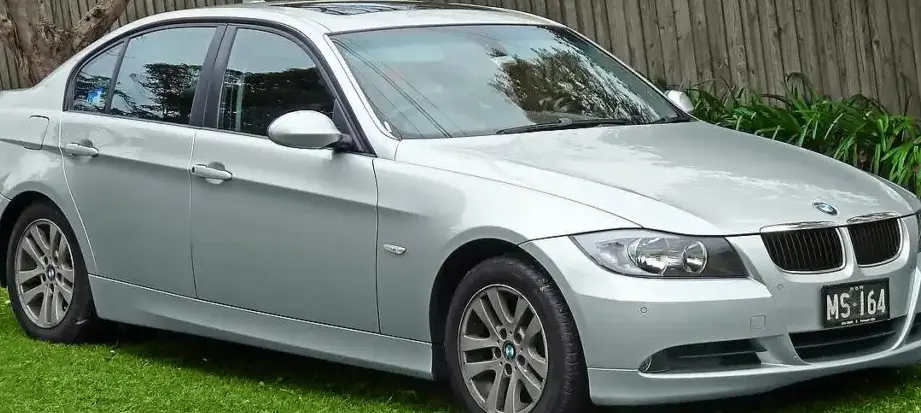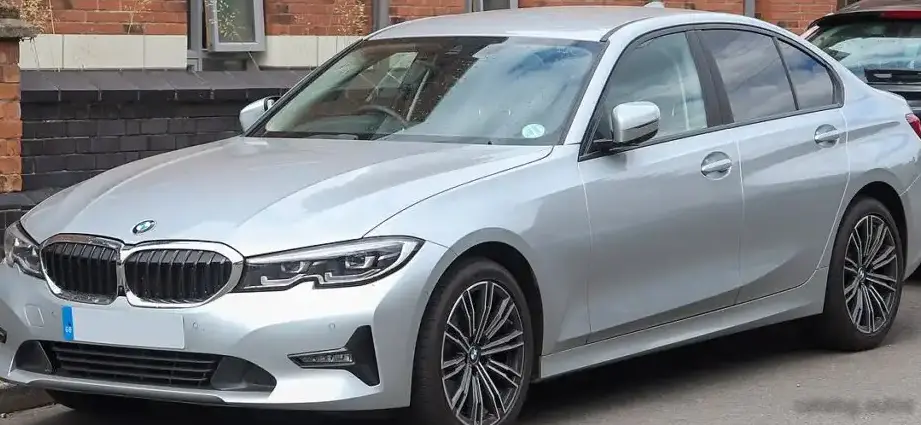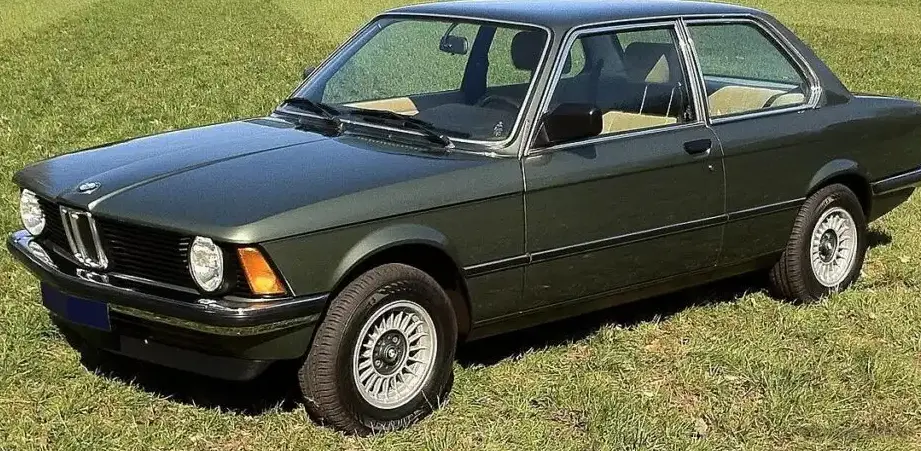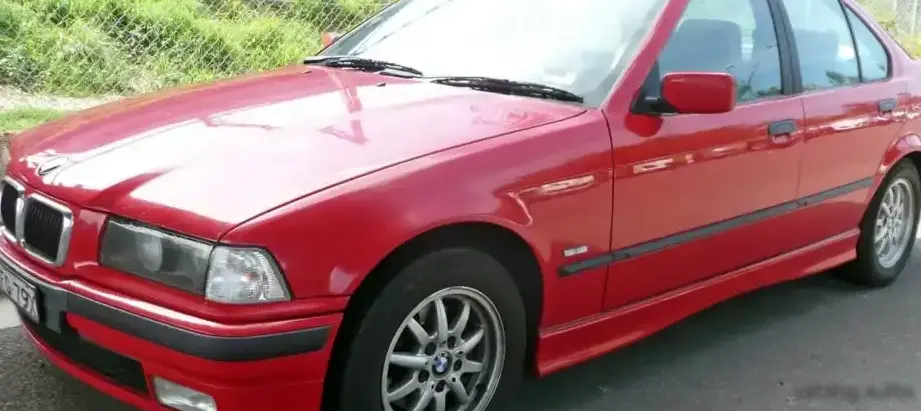
The BMW 3 Series Sedan (E36) 318is Automatic, produced between 1991 and 1996, represented a key entry point into the E36 generation of BMW’s iconic sports sedan. Positioned as a more accessible variant within the 318i range, the ‘is’ designation denoted a slightly more sporting character, while the automatic transmission offered a more relaxed driving experience compared to its manual counterparts. This model played a significant role in establishing the E36 as a popular choice for buyers seeking a blend of performance, luxury, and practicality in a compact package, particularly in the North American market where automatics were highly favored.
Technical Specifications
| Brand | BMW |
| Model | 3 Series |
| Generation | 3 Series Sedan (E36) |
| Type (Engine) | 318is (140 Hp) Automatic |
| Start of production | 1991 |
| End of production | 1996 |
| Powertrain Architecture | Internal Combustion engine |
| Body type | Sedan |
| Seats | 5 |
| Doors | 4 |
| Fuel consumption (urban) | 7.7 l/100 km (30.5 US mpg) |
| Fuel consumption (extra urban) | 6.4 l/100 km (36.8 US mpg) |
| Fuel Type | Petrol (Gasoline) |
| Acceleration 0 – 100 km/h | 11.6 sec |
| Acceleration 0 – 62 mph | 11.6 sec |
| Acceleration 0 – 60 mph | 11 sec |
| Maximum speed | 207 km/h (128.62 mph) |
| Weight-to-power ratio | 8.9 kg/Hp |
| Weight-to-torque ratio | 7.1 kg/Nm |
| Power | 140 Hp @ 6000 rpm |
| Power per litre | 78 Hp/l |
| Torque | 175 Nm @ 4500 rpm (129.07 lb.-ft. @ 4500 rpm) |
| Engine layout | Front, Longitudinal |
| Engine Model/Code | M42B18 |
| Engine displacement | 1796 cm3 (109.6 cu. in.) |
| Number of cylinders | 4 |
| Engine configuration | Inline |
| Cylinder Bore | 84 mm (3.31 in.) |
| Piston Stroke | 81 mm (3.19 in.) |
| Compression ratio | 10:1 |
| Number of valves per cylinder | 4 |
| Fuel injection system | Multi-port manifold injection |
| Engine aspiration | Naturally aspirated engine |
| Valvetrain | DOHC |
| Engine oil capacity | 5 l (5.28 US qt | 4.4 UK qt) |
| Coolant capacity | 6.5 l (6.87 US qt | 5.72 UK qt) |
| Kerb Weight | 1240 kg (2733.73 lbs.) |
| Max. weight | 1700 kg (3747.86 lbs.) |
| Max load | 460 kg (1014.13 lbs.) |
| Trunk (boot) space – minimum | 435 l (15.36 cu. ft.) |
| Fuel tank capacity | 65 l (17.17 US gal | 14.3 UK gal) |
| Length | 4433 mm (174.53 in.) |
| Width | 1698 mm (66.85 in.) |
| Height | 1393 mm (54.84 in.) |
| Wheelbase | 2700 mm (106.3 in.) |
| Front track | 1418 mm (55.83 in.) |
| Rear (Back) track | 1431 mm (56.34 in.) |
| Ride height (ground clearance) | 110 mm (4.33 in.) |
| Drivetrain Architecture | Rear wheel drive |
| Number of gears and type of gearbox | 4 gears, automatic transmission |
| Front suspension | Wishbone |
| Rear suspension | Coil spring |
| Front brakes | Ventilated discs |
| Rear brakes | Disc |
| Assisting systems | ABS (Anti-lock braking system) |
| Steering type | Steering rack and pinion |
| Power steering | Hydraulic Steering |
| Tires size | 185/65 R15 |
| Wheel rims size | 15 |
Powertrain & Engine Architecture
The 318is Automatic was powered by the BMW M42B18 engine, a 1.8-liter inline-four cylinder powerplant. This engine featured a dual overhead camshaft (DOHC) valvetrain with four valves per cylinder, contributing to its relatively high specific output for a naturally aspirated engine of its time. Fuel delivery was handled by a multi-port fuel injection system, optimizing combustion efficiency and throttle response. The M42 engine was known for its smooth power delivery and willingness to rev, although the automatic transmission did somewhat dampen the engine’s inherent responsiveness. The automatic transmission used in the 318is was a four-speed unit, designed for smooth and comfortable shifts. While not offering the direct control of a manual gearbox, it provided a more relaxed driving experience, particularly in urban environments.
Driving Characteristics
The 318is Automatic offered a comfortable and refined driving experience. Acceleration from 0-60 mph took approximately 11 seconds, which was respectable for the early 1990s but noticeably slower than the manual transmission version. The automatic transmission’s gear ratios were tuned for fuel efficiency and smooth cruising, rather than outright performance. The car felt capable on winding roads, thanks to the E36’s well-engineered chassis, but the automatic transmission did detract from the feeling of driver involvement. Compared to the higher-performance 328i models, the 318is Automatic lacked the raw power and aggressive character, but it offered a more balanced and accessible driving experience for a wider range of drivers.
Equipment & Trim Levels
The 318is Automatic typically came equipped with a reasonable level of standard features, including power windows, power locks, and air conditioning. Interior upholstery was usually cloth, although leather was available as an option. The dashboard layout was typical of BMW at the time, with a driver-focused design and clear instrumentation. Optional extras included a sunroof, upgraded sound system, and sport seats. The ‘is’ trim level also included some subtle exterior enhancements, such as sport suspension and unique alloy wheels, differentiating it from the base 318i models.
Chassis & Braking
The E36 3 Series featured a sophisticated chassis design, with independent suspension at all four wheels. The front suspension utilized a MacPherson strut setup, while the rear employed a semi-trailing arm configuration. This provided a good balance of ride comfort and handling precision. The 318is Automatic was equipped with ventilated disc brakes at the front and solid disc brakes at the rear. Anti-lock braking system (ABS) was standard, enhancing safety and stability during hard braking. The suspension tuning was slightly firmer on the ‘is’ models compared to the base 318i, providing a more engaging driving experience.
Market Reception & Comparison
The 318is Automatic was generally well-received by automotive critics. It was praised for its comfortable ride, refined interior, and balanced handling. However, some reviewers noted that the automatic transmission diminished the car’s sporting potential. Compared to the manual transmission version, the automatic offered slightly lower fuel economy and slower acceleration. Against competitors such as the Mercedes-Benz C-Class and Audi A4, the 318is Automatic offered a more driver-focused experience and a reputation for reliability.
Legacy
The E36 318is Automatic has become a popular choice among enthusiasts and collectors. The M42 engine is known for its durability and relatively simple maintenance requirements. While not as sought-after as the manual transmission or higher-performance models, the automatic version offers a more affordable entry point into E36 ownership. Well-maintained examples are still relatively common on the used car market, and they continue to provide a rewarding and enjoyable driving experience. The E36 generation, as a whole, is considered a high point for BMW’s engineering and design, and the 318is Automatic represents a significant part of that legacy.